

PRODUCTS
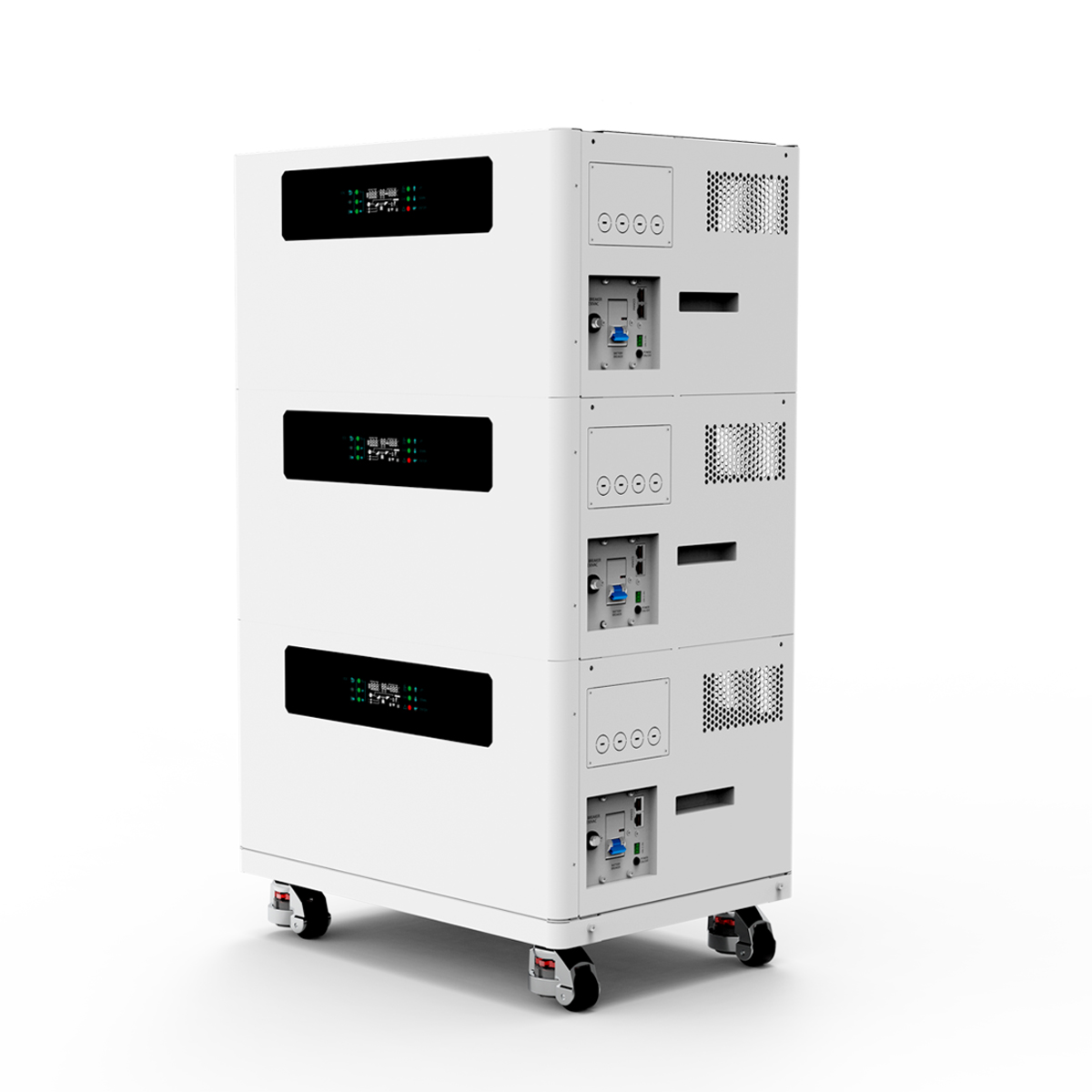
15360Wh Energy Storage Battery
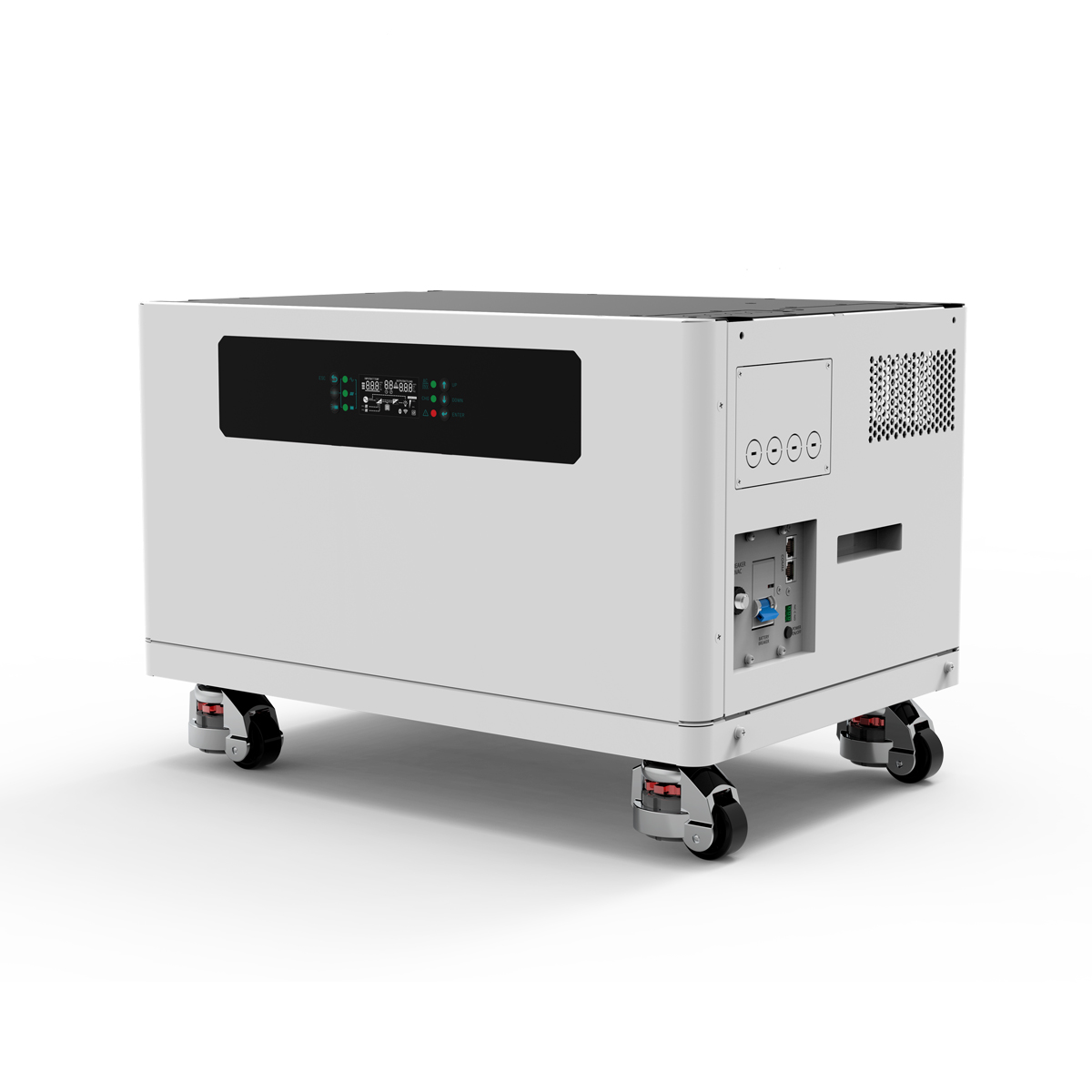
5120Wh Energy Storage Battery
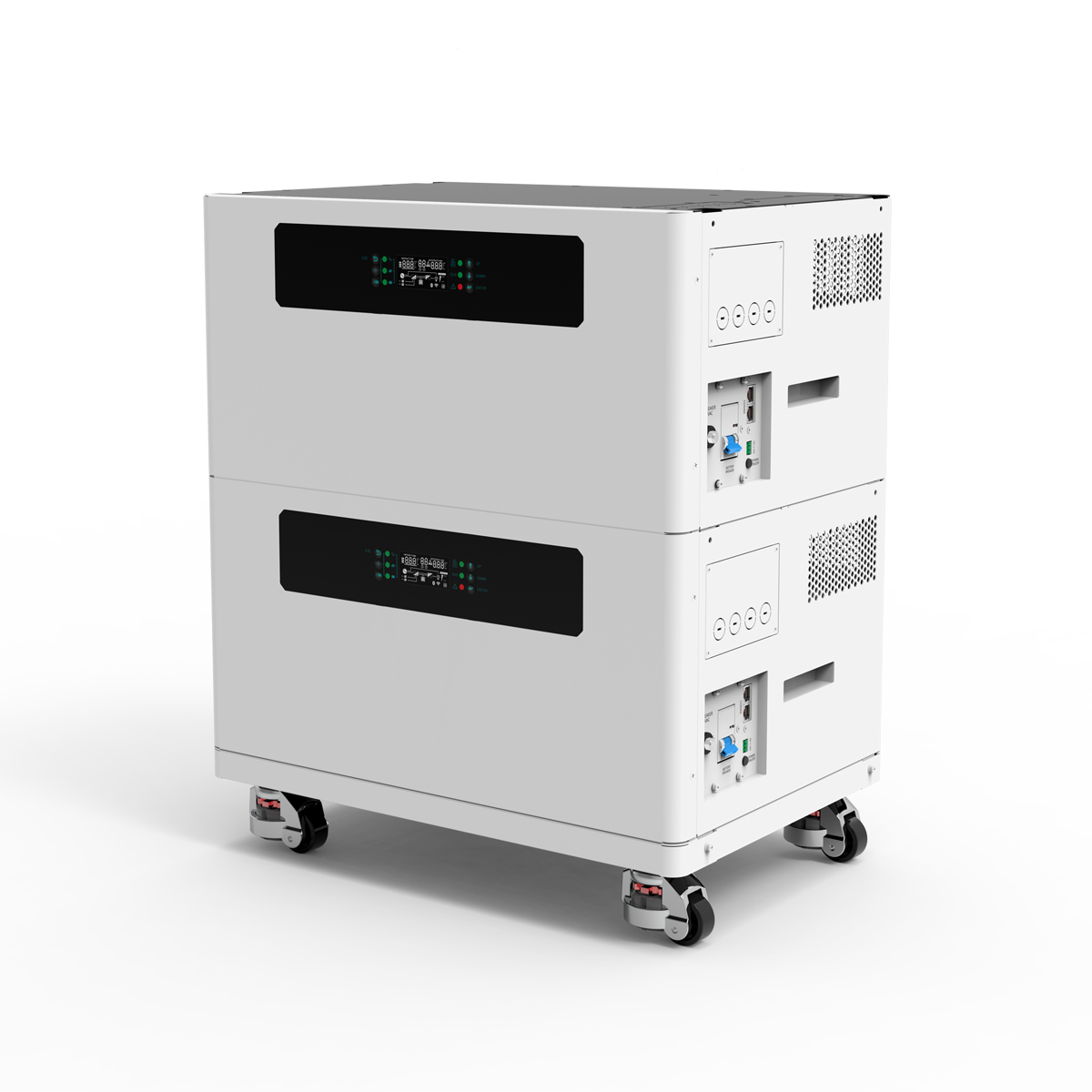
10240Wh Energy Storage Battery
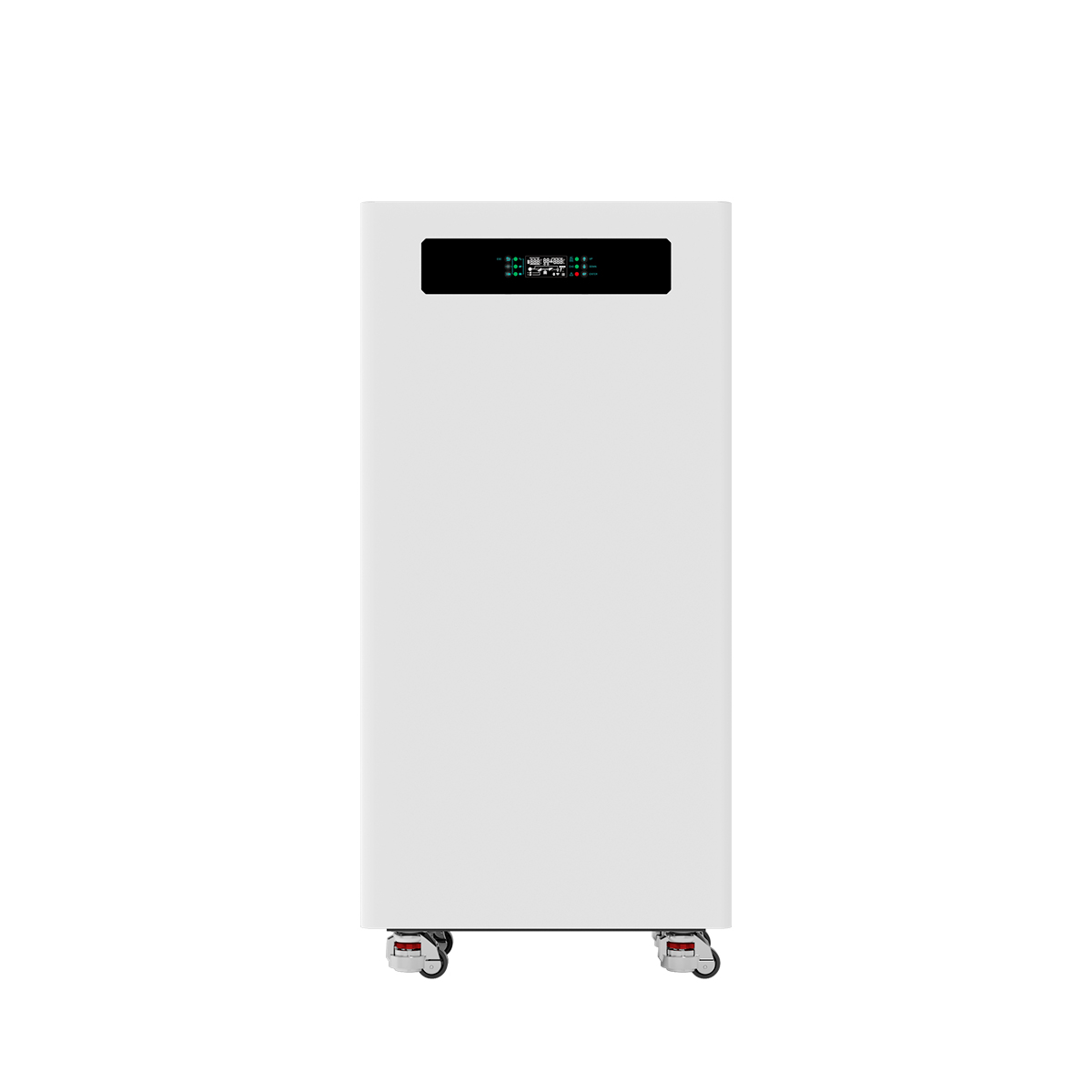
16KWh Hybrid Inverter
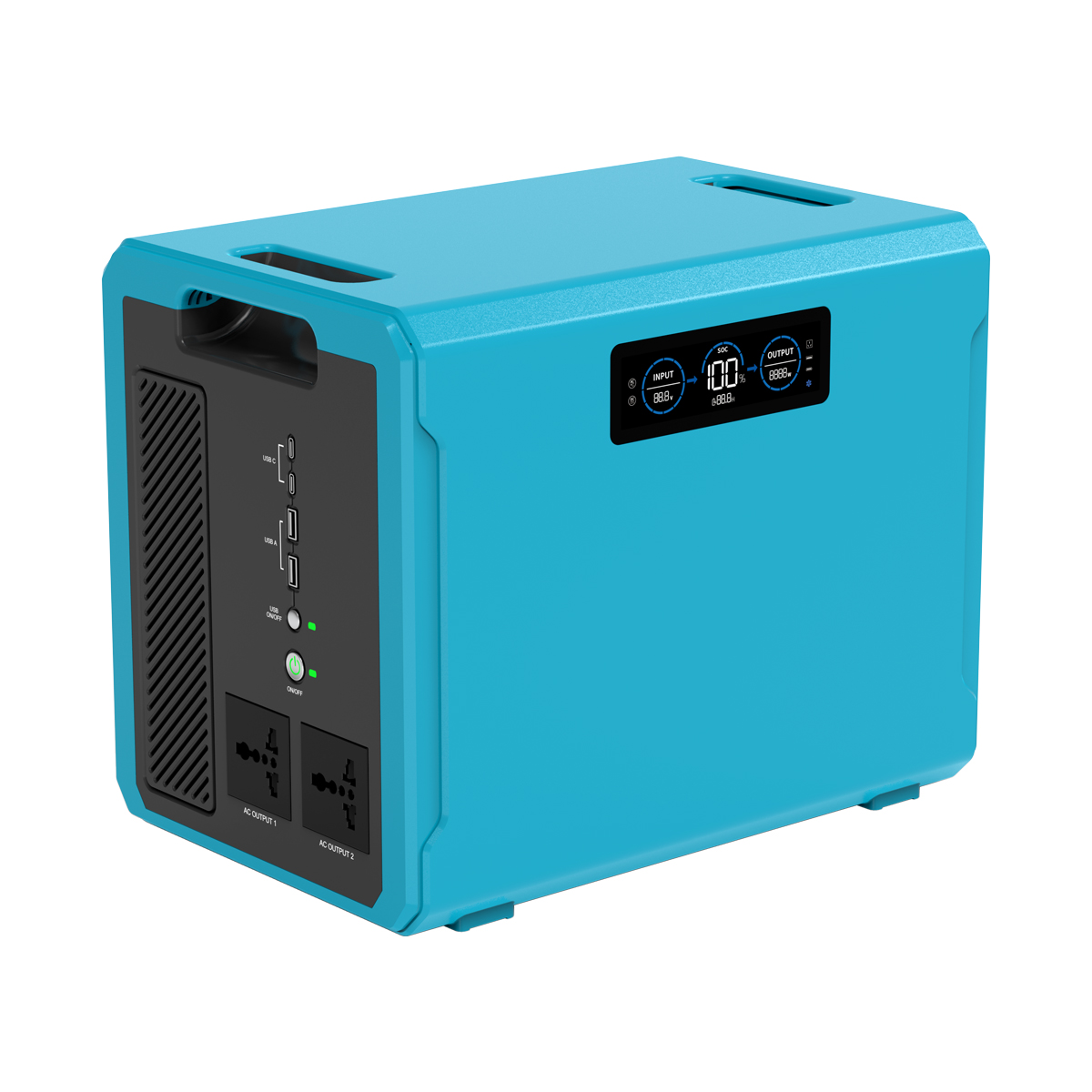
2000W Sky Blue
Which production records should I request when auditing an MPPT controller factory?
When auditing an MPPT controller factory, request production records covering design control, hardware commissioning, software development, performance testing, incoming and process inspection, safety testing, ageing, and final release. For the 36 48V Solar Charge Controller, also verify the applicable inspection scope, test results, batch traceability, corrective actions, and evidence that the factory can meet the stated 100-piece MOQ and 15-day delivery time.
Core Solutions & Key Takeaways
- Request R&D records for scheme design, hardware commissioning, software development, and performance testing.
- Review quality records for appearance checks, voltage and internal-resistance detection, charge-discharge capacity testing, BMS-protection verification, hi-pot insulation testing, high-low-temperature experiments, vibration and drop testing, and ageing burn-in screening.
- Verify production records against the 36 48V Solar Charge Controller product specification, including inspection requirements, after-sales conditions, export markets, MOQ, and delivery time.
- Check whether the factory can support photovoltaic applications such as off-grid PV power stations and grid-tied energy-storage systems.
Detailed Architectural/Principle Analysis
An audit should begin with product identity and process scope. The supplied product is a 36 48V Solar Charge Controller associated with the keyword MPPT solar charge controller. Request the approved product information, production batch records, and inspection records that identify the product consistently throughout manufacturing and release.
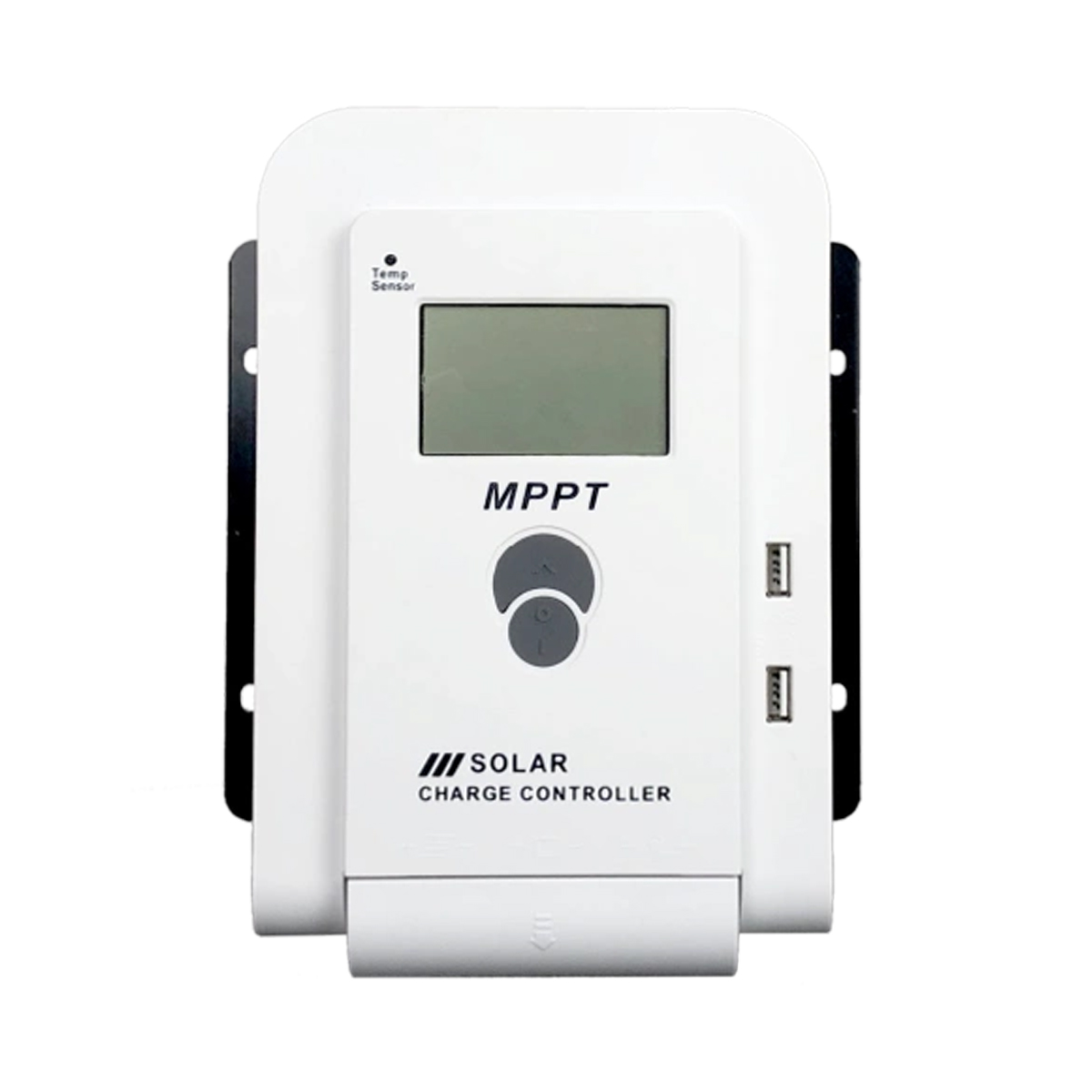

For technical process verification, request records showing how the manufacturer independently conducts scheme design, hardware commissioning, software development, and performance testing. These records should be linked to the audited product or production batch where applicable, allowing the auditor to compare the documented process with the delivered product specification.
The available quality-inspection scope includes appearance checks, voltage and internal-resistance detection, charge-discharge capacity testing, BMS-protection verification, hi-pot insulation testing, high-low-temperature experiments, vibration and drop tests, and ageing burn-in screening. Because this inspection description refers to energy-storage batteries, the auditor should confirm which checks apply directly to the MPPT controller and which belong to associated energy-storage products.
Request signed or system-generated results for each applicable test, together with nonconformance records and corrective-action evidence. The available data does not specify numerical acceptance limits, so the audit should compare results with the applicable product specification sheet rather than assume unstated thresholds.
The company reports a production capacity of over 5,000 energy-storage products per month and more than 60,000 units annually. Its R&D team covers energy storage, inverter, and photovoltaic control technologies, with professional testing instruments used for design, commissioning, software development, and performance testing.
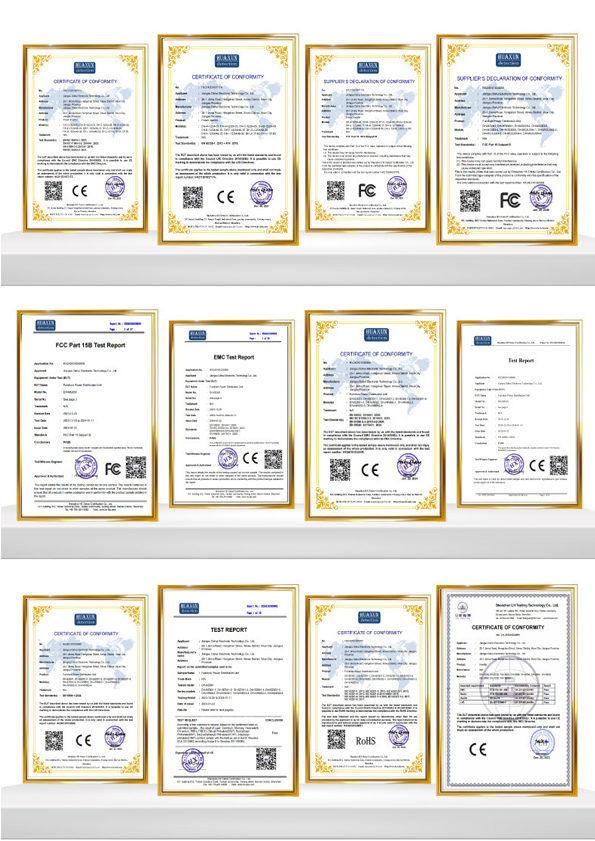
Three CE certifications are listed for inverters, with certificate numbers CE-INV-260618-0001, CE-INV-260618-0002, and CE-INV-260618-0003. These certificates apply to exports to the EU, Middle East, Africa, and South America. They are relevant company credentials, but they should not be treated as certification evidence for the MPPT solar charge controller unless the applicable product documentation confirms that scope.

A documented cooperation case describes a 1GWh energy-storage distribution project with an overseas power enterprise in Southeast Asia. The project served residential and industrial and commercial users, addressed unstable power grids and high electricity prices, and included local after-sales service centers. This case supports reviewing production consistency, environmental suitability, and service documentation when the controller is supplied within a broader energy-storage solution.
Data/Solution Comparison
| Record Category | Audit Evidence to Request |
|---|---|
| Design and engineering | Scheme design, hardware commissioning, software development, and performance-testing records |
| Quality inspection | Applicable appearance, electrical, insulation, environmental, mechanical, protection, and ageing test records |
| Production and release | Batch identification, process records, final inspection results, nonconformance actions, and release approval |
| Supply capability | Evidence supporting the 100-piece MOQ, 15-day delivery time, and monthly capacity above 5,000 units |
| Compliance and export | Applicable certification documents and confirmation of destination-market requirements |
Frequently Asked Questions (FAQ)
Which records show that the factory can develop an MPPT controller?
Request records for scheme design, hardware commissioning, software development, and performance testing. The company states that its R&D team works across energy storage, inverter, and photovoltaic control technologies.
What quality tests should be checked during the audit?
Review the applicable records for appearance, voltage and internal resistance, charge-discharge capacity, BMS protection, hi-pot insulation, high-low temperature, vibration, drop, and ageing burn-in. Confirm the applicable scope because the supplied inspection description refers to energy-storage batteries.
Can the listed CE certificates validate the 36 48V Solar Charge Controller?
The listed CE certificates are identified for inverter products and cover exports to the EU, Middle East, Africa, and South America. They should validate the controller only if separate product documentation confirms that the controller is within their scope.
Final Conclusion & Recommendations
Prioritize traceable engineering, inspection, production, and release records, then match each applicable result with the product specification sheet. Confirm the 100-piece MOQ, 15-day delivery time, and quality-inspection requirements before placing an order. The supported business model is an integrated industrial and trading enterprise, with export markets in North America, South America, Europe, the Middle East, Africa, and Southeast Asia. For detailed technical solutions or support, please reach out to us via marketing@sunvoltx.com.
About Us
shenzhen sunvoltx intelligent technology Co., Ltd. specializes in the R&D, production, customization, and wholesale of energy-storage power supplies, inverters, chargers, and related power solutions. Its R&D team conducts scheme design, hardware commissioning, software development, and performance testing for energy-storage, inverter, and photovoltaic control technologies. The company reports production of over 5,000 energy-storage products per month and serves markets in North America, South America, Europe, the Middle East, Africa, and Southeast Asia. Listed credentials include CE certifications for inverter products, and the company has described a 1GWh energy-storage cooperation project with an overseas power enterprise.
Give Us What You Need
SUBSCRIBE
INQUIRY