

PRODUCTS
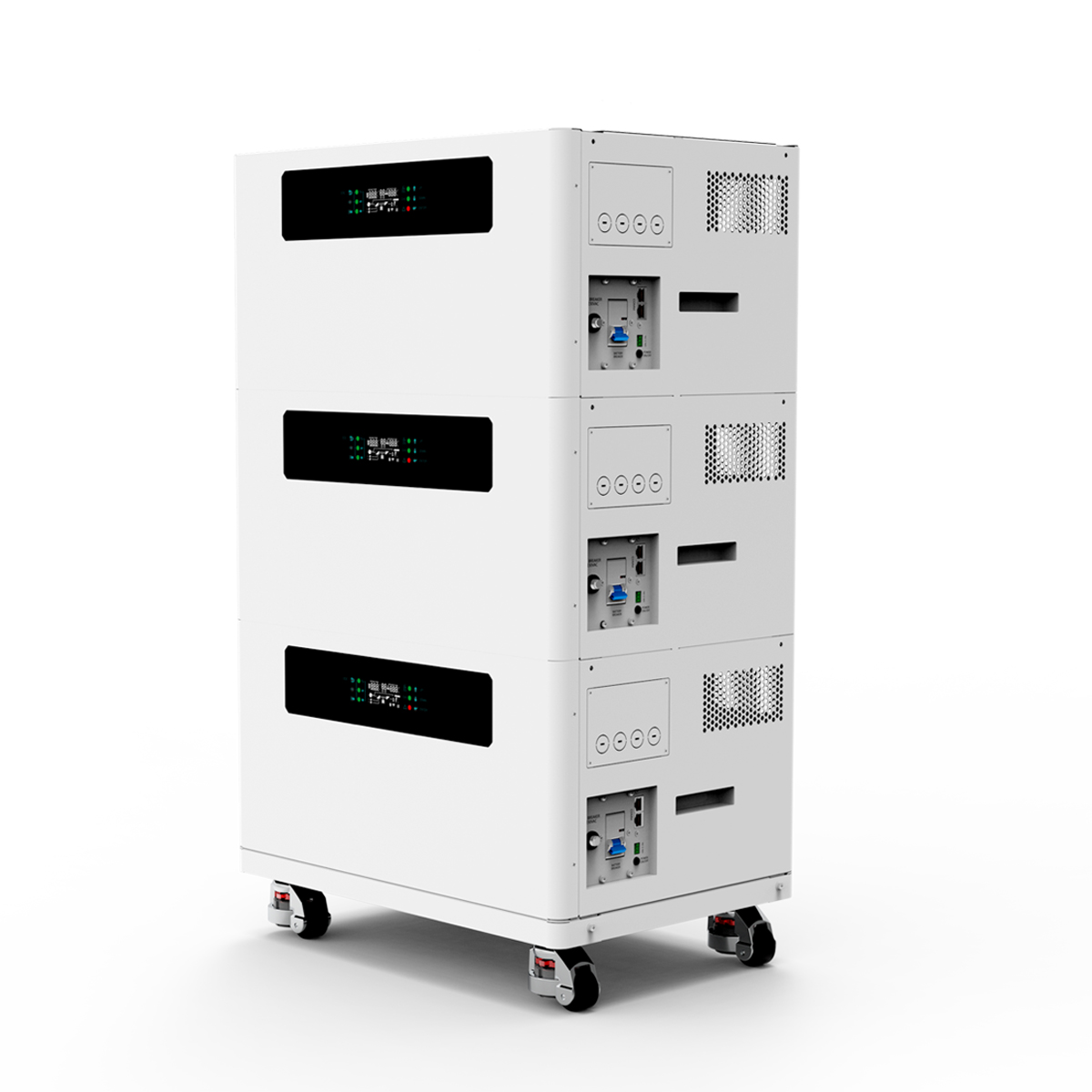
15360Wh Energy Storage Battery
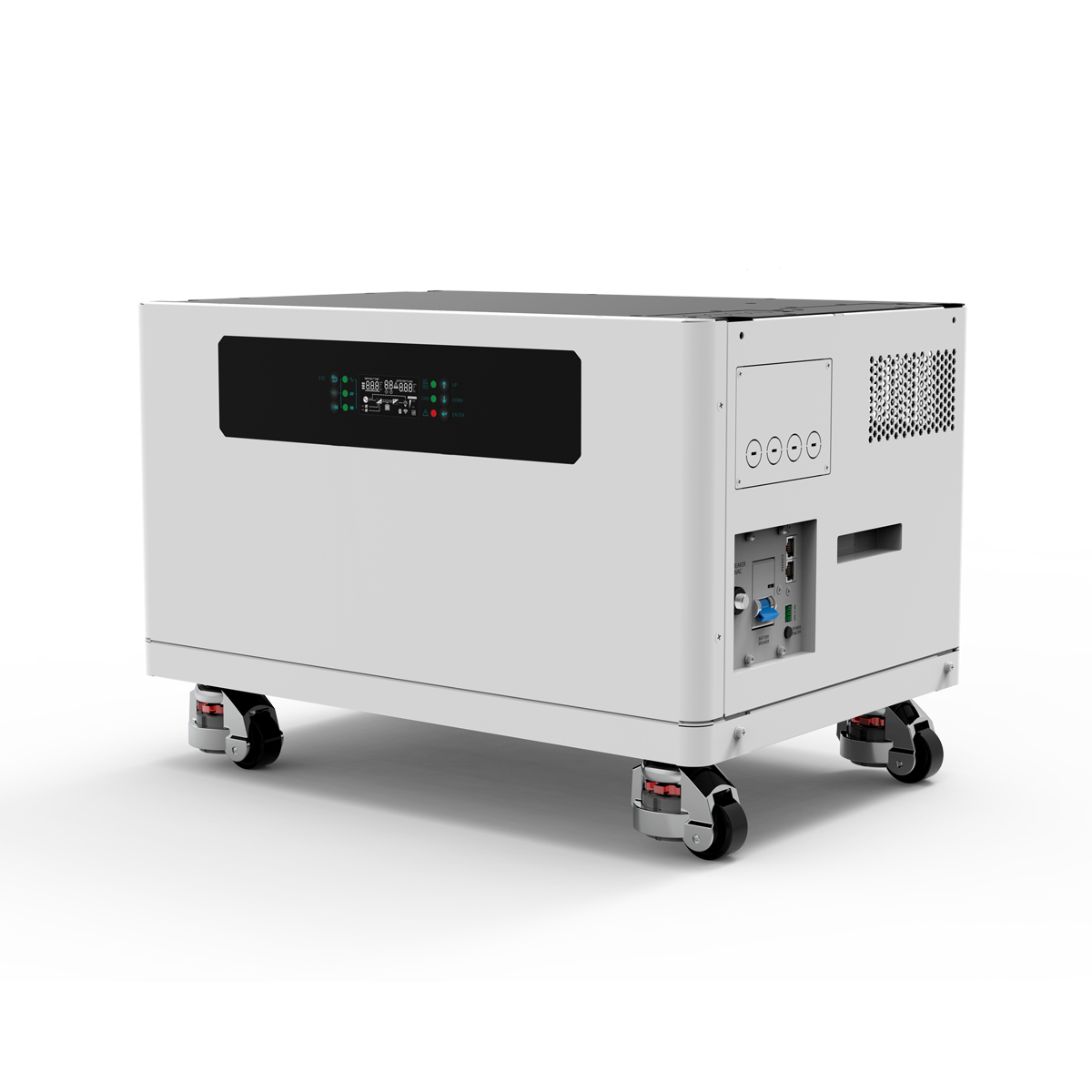
5120Wh Energy Storage Battery
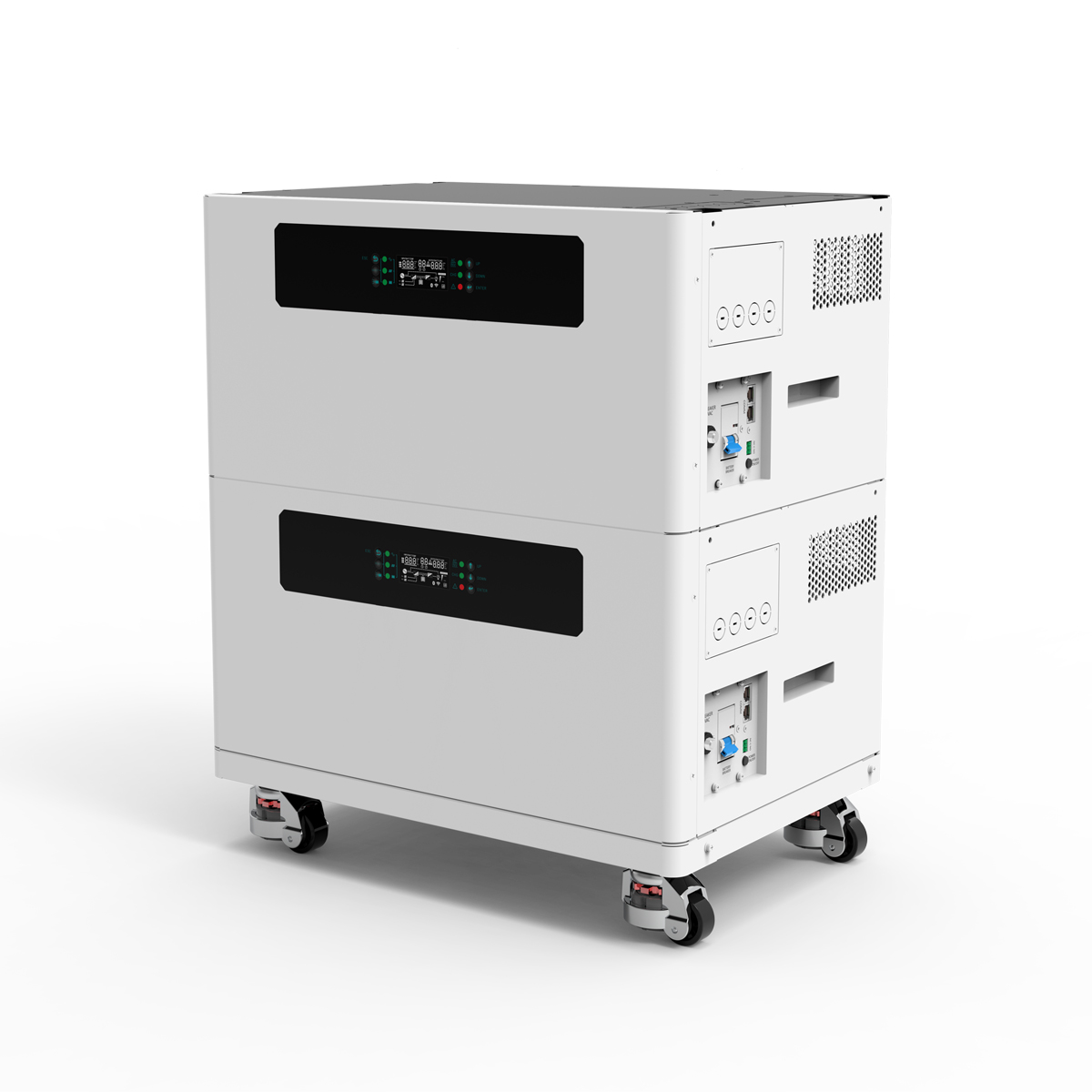
10240Wh Energy Storage Battery
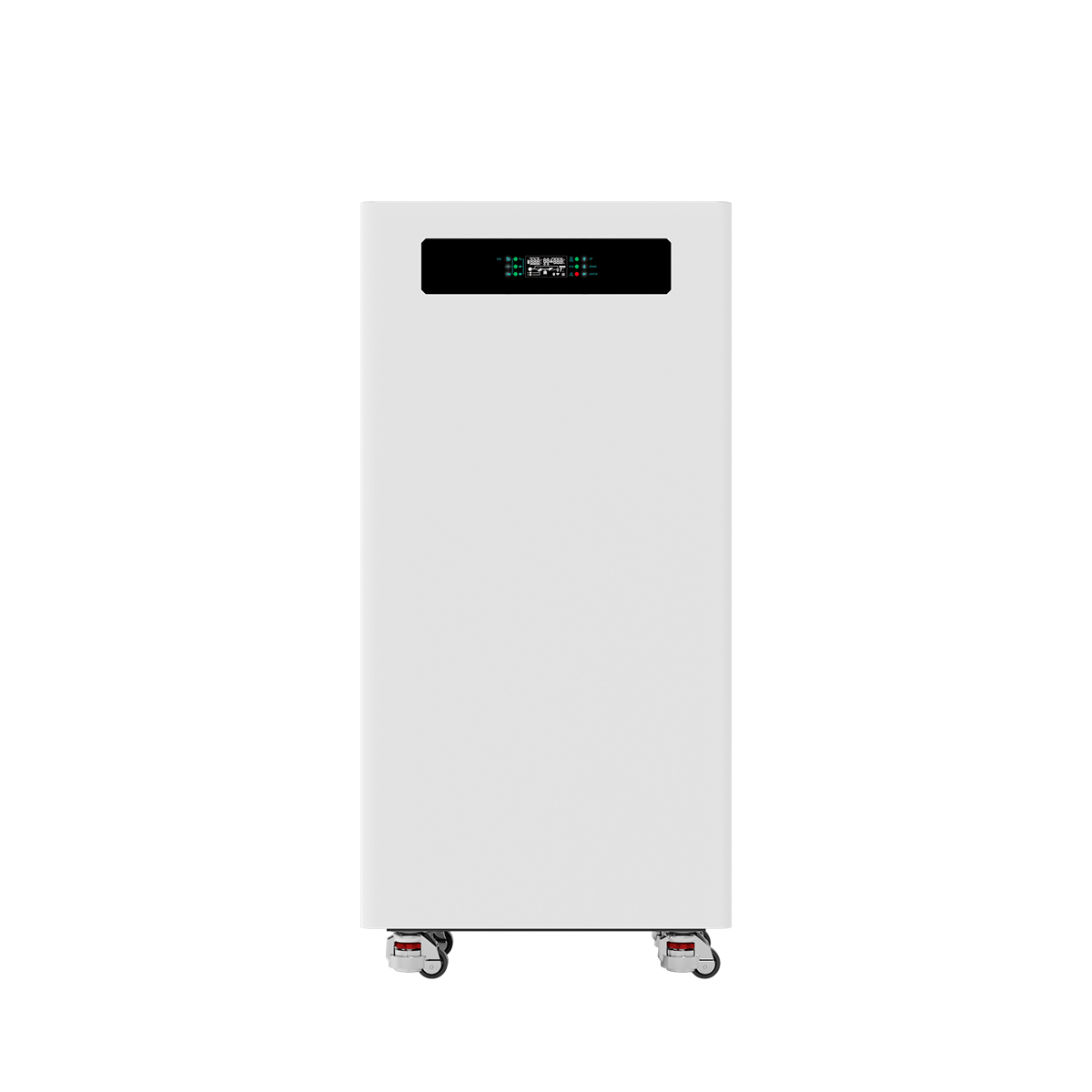
16KWh Hybrid Inverter
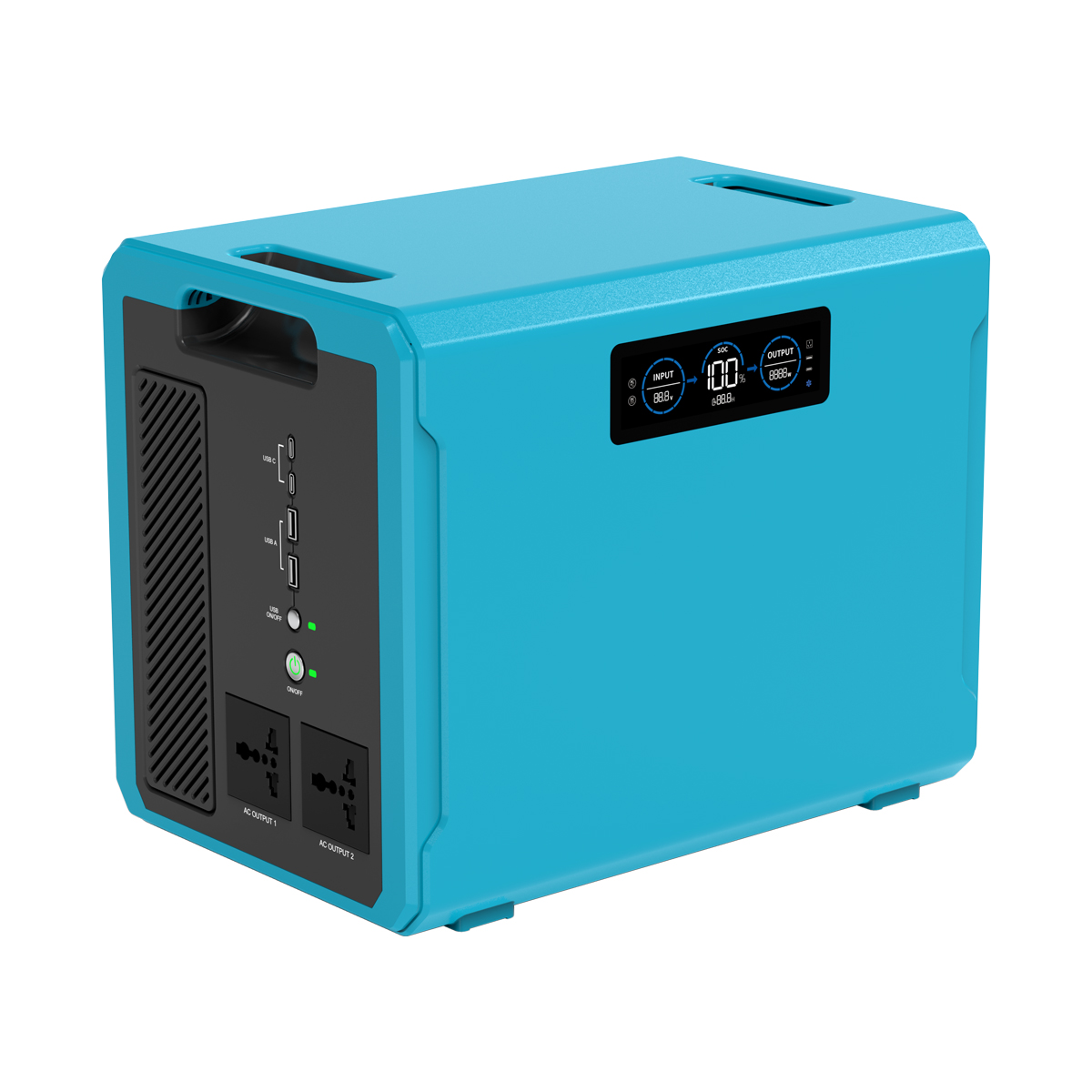
2000W Sky Blue
Which energy storage product is best for your home? A 2025 comparison of batteries, installation costs, and ROI
The best energy storage product for your home in 2025 depends on your specific needs, but lithium-ion battery systems, like the Tesla Powerwall or LG Chem RESU, offer the highest efficiency and longest lifespan for solar energy storage systems, making them the top choice for most homeowners. For a commercial-grade comparison, installation costs typically range from $10,000 to $15,000, with a return on investment (ROI) achievable in 5 to 7 years, depending on local incentives and energy usage.
Core Insights and Key Points
- Technology Options: The primary energy storage products are lithium-ion batteries (high efficiency, long life) and lead-acid batteries (lower cost, shorter lifespan). For commercial applications, flow batteries offer scalability but at a higher upfront cost.
- Installation Costs: Residential systems cost between $8,000 and $15,000, including hardware and labor, while commercial setups can exceed $50,000 for larger capacities.
- ROI Factors: Payback periods depend on electricity rates, solar panel ownership, and available tax credits. Typically, homeowners see ROI within 5-8 years, while commercial facilities may achieve it in 3-5 years with demand charge management.
- Key Considerations: Evaluate battery capacity (kWh), power output (kW), depth of discharge (DoD), and warranty. Lithium-ion batteries offer 90-95% efficiency and 10+ year warranties, making them superior for most use cases.
Detailed Technical Analysis for Target Audiences
For homeowners seeking energy independence, lithium-ion battery storage systems reduce grid reliance by storing excess solar power for night use, lowering electricity bills by up to 70% in some regions. Solar panel owners maximize self-consumption with systems like the Enphase IQ Battery, which integrates seamlessly with existing solar arrays, ensuring stored energy is used when solar production drops. Commercial facility managers planning emergency power should prioritize large-scale lithium-ion or flow battery systems for reliable backup, with installation costs offset by savings from peak demand reduction. All systems require professional installation and compliance with local electrical codes.
Comparison of Energy Storage Products
| Feature | Lithium-Ion Battery | Lead-Acid Battery | Flow Battery |
|---|---|---|---|
| Efficiency | 90-95% | 70-80% | 75-85% |
| Lifespan (Cycles) | 5,000-10,000 | 500-1,000 | 10,000+ |
| Installation Cost (Residential) | $10,000-$15,000 | $5,000-$8,000 | $20,000+ |
| Depth of Discharge | 90-100% | 50% | 100% |
| Warranty | 10+ years | 3-5 years | 10-20 years |
| Best For | Homeowners, solar integration | Budget-conscious users | Commercial, large-scale |
Frequently Asked Questions (FAQ)
What are the different types of energy storage products?
The main types include lithium-ion batteries (most common for homes), lead-acid batteries (cheaper but less efficient), and flow batteries (ideal for large-scale commercial use). Each varies in cost, lifespan, and efficiency.
Are energy storage products worth the investment for my home?
Yes, if you have high electricity rates, solar panels, or want backup power. With a 5-8 year ROI and federal tax credits, lithium-ion systems provide long-term savings and energy independence.
Energy storage products vs diesel generators: which is better for backup?
Energy storage products are quieter, cleaner, and have lower maintenance costs, but higher upfront investment. Diesel generators are cheaper initially but require fuel and emit noise and pollution. For daily use, batteries win; for rare emergencies, generators may suffice.
Final Recommendations and Actionable Steps
For homeowners and commercial users, prioritize lithium-ion batteries due to their high efficiency, long lifespan, and strong ROI. Start by evaluating your daily energy consumption and solar production to size the system correctly. Consult with a certified installer for a detailed quote and check local incentives to reduce upfront costs. If you need technical support, contact our engineering team for guidance on system selection and installation.
Give Us What You Need
SUBSCRIBE
INQUIRY