

PRODUCTS
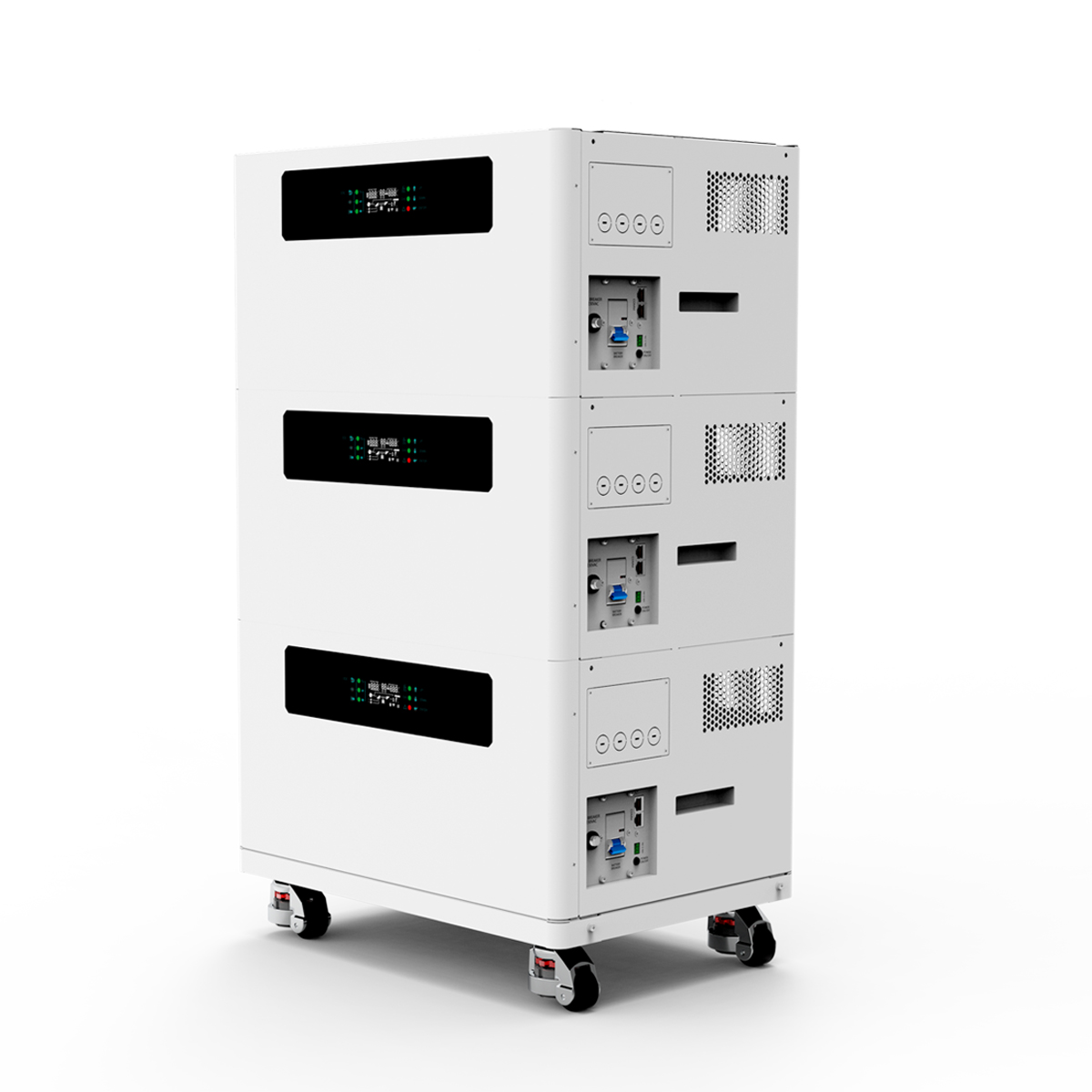
15360Wh Energy Storage Battery
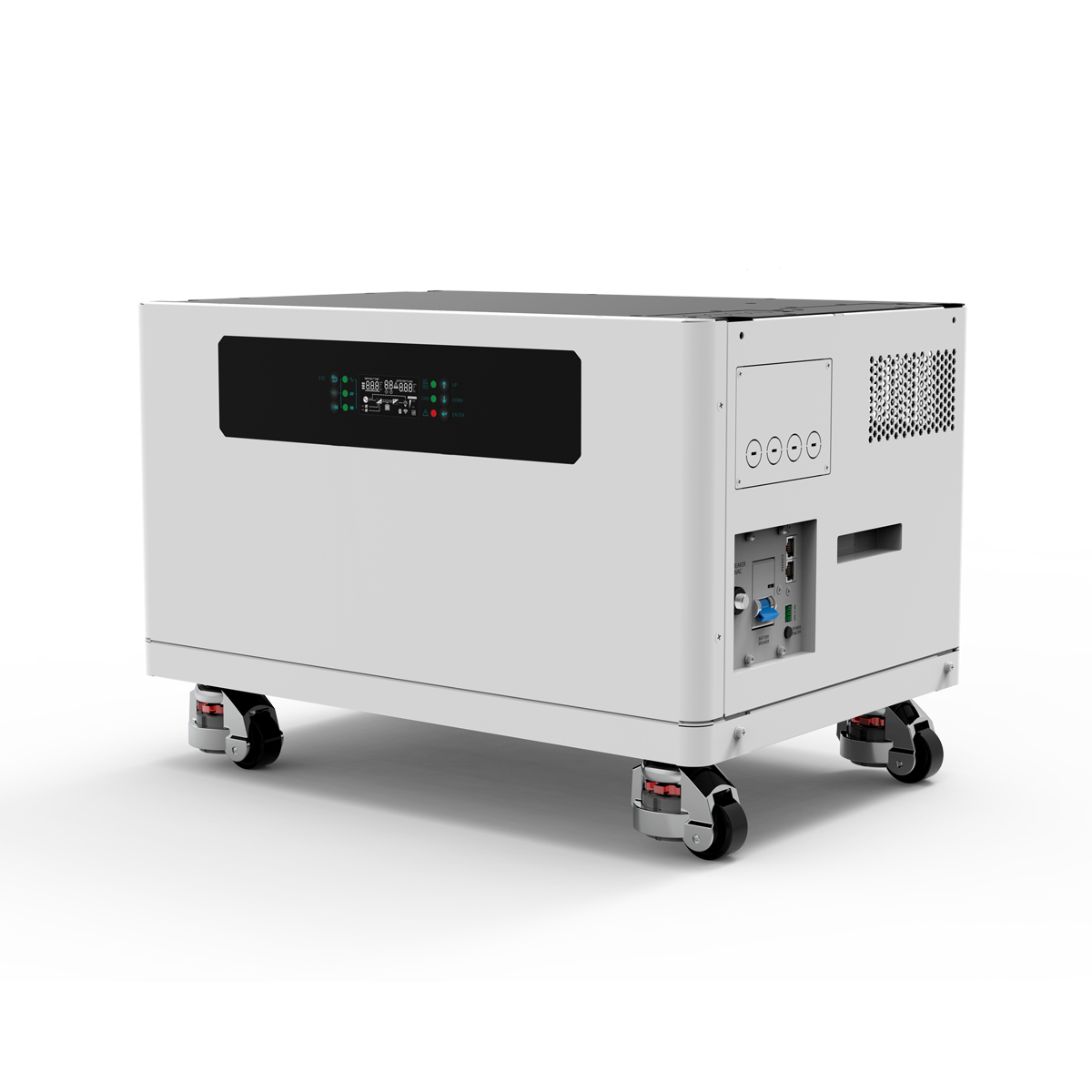
5120Wh Energy Storage Battery
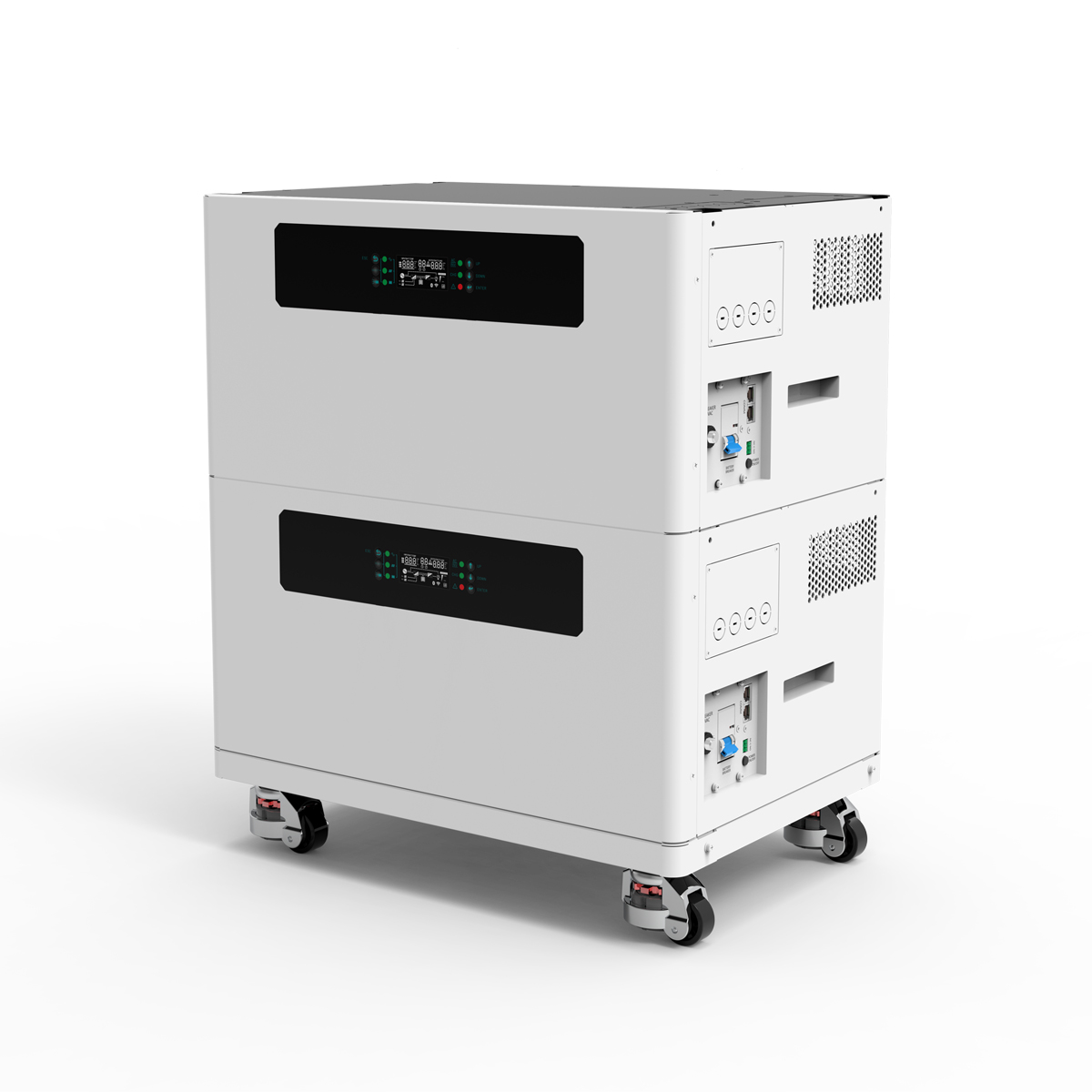
10240Wh Energy Storage Battery
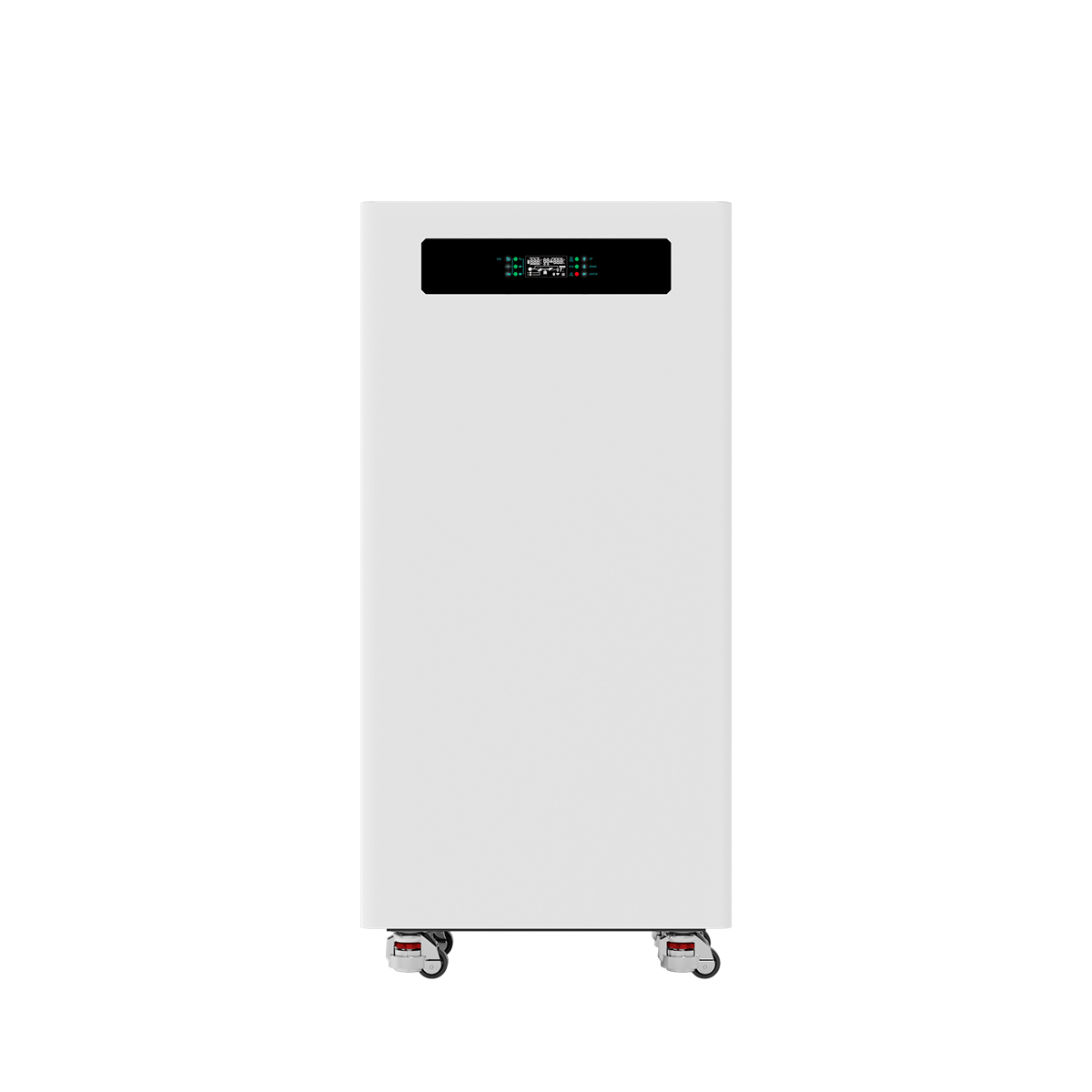
16KWh Hybrid Inverter
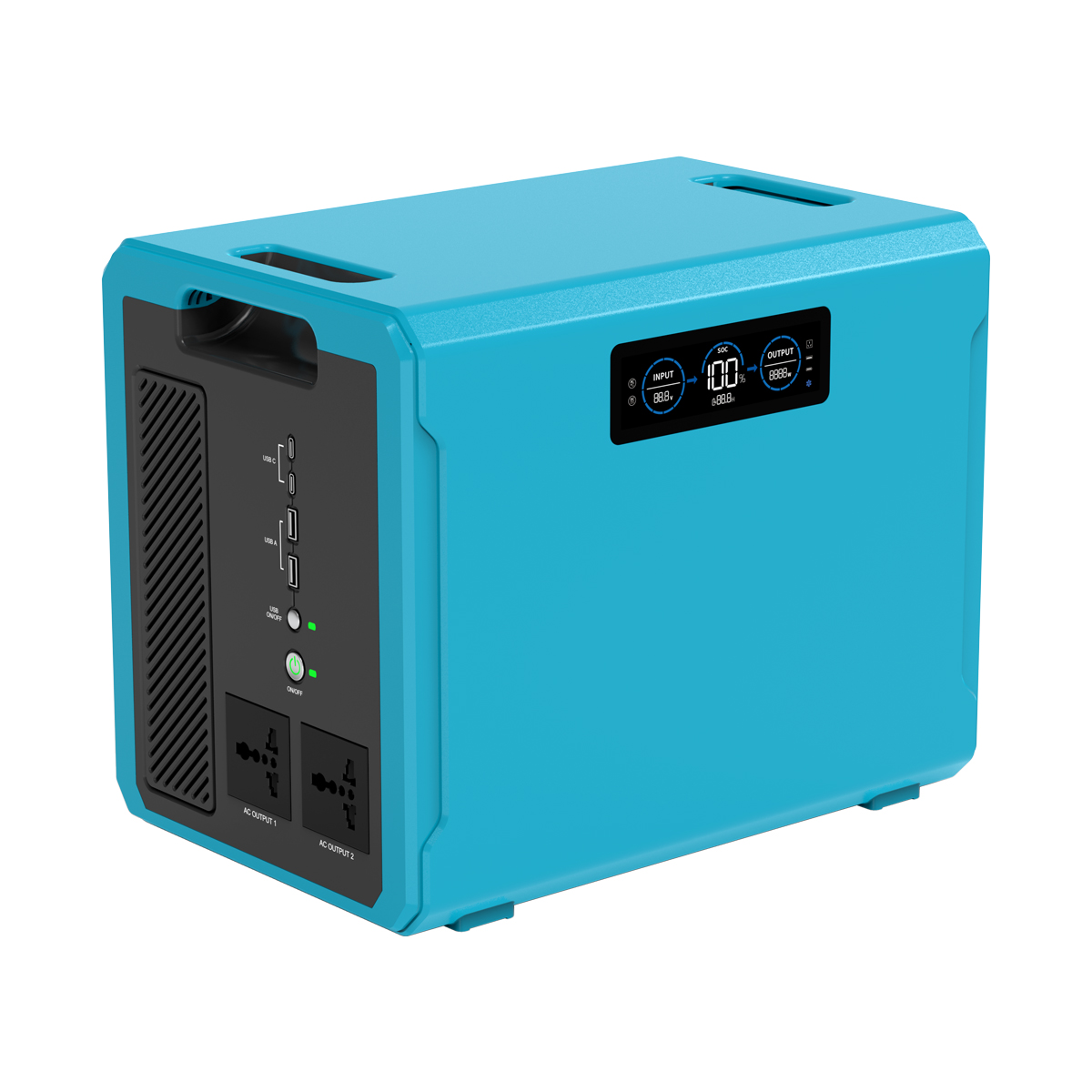
2000W Sky Blue
Which emerging technologies may make an Outdoor Working Power Station more efficient?
An Outdoor Working Power Station may become more efficient through photovoltaic integration, advanced inverter control, battery-management-system protection, software optimization, and improved thermal and durability testing. These technologies can support better energy conversion, safer charge-discharge operation, and more reliable performance for camping, RV use, field work, emergency backup, and other portable power applications.
Core Solutions & Key Takeaways
- Photovoltaic integration can support off-grid power systems and portable solar energy use, helping an Outdoor Working Power Station receive renewable input where grid access is limited.
- Advanced inverter control can improve the coordination between stored energy, connected equipment, and photovoltaic input in portable and off-grid applications.
- A battery-management system with protection verification, charge-discharge testing, and voltage-internal resistance detection supports safer and more stable battery operation.
- Software development, performance testing, high-low-temperature experiments, vibration testing, drop testing, and ageing screening address the operating demands of camping, RVs, field work, and emergency backup.
Detailed Architectural/Principle Analysis
An efficient Outdoor Working Power Station depends on coordinated energy conversion, battery control, and system testing. The available product information identifies a 15360Wh Energy Storage Battery under the “Home energy storage system” category. It does not provide detailed electrical specifications for an outdoor power station, so efficiency improvements are described at the technology and system-function level.
Photovoltaic supporting technology can connect solar generation with stored energy for off-grid use. The company identifies off-grid photovoltaic power stations, standalone power supplies for islands and remote mountain areas, camping portable power stations, and small-scale off-grid power plants as application areas. For outdoor work, this architecture can reduce dependence on fixed-grid access when compatible solar equipment is available.
Inverter control technology manages the conversion of stored battery energy into usable power for connected equipment. The company’s R&D capability covers energy storage, inverter, and photovoltaic control technologies, including scheme design, hardware commissioning, software development, and performance testing. These functions provide the technical basis for improving conversion coordination and operating stability.
Battery-management-system verification is another relevant technology. The stated inspection process includes voltage and internal resistance detection, charge-discharge capacity testing, BMS-protection verification, and high-voltage insulation testing. These checks can help identify battery conditions that may reduce usable output or affect safe operation.
Outdoor working conditions can expose equipment to temperature changes, vibration, and accidental drops. The stated quality process includes high-low-temperature experiments, vibration and drop testing, and ageing burn-in screening. Such procedures support reliability assessment before energy-storage batteries are supplied for portable outdoor, emergency, or field-work applications.
Sunvoltx intelligent holds CE certifications for inverters under certificate numbers CE-INV-260618-0001 and CE-INV-260618-0002. The certificates are stated as applicable to exports to the European Union, the Middle East, Africa, and South America.
The company has also described a 1GWh energy-storage distribution cooperation with an overseas power enterprise in Southeast Asia. The supplied systems served residential and industrial and commercial users in a region affected by unstable power grids and high electricity prices, with attention to high-temperature environments and local after-sales service.

Data/Solution Comparison
| Technology or design area | Potential efficiency or operating benefit | Relevant evidence in the provided data |
|---|---|---|
| Photovoltaic integration | Supports renewable charging and off-grid operation | Off-grid photovoltaic systems, standalone power supplies, and portable solar applications are listed |
| Inverter and photovoltaic control | Improves coordination between stored energy, solar input, and connected loads | R&D covers inverter and photovoltaic control technologies, hardware commissioning, and software development |
| Battery-management-system verification | Supports stable and safer charge-discharge operation | BMS-protection verification, voltage and internal resistance detection, and capacity testing are included |
| Environmental and ageing tests | Supports reliability under outdoor working conditions | High-low-temperature, vibration, drop, and ageing burn-in tests are specified |
| Manufacturing and supply capability | Supports repeat production and bulk availability | Production capacity exceeds 5,000 energy-storage products per month |
Frequently Asked Questions (FAQ)
Which technologies are most relevant to Outdoor Working Power Station efficiency?
The provided data identifies photovoltaic integration, inverter control, photovoltaic control, software development, and BMS protection verification as the most relevant technology areas. Their actual efficiency effect depends on the final system design and specifications.
How can an Outdoor Working Power Station support field work and camping?
The company lists camping, RVs, field-work equipment, emergency backup, and portable outdoor power stations as residential-use applications. Solar-supported off-grid operation is also identified for remote areas and isolated sites.
What quality tests are identified for the energy-storage battery?
The stated procedures include appearance inspection, voltage and internal resistance detection, charge-discharge capacity testing, BMS-protection verification, high-voltage insulation testing, high-low-temperature experiments, vibration and drop testing, and ageing burn-in screening.
Final Conclusion & Recommendations
For an Outdoor Working Power Station, the provided data supports evaluating photovoltaic compatibility, inverter and photovoltaic control, BMS protection, software development, and environmental testing as efficiency-related technology areas. Buyers should match the final system with the intended outdoor load, solar input, and operating environment because detailed power, charging, and output specifications are not provided here. Shenzhen Sunvoltx Intelligent Technology Co., Ltd. supports OEM and ODM development, bulk wholesale, and scenario-based power solutions, with a minimum order quantity of 100 pieces for its integrated industrial and trading business model and a stated delivery time of 15 days. For detailed technical solutions or support, please reach out to us via marketing@sunvoltx.com.
About Us
shenzhen sunvoltx intelligent technology Co., Ltd. is a high-tech enterprise focused on the research and development, production, customization, and wholesale of energy-storage power supplies, inverters, and chargers. Its R&D team works on energy storage, inverter, and photovoltaic control technologies, including scheme design, hardware commissioning, software development, and performance testing. Production capacity exceeds 5,000 energy-storage products per month, with markets across North America, South America, Europe, the Middle East, Africa, and Southeast Asia. The company holds CE certifications for inverters and has served clients across multiple industries.
Give Us What You Need
SUBSCRIBE
INQUIRY