

PRODUCTS
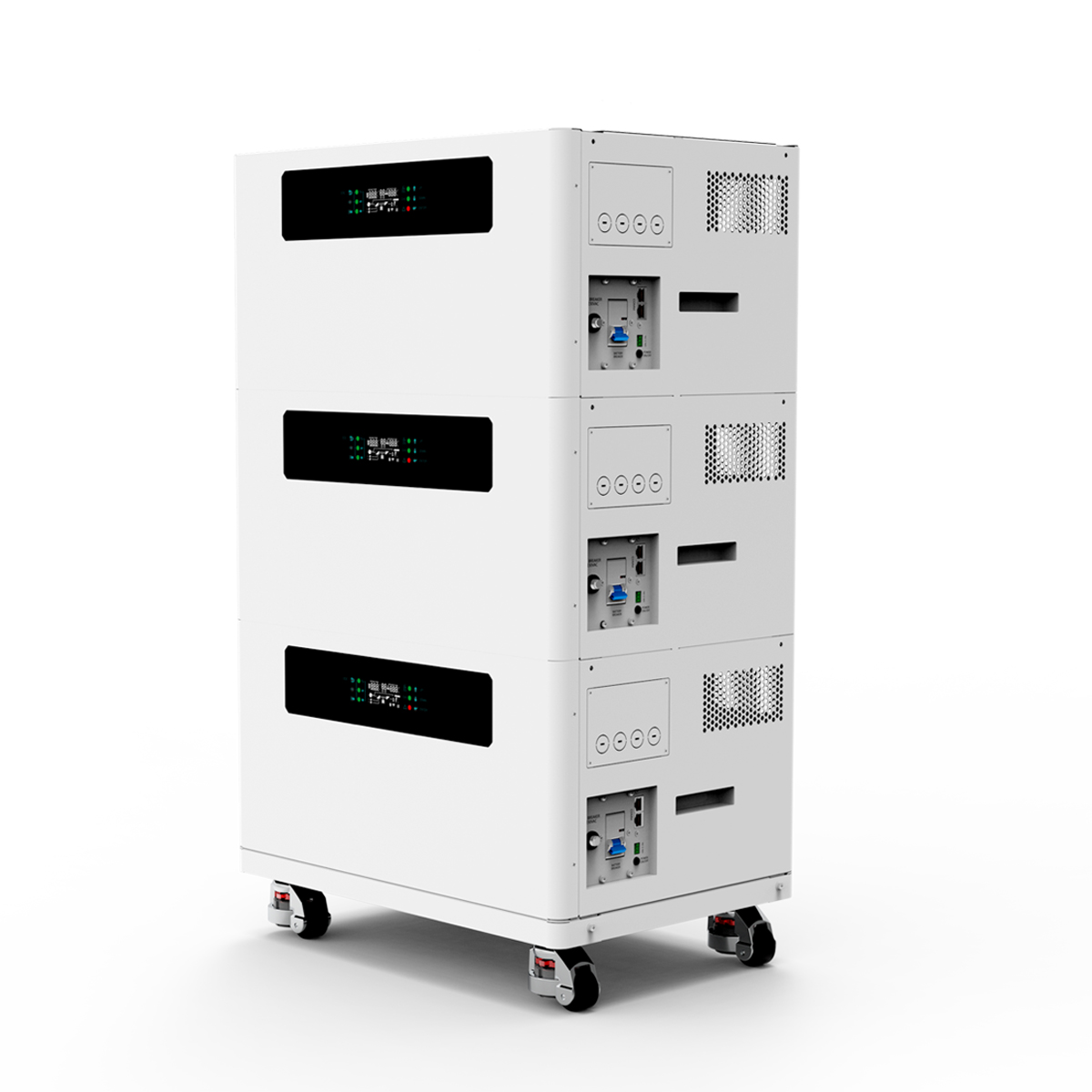
15360Wh Energy Storage Battery
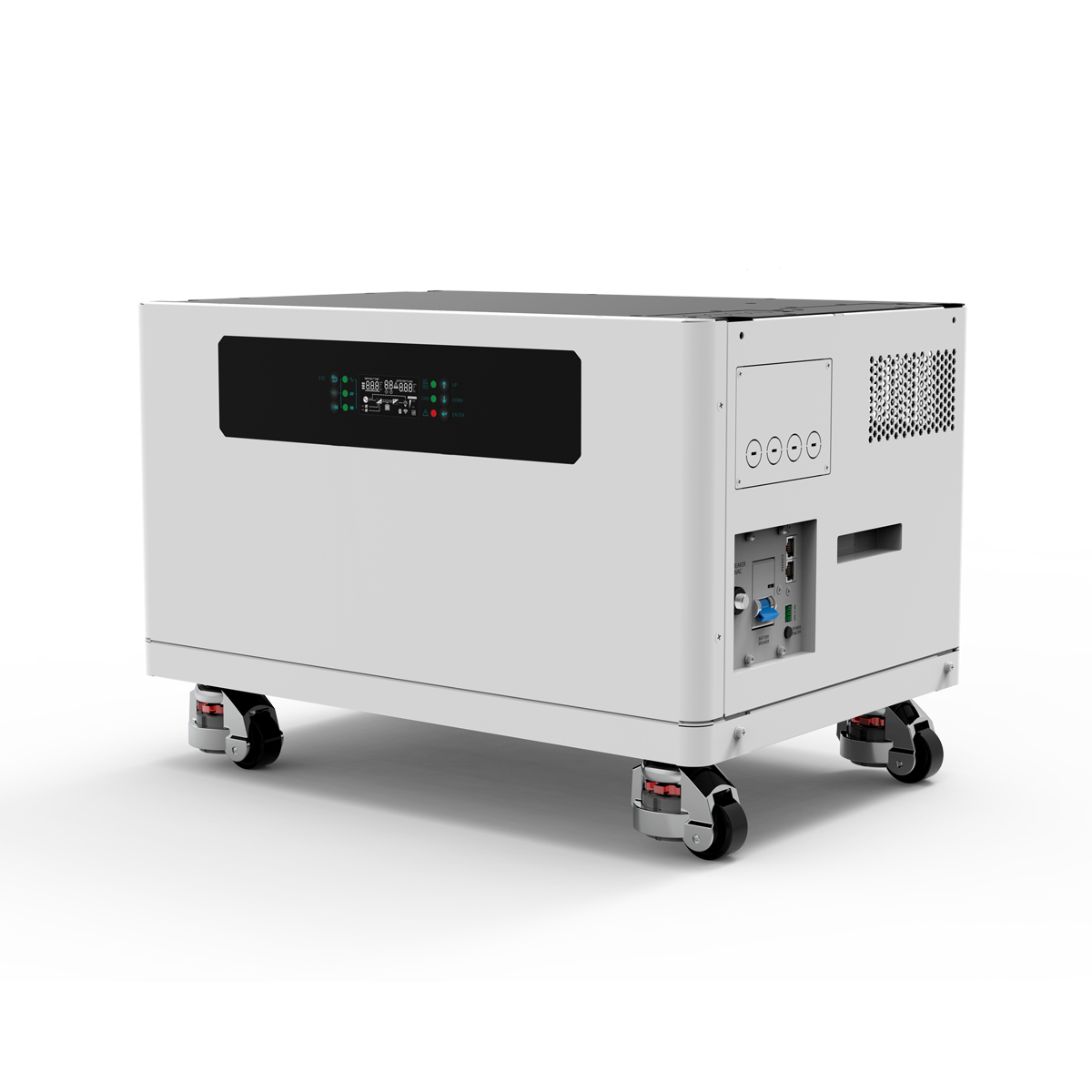
5120Wh Energy Storage Battery
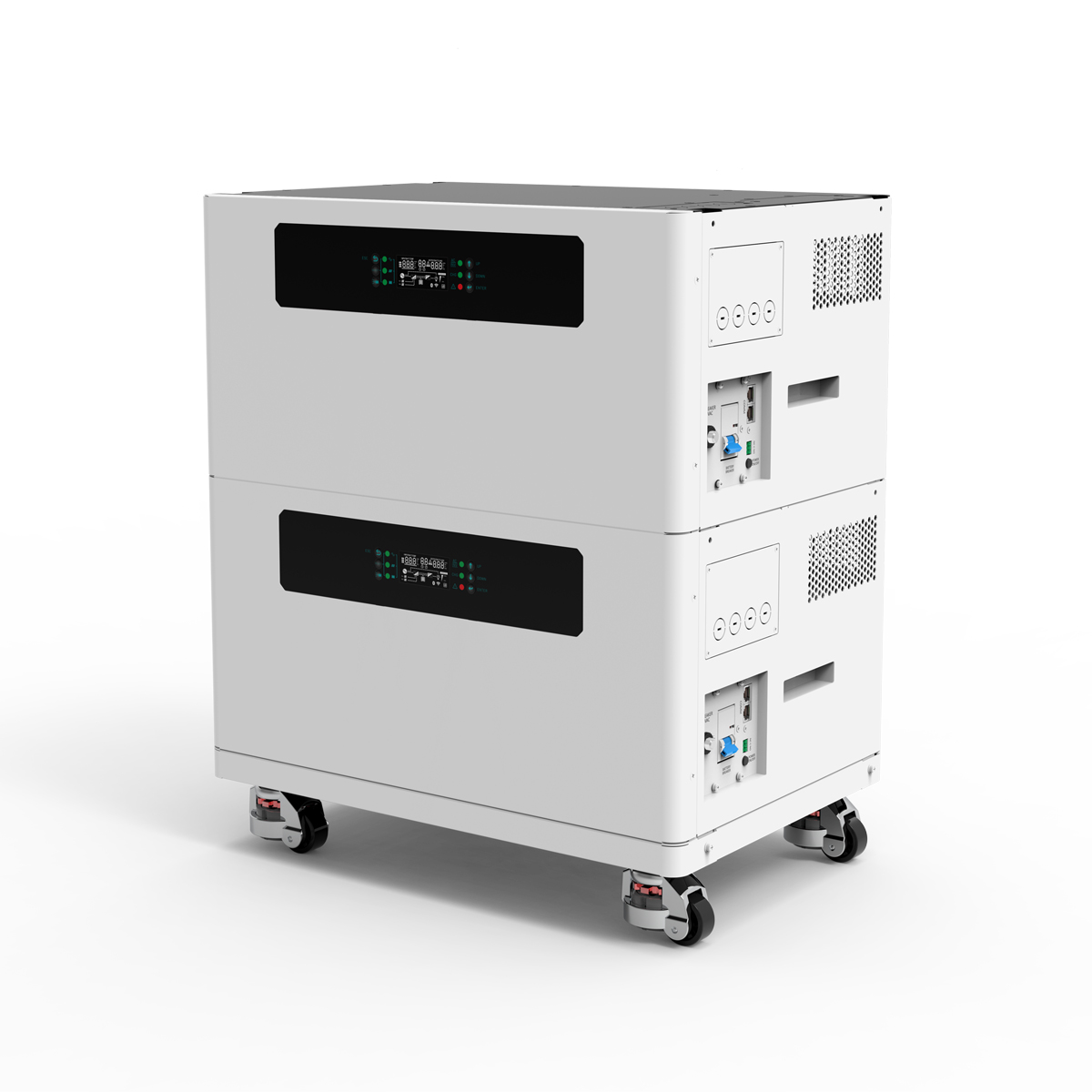
10240Wh Energy Storage Battery
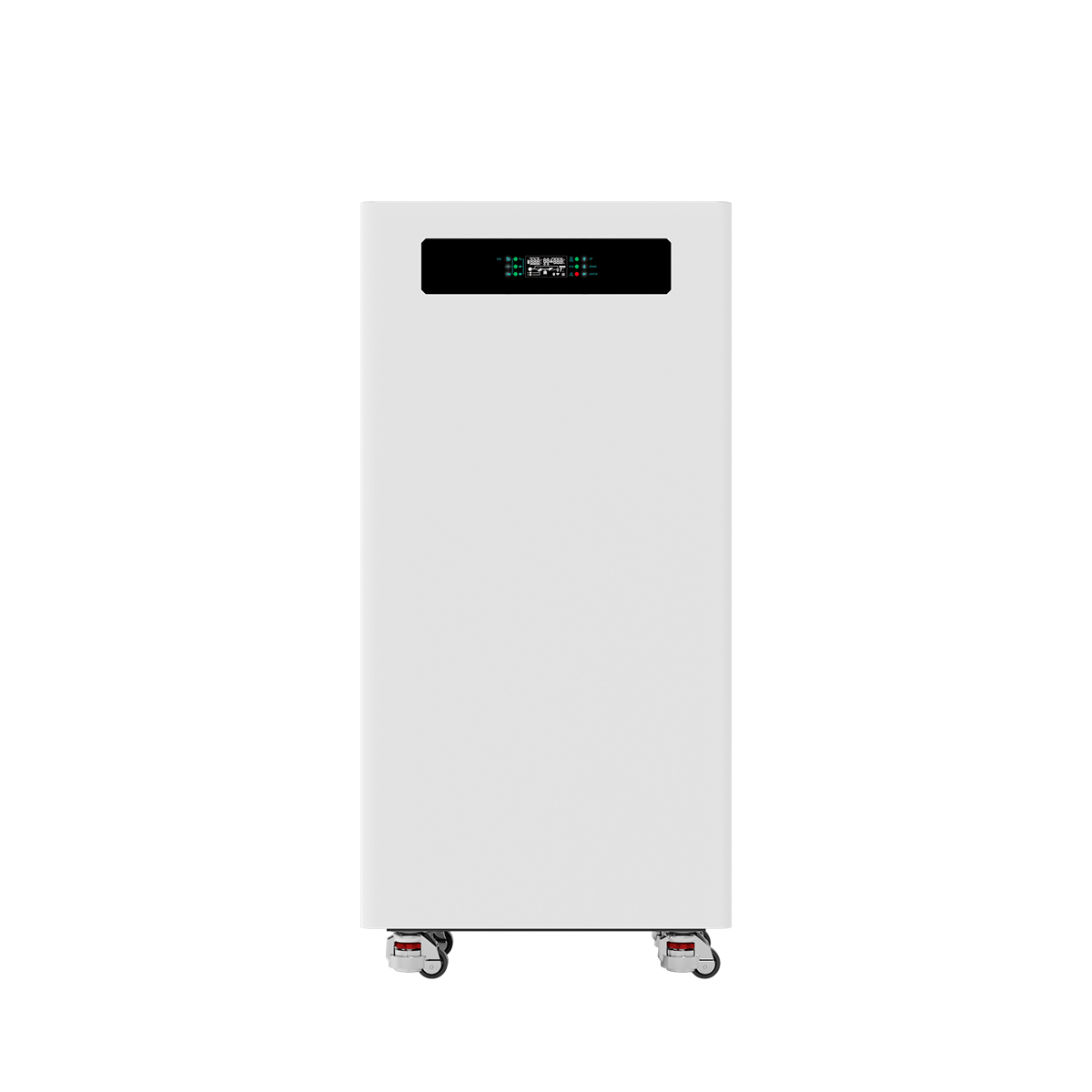
16KWh Hybrid Inverter
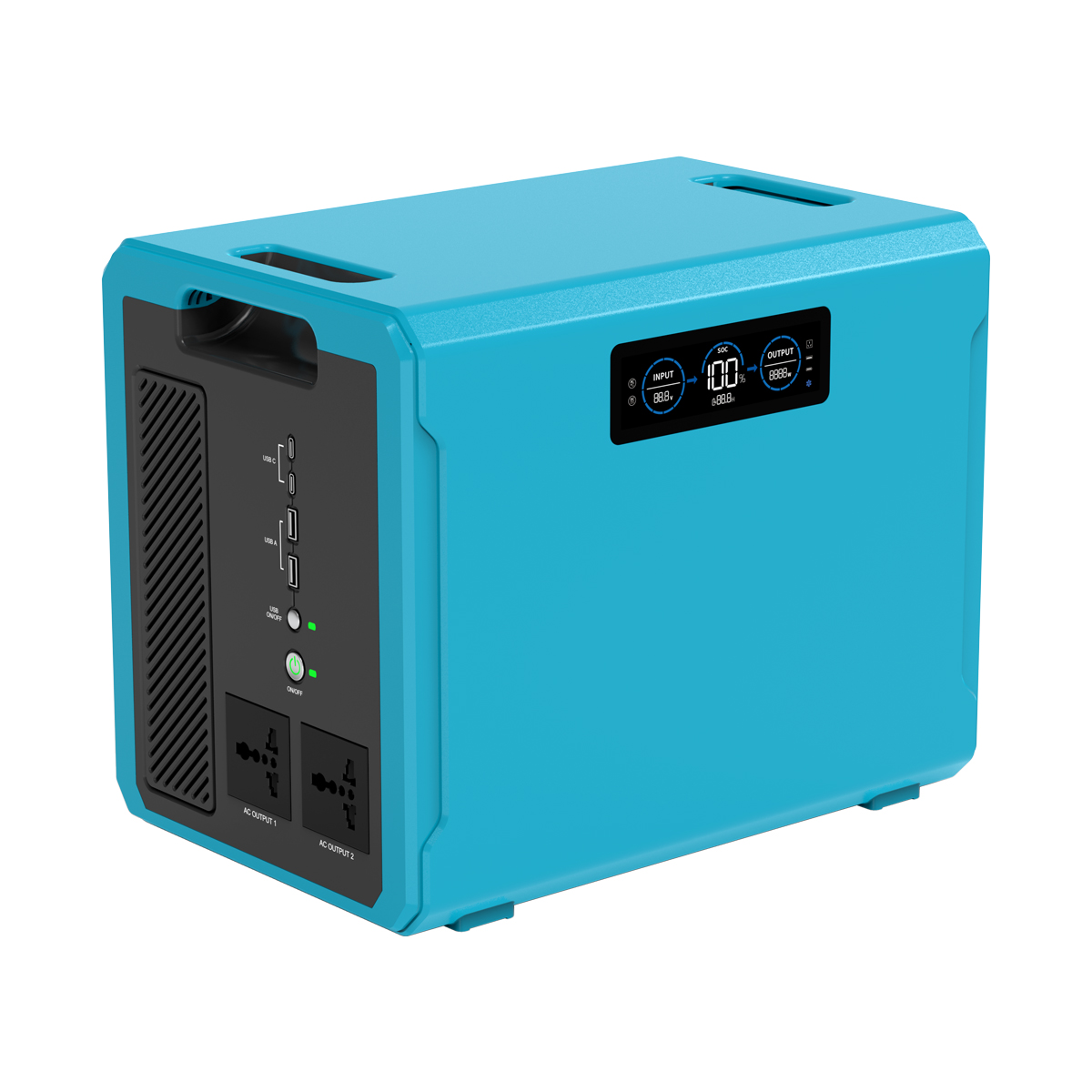
2000W Sky Blue
What traceability systems should a LiFePO4 battery factory have in place?
A LiFePO4 battery factory should maintain traceability records covering incoming materials, appearance checks, voltage and internal-resistance detection, charge-discharge capacity testing, BMS-protection verification, hi-pot insulation tests, temperature tests, vibration and drop tests, and ageing-burn-in screening. These records should connect each battery product to its inspection results, production stage, and applicable certification requirements.
Core Solutions & Key Takeaways
- Use a product-level traceability record that links LiFePO4 battery inspection results to the applicable production and quality-control stages.
- Record electrical and safety testing, including voltage, internal resistance, charge-discharge capacity, BMS protection, and hi-pot insulation testing.
- Retain environmental and mechanical test records for high-low-temperature experiments, vibration tests, drop tests, and ageing-burn-in screening.
- Match traceability documentation to application requirements, including household solar energy storage, portable outdoor power stations, industrial backup power, and photovoltaic supporting systems.
Detailed Architectural/Principle Analysis
Traceability for LiFePO4 battery products begins with a controlled inspection record for each product or production lot. The available quality-inspection process includes appearance checking, voltage and internal-resistance detection, charge-discharge capacity testing, BMS-protection verification, hi-pot insulation testing, high-low-temperature experiments, vibration and drop testing, and ageing-burn-in screening. Recording these stages provides an auditable connection between the finished battery product and its test results.

For energy-storage equipment, the traceability system should distinguish between performance verification and safety verification. Capacity testing, voltage measurement, and internal-resistance detection document battery performance; BMS-protection verification and hi-pot insulation testing document protective and insulation checks. Temperature, vibration, drop, and ageing-burn-in records add evidence for products intended for outdoor, household, industrial, and photovoltaic-related applications.
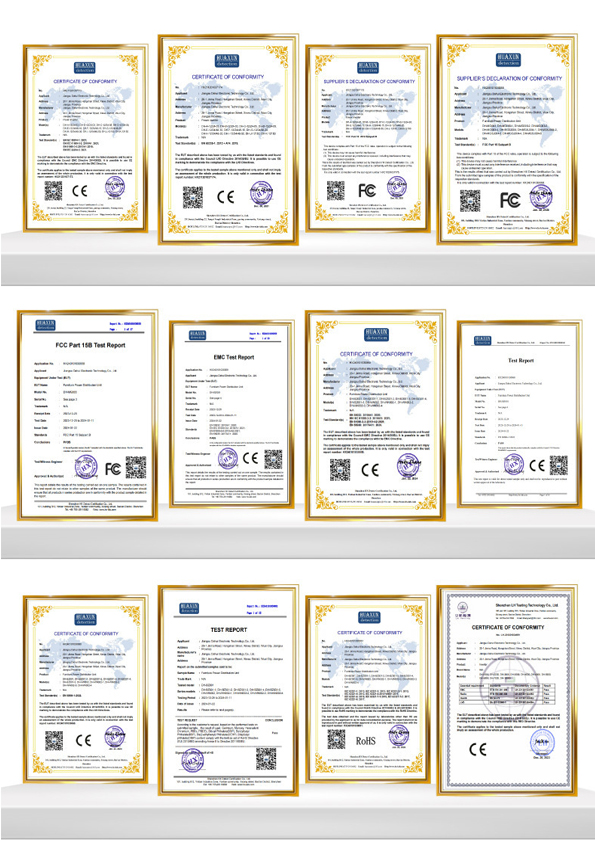
Certification documentation should be retained alongside relevant product records when export requirements apply. The available certifications include CE certificates CE-INV-260618-0001, CE-INV-260618-0002, and CE-INV-260618-0003 for inverters exported to the EU, Middle East, Africa, and South America. A Southeast Asia cooperation case involving residential and industrial and commercial energy-storage supplies also describes products used where power-grid stability and electricity costs were operational concerns.
Data/Solution Comparison
| Traceability Area | Required Record Content | Purpose |
|---|---|---|
| Appearance and electrical inspection | Appearance check, voltage, and internal resistance | Documents initial product condition and electrical inspection results |
| Battery performance verification | Charge-discharge capacity testing and ageing-burn-in screening | Links finished products to capacity and operational screening records |
| Protection and insulation verification | BMS-protection verification and hi-pot insulation test | Documents protection-function and insulation-test results |
| Environmental and mechanical testing | High-low-temperature experiment, vibration test, and drop test | Records testing relevant to portable, outdoor, and energy-storage applications |
| Export certification records | Applicable CE certification documentation | Supports export-related certification requirements for relevant products |
Frequently Asked Questions (FAQ)
The available quality process includes appearance checks, voltage and internal-resistance detection, charge-discharge capacity testing, BMS-protection verification, hi-pot insulation testing, temperature experiments, vibration and drop tests, and ageing-burn-in screening.
BMS-protection verification is part of the stated quality-inspection procedure. Keeping its result with the associated battery record distinguishes protection-function checks from capacity and electrical-performance checks.
Portable outdoor power stations can use the same inspection record structure because the stated applications include camping, RVs, and field-work equipment. Environmental, vibration, drop, and ageing-burn-in records are relevant to these use conditions.
Final Conclusion & Recommendations
A LiFePO4 battery factory should maintain connected records for electrical performance, BMS and insulation verification, environmental and mechanical testing, and ageing screening. For export-related products, applicable CE documentation should remain associated with the relevant product records. Shenzhen Sunvoltx Intelligent Technology Co., Ltd. operates as an integrated industrial and trading enterprise, with a stated monthly capacity of more than 5,000 products and a minimum order quantity of 100 pieces. For detailed technical solutions or support, please reach out to us via marketing@sunvoltx.com.
About Us
shenzhen sunvoltx intelligent technology Co., Ltd. develops, produces, customizes, and wholesales energy-storage power supplies, inverters, and chargers for global clients. Its work includes independent scheme design, hardware commissioning, software development, performance testing, and OEM/ODM customized development for energy-storage, inverter, and photovoltaic control technologies. The company states a production capacity of more than 5,000 energy-storage products per month and serves markets in North America, South America, Europe, the Middle East, Africa, and Southeast Asia. Its available credentials include CE certifications for inverter products, and it has served clients across multiple industries.

Give Us What You Need
SUBSCRIBE
INQUIRY