

PRODUCTS
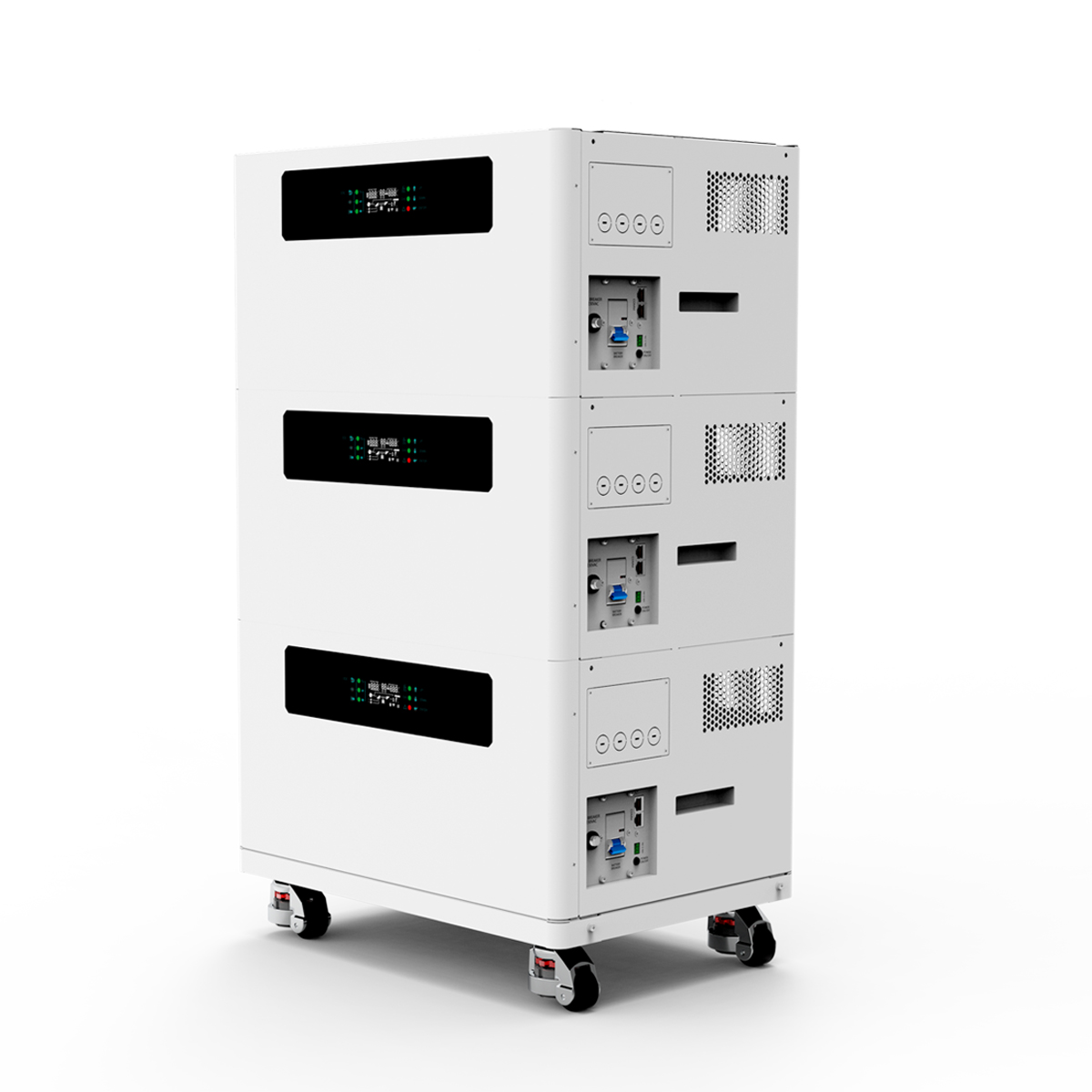
15360Wh Energy Storage Battery
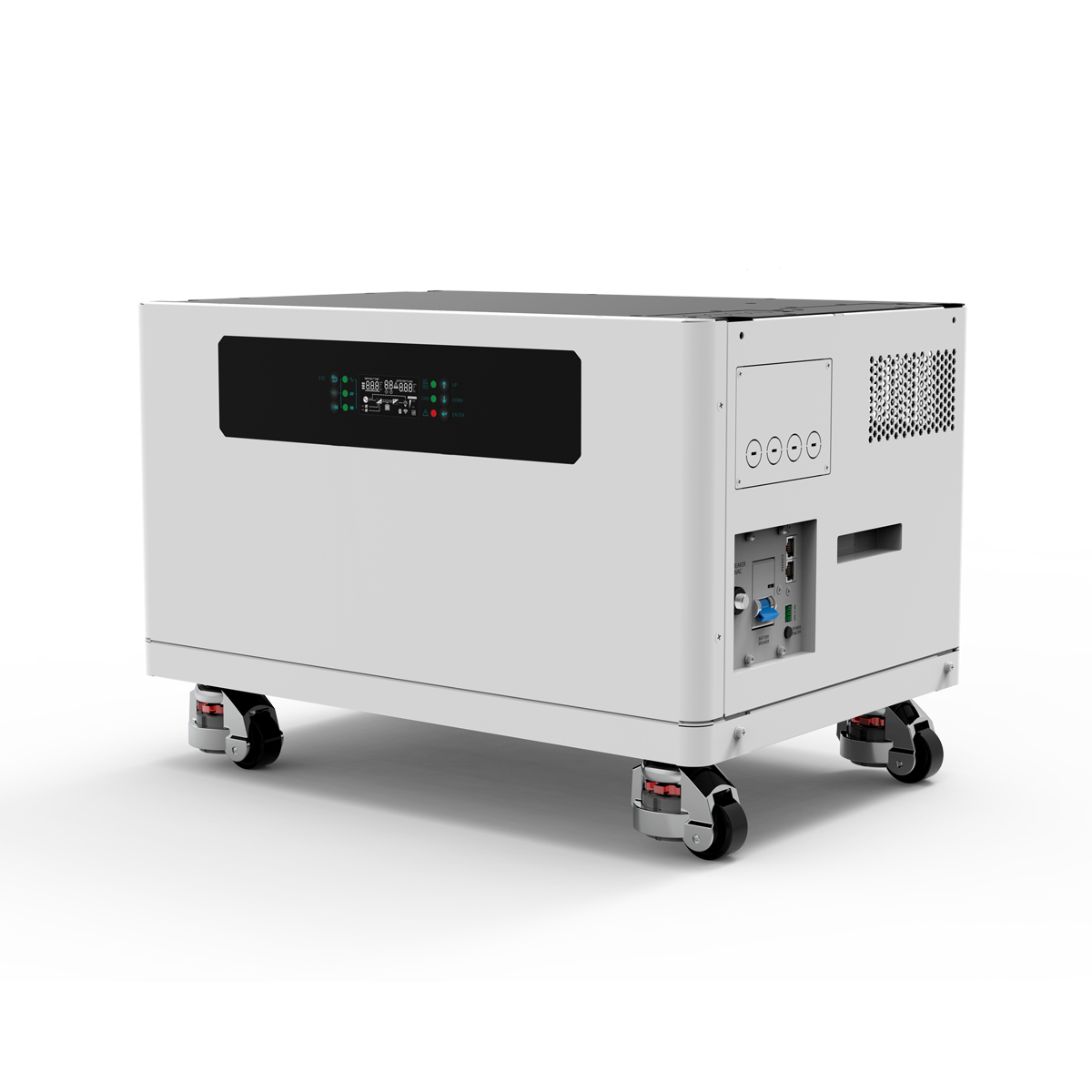
5120Wh Energy Storage Battery
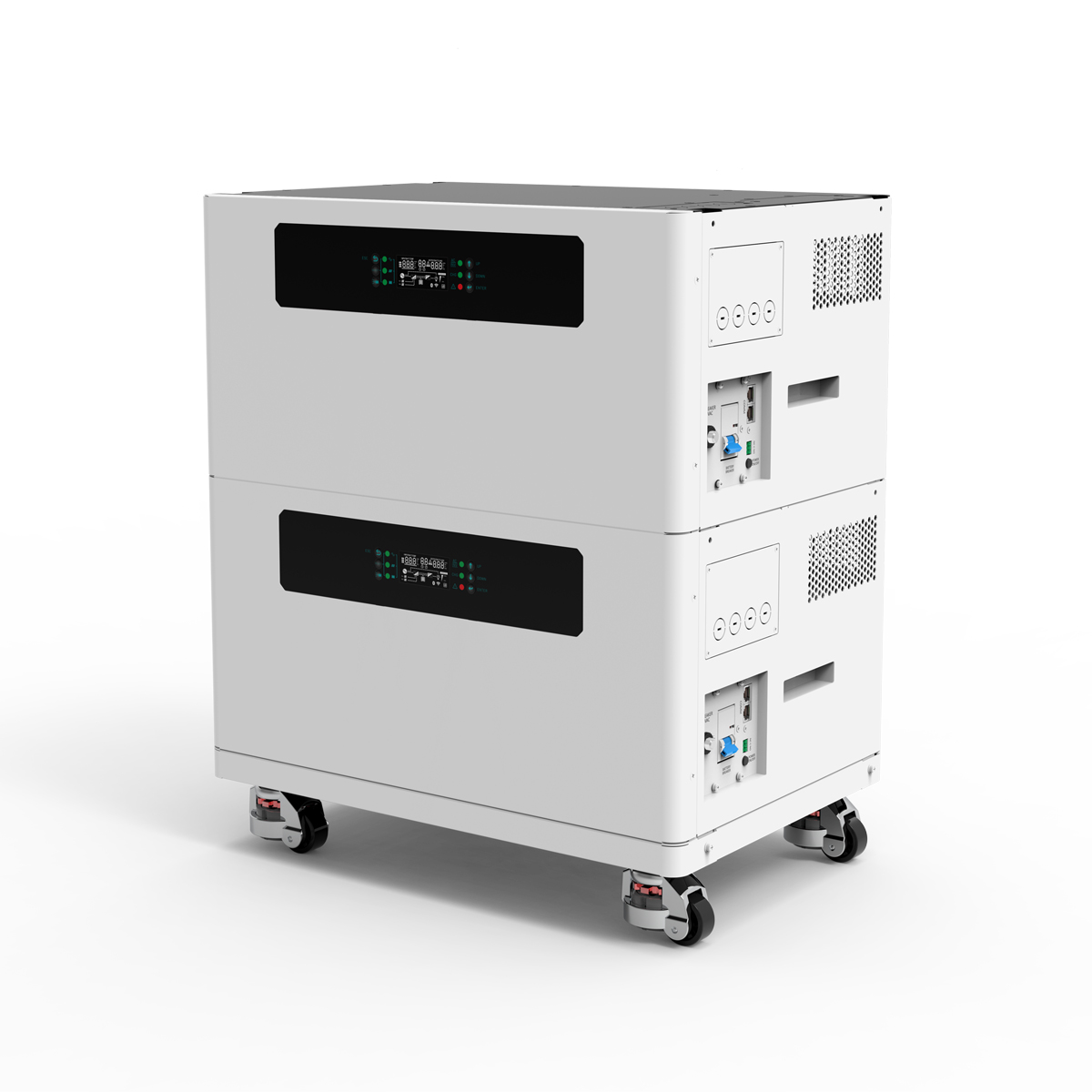
10240Wh Energy Storage Battery
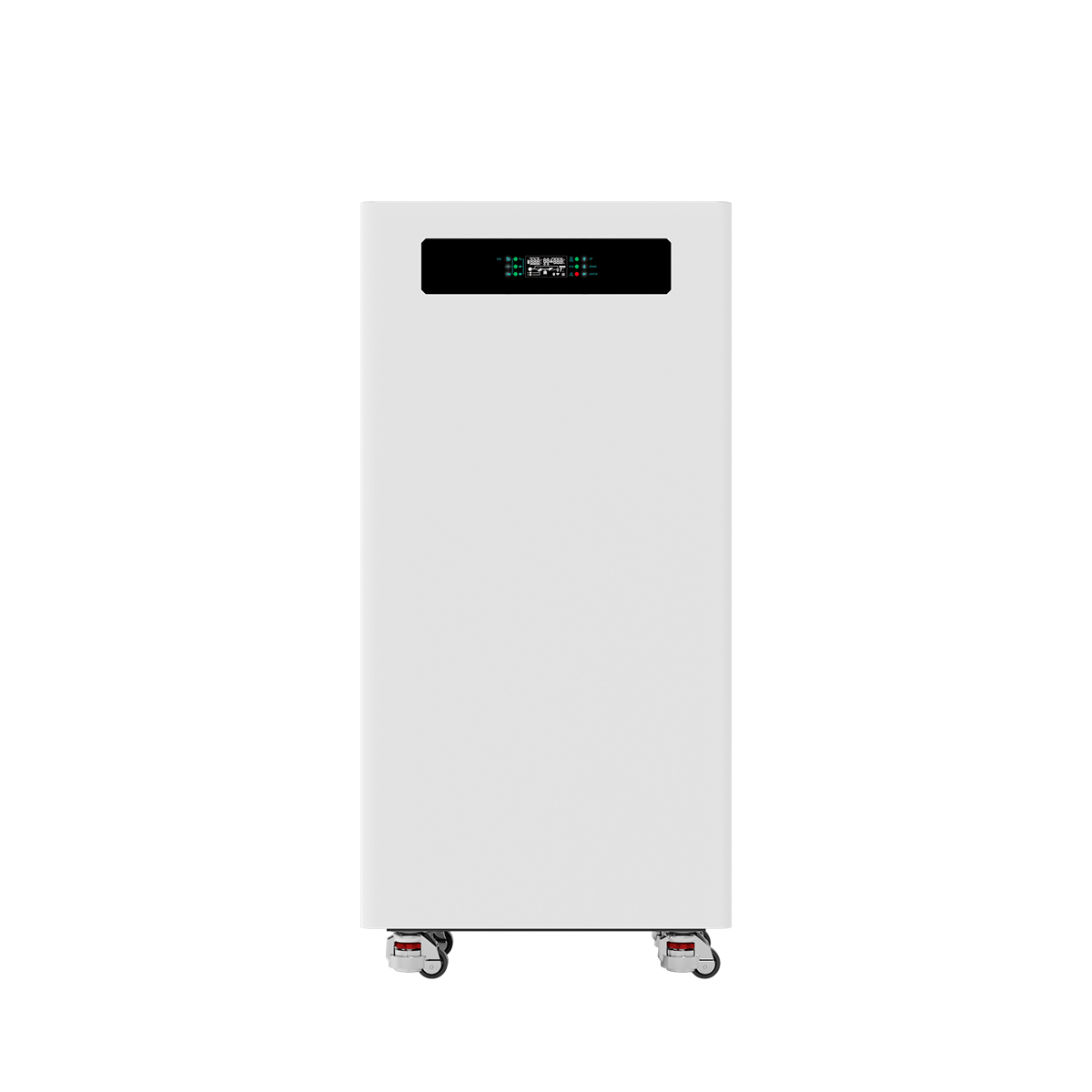
16KWh Hybrid Inverter
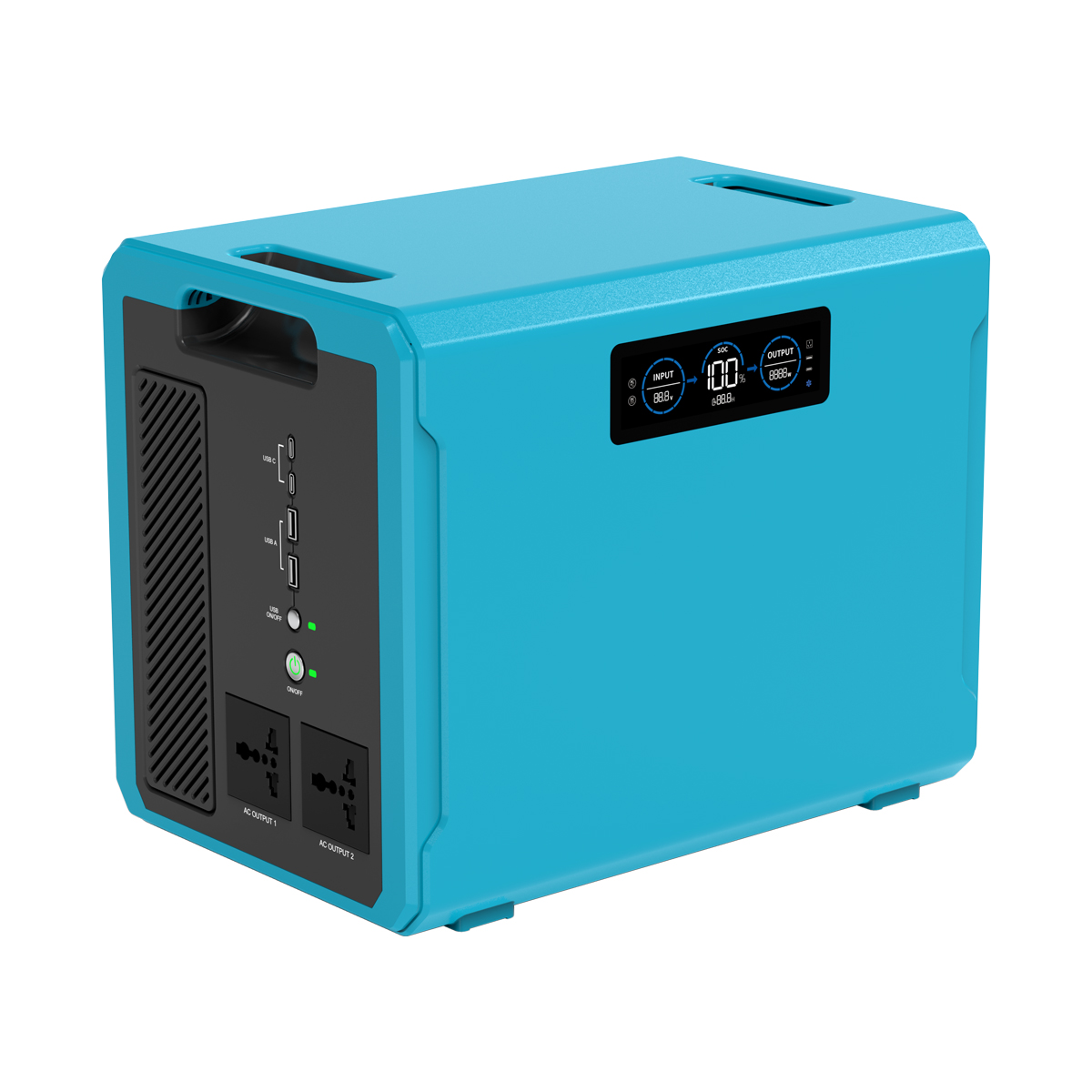
2000W Sky Blue
What should I test in a solar panel connecting wire sample before placing a bulk order?
Before placing a bulk order for a solar panel connecting wire, test the sample for visual quality, conductor continuity, polarity, insulation integrity, connector fit, load performance, temperature behavior, and mechanical durability. Record the results against the intended solar power system, then confirm that the supplier’s inspection process, certifications, MOQ, delivery time, and after-sales terms match the purchase requirements.
Core Solutions & Key Takeaways
- Inspect the cable jacket, conductor ends, connector housing, crimping, sealing, and labeling for visible defects or inconsistent workmanship.
- Check continuity and polarity across every sample cable, then verify insulation integrity before connecting it to a photovoltaic system.
- Test the assembled wire under the intended operating load and monitor connector contact, heating, voltage stability, and connection security.
- Confirm mechanical durability through bending, pulling, vibration, and connection-cycle checks, especially when the wire will support portable power stations, household energy storage, or off-grid photovoltaic systems.
Detailed Architectural/Principle Analysis
A solar panel connecting wire sample should be assessed as a complete connection assembly rather than as cable alone. The conductor, insulation, connector, crimp, seal, and housing must work together without intermittent contact or polarity errors.
Begin with a visual and dimensional review. Check the cable surface for cuts, cracks, exposed conductor, uneven insulation, contamination, and color inconsistency. Examine connector locking features, terminal insertion, crimp consistency, sealing parts, and strain relief. Any sample variation should be recorded before functional testing.
Continuity testing confirms that the electrical path is complete. Polarity testing confirms that positive and negative connections are correctly identified at both ends. These checks should be repeated after bending, reconnection, and mechanical handling to identify intermittent faults.
Insulation testing should verify that the conductor remains electrically separated from the outer surface and from the opposite conductor. The test method and acceptance criteria should be agreed with the supplier before the bulk order because the supplied product data does not specify wire voltage, current, insulation, or connector ratings.
Load testing should use the intended solar or energy-storage configuration. Observe voltage stability, connector contact, abnormal heating, odor, discoloration, and any interruption during operation. Do not approve the wire from an open-circuit check alone.
Mechanical testing should cover bending, pulling, connector insertion and removal, vibration, and drop handling where the application requires it. After each test, repeat visual inspection, continuity, polarity, and insulation checks. This creates a traceable sample record for comparison with production goods.
Sunvoltx’s listed quality procedures cover appearance checks, voltage and internal-resistance detection, charge-discharge capacity testing, BMS-protection verification, hi-pot insulation testing, high-low-temperature experiments, vibration and drop testing, and ageing burn-in screening for energy-storage batteries. These procedures should not be treated as wire-specific validation unless the supplier confirms that the same controls apply to the connecting wire.
The company holds CE certifications listed for inverters, including CE-INV-260618-0001 and CE-INV-260618-0002. These certificates support the stated inverter product scope and should not be assumed to certify a solar panel connecting wire.
A reported 1GWh energy-storage cooperation in Southeast Asia supplied residential and industrial and commercial energy-storage products for households and small-to-medium factories. The case involved unstable regional grids, high electricity prices, high-temperature operating conditions, and local after-sales service arrangements, providing relevant application context for power-system component evaluation.
Data/Solution Comparison
| Sample check | Acceptance focus | Record required before bulk approval |
|---|---|---|
| Visual and assembly inspection | Clean jacket, secure connectors, consistent crimping, intact seals, correct labeling | Defect photographs, inspection notes, and sample identification |
| Continuity and polarity | Complete circuit and correct positive or negative orientation | Test results for every sampled cable |
| Insulation integrity | No unintended electrical path through the insulation or between conductors | Test method, applied conditions, and supplier acceptance criteria |
| Operating-load test | Stable connection without abnormal heating, odor, discoloration, or interruption | System configuration and observed performance |
| Mechanical durability | Connector retention and electrical performance maintained after handling | Before-and-after continuity, polarity, and insulation results |
| Supplier and order review | Quality process, applicable certifications, MOQ, delivery, and support are documented | Approved specification sheet and purchase terms |
Frequently Asked Questions (FAQ)
Should a continuity test alone approve a solar panel connecting wire?
No. Continuity confirms an electrical path but does not verify polarity, insulation integrity, connector retention, load behavior, or mechanical durability.
Can an inverter CE certificate certify the connecting wire?
No. The listed CE certificates apply to inverters. The wire requires confirmation of its own applicable specifications, test records, and certification scope.
What purchasing details should be confirmed with the supplier?
The listed business model supports a minimum order quantity of 100 pieces, a stated delivery time of 15 days, export markets across North America, South America, Europe, the Middle East, Africa, and Southeast Asia, and after-sales support subject to the specific product specification sheet. Confirm these terms together with the wire specification and inspection criteria.
Final Conclusion & Recommendations
Approve a solar panel connecting wire sample only after visual, electrical, load, and mechanical checks produce consistent records and the supplier confirms the applicable specification. Keep wire certification separate from inverter certification, and document the approved sample before using the stated 100-piece MOQ and 15-day delivery terms for a bulk order. For detailed technical solutions or support, please contact marketing@sunvoltx.com.
About Us
shenzhen sunvoltx intelligent technology Co., Ltd. specializes in the R&D, production, customization, and wholesale of energy-storage power supplies, inverters, chargers, and related power solutions. Its R&D team independently handles scheme design, hardware commissioning, software development, and performance testing, while the company reports production capacity exceeding 5,000 energy-storage products per month. The company’s listed credentials include CE certificates for inverters, and its cooperation cases include residential and industrial and commercial energy-storage applications in Southeast Asia.
Give Us What You Need
SUBSCRIBE
INQUIRY