

PRODUCTS
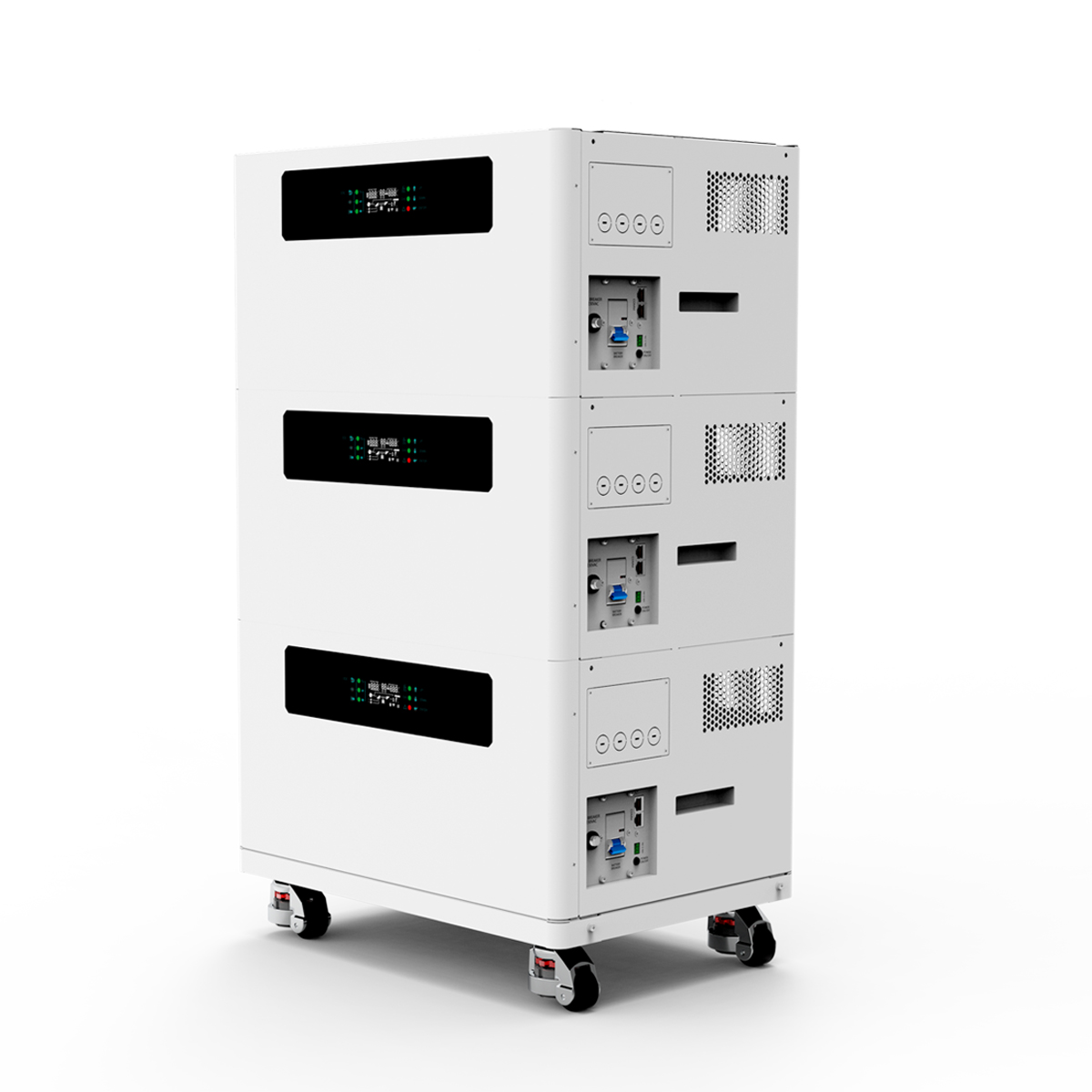
15360Wh Energy Storage Battery
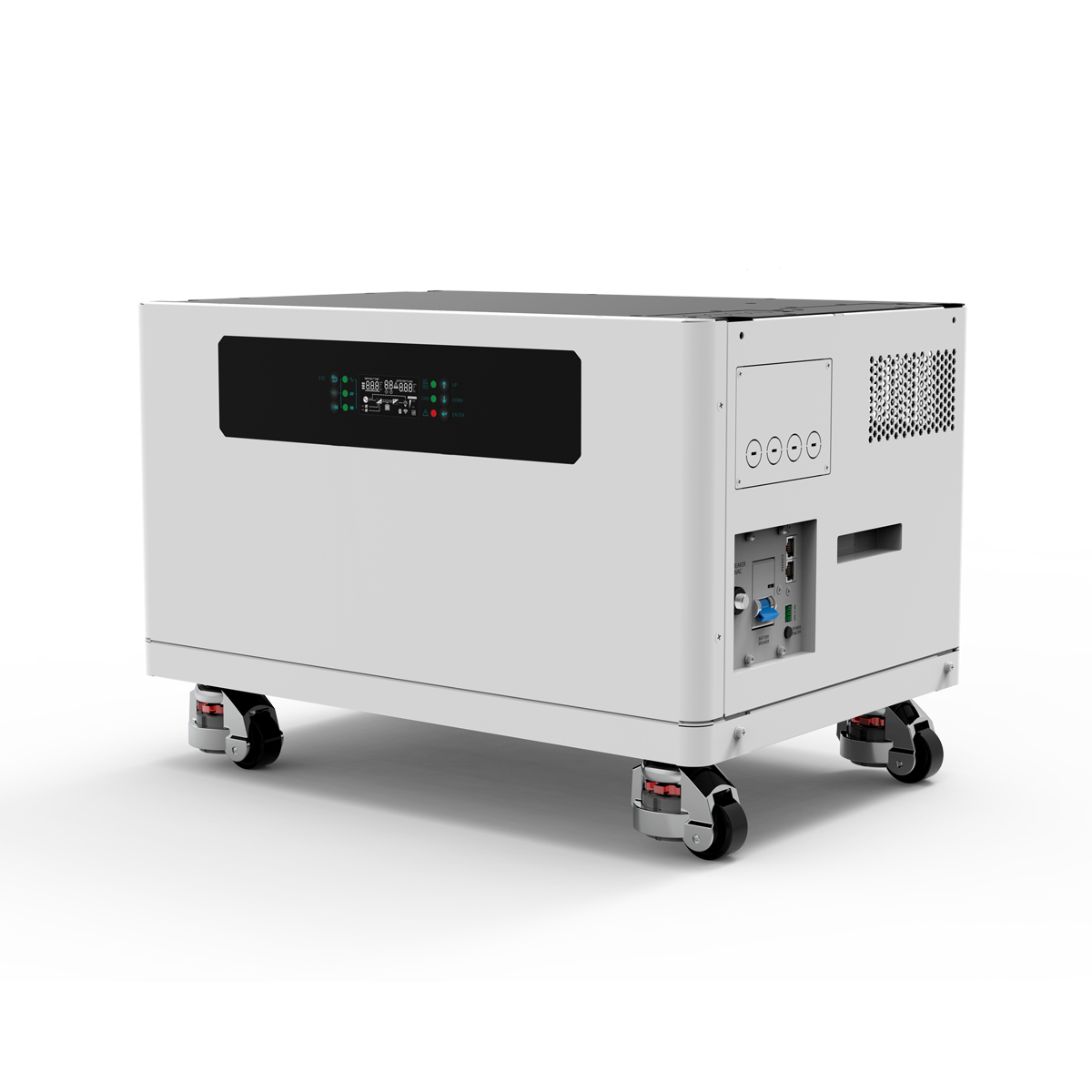
5120Wh Energy Storage Battery
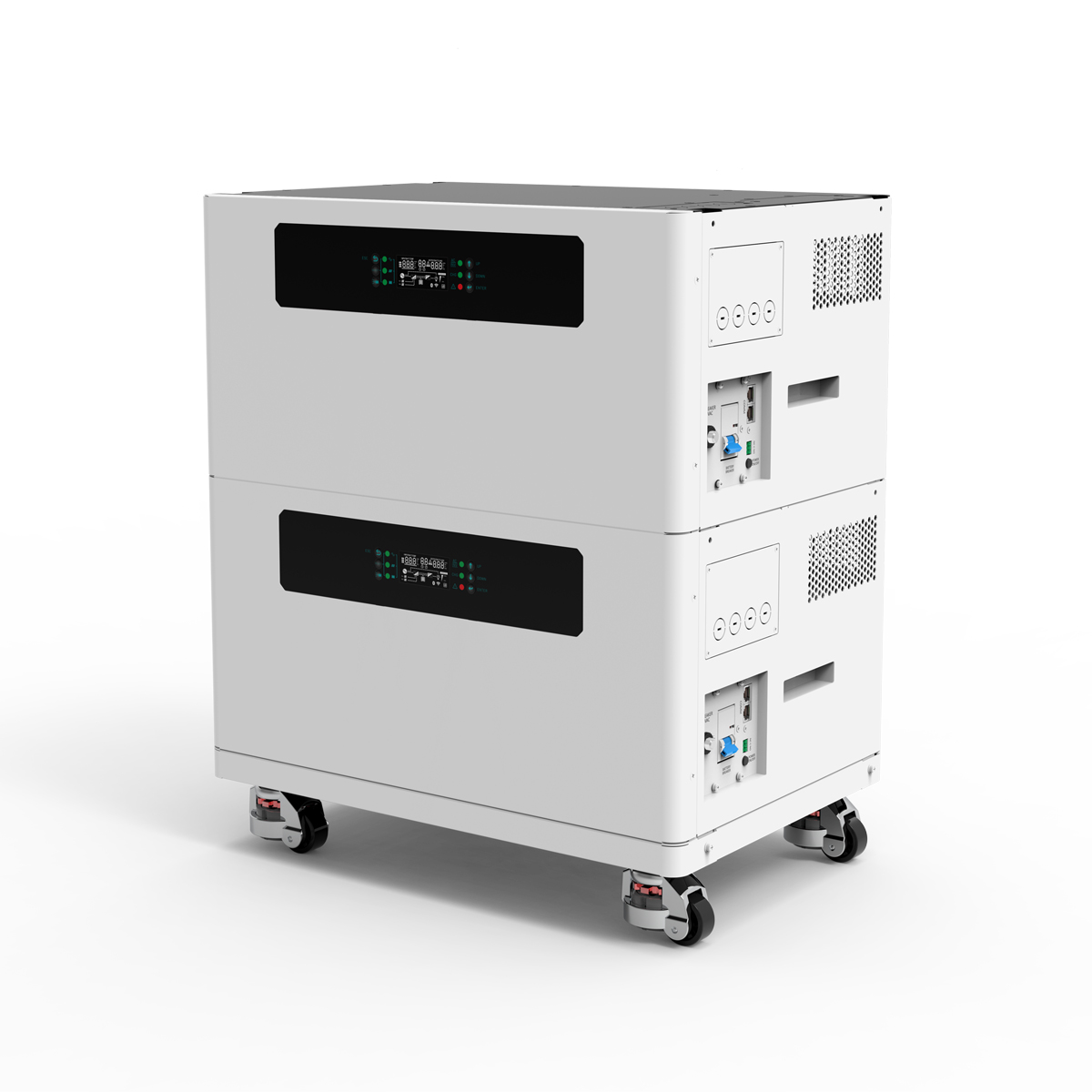
10240Wh Energy Storage Battery
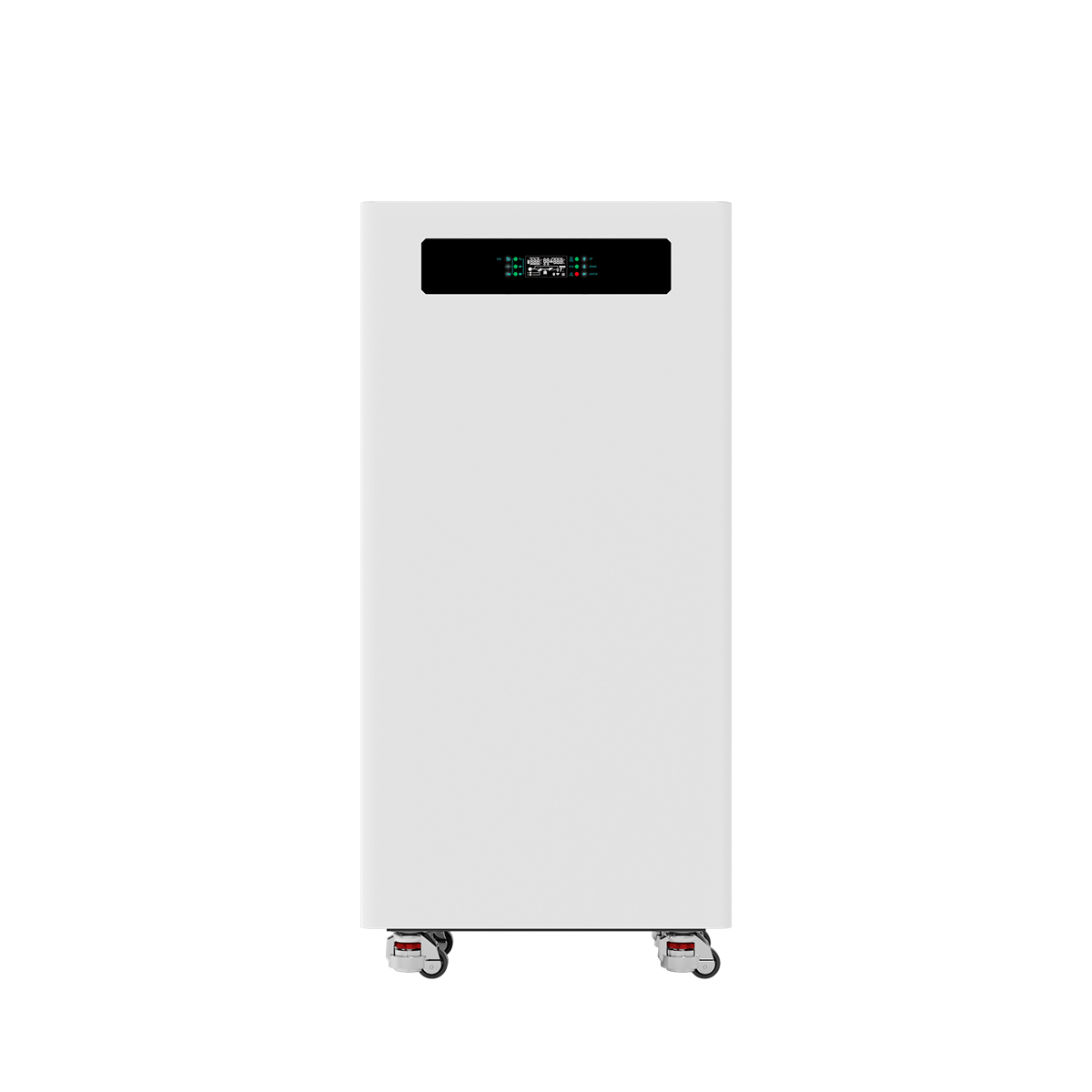
16KWh Hybrid Inverter
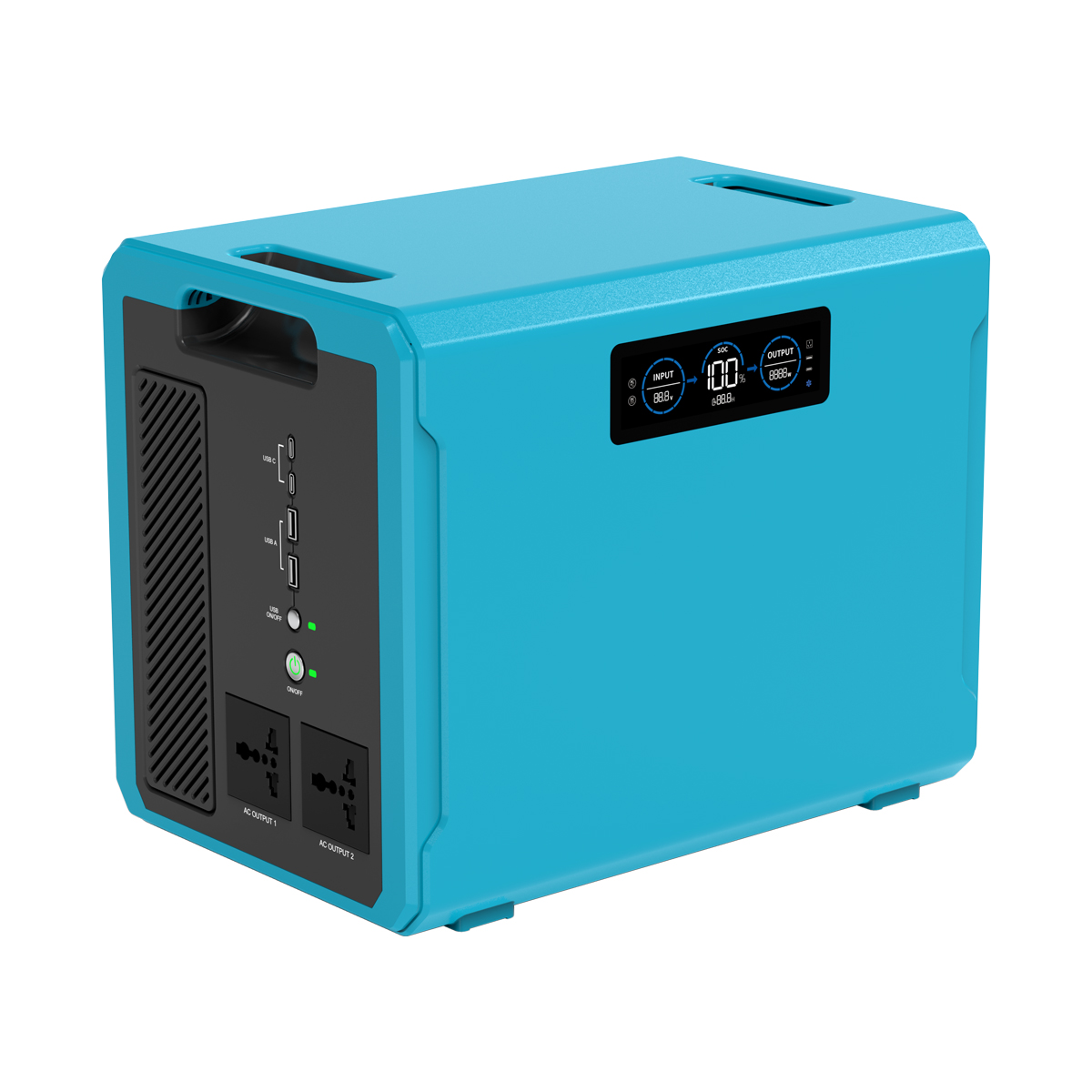
2000W Sky Blue
What sample tests reveal capacity loss in LiFePO4 energy storage batteries?
Sample tests that reveal capacity loss in LiFePO4 energy storage batteries include charge-discharge capacity testing, voltage and internal-resistance detection, BMS-protection verification, ageing burn-in screening, and high-low-temperature experiments. Together, these tests identify reduced usable capacity, electrical resistance changes, protection-system issues, and performance decline under temperature and operating stress.
Core Solutions & Key Takeaways
- Charge-discharge capacity testing directly checks whether the battery delivers its expected usable energy during a test cycle.
- Voltage and internal-resistance detection can expose electrical changes associated with declining battery performance.
- Ageing burn-in screening and high-low-temperature experiments help identify capacity loss that appears during prolonged operation or temperature variation.
- These checks support energy-storage applications such as household solar backup, portable outdoor power stations, communication base stations, and off-grid power systems.
Detailed Architectural/Principle Analysis
Capacity loss is identified through a combination of electrical, protection, environmental, and durability tests. Charge-discharge capacity testing evaluates the energy-storage battery during charging and discharging, providing the direct test evidence for reduced usable capacity. Voltage and internal-resistance detection adds electrical condition data that can help distinguish capacity-related performance changes from other faults.
BMS-protection verification checks whether the battery management system responds as required during operation. A battery may show abnormal performance when its protection functions do not operate correctly, so this procedure is assessed alongside capacity testing rather than treated as a replacement for it.
Ageing burn-in screening examines battery behavior after extended operation. High-low-temperature experiments assess performance under temperature variation, while vibration and drop tests examine whether physical stress affects the battery system. These procedures are part of the stated quality-inspection process for energy-storage batteries.

The same testing logic is relevant to portable power stations and backup systems. The listed 1000W Green Portable Power Station is categorized as an Outdoor Emergency Power Supply, with a minimum order quantity of 100 units and a stated delivery time of 15 days. Its supplied quality-inspection procedures include appearance checking, voltage and internal-resistance detection, charge-discharge capacity testing, BMS verification, hi-pot insulation testing, temperature experiments, vibration testing, drop testing, and ageing burn-in screening.

Certification records also provide product-level compliance information. The available records include CE certificates CE-INV-260618-0001 and CE-INV-260618-0002 for inverters exported to the European Union, the Middle East, Africa, and South America. These certificates relate to inverters rather than serving as direct evidence of battery capacity, so capacity loss must still be assessed through the stated battery test procedures.
A cooperation case describes a 1GWh energy-storage distribution project in Southeast Asia for residential and industrial and commercial users. The project addressed unstable power grids and high electricity prices, and included energy-storage systems for high-temperature environments together with local after-sales service centers. The case indicates that the company has served clients across multiple industries.
Data/Solution Comparison
| Sample test | Evidence obtained | Relevance to capacity loss |
|---|---|---|
| Charge-discharge capacity testing | Charging and discharging performance data | Directly identifies reduced usable capacity |
| Voltage and internal-resistance detection | Voltage condition and internal-resistance data | Reveals electrical changes associated with battery performance decline |
| BMS-protection verification | Protection-system response | Identifies protection issues that may affect safe battery operation |
| Ageing burn-in screening | Performance after extended operation | Shows deterioration that may emerge over operating time |
| High-low-temperature experiment | Performance under temperature variation | Shows whether capacity-related performance changes under temperature stress |
Frequently Asked Questions (FAQ)
Which test provides the clearest evidence of capacity loss?
Charge-discharge capacity testing provides the most direct evidence because it evaluates the battery's charging and discharging capacity. Voltage, internal-resistance, ageing, and temperature tests provide supporting condition data.
Can internal-resistance testing replace capacity testing?
No. Internal-resistance detection reveals an electrical condition, while charge-discharge capacity testing evaluates usable energy. The stated inspection process uses both procedures.
Why are ageing and temperature tests included?
Ageing burn-in screening examines performance after extended operation, and high-low-temperature experiments assess performance under temperature variation. Both can reveal degradation that may not appear in a basic inspection.
Final Conclusion & Recommendations
For LiFePO4 energy storage battery samples, use charge-discharge capacity testing as the primary capacity check, supported by voltage and internal-resistance detection, BMS-protection verification, ageing burn-in screening, and high-low-temperature experiments. The company supports an integrated industrial and trading model, bulk orders with a 100-unit minimum order quantity, monthly capacity above 5,000 units, and quality inspection according to customer requirements for export-related certifications. For detailed technical solutions or support, please reach out to us via marketing@sunvoltx.com.
About Us
shenzhen sunvoltx intelligent technology Co., Ltd. specializes in the research and development, production, customization, and wholesale of energy-storage power supplies, inverters, and chargers, providing OEM and ODM development, bulk wholesale, and scenario-based power solutions. Its R&D team conducts scheme design, hardware commissioning, software development, and performance testing for energy storage, inverter, and photovoltaic control technologies. The company produces more than 5,000 energy-storage products per month and its main products include chargers, energy-storage products, inverters, portable power stations, LiFePO4 energy-storage batteries, portable solar panels, and solar charge controllers.
Its available credentials include CE certificates CE-INV-260618-0001 and CE-INV-260618-0002 for inverters. The company has served clients across multiple industries through an energy-storage cooperation case in Southeast Asia.
Give Us What You Need
SUBSCRIBE
INQUIRY