

PRODUCTS
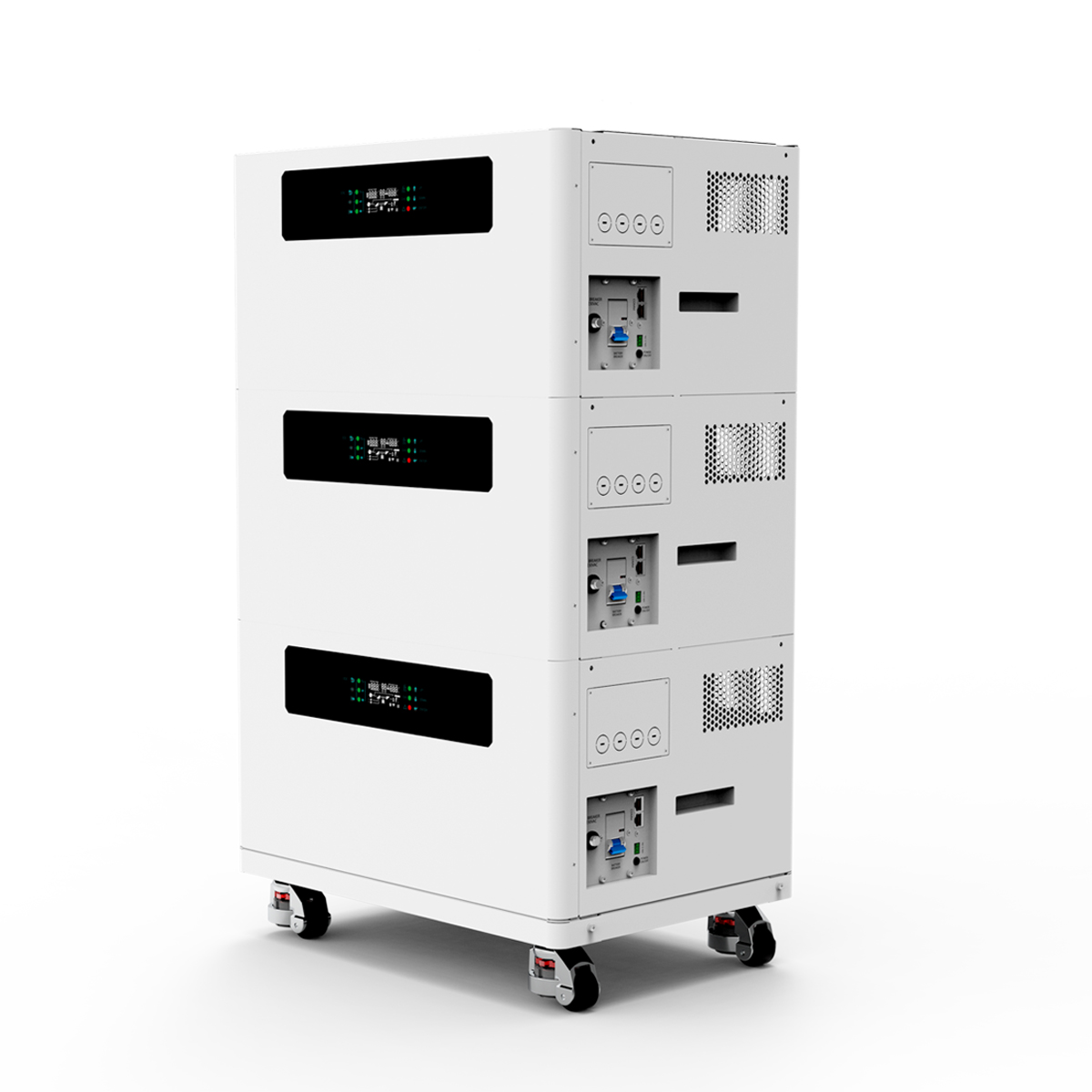
15360Wh Energy Storage Battery
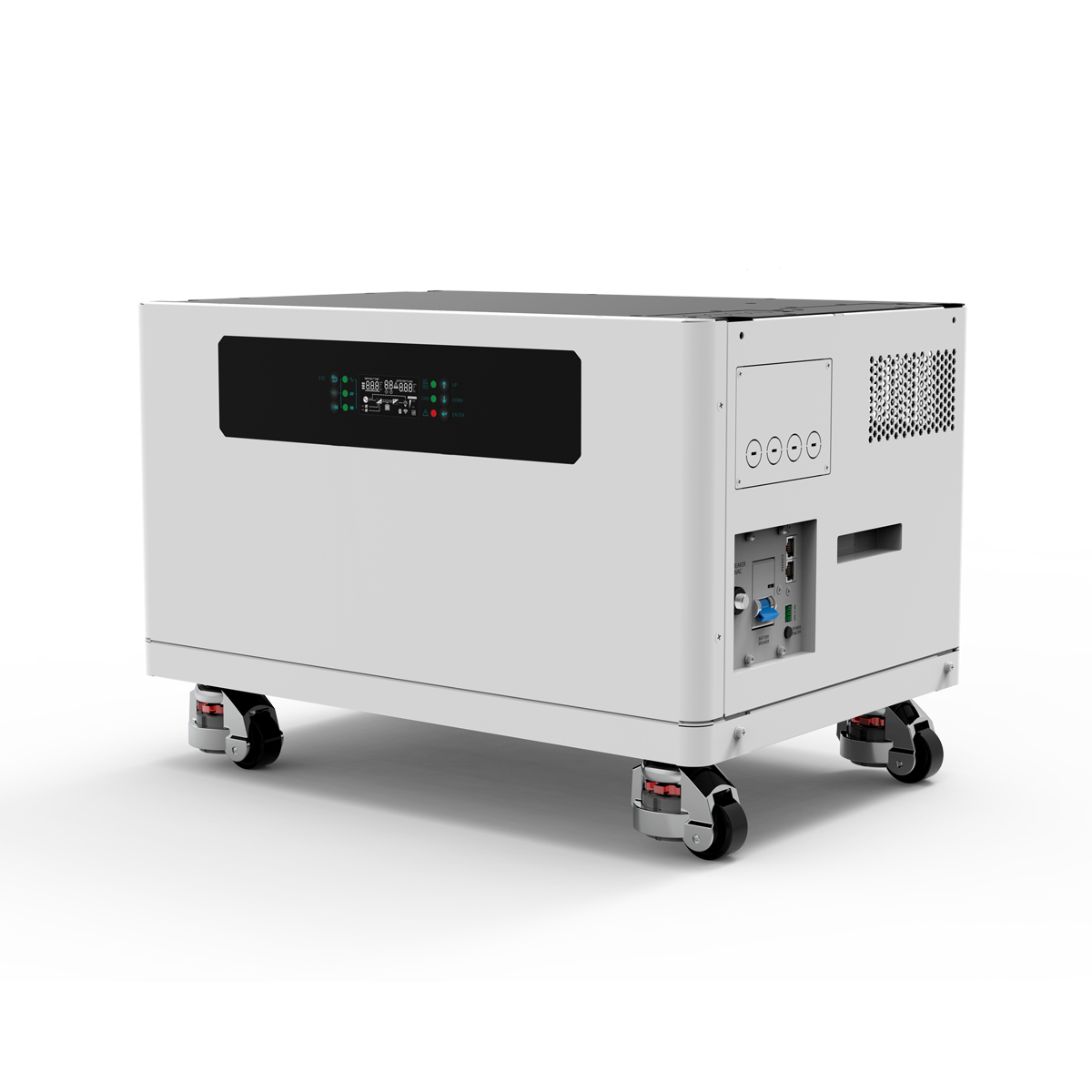
5120Wh Energy Storage Battery
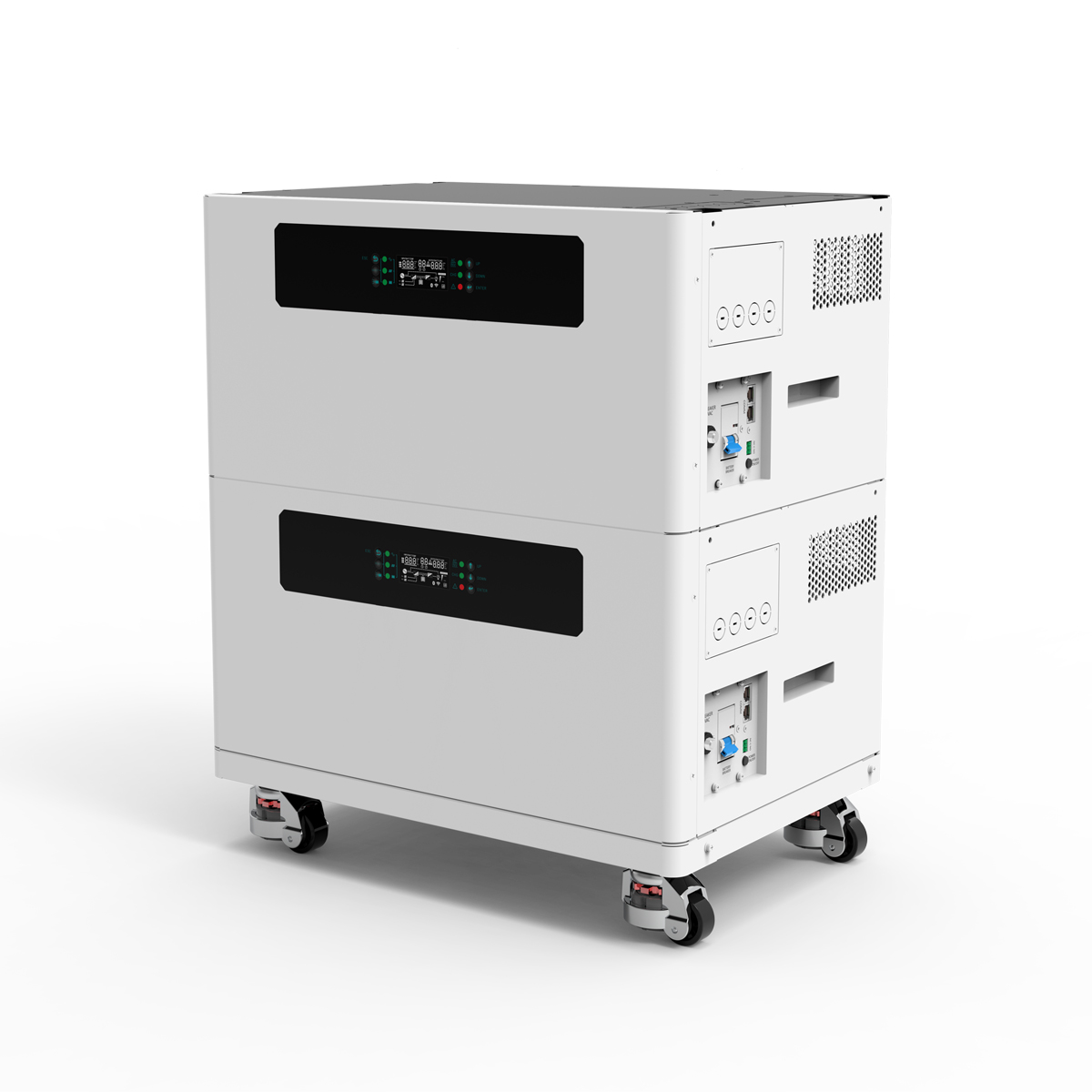
10240Wh Energy Storage Battery
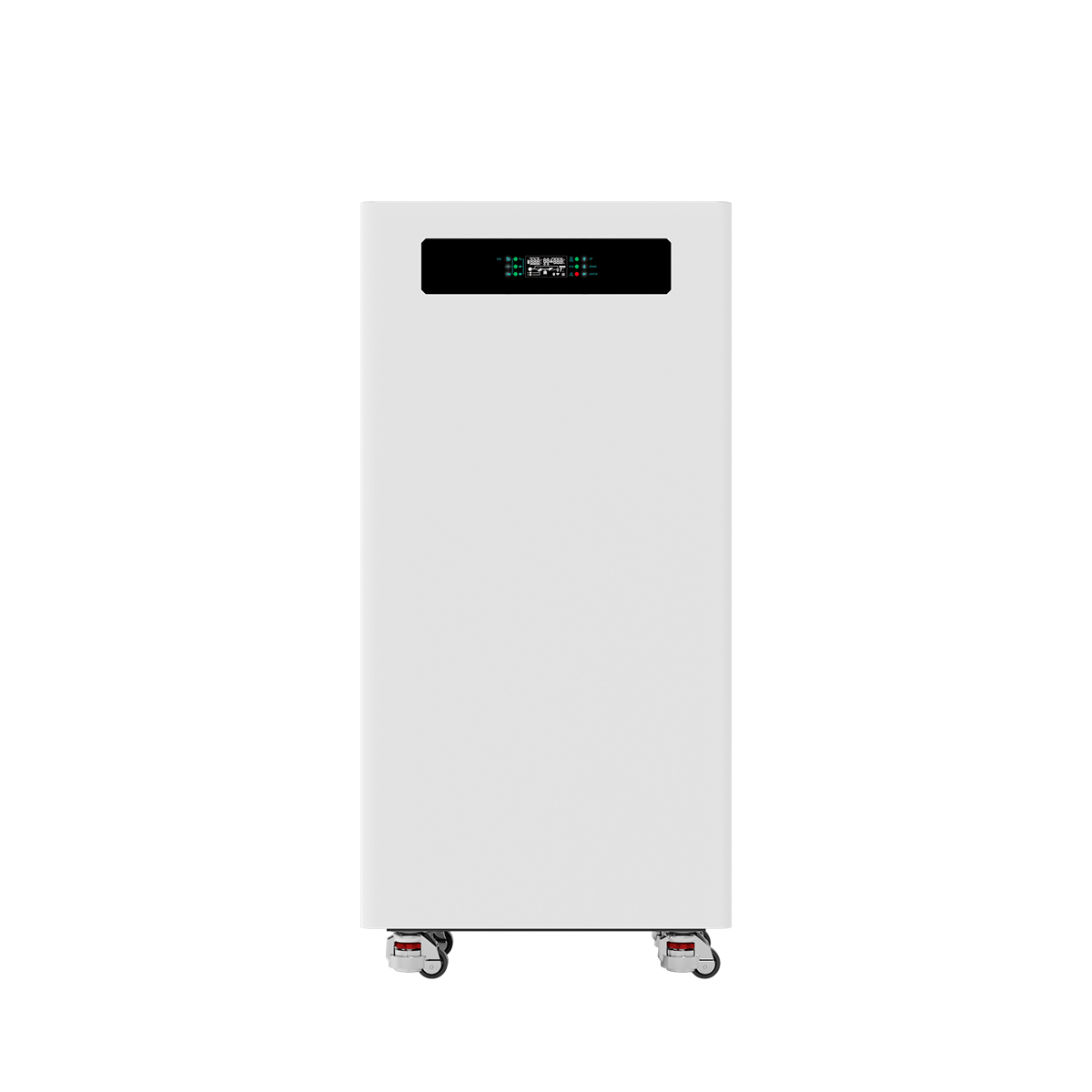
16KWh Hybrid Inverter
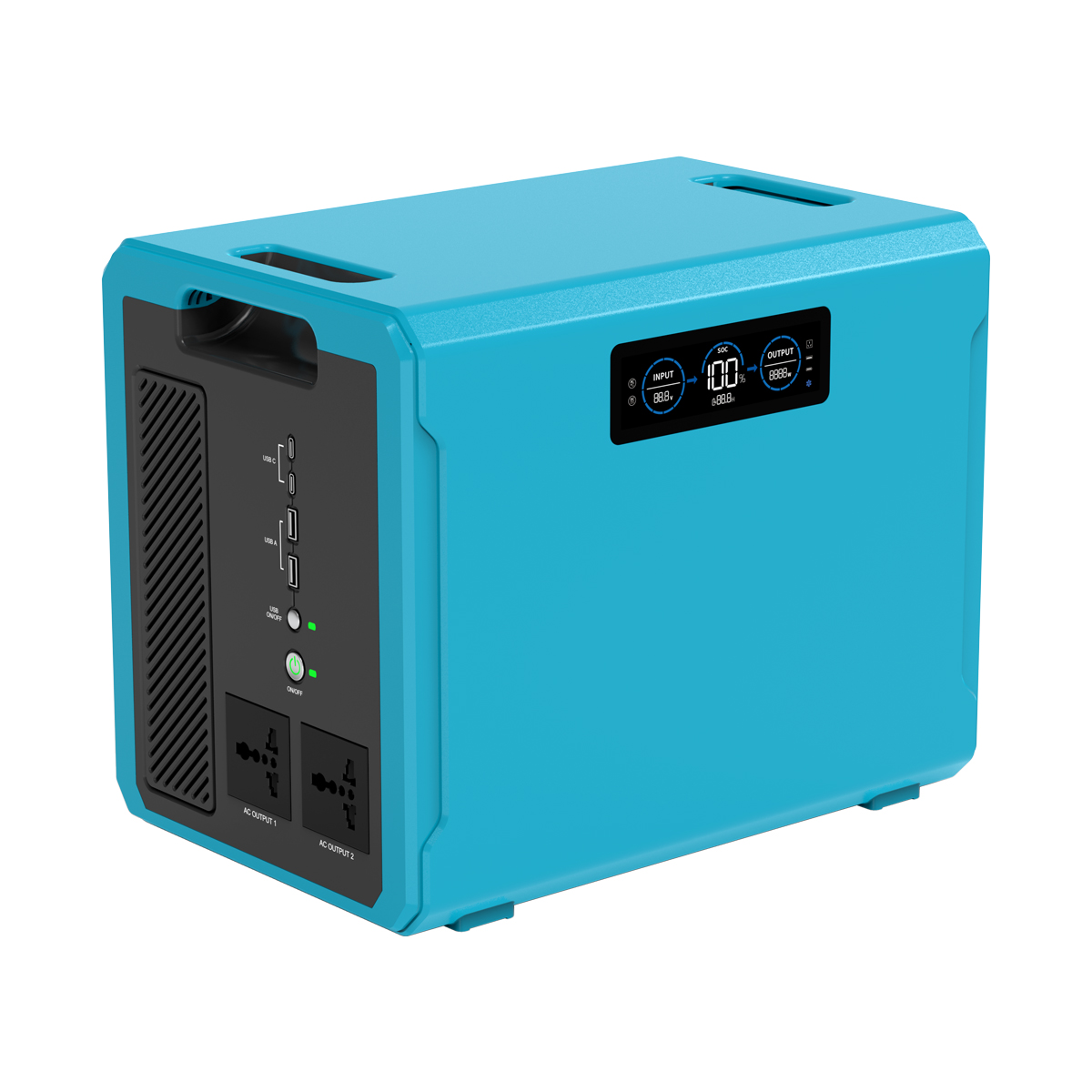
2000W Sky Blue
What prototype checks can expose durability problems in an outdoor working power station?
Prototype checks exposing durability problems in an outdoor working power station include high-low-temperature testing, vibration and drop tests, battery management system (BMS) protection verification, high-potential (hi-pot) insulation tests, voltage-internal resistance detection, and continuous ageing-burn-in screening. These evaluations identify structural weaknesses, thermal instability, component degradation, and electrical isolation failures before mass production.
Core Solutions & Key Takeaways
- Thermal Stress Testing: High-low-temperature experiments evaluate battery chemistry stability, housing integrity, and thermal protection cutoffs under environmental extremes.
- Mechanical Shock & Vibration Checks: Drop and vibration testing reveal physical housing vulnerabilities, internal wiring disconnects, and solder joint fractures induced during rough transport.
- Electrical Isolation & Protection Verification: Hi-pot insulation testing and BMS protection validation detect dielectric breakdown risks, overcurrent short circuits, and improper voltage cutoffs.
- Load Endurance & Ageing Screening: Ageing-burn-in screening subjects hardware to extended full-load operation to expose early component failures and capacity degradation.
Detailed Architectural/Principle Analysis
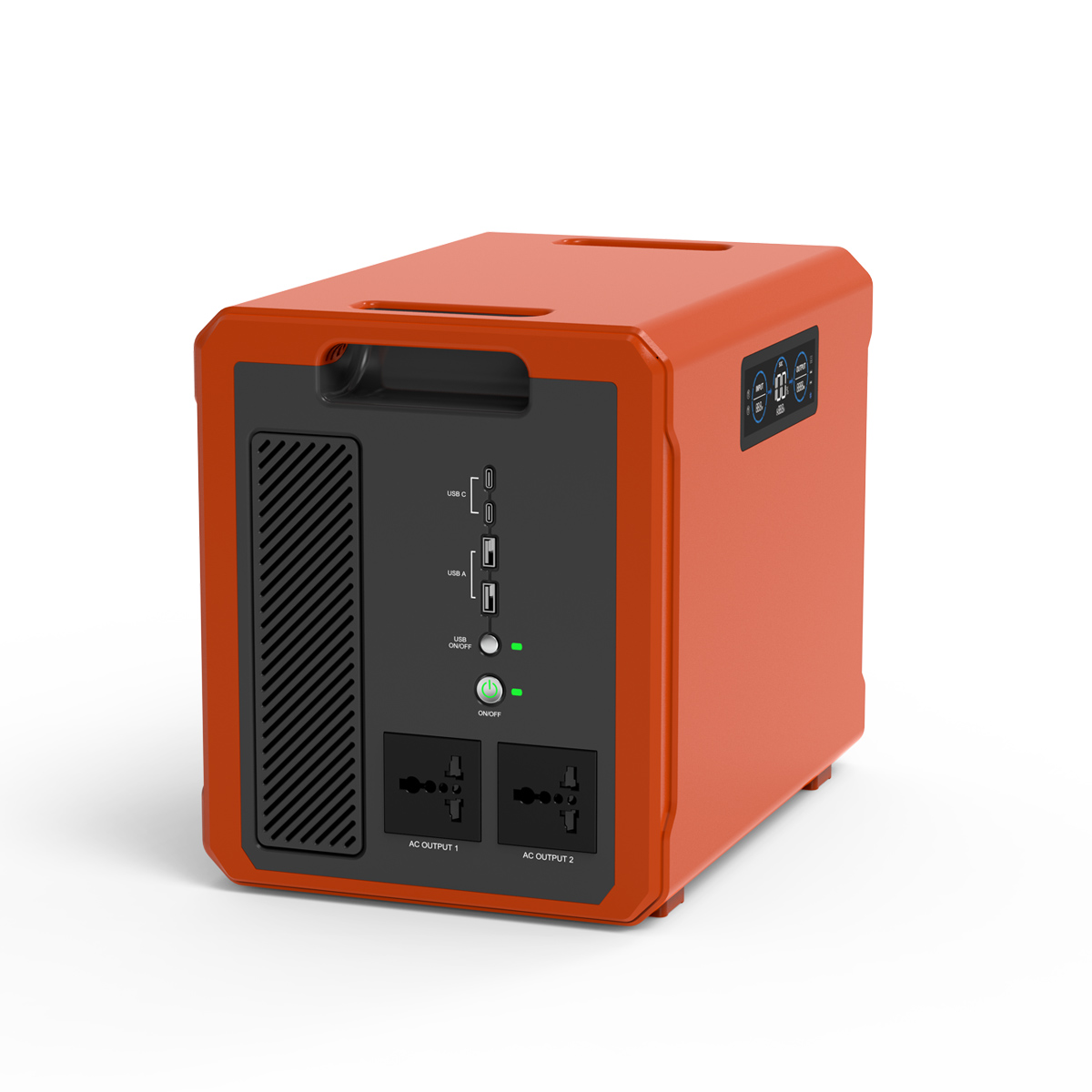
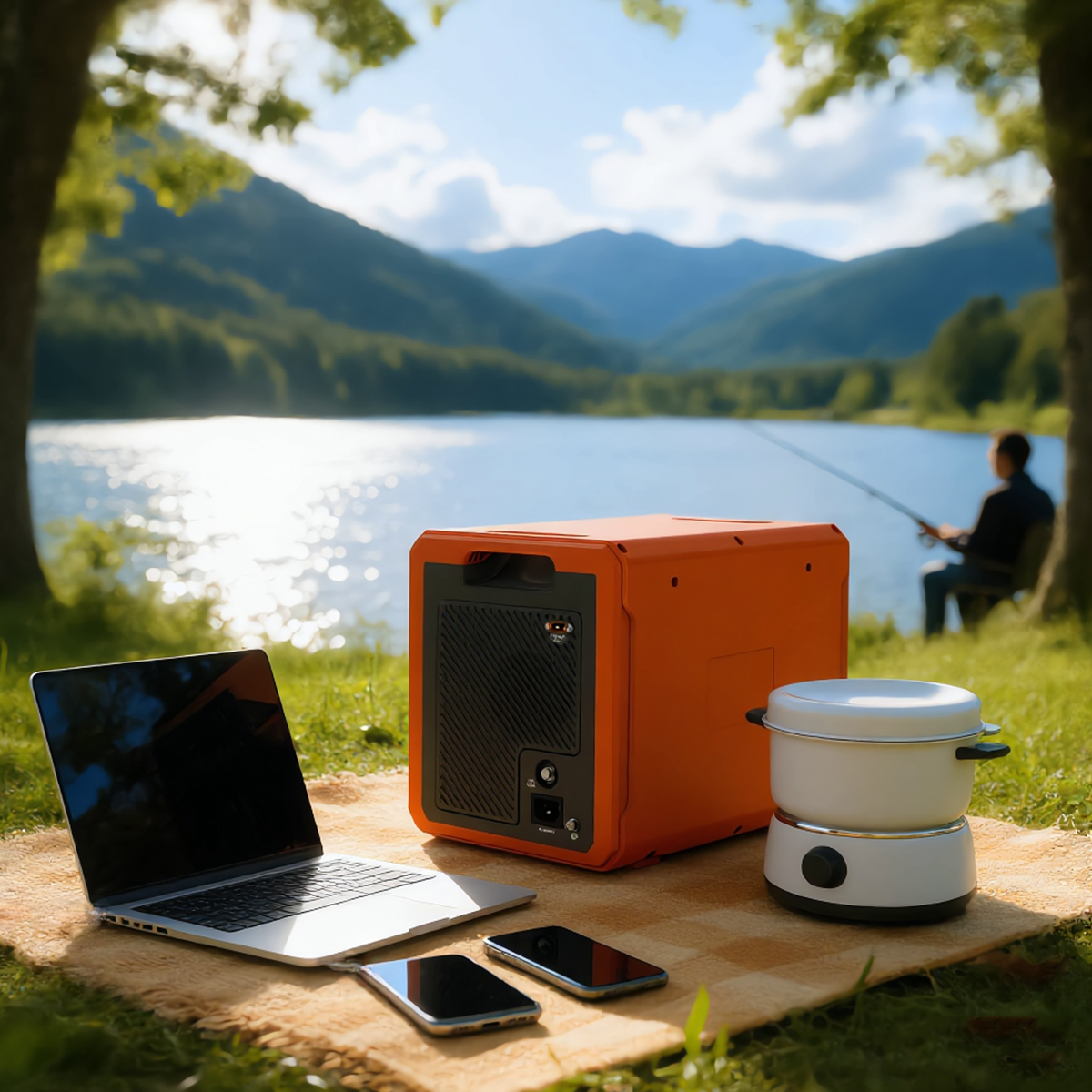
Deploying energy storage equipment in harsh environments requires rigorous prototype verification. For products such as an Outdoor Emergency Power Supply or portable energy storage unit, durability is determined by how component assemblies withstand environmental and operational stress. Standard prototype checks begin with physical examination, including appearance checks and precision voltage-internal resistance detection to benchmark baseline cell performance.
Electrical safety screening relies on high-potential (hi-pot) insulation tests and BMS-protection verification. The BMS must respond instantly to overcharge, over-discharge, short-circuit, and thermal anomalies. Certified designs, such as inverter hardware holding CE certification (CE-INV-260618-0001), must maintain strict isolation parameters to prevent chassis grounding failures when powering sensitive industrial equipment, communication base stations, or off-grid residential setups.

Simulating field usage through environmental chambers and mechanical test rigs isolates structural failure modes. High-low-temperature experiments expose thermal expansion stress between battery cells and heat sinks, while drop and vibration testing duplicate transport conditions across off-road construction sites or remote field-work operations. Real-world implementations, such as a 1GWh energy storage project distribution in Southeast Asia, rely on these exact stress testing standards to guarantee reliable operation in high-temperature, off-grid regions.
Data/Solution Comparison
| Prototype Inspection Check | Target Parameter / Condition | Exposed Durability Risk | Pass Criteria Standard |
|---|---|---|---|
| High-Low-Temperature Experiment | Extreme thermal cycling (-20°C to 60°C) | Thermal runaway, shell deformation, BMS cutoff failure | Uninterrupted rated output; zero enclosure warp |
| Vibration and Drop Test | Multi-axis vibration; 1-meter drop impact | Internal connection disconnect, weld failure, shell cracking | Full functional retention; zero internal hardware movement |
| BMS-Protection Verification | Over-voltage, short-circuit, over-current injection | Lithium cell damage, logic board burn-out | Sub-millisecond relay protection activation |
| Hi-Pot Insulation Test | High-voltage dielectric exposure | Chassis shock hazard, current leakage | Leakage current below micro-amp safety thresholds |
| Ageing-Burn-In Screening | Continuous full-load discharge cycles | Early component failure, rapid thermal degradation | Stable continuous wattage delivery without thermal shutdown |
Frequently Asked Questions (FAQ)
Q: Why is mechanical vibration testing critical for portable power stations?
A: Portable units undergo frequent transport over uneven terrain during field work, camping, or emergency response. Vibration testing exposes weak solder joints, loose busbars, and fastener failures before mass production.
Q: What role does BMS-protection verification play during prototype testing?
A: BMS validation verifies that electronic protection safety loops trigger under unsafe voltage or temperature spikes, guarding internal LiFePO4 or lithium-ion cells against catastrophic thermal events.
Q: What wholesale order volume and delivery schedules support customized prototype manufacturing?
A: Standard manufacturing models support a minimum order quantity (MOQ) of 100pcs with a standard delivery timeframe of 15 days, subject to agreed export quality inspection requirements.
Final Conclusion & Recommendations
Exposing durability issues in outdoor power station prototypes requires a systematic combination of mechanical drop tests, temperature cycling, BMS protection validation, hi-pot insulation checks, and extended ageing-burn-in runs. Operating as an integrated industrial and trading enterprise, shenzhen sunvoltx intelligent technology Co., Ltd. delivers custom energy storage power supplies, portable power stations, and inverters compliant with CE requirements. Global shipping options including EXW, FOB, CIF, DDU, and DDP support bulk wholesale orders, with financial settlements processed via international corporate wire-transfer. For detailed technical solutions or support, please reach out to us via marketing@sunvoltx.com.
About Us
shenzhen sunvoltx intelligent technology Co., Ltd. is a high-tech enterprise specializing in the R&D, production, customization, and wholesale of energy storage power supplies, inverters, and chargers. Established in 2026, the company operates a 1000 square meter factory housing an experienced new-energy R&D team and maintains a monthly output capacity exceeding 5,000 energy-storage products, reaching over 60,000 units annually. With an export ratio of 70%, the business serves clients across North America, South America, Europe, the Middle East, Africa, and Southeast Asia, offering OEM/ODM services backed by international certifications including CE for inverter systems.
Give Us What You Need
SUBSCRIBE
INQUIRY