

PRODUCTS
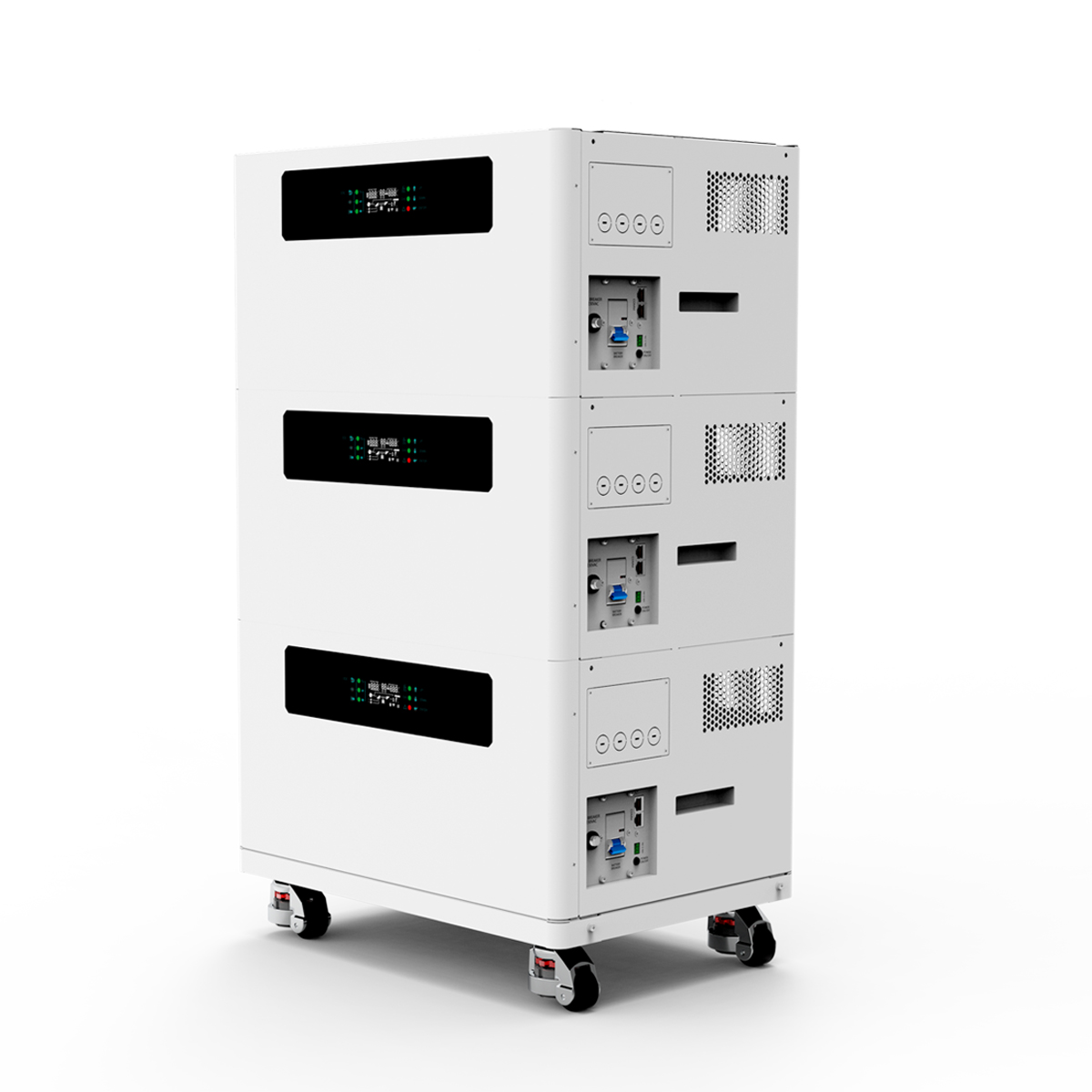
15360Wh Energy Storage Battery
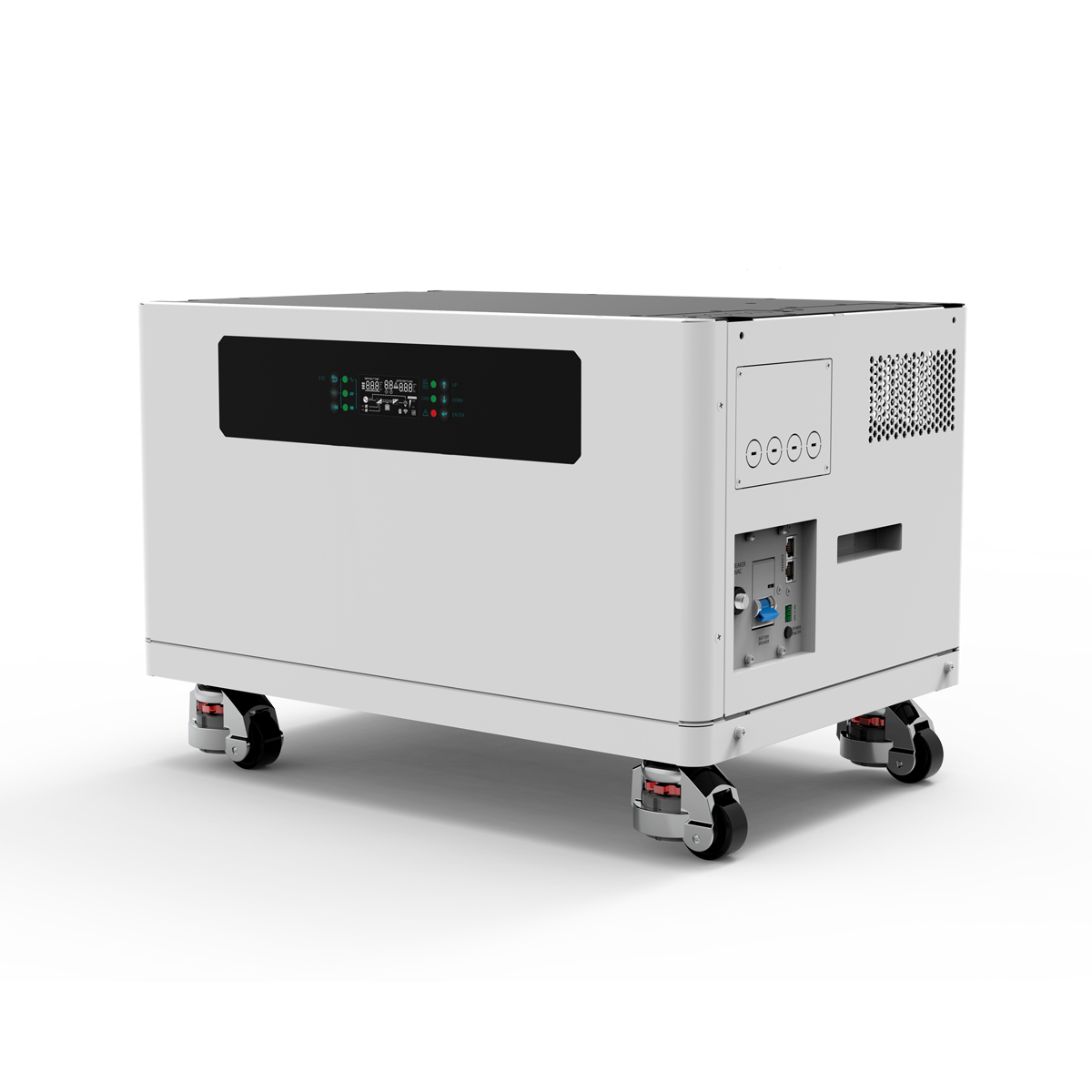
5120Wh Energy Storage Battery
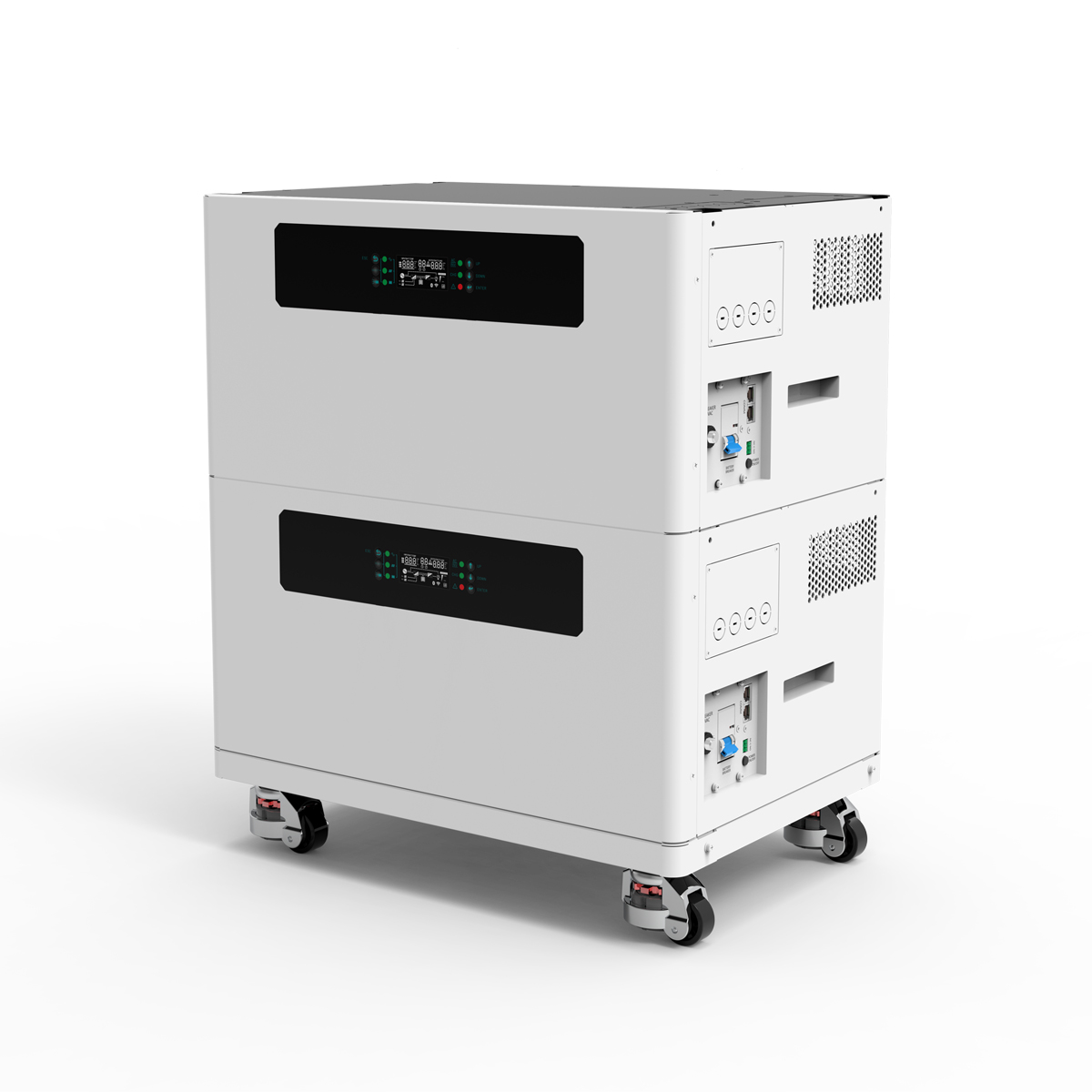
10240Wh Energy Storage Battery
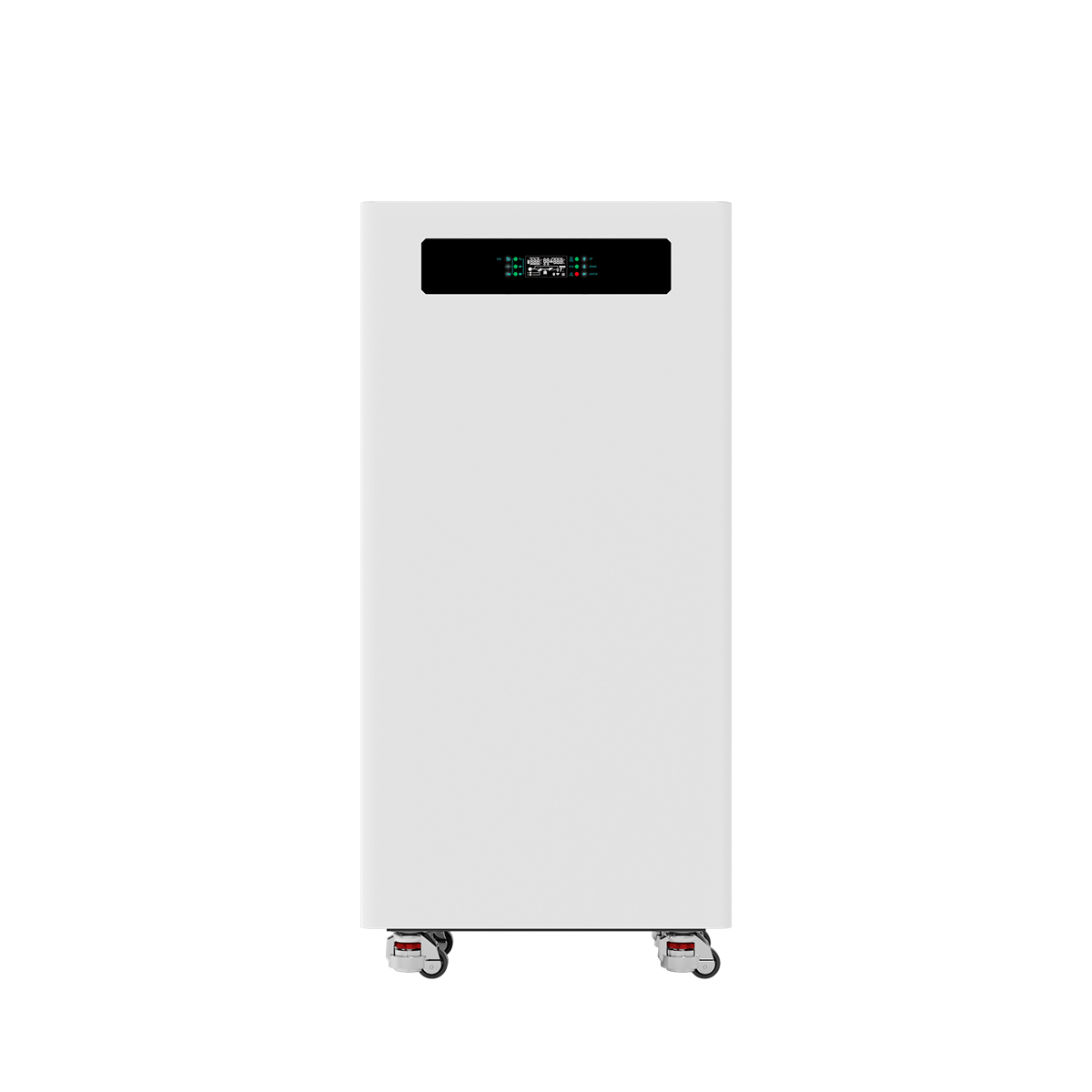
16KWh Hybrid Inverter
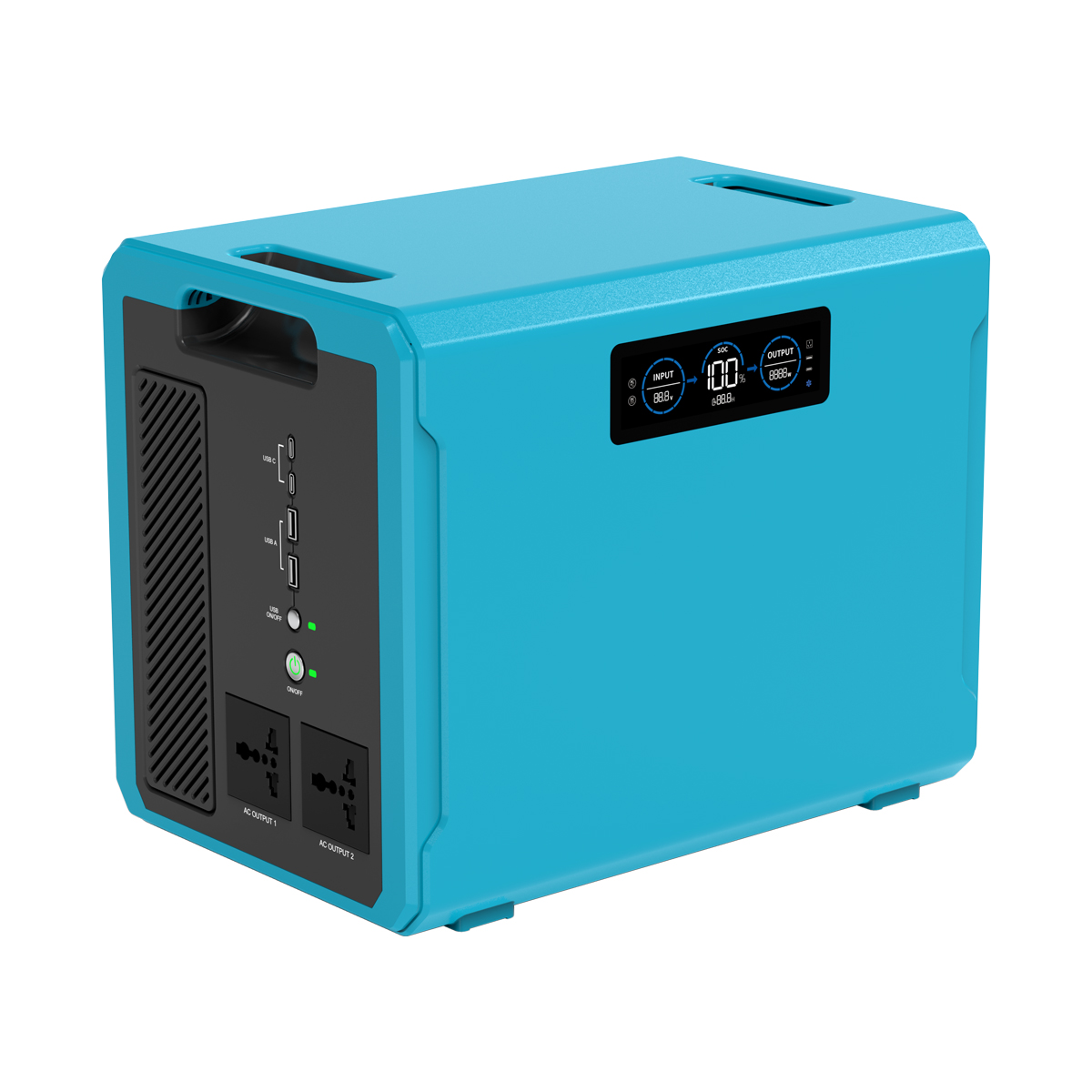
2000W Sky Blue
What output rating should an outdoor emergency power supply have for my equipment?
An outdoor emergency power supply output rating must exceed the total running wattage of all connected equipment by at least 20% to 25%, with surge capacity handling initial motor startup spikes. Low-power electronics require 300W to 500W, appliances and power tools need 1500W to 3000W, while heavy-duty off-grid loads demand continuous output ratings over 5000W.
Core Solutions & Key Takeaways
- Calculate Total Load: Sum the continuous wattage of all equipment intended for simultaneous operation, adding a 20% safety margin.
- Account for Surge Wattage: Inductive loads such as pumps, compressors, and power tools demand 2x to 3x their continuous rating during startup.
- Match System Capacity: Pair continuous output ratings with sufficient battery capacity, such as a 15360Wh Energy Storage Battery, for extended multi-day operational runtime.
- Verify Inverter Waveform: Ensure pure sine wave output to prevent damage to sensitive electronics, communication gear, and medical equipment.
Detailed Architectural & Principle Analysis
Determining the correct output rating for an emergency power system involves analyzing continuous power demands, peak surge requirements, and load characteristics. Portable power units and stationary energy storage batteries rely on integrated inverters to convert DC energy from lithium iron phosphate (LiFePO4) cells into stable AC output. Selecting an inadequate output rating leads to inverter overload protection triggers, unexpected shutdowns, or voltage sags that can harm attached electronics.
For light outdoor power needs, such as laptop charging, mobile communications, LED lighting, and small drones, an output rating between 300W and 1000W is adequate. In contrast, residential backup, construction sites, and remote commercial installations require higher thresholds. Equipment like refrigerators, microwaves, power saws, and drainage pumps draw between 1000W and 2000W continuously, with startup surges briefly reaching up to 4500W. Specialized infrastructure—including communication base stations, emergency command centers, and off-grid facilities—demands robust power solutions capable of supplying 5000W to 15000W continuous output.

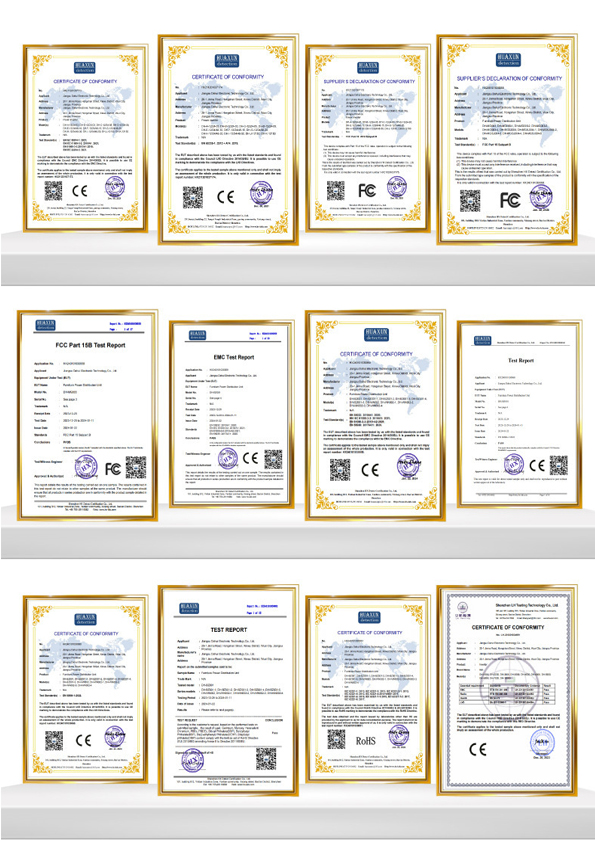
Rigorous quality control processes determine power hardware reliability under full rated loads. Qualified energy storage systems undergo multi-stage quality inspections, including voltage-internal resistance detection, charge-discharge capacity testing, BMS protection verification, hi-pot insulation testing, high-low temperature testing, and ageing burn-in screening. International certifications such as CE (including CE-INV-260618-0001, CE-INV-260618-0002, and CE-INV-260618-0003) verify compliance with electrical safety standards across European, Middle Eastern, African, and South American markets.
Field implementations demonstrate the impact of matching output ratings to regional demands. In a 1GWh energy storage project partnership in Southeast Asia, custom energy storage systems were deployed for residential and commercial users to address regional grid instability and high ambient temperatures. Matching sustained continuous ratings with thermal management prevented thermal throttling and ensured steady operation for local commercial factories and residential end-users.
Data & Solution Comparison
The following table outlines equipment categories, their typical wattage requirements, surge considerations, and the corresponding recommended power supply output ratings:
| Equipment Category | Typical Continuous Wattage | Surge Multiplier | Recommended Supply Rating | Target Application Scenario |
|---|---|---|---|---|
| Electronics & Communications | 50W – 300W | 1.0x (Minimal) | 300W – 500W | Camping, field monitoring, mobile device charging |
| Home Appliances & Tools | 800W – 2000W | 2.0x – 3.0x | 2000W – 3500W | Residential emergency backup, RV travel, field work |
| Industrial & Commercial Loads | 3000W – 10000W+ | 2.5x – 3.5x | 5000W – 15360W+ | Off-grid PV stations, factories, base stations, hotels |
Frequently Asked Questions (FAQ)
Q1: What happens if my equipment wattage exceeds the continuous output rating of the power supply?
If connected loads exceed the rated continuous power, the internal Battery Management System (BMS) or inverter overload protection will trip, shutting off power to prevent circuit overheating and cell damage.
Q2: How is peak surge rating different from continuous output rating?
Continuous output rating refers to the maximum power a unit can deliver indefinitely under normal operating temperatures. Peak surge rating is the temporary maximum wattage (usually lasting from milliseconds to a few seconds) that the inverter can sustain to start inductive motors.
Q3: How do I calculate how long a 15360Wh energy storage battery will run my devices?
Runtime is calculated using the formula: Operational Time (hours) = (Total Watt-Hours × Inverter Efficiency Factor (~0.85 to 0.90)) / Total Connected Load (Watts). For example, a 1000W load running on a 15360Wh battery will operate for approximately 13 to 13.8 hours.
Final Conclusion & Recommendations
Selecting the appropriate output rating requires matching continuous wattage, accounting for motor startup surges, and choosing system capacities that fit specific operational durations. Standardized manufacturing models support flexible deployments, ranging from single sample units (MOQ 1pcs) for testing to bulk wholesale options with 15-day delivery timelines. Export transactions rely on standard international corporate wire transfers supporting DDP, DDU, FOB, and EXW shipping structures. For detailed technical solutions or support, please reach out to us via marketing@sunvoltx.com.
About Us
shenzhen sunvoltx intelligent technology Co., Ltd. is a high-tech enterprise established in 2026 specializing in the R&D, production, customization, and wholesale of energy storage power supplies, inverters, and smart chargers. Operating a 1,000-square-meter facility with 20 to 50 employees, the company maintains a monthly production capacity exceeding 5,000 energy storage units and exports 70% of its output to global markets. Supported by an experienced R&D team and CE certified product lines, the company serves clients across residential, industrial, and off-grid photovoltaic sectors, including utility-scale energy projects in Southeast Asia.

Give Us What You Need
SUBSCRIBE
INQUIRY