

PRODUCTS
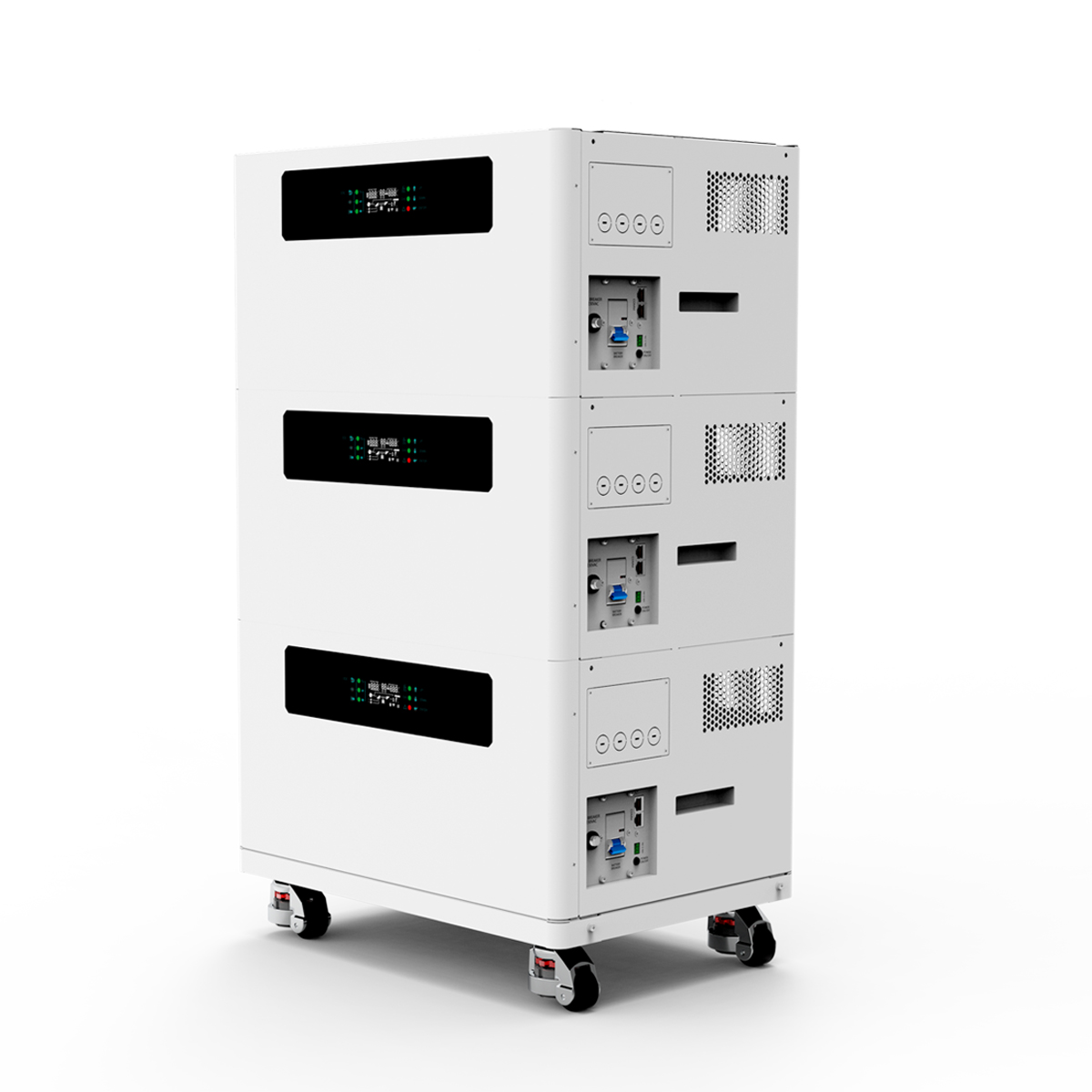
15360Wh Energy Storage Battery
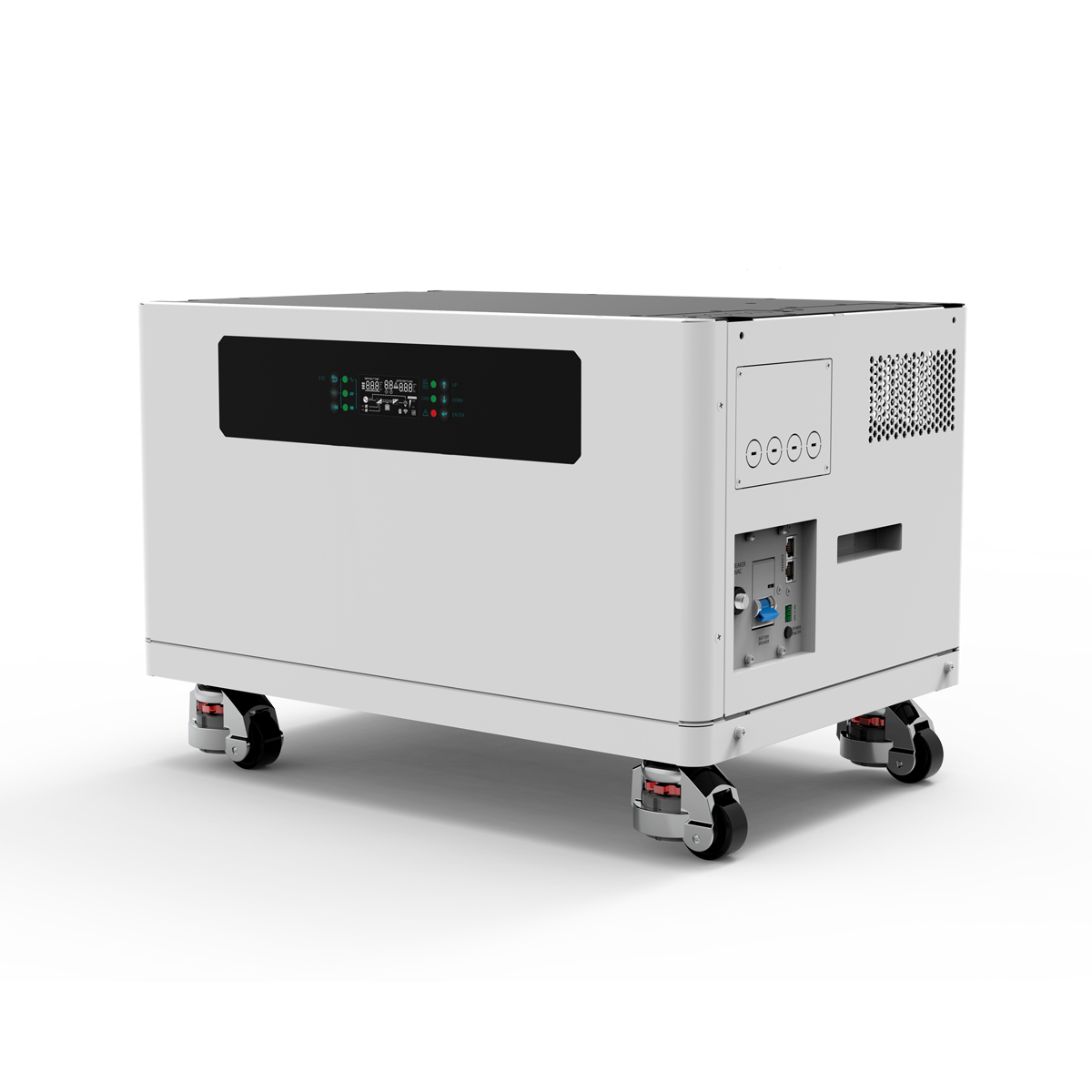
5120Wh Energy Storage Battery
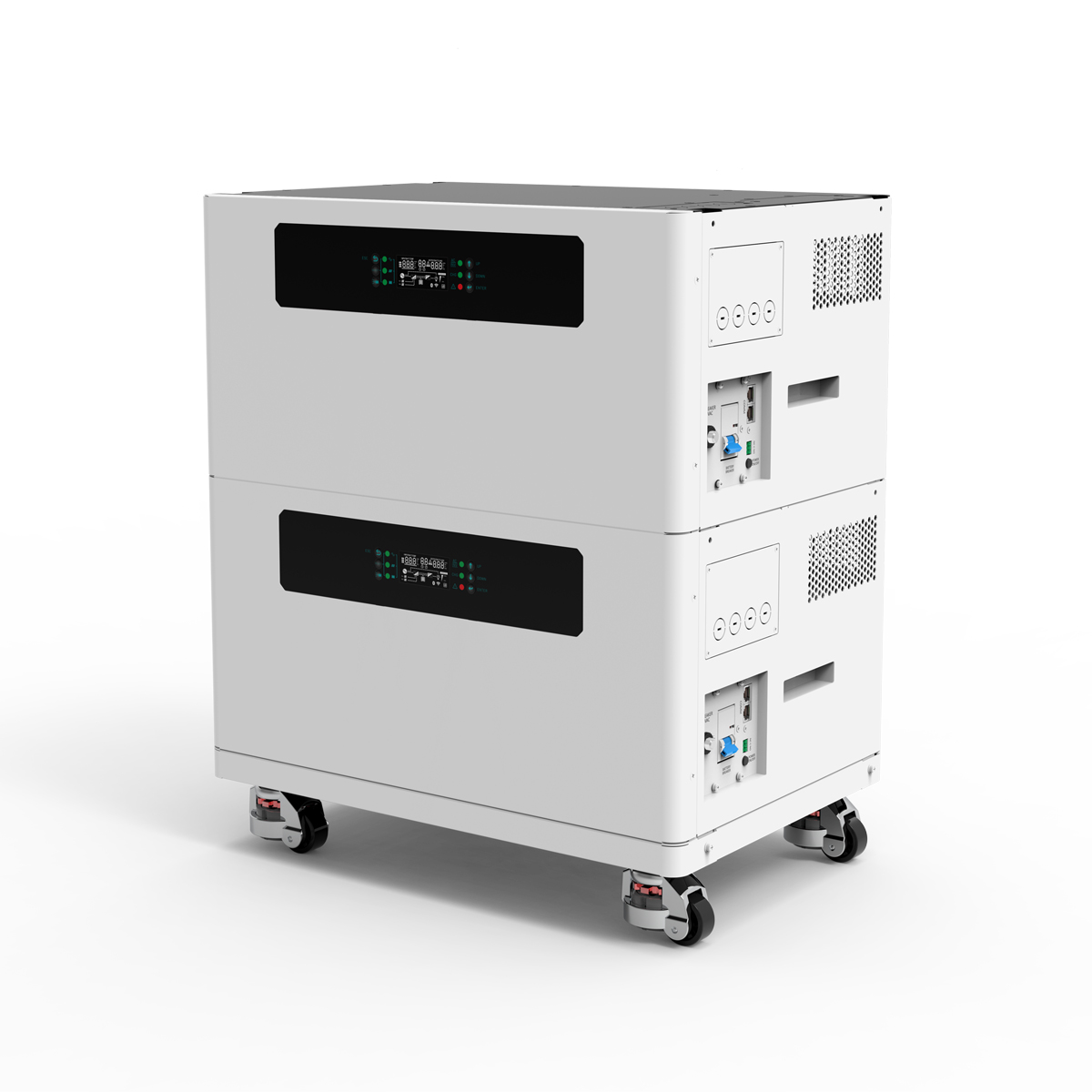
10240Wh Energy Storage Battery
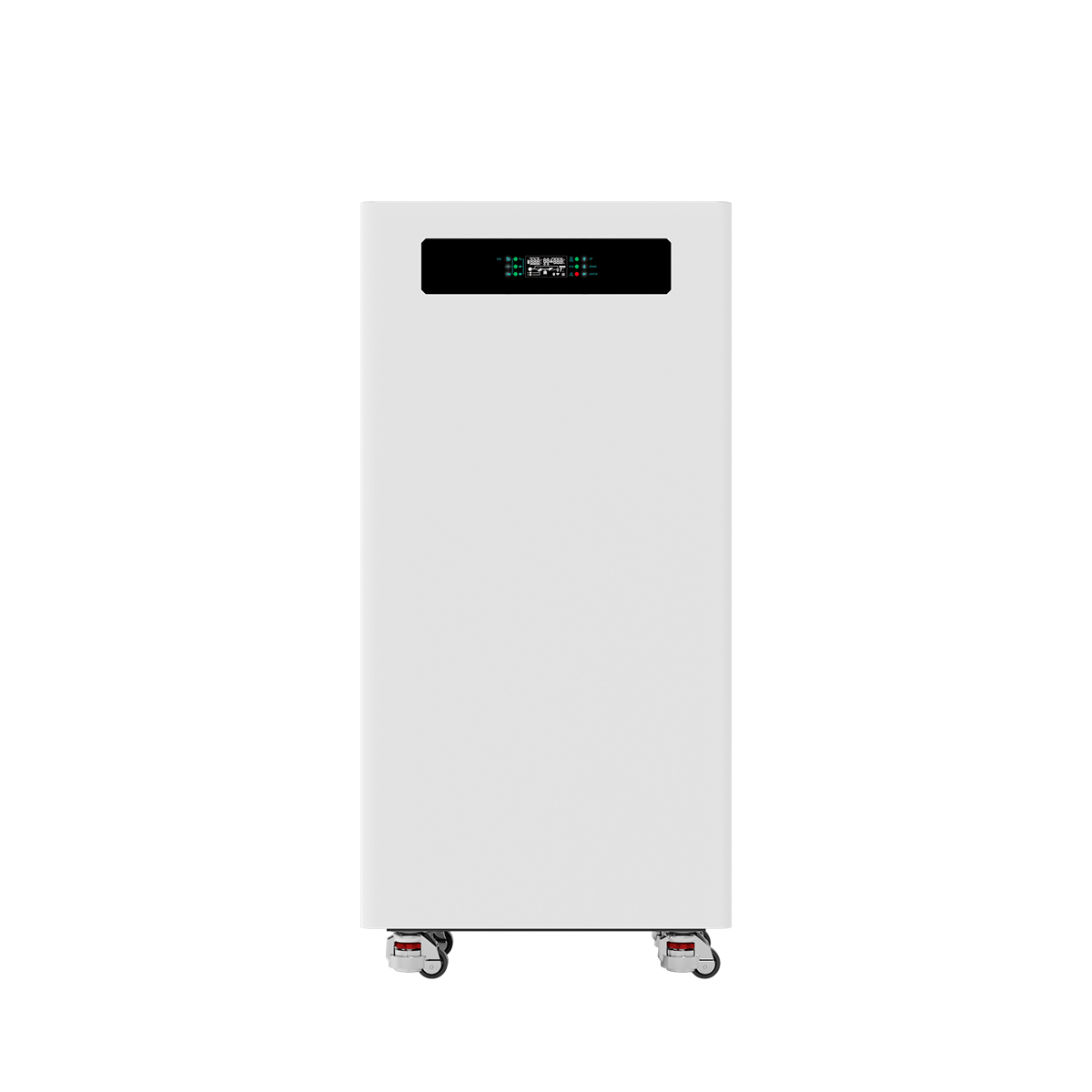
16KWh Hybrid Inverter
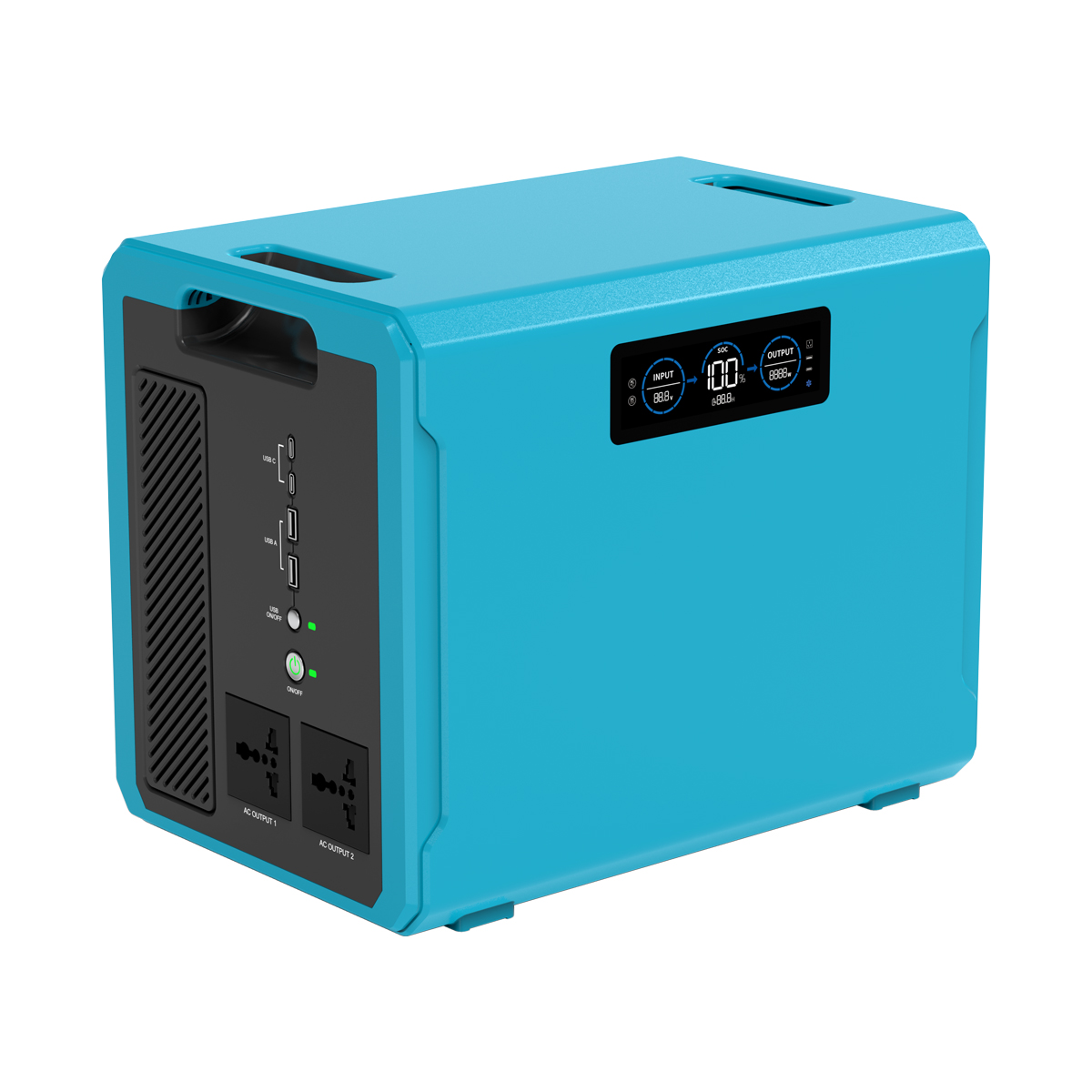
2000W Sky Blue
What newer alternatives to outdoor emergency power supplies could reduce our cost?
Newer alternatives to outdoor emergency power supplies that could reduce cost include portable power stations for light, mobile loads; household solar energy storage for daily backup; and industrial or commercial systems for peak-valley electricity shifting. The right choice depends on load size, operating pattern, solar availability, order volume, and required delivery configuration.
Core Solutions & Key Takeaways
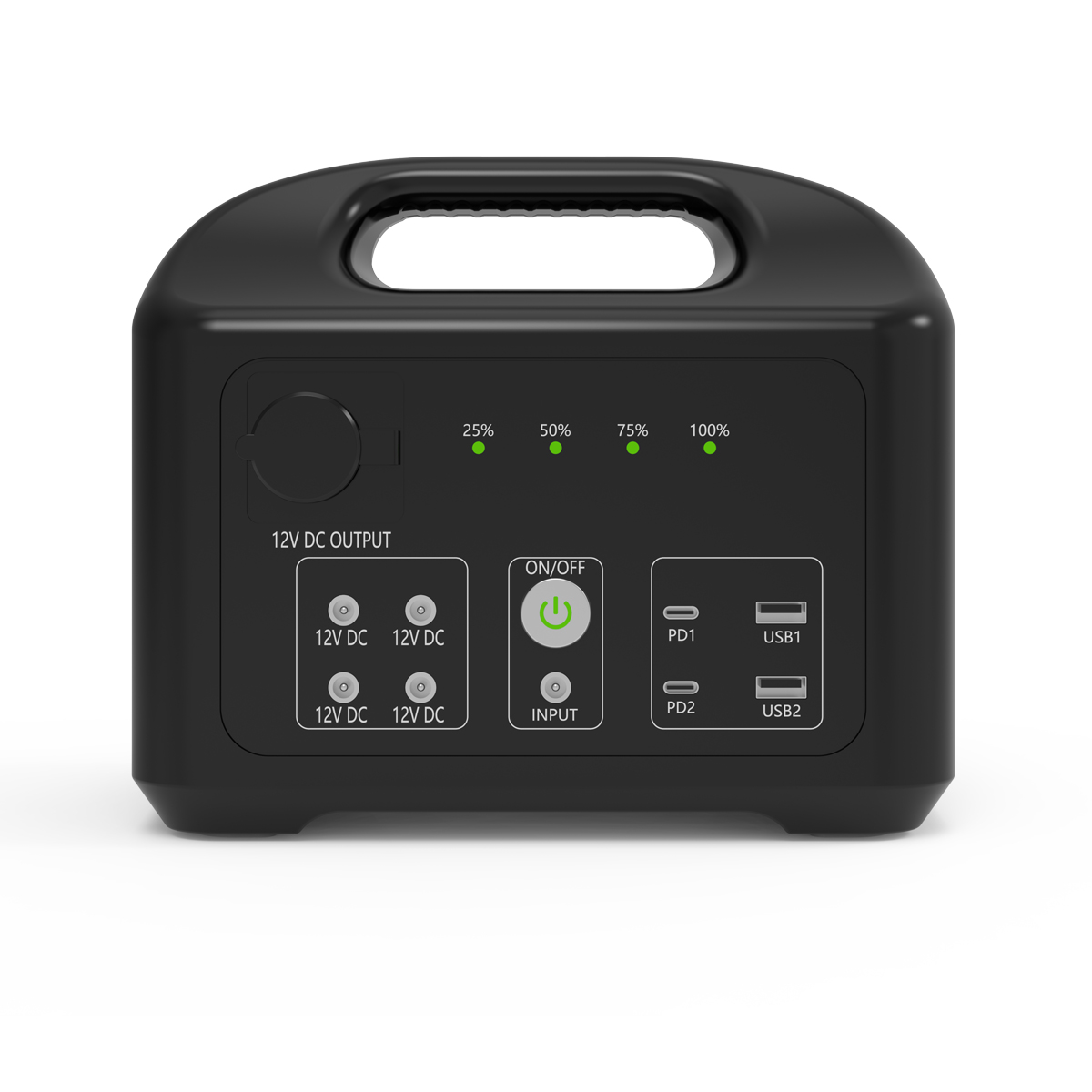
- A 200W black portable power station suits camping, RV use, field-work equipment, and other mobile applications requiring limited power output.
- Household solar-energy storage can store electricity generated during the day for night-time use and blackout backup, reducing dependence on purchased electricity where a solar system is available.
- Industrial and commercial energy storage can support peak-valley electricity-price shifting for factories, helping address high electricity expenses through scheduled energy use.
- Off-grid photovoltaic systems, standalone island power supplies, and remote-area systems provide alternatives for locations where grid access is limited or power stability is low.
Detailed Architectural/Principle Analysis
Outdoor emergency power supplies and newer energy-storage alternatives serve different operating requirements. A portable power station is designed for mobile and temporary use, including camping, RVs, field-work equipment, construction sites, and exhibition events. The 200W Black Portable Power Station is listed under the “Outdoor Emergency Power Supply” category, with a minimum order quantity of 100 pieces and a stated delivery time of 15 days.
For recurring household demand, solar-energy storage changes the operating principle from occasional emergency use to regular energy management. Electricity generated by solar panels can be stored for night-time power supply and blackout backup. The listed residential applications include household solar-energy storage, emergency backup for villas and homestays, and portable power stations for outdoor activities.
For factories and other commercial users, energy storage can be applied to peak-valley electricity-price shifting. The stated purpose is to cut power expenses by storing and using electricity according to the applicable pricing periods. The same product category can support uninterrupted backup for stores, office buildings, hotels, temporary construction-site power, and exhibition events, subject to the selected system specification.
Photovoltaic supporting systems extend the application to off-grid PV power stations, grid-tied energy-storage systems, standalone power supplies for islands, and remote mountain areas. Infrastructure applications include continuous power for communication base stations and monitoring facilities, as well as emergency power for hospitals, firefighting stations, and data rooms.
Cost reduction should be assessed against the actual operating pattern. A portable unit may reduce the need for a larger fixed system when the requirement is mobile and limited. Household storage may be more suitable when solar generation and night-time consumption are recurring factors. Industrial and commercial storage has a clearer cost-management purpose where peak-valley electricity-price shifting applies. The available product data does not provide purchase prices, energy capacities, payback periods, or electricity tariffs, so a precise cost saving cannot be calculated from the supplied information.
The supplier reports comprehensive quality-inspection procedures for energy-storage batteries, including appearance inspection, voltage and internal-resistance detection, charge-discharge capacity testing, BMS-protection verification, hi-pot insulation testing, high- and low-temperature experiments, vibration and drop testing, and ageing burn-in screening. The knowledge base lists CE certifications for inverters, including certificates CE-INV-260618-0001 and CE-INV-260618-0002, applicable to exports to the EU, Middle East, Africa, and South America.
A Southeast Asian cooperation case involved the distribution of 1GWh of energy-storage products to an overseas power enterprise for residential and industrial-commercial use. The stated project addressed unstable regional power grids and high electricity prices, with systems suitable for high-temperature environments and local after-sales service centers. This case demonstrates experience serving end-use customers across residential and industrial applications.
Data/Solution Comparison
| Alternative | Primary use | Potential cost rationale | Information available from the data |
|---|---|---|---|
| 200W portable power station | Camping, RVs, field-work equipment, and temporary outdoor power | Suitable for limited mobile loads without selecting a larger fixed system | MOQ: 100 pieces; delivery time: 15 days; export markets: North America, South America, Europe, Middle East, Africa, and Southeast Asia |
| Household solar-energy storage | Night-time household supply and blackout backup | Uses stored solar generation for recurring household demand | Applicable to residential solar-energy storage, villas, and homestays; exact capacity and price are not provided |
| Industrial and commercial energy storage | Factories, stores, office buildings, hotels, and temporary commercial sites | Supports peak-valley electricity-price shifting and backup power | Application includes power-expense reduction; electricity tariffs, capacity, and payback data are not provided |
| Off-grid photovoltaic energy storage | Islands, remote mountain areas, pastoral zones, and isolated facilities | Provides standalone power where grid access or stability is limited | Listed applications include off-grid PV stations, islands, remote areas, communication bases, and monitoring facilities |
Frequently Asked Questions (FAQ)
Which alternative is suitable for camping or RV use?
A portable power station is the listed option for camping, RVs, and field-work equipment. The supplied product is a 200W black portable power station intended for outdoor emergency power applications.
Can household energy storage reduce electricity costs?
Household solar-energy storage can store electricity generated by solar panels for night-time use and blackout backup. The supplied data does not include electricity tariffs, system prices, storage capacity, or a calculated saving amount, so the actual reduction requires project-specific information.
What should factories consider when replacing an emergency-only supply?
Factories should evaluate whether peak-valley electricity-price shifting, uninterrupted backup, or both are required. Industrial and commercial energy storage is listed for reducing power expenses, while the appropriate system specification depends on the facility's operating requirements.
Final Conclusion & Recommendations
Choose a portable power station when the requirement is mobile, temporary, and limited to equipment such as camping or field-work loads. Evaluate household solar-energy storage for recurring solar generation, night-time consumption, and blackout backup. Evaluate industrial and commercial storage where peak-valley electricity-price shifting or extended backup can address operating costs. The supplier operates as an integrated industrial and trading enterprise, supports bulk orders and OEM/ODM cooperation, and states a monthly capacity of more than 5,000 energy-storage products. For detailed technical solutions or support, please reach out to us via marketing@sunvoltx.com.
About Us
shenzhen sunvoltx intelligent technology Co., Ltd. specializes in the R&D, production, customization, and wholesale of energy-storage power supplies, inverters, chargers, portable power stations, and related products. Its R&D team conducts scheme design, hardware commissioning, software development, and performance testing for OEM/ODM customized development. Production capacity exceeds 5,000 energy-storage products per month, with markets across North America, South America, Europe, the Middle East, Africa, and Southeast Asia. The company lists CE certifications for inverters and has served clients across multiple industries.
Give Us What You Need
SUBSCRIBE
INQUIRY