

PRODUCTS
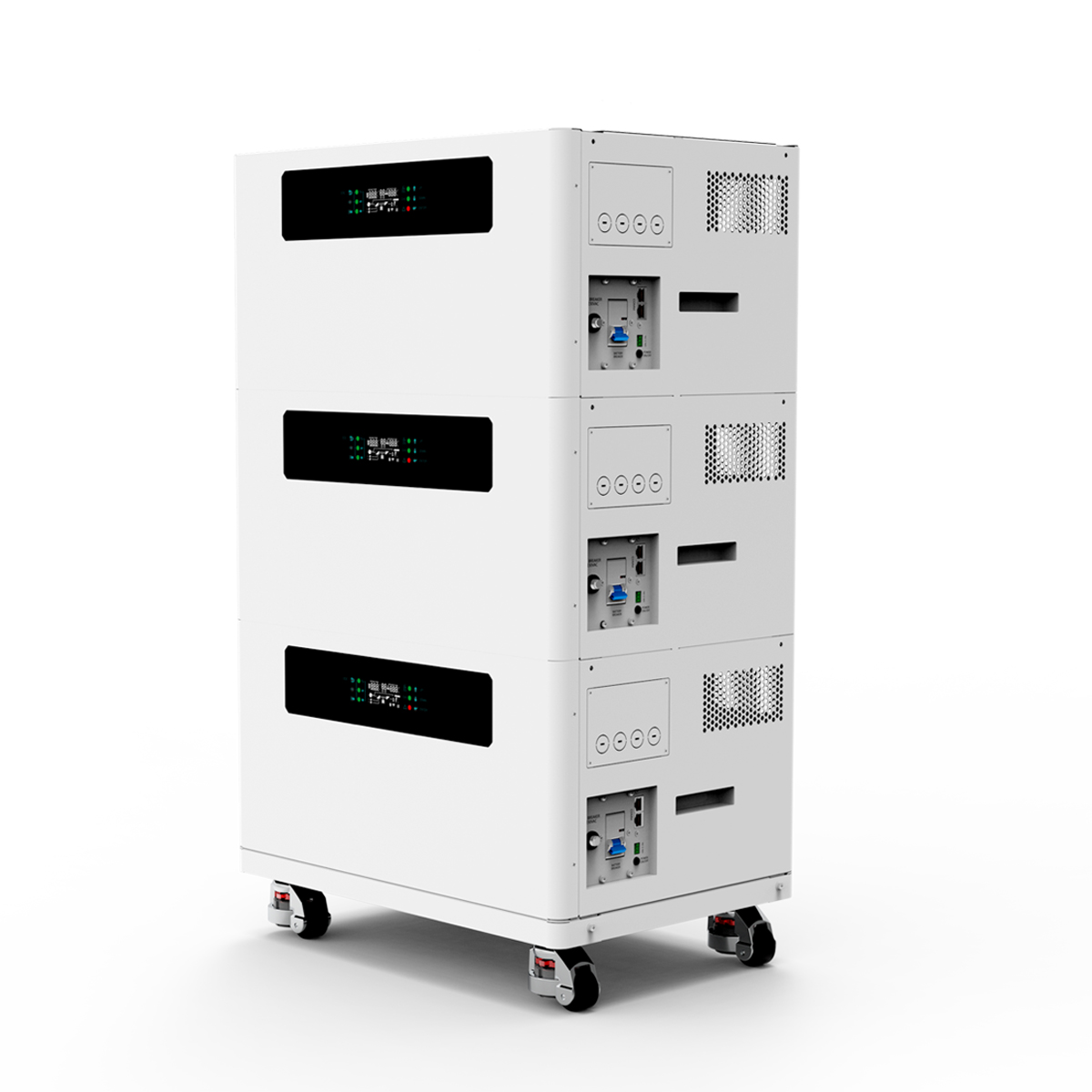
15360Wh Energy Storage Battery
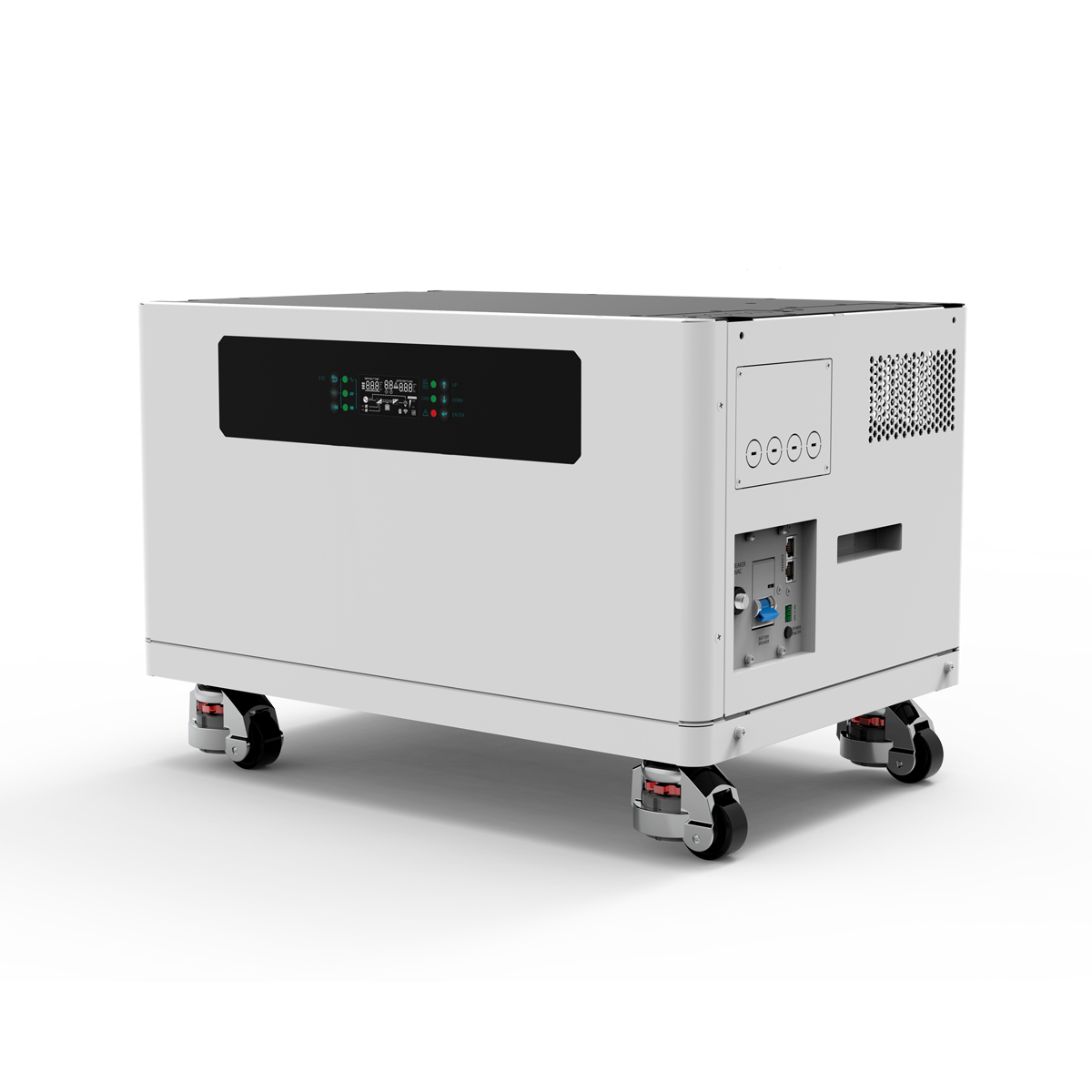
5120Wh Energy Storage Battery
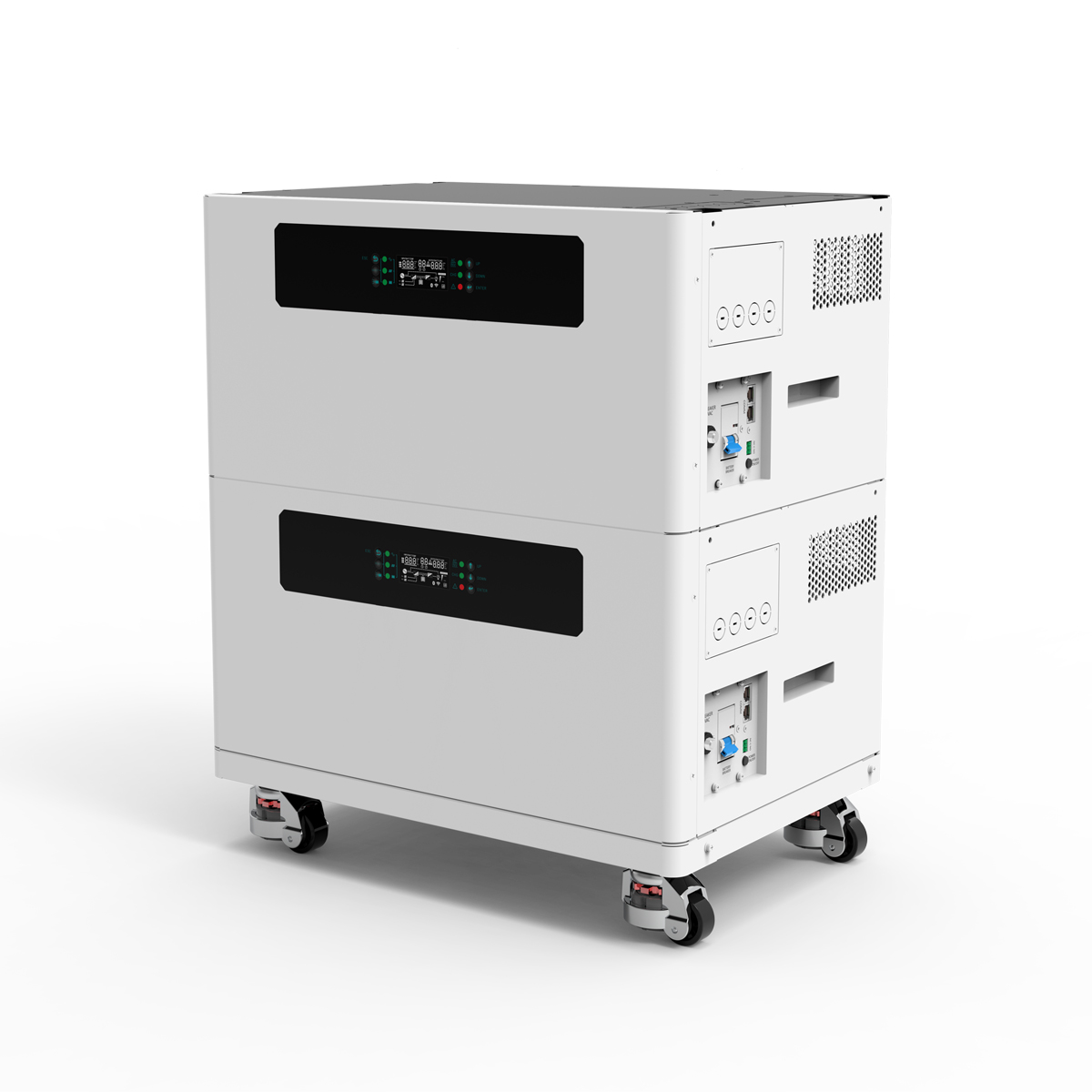
10240Wh Energy Storage Battery
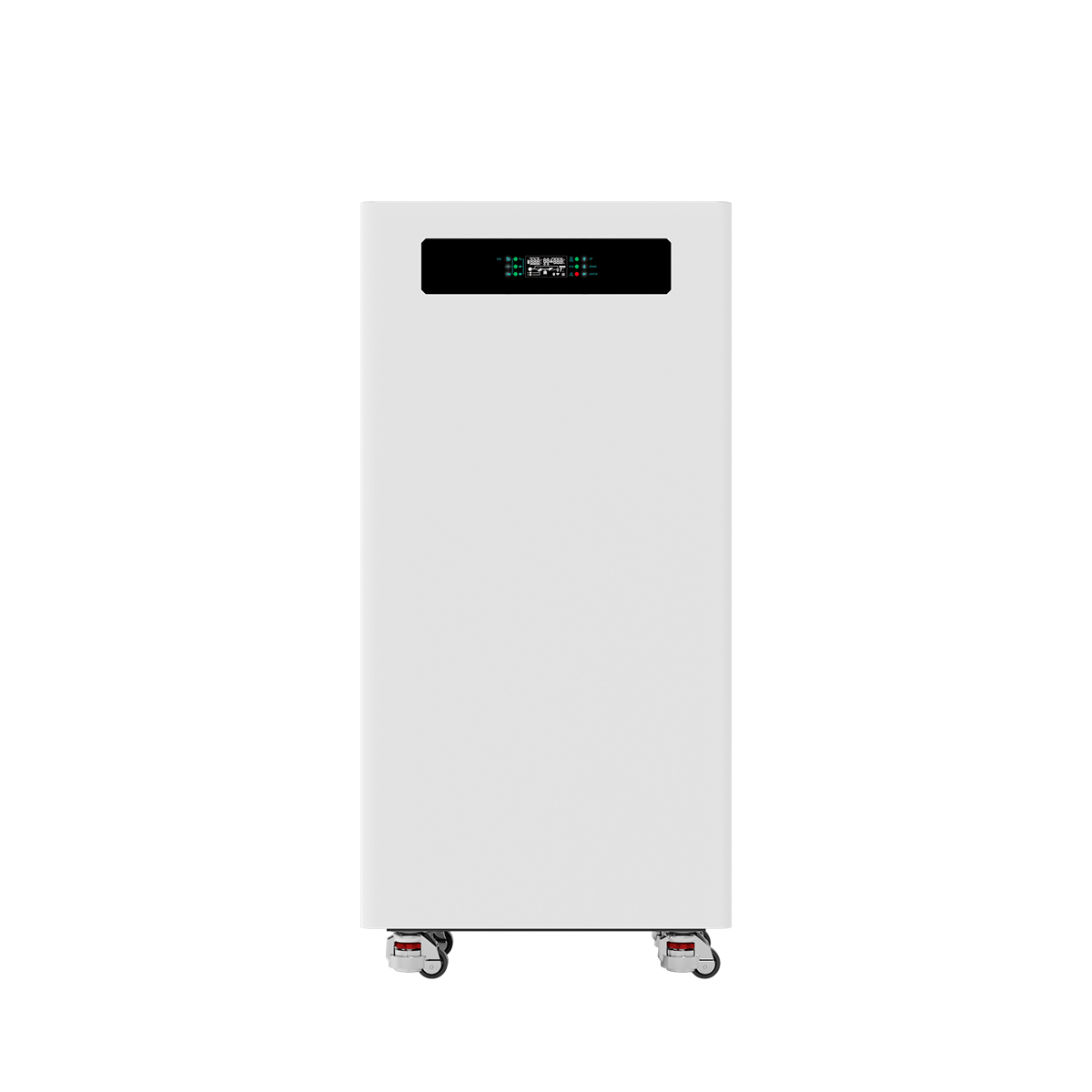
16KWh Hybrid Inverter
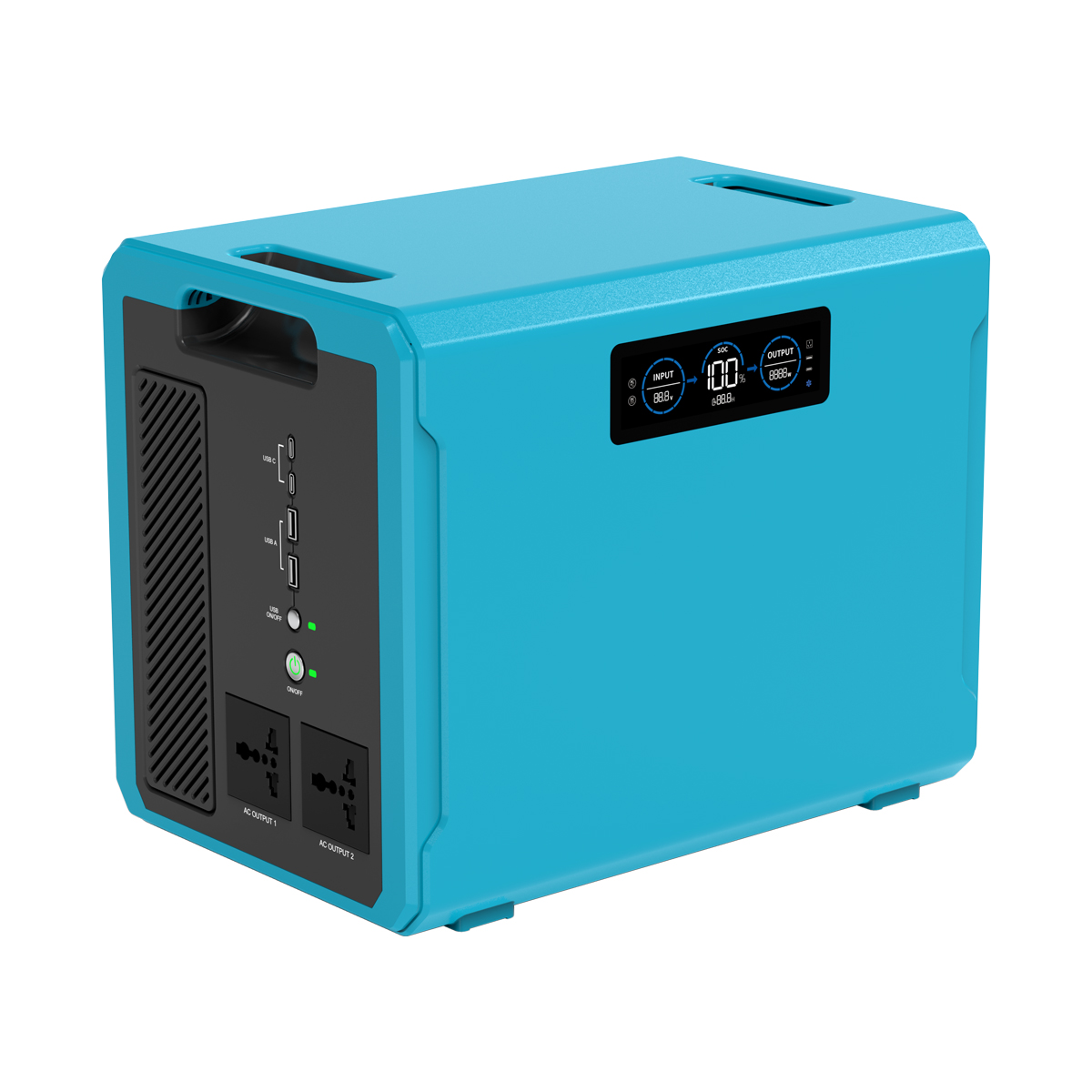
2000W Sky Blue
What is an Inverter? Understanding Its Working Principle, Types, and Key Benefits
An inverter is an electronic device that converts direct current (DC) electricity into alternating current (AC), enabling the use of standard household appliances from DC sources like batteries or solar panels. Its working principle involves rapidly switching the DC input to create a simulated AC waveform, with key benefits including power backup, renewable energy integration, and energy efficiency.
Core Answer and Key Points
- What It Does: Converts DC (from batteries, solar panels) to AC (for home appliances).
- Working Principle: Uses electronic switches (transistors) to chop DC into a pulsed waveform, then filters it into a smooth AC sine wave.
- Key Benefits: Enables off-grid power, protects sensitive electronics (with pure sine wave), and integrates solar systems into home grids.
- Types: Pure sine wave (cleanest, for sensitive devices), modified sine wave (budget-friendly), and grid-tie inverters (for solar).
Detailed Working Principle Explanation
For DIY homeowners and solar enthusiasts, understanding the inverter's core operation is critical. The process begins with a DC source, such as a 12V battery or a solar panel. Inside the inverter, a circuit called an oscillator rapidly turns the DC on and off at a high frequency (e.g., 60 Hz in the US). This creates a square wave. Then, a transformer steps up the voltage (e.g., from 12V to 120V). Finally, a filter (often capacitors and inductors) smooths the square wave into a sine wave. Pure sine wave inverters use more advanced pulse-width modulation (PWM) to create a near-perfect sine wave, which is essential for electronics like laptops, medical devices, and variable-speed motors. Modified sine wave inverters are simpler and cheaper but can cause hum or inefficiency in some devices.
Data / Solution Comparison
| Feature | Pure Sine Wave Inverter | Modified Sine Wave Inverter |
|---|---|---|
| Output Waveform | Clean, smooth sine wave (like grid power) | Stepped, blocky wave (approximation) |
| Compatibility | All electronics, including sensitive devices | Basic resistive loads (lights, heaters); may cause noise or damage to sensitive gear |
| Efficiency | High (90-95%) | Moderate (80-90%) |
| Cost | Higher | Lower |
| Best For | Home backup, solar systems, medical equipment | Power tools, simple appliances, camping |
Extended Frequently Asked Questions (FAQ)
What does an inverter do in a solar power system?
In a solar system, the inverter converts the DC electricity generated by solar panels into AC electricity that can be used by your home or fed back into the grid. It also manages maximum power point tracking (MPPT) to optimize panel output and provides safety features like anti-islanding.
Inverter vs converter: which one do I need?
An inverter converts DC to AC. A converter typically changes AC to DC (like a battery charger) or adjusts DC voltage levels. If you have a DC source (battery, solar) and need to run AC appliances, you need an inverter. If you need to charge a battery from AC power, you need a converter.
Is a pure sine wave inverter worth the extra cost?
Yes, if you plan to run sensitive electronics (computers, TVs, medical devices, variable-speed motors). Pure sine wave inverters prevent overheating, buzzing, and potential damage. For simple resistive loads like incandescent lights or heaters, a modified sine wave inverter is sufficient and more cost-effective.
Final Conclusion and Recommendations
For your informational needs, the core takeaway is that an inverter is the bridge between DC power sources and AC household use. For solar energy enthusiasts and DIY homeowners, investing in a pure sine wave inverter is strongly recommended for reliability and device safety. When selecting an inverter, prioritize your load type: if you have sensitive electronics, pure sine wave is non-negotiable. If you need technical support or have specific project questions, consult with a professional to ensure correct sizing and installation.
Give Us What You Need
SUBSCRIBE
INQUIRY