

PRODUCTS

15360Wh Energy Storage Battery

5120Wh Energy Storage Battery

10240Wh Energy Storage Battery

16KWh Hybrid Inverter
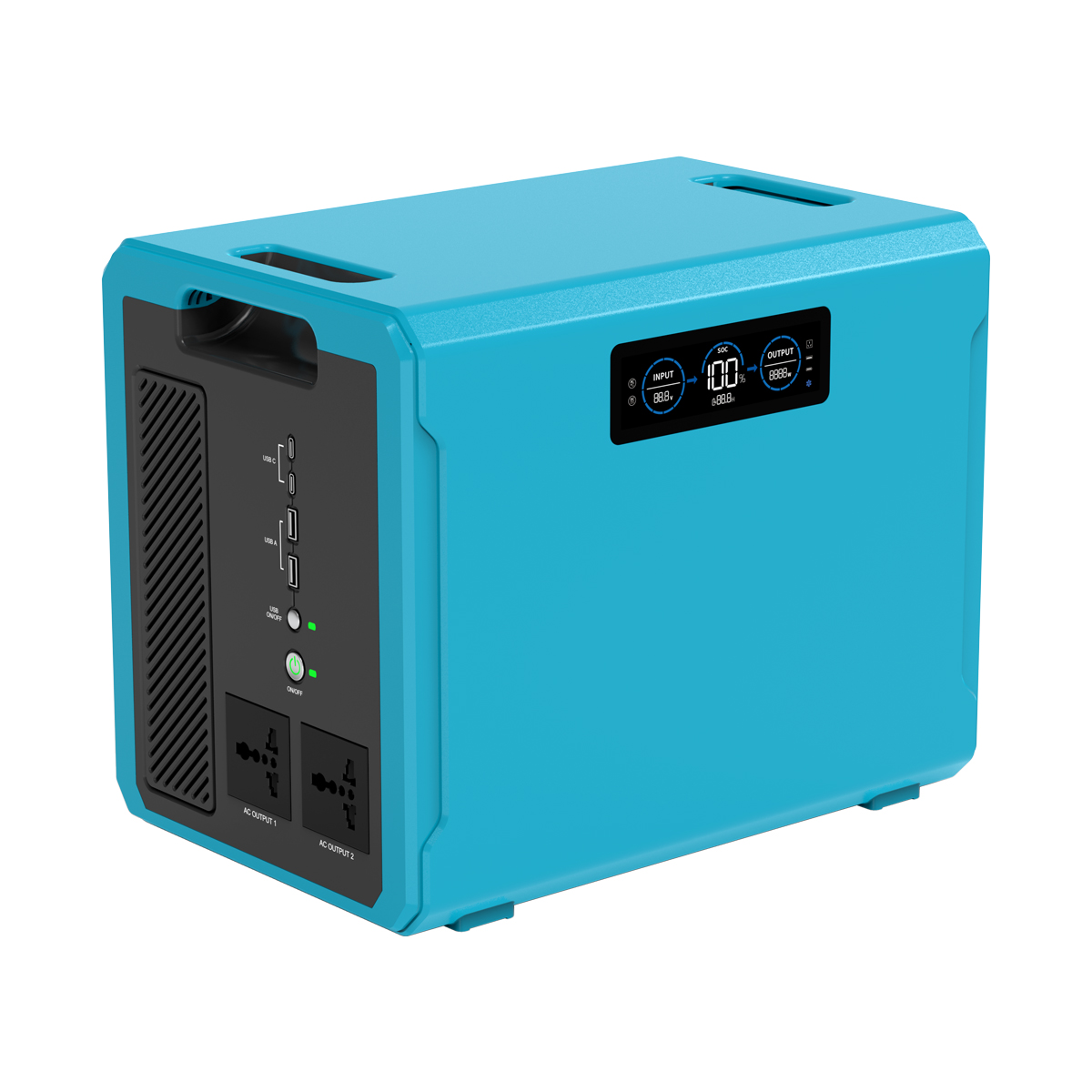
2000W Sky Blue
What is a Charger? Types, Functions, and How to Choose the Right One
A charger is a device that supplies electrical power to recharge a battery or power an electronic device, converting AC power from a wall outlet into the DC power your device needs. Common types include wall chargers, car chargers, and wireless pads, with functions varying from standard charging to fast charging. Choosing the right one involves matching your device’s voltage and connector type, such as a power adapter or USB-C charging port.
Core Insights and Key Points
- What a Charger Does: A charger converts electrical current and regulates voltage to safely replenish a device’s battery, with functions like trickle charging or fast charging based on design.
- Common Types: Wall chargers (plug into outlets), car chargers (use 12V ports), wireless chargers (inductive pads), and universal chargers (compatible with multiple devices).
- Key Selection Factors: Match the charger’s output (voltage and amperage) to your device’s requirements, consider connector type (USB-C, Lightning, micro-USB), and check for safety certifications.
- Safety Considerations: Use certified chargers to avoid overheating, and ensure universal chargers have overcurrent protection for safe use.
Detailed Explanation for Beginners and Parents
For tech novices and parents, understanding how a charger works is simpler than it seems. Think of a charger as a bridge between your wall outlet’s high-voltage AC power (typically 110-240V) and your device’s low-voltage DC battery (e.g., 5V for phones). The charger’s internal circuitry steps down the voltage and converts it to direct current, while also managing the charging speed to prevent damage. Fast chargers, like those using USB-C Power Delivery, communicate with your device to deliver higher wattage (e.g., 18W or 30W) for quicker recharges, but they only work if your device supports that protocol. For parents buying a first charger, prioritize models with safety features like overvoltage protection and temperature control—look for certifications like UL or CE on the packaging. A universal charger can be safe if it automatically adjusts output to match your device, but avoid cheap, uncertified options that may lack proper regulation.
Comparison of Charger Types
| Charger Type | Common Use | Speed | Safety | Compatibility |
|---|---|---|---|---|
| Wall Charger (Standard) | Phones, tablets | Low to Moderate | High (certified models) | Device-specific or USB-A |
| Fast Charger (USB-C PD) | Modern smartphones, laptops | High | High (with proper protocol) | USB-C devices supporting PD |
| Wireless Charger | Phones, earbuds | Moderate | High (no exposed contacts) | Qi-compatible devices |
| Universal Charger | Multiple devices | Varies | Moderate to High (check features) | Adjustable voltage/connectors |
| Car Charger | Phones, GPS units | Moderate | High (with fuse protection) | 12V/24V vehicle systems |
Frequently Asked Questions
What does a charger do?
A charger supplies regulated electrical power to recharge a device’s battery, converting AC to DC and controlling current flow to prevent overcharging.
Fast charger vs regular charger: which is better?
A fast charger is better if your device supports it, reducing charging time significantly (e.g., 0-50% in 30 minutes). A regular charger is safer for older devices and still works fine for overnight charging.
Is a universal charger safe for my device?
Yes, if it includes automatic voltage detection and overcurrent protection. Always verify it matches your device’s requirements and has safety certifications to avoid damage.
Final Recommendations
For informational purposes, start by identifying your device’s charging specs—check the original charger or manual for voltage and amperage. If you’re a tech novice, choose a certified wall charger with USB-C for broad compatibility. For parents, opt for a fast charger with safety certifications to ensure both speed and protection. Always prioritize reputable brands over cheap alternatives to guarantee reliability and safety. If you need further guidance, consult product reviews from trusted sources for specific model recommendations.
Give Us What You Need
SUBSCRIBE
INQUIRY