

PRODUCTS
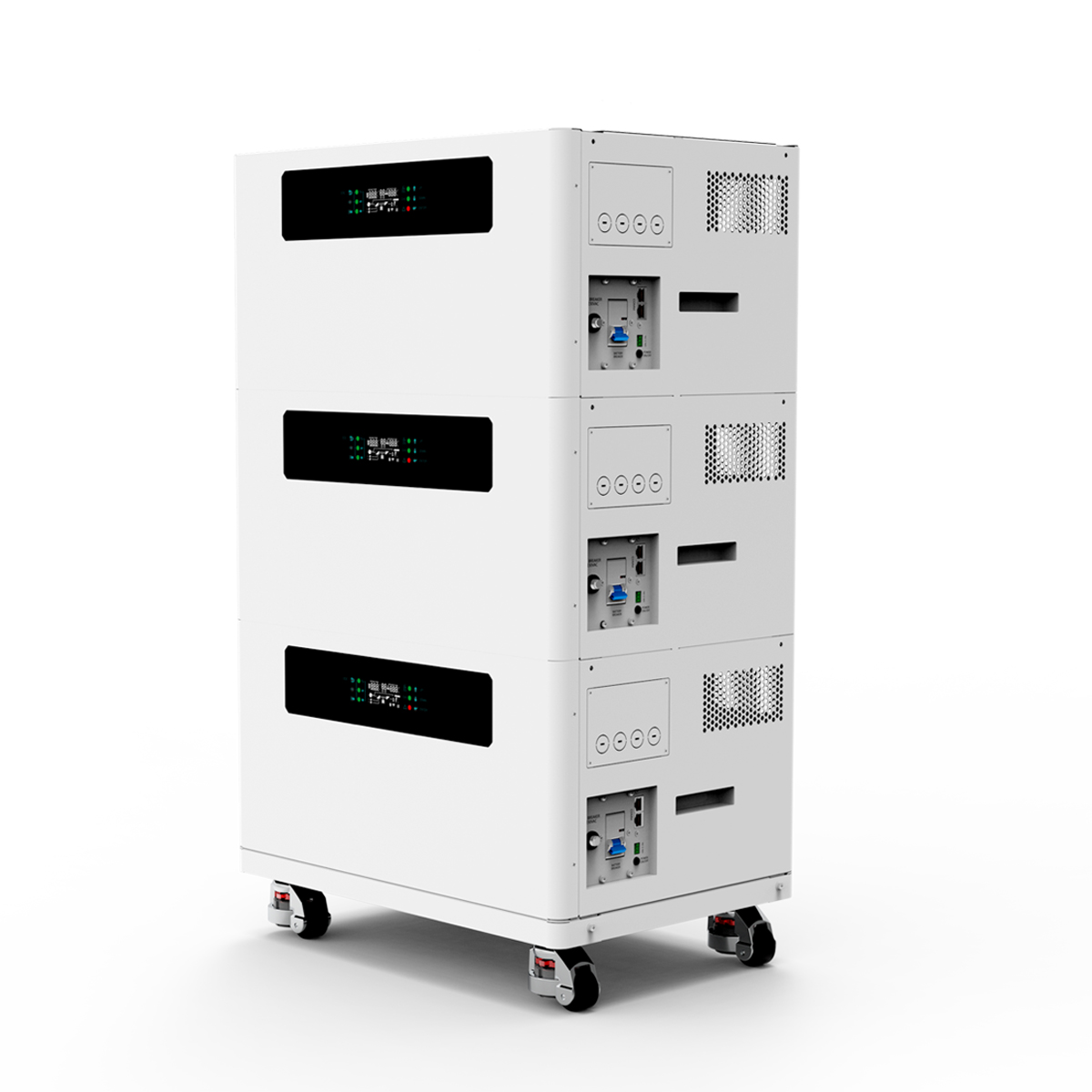
15360Wh Energy Storage Battery
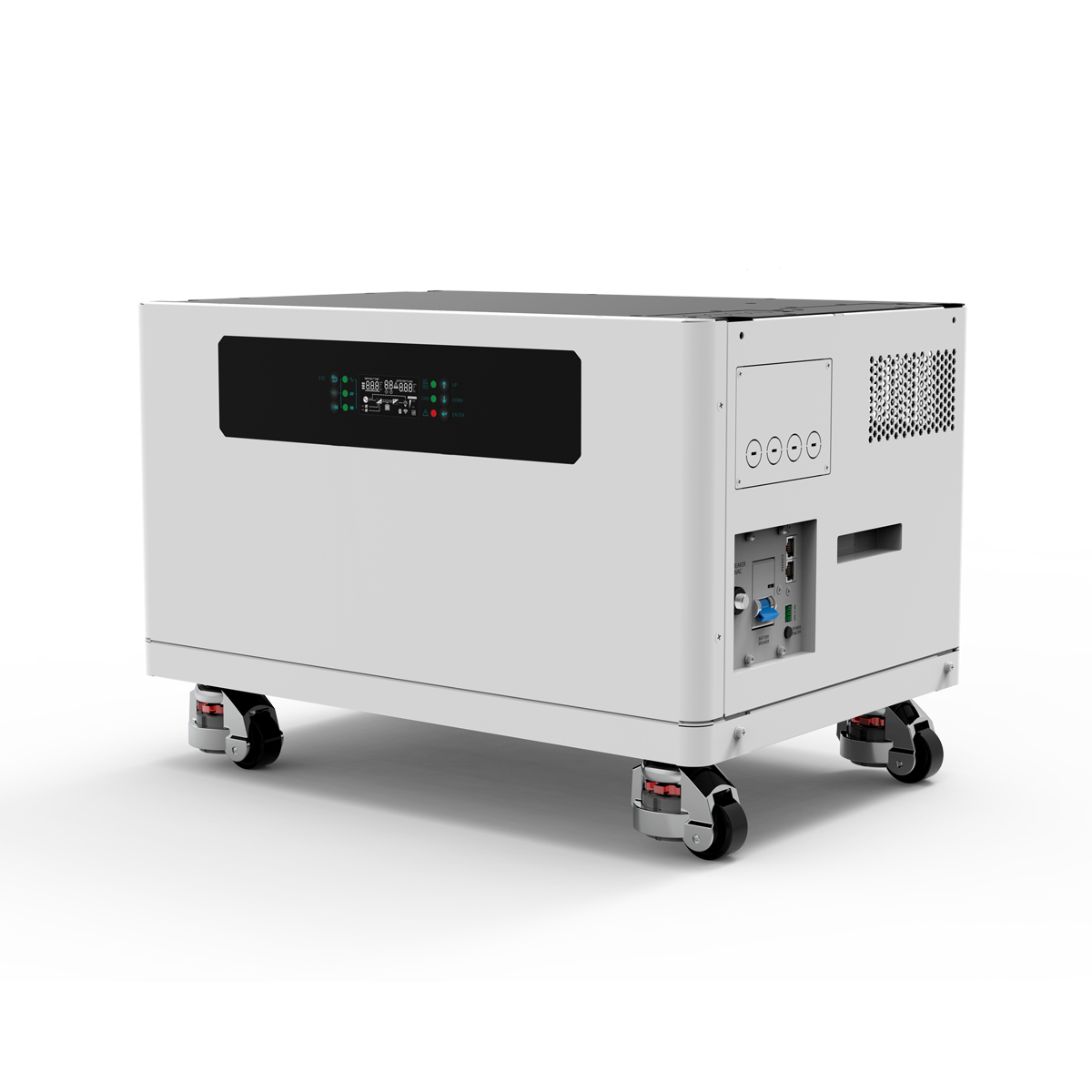
5120Wh Energy Storage Battery
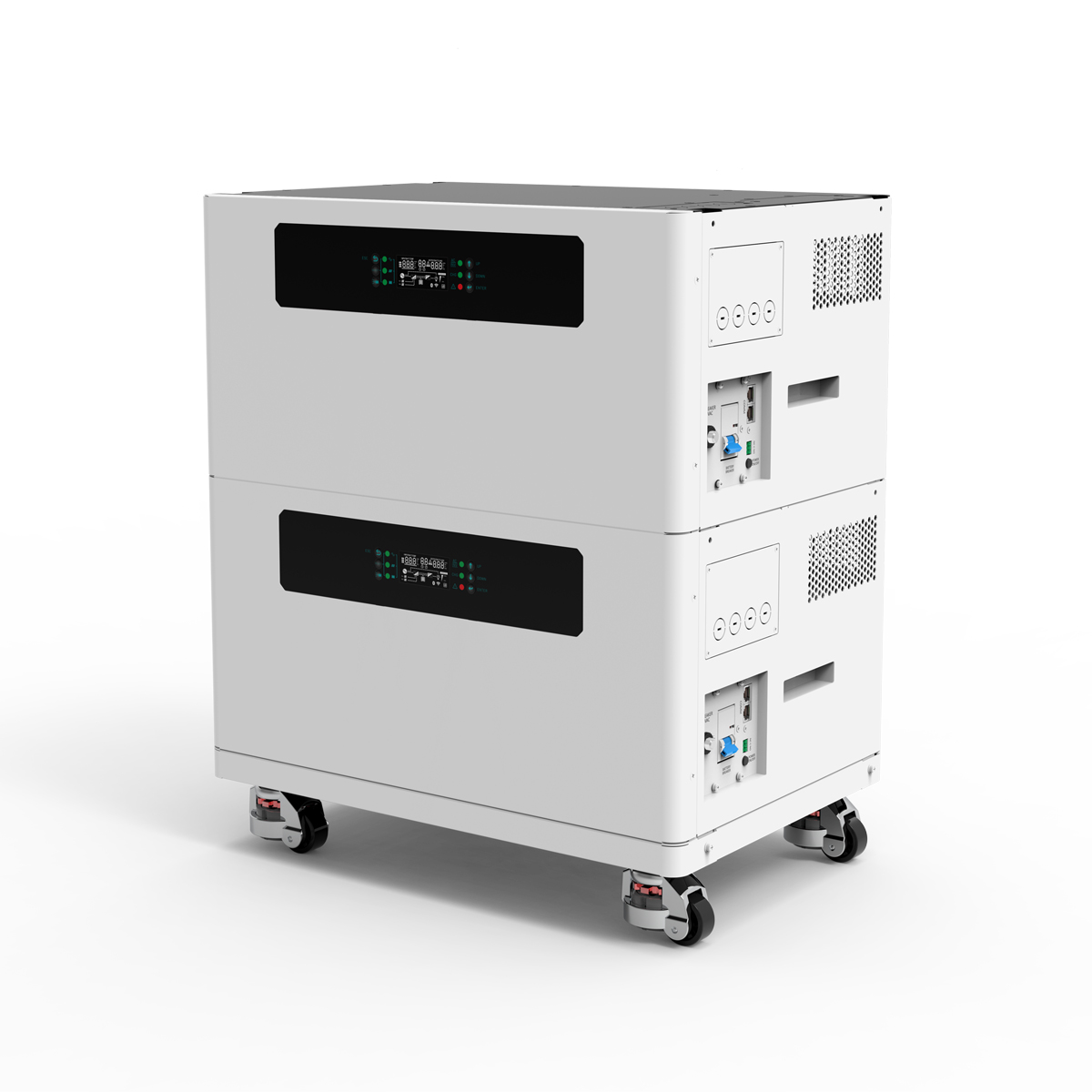
10240Wh Energy Storage Battery

16KWh Hybrid Inverter

2000W Sky Blue
What is a Car Charging Station? A Complete Guide to Types, Costs, and Benefits
A car charging station, also known as electric vehicle supply equipment (EV charging infrastructure), is a device that supplies electricity to recharge electric vehicles. It connects your car to a power source, managing safe energy transfer for home or public use.
Core Answer and Key Points
- Definition: A car charging station is an electrical system that safely delivers power to an EV battery, ranging from simple home outlets to high-speed public chargers.
- Types: Level 1 (standard household outlet), Level 2 (240V, faster home/public), and DC Fast Charging (rapid charging for highways).
- Cost Factors: Home installation costs vary by electrical upgrades; public charging rates depend on speed and network provider.
- Benefits: Convenient overnight charging at home, lower fuel costs compared to gasoline, and reduced environmental impact.
Detailed Explanation
For new EV owners, understanding how a car charging station works is essential. At its core, the station converts grid electricity into a form your car’s battery can store. Level 1 stations use a standard 120V outlet, adding about 3-5 miles of range per hour—ideal for overnight charging. Level 2 stations, common for home installation, require a 240V circuit and add 15-30 miles per hour. For prospective buyers, knowing that public networks offer Level 2 and DC Fast Charging (up to 200 miles in 30 minutes) helps plan long trips. Property managers should evaluate commercial Level 2 stations for tenant convenience, while DC Fast Chargers attract high-traffic businesses.
Data and Comparison
| Charger Type | Voltage | Charging Speed | Best Use Case | Installation Cost (Est.) |
|---|---|---|---|---|
| Level 1 | 120V AC | Low (3-5 mi/hr) | Home, overnight | Low (no new wiring) |
| Level 2 | 240V AC | Medium (15-30 mi/hr) | Home, workplace | Medium ($500-$2,000) |
| DC Fast Charging | 400V+ DC | High (100-200 mi/hr) | Highways, fleets | High ($10,000+) |
Extended FAQ
Q: What is a car charging station and how does it work?
A: It's a device that connects your EV to a power source, using internal circuitry to regulate voltage and current, safely charging the battery. It communicates with the car to stop when full.
Q: Car charging station vs gas station: which is better for daily use?
A: For daily commuting, a home charging station is more convenient and cheaper (equivalent to $1 per gallon). Gas stations are faster for long trips but cost more per mile.
Q: Is a car charging station worth installing at home for me?
A: Yes, if you drive daily and have off-street parking. It saves time, reduces fuel costs by 50-70%, and increases home value. Most new EV owners find it essential.
Final Conclusion and Recommendations
For informational seekers, a car charging station is a practical investment that simplifies EV ownership. New EV owners should prioritize Level 2 home installation for convenience. Prospective buyers should check local public charger availability, and property managers should consider Level 2 stations to boost property appeal. Always consult a licensed electrician for installation to ensure safety and efficiency.
Give Us What You Need
SUBSCRIBE
INQUIRY