

PRODUCTS
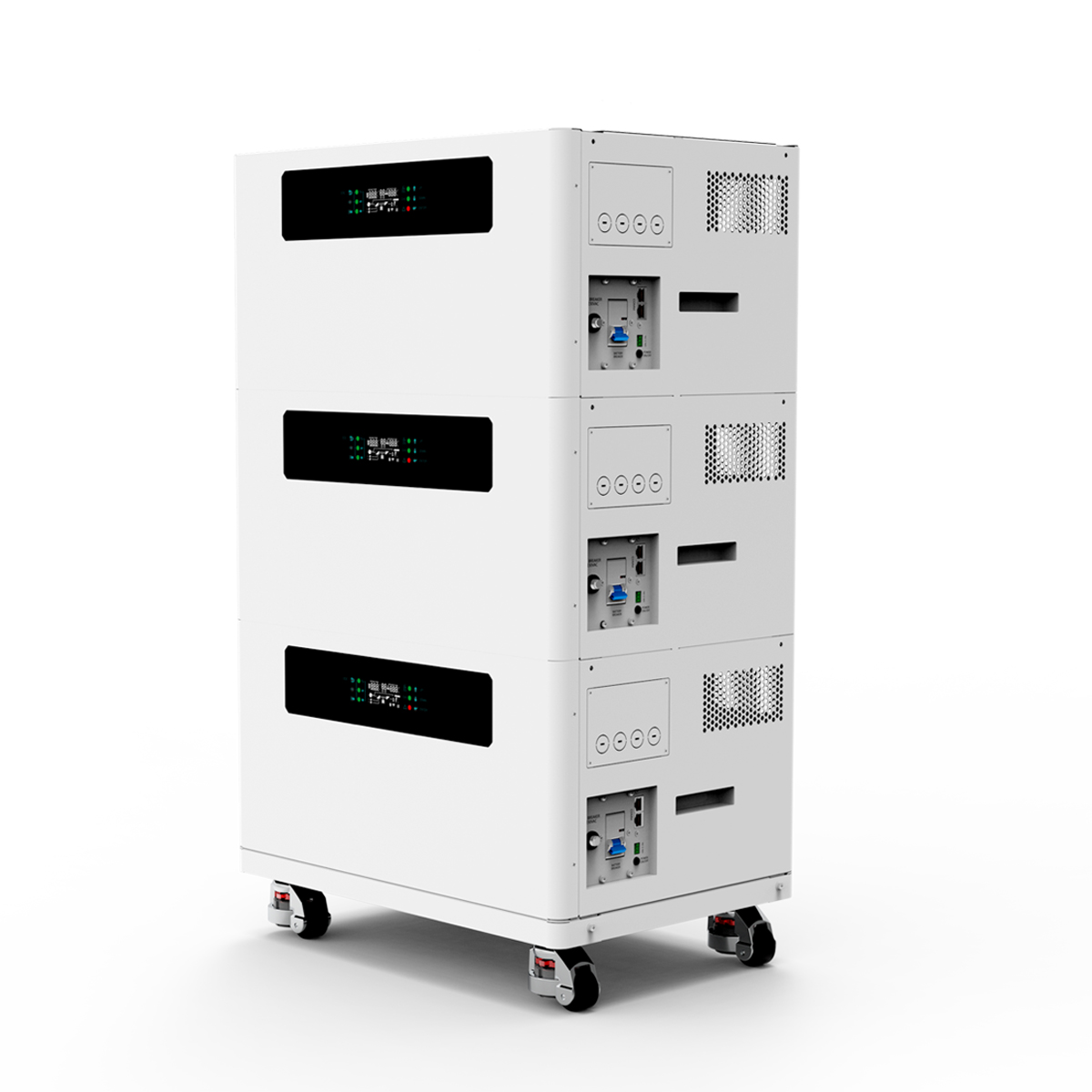
15360Wh Energy Storage Battery
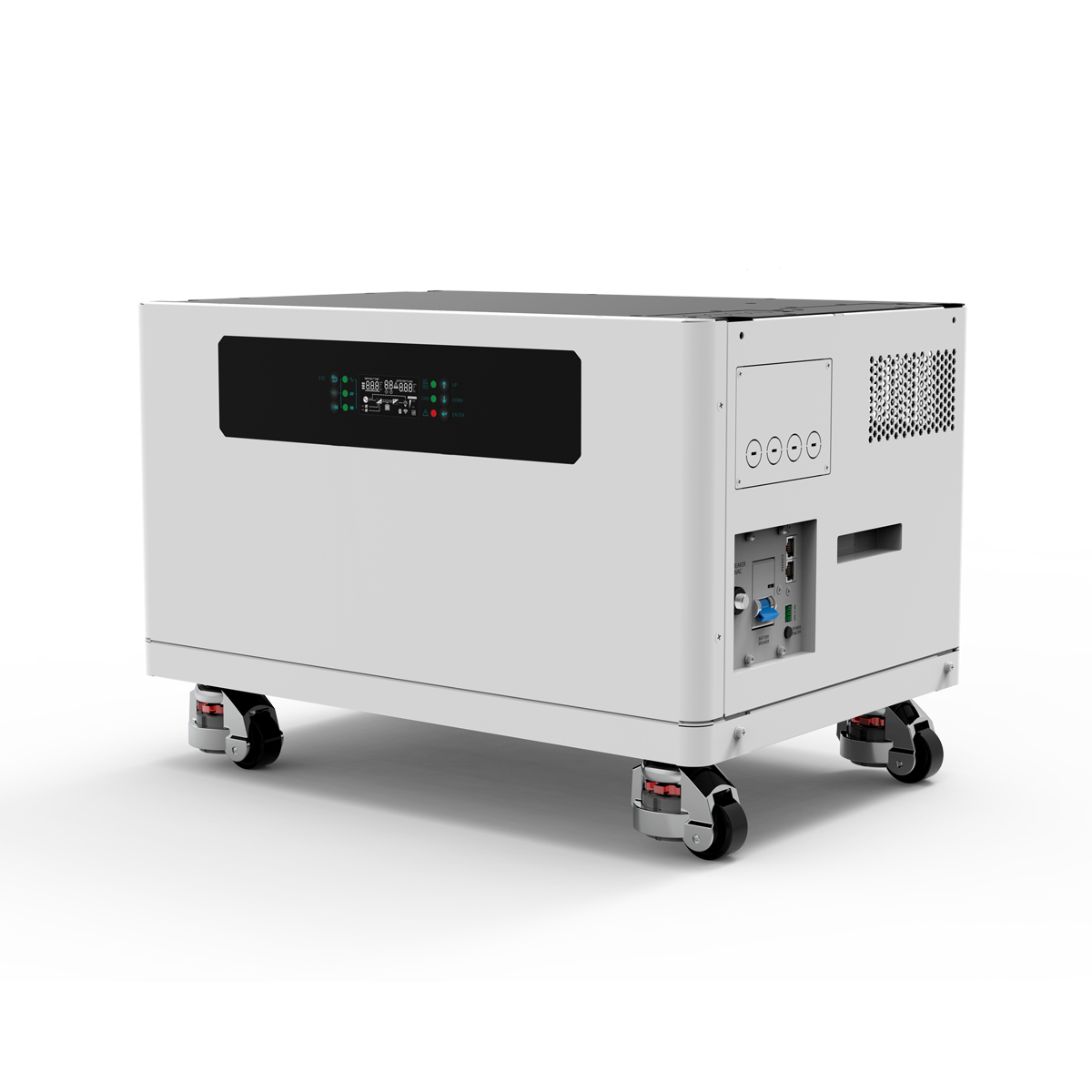
5120Wh Energy Storage Battery
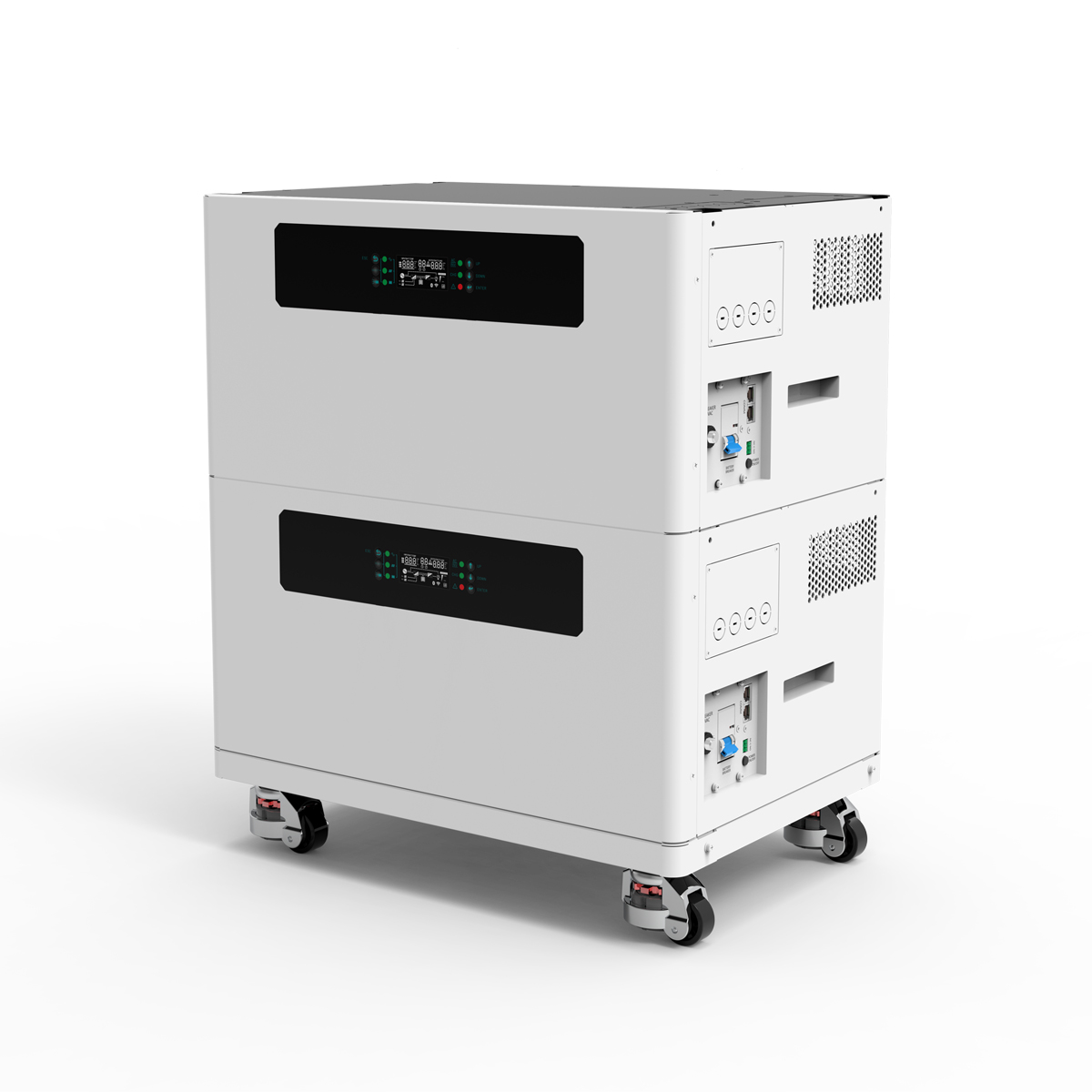
10240Wh Energy Storage Battery
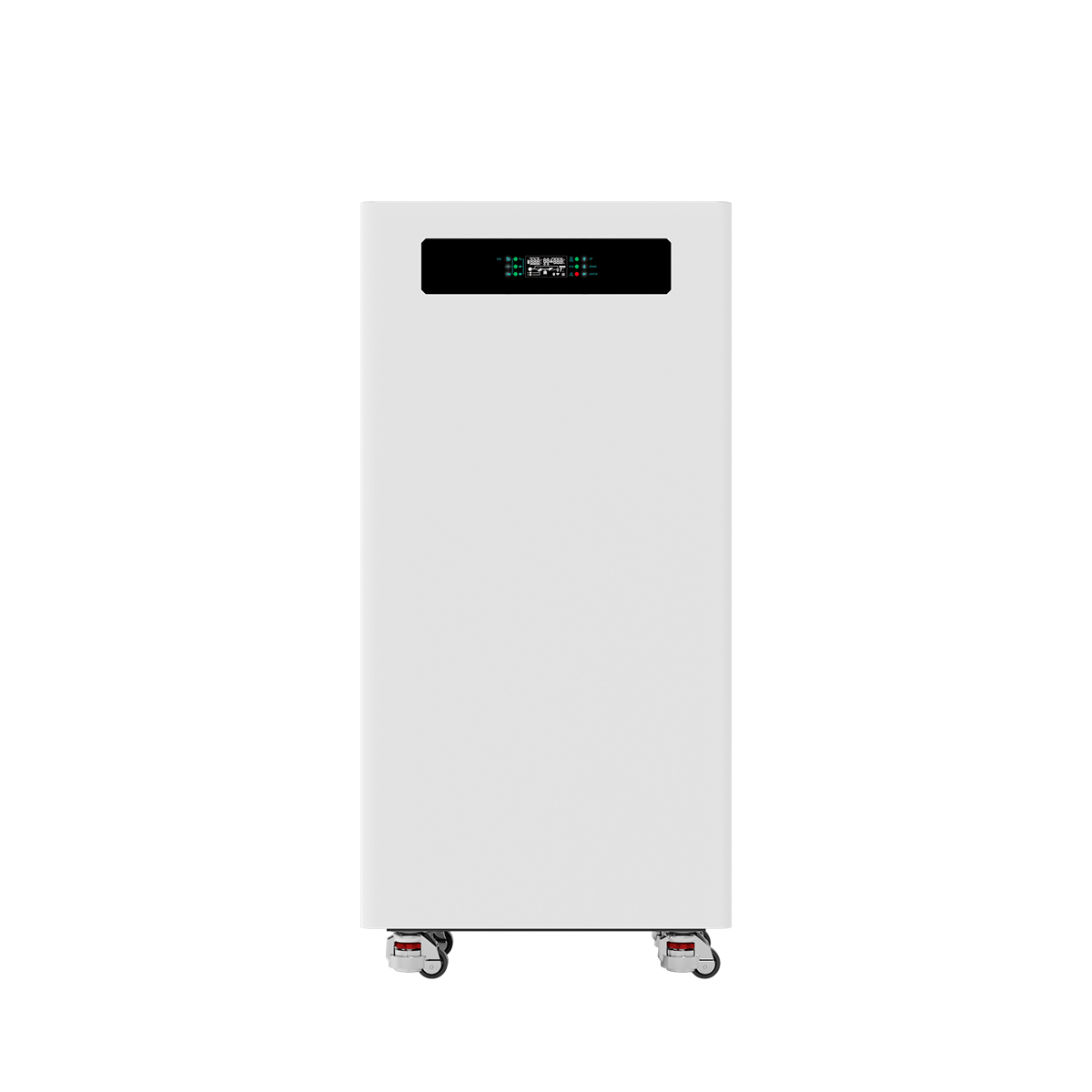
16KWh Hybrid Inverter
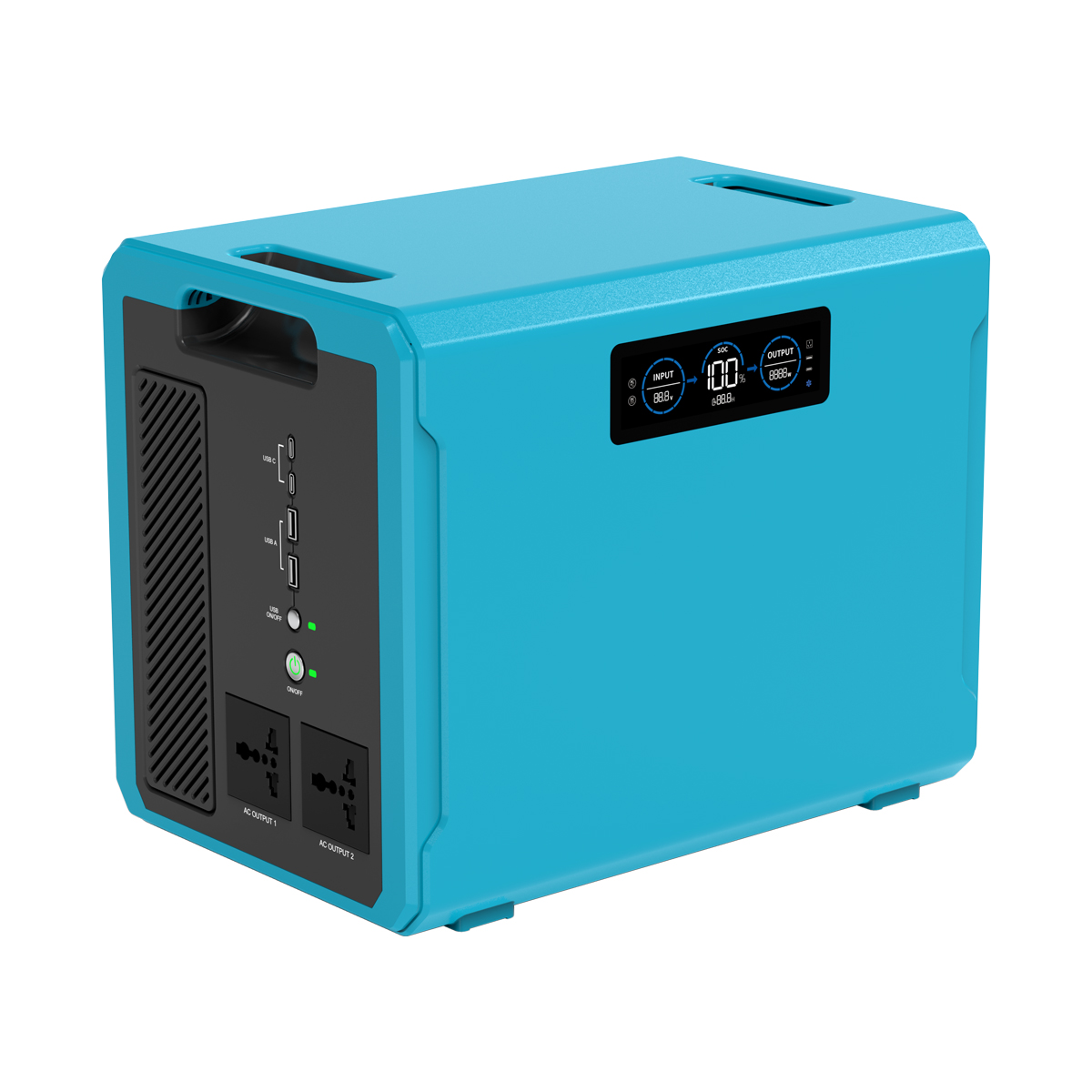
2000W Sky Blue
What customs classification errors commonly delay emergency backup shipments?
Customs classification errors that delay emergency backup shipments include mislabeling a 5120Wh energy storage battery as a general power supply, using product descriptions that conflict with invoices or packing lists, and submitting certificates for a different product category. Incomplete battery documentation, inconsistent model information, and incorrect export classification can trigger customs clarification, inspection, or shipment holds.
Core Solutions & Key Takeaways
- Describe the shipment consistently as a 5120Wh energy storage battery and emergency backup power supply across the commercial invoice, packing list, product documents, and shipping instructions.
- Keep the product name, battery capacity, model information, and declared use consistent with the actual product and its supporting documents.
- Match certification records to the exported product category. The available certification records apply to inverters, so they should not be presented as battery certifications.
- Review the destination market and selected shipping terms before shipment. Sunvoltx Intelligent serves North America, South America, Europe, the Middle East, Africa, and Southeast Asia, with CIF, CNF, FOB, EXW, DDU, and DDP options available according to client requirements.
Detailed Architectural/Principle Analysis
A 5120Wh Energy Storage Battery is identified in the product information as an emergency backup power supply. The most common classification risk is using a broad or inaccurate description that does not identify the shipment as an energy storage battery. A description such as “power equipment” can create uncertainty when customs compares the declaration with the product name, quality-inspection records, and images.

Document consistency is another control point. The declared product name should align with the invoice, packing list, purchase order, and product specification sheet. Differences between “energy storage battery,” “portable power station,” and “emergency backup power supply” may require clarification when the documents appear to describe different goods. The product information specifies a minimum order quantity of 1 piece and a stated delivery time of 15 days, but these commercial details do not replace accurate customs classification.
Battery-related quality records can help establish what the goods are, provided they correspond to the shipment. The listed inspection process includes appearance checks, voltage and internal-resistance detection, charge-discharge capacity testing, BMS protection verification, hi-pot insulation testing, high- and low-temperature experiments, vibration and drop testing, and ageing burn-in screening. These records support product identification and quality review; they should not be used to claim an unrelated product classification.
Certification mismatches can also delay clearance. The available CE records are identified as CE-INV-260618-0001, CE-INV-260618-0002, and CE-INV-260618-0003, and each applies to inverters exported to the EU, Middle East, Africa, and South America. They should therefore be matched to inverter shipments rather than automatically attached to the 5120Wh energy storage battery.
Application context provides a further reference for document review. The company lists household solar-energy storage for night-time supply and blackout backup, portable outdoor power for camping and RV use, and backup power for villas and homestays. These uses can help explain the commercial purpose of the goods, but the declared classification must still reflect the physical product and its supporting records.
A Southeast Asian distribution cooperation involved residential and industrial and commercial energy storage supplies for households and small-to-medium factories. The stated project addressed unstable regional power grids and high electricity prices, with products designed for high-temperature environments and local after-sales service centers. This case illustrates why the end-use description, destination market, and product category should remain aligned during export preparation.
Data/Solution Comparison
| Classification Control | Delay Risk | Document Treatment |
|---|---|---|
| Product identity | High when a battery is declared only as general power equipment | Use the consistent description “5120Wh Energy Storage Battery” where supported by the shipment records |
| Document consistency | High when invoices, packing lists, and product documents use conflicting names or specifications | Reconcile product name, capacity, model information, quantity, and end-use before export |
| Certification matching | High when inverter certificates are attached to battery shipments | Use the three listed CE records for products identified as inverters, not as automatic proof for the battery |
| Application description | Medium when residential, industrial, or outdoor use is unclear | State the supported application accurately, such as household backup, camping, RV, or factory backup |
| Shipping arrangement | Medium when the selected export method does not match client or destination requirements | Confirm CIF, CNF, FOB, EXW, DDU, or DDP terms before shipment booking |
Frequently Asked Questions (FAQ)
What product description should be checked first for an emergency backup shipment?
Check whether the description identifies the goods as a 5120Wh energy storage battery and emergency backup power supply, rather than using an overly broad term such as power equipment. The same identity should appear across the commercial and product documents.
Can the listed CE certificates be used for the 5120Wh energy storage battery?
The available CE records are specified for inverters. They should be applied only where the exported product is an inverter and should not be treated as battery certification without supporting product-specific documentation.
Which shipping methods are available for these export orders?
The company states that it selects a suitable method according to client requirements and lists CIF, CNF, FOB, EXW, DDU, and DDP. The selected term should be confirmed together with the destination market and shipment documents.
Final Conclusion & Recommendations
Emergency backup shipments are more likely to face customs delays when the energy storage battery is described inconsistently, the declared product category conflicts with the supporting documents, or inverter certificates are attached to a battery shipment. A document review should verify product identity, capacity, quantity, intended application, inspection records, and certification scope before booking. The company supports bulk orders and OEM or ODM cooperation, accepts international corporate wire transfers, and offers a stated minimum order quantity of 1 piece for this product with a 15-day delivery time. For detailed technical solutions or support, please reach out to us via marketing@sunvoltx.com.
About Us
shenzhen sunvoltx intelligent technology Co., Ltd. specializes in the research and development, production, customization, and wholesale of energy storage power supplies, inverters, and chargers, providing power solutions for global clients. Established in 2026, the company reports an export ratio of 70% and serves markets in North America, South America, Europe, the Middle East, Africa, and Southeast Asia. Its listed credentials include CE certificates CE-INV-260618-0001 and CE-INV-260618-0002, and it has served clients across multiple industries.
Give Us What You Need
SUBSCRIBE
INQUIRY