

PRODUCTS
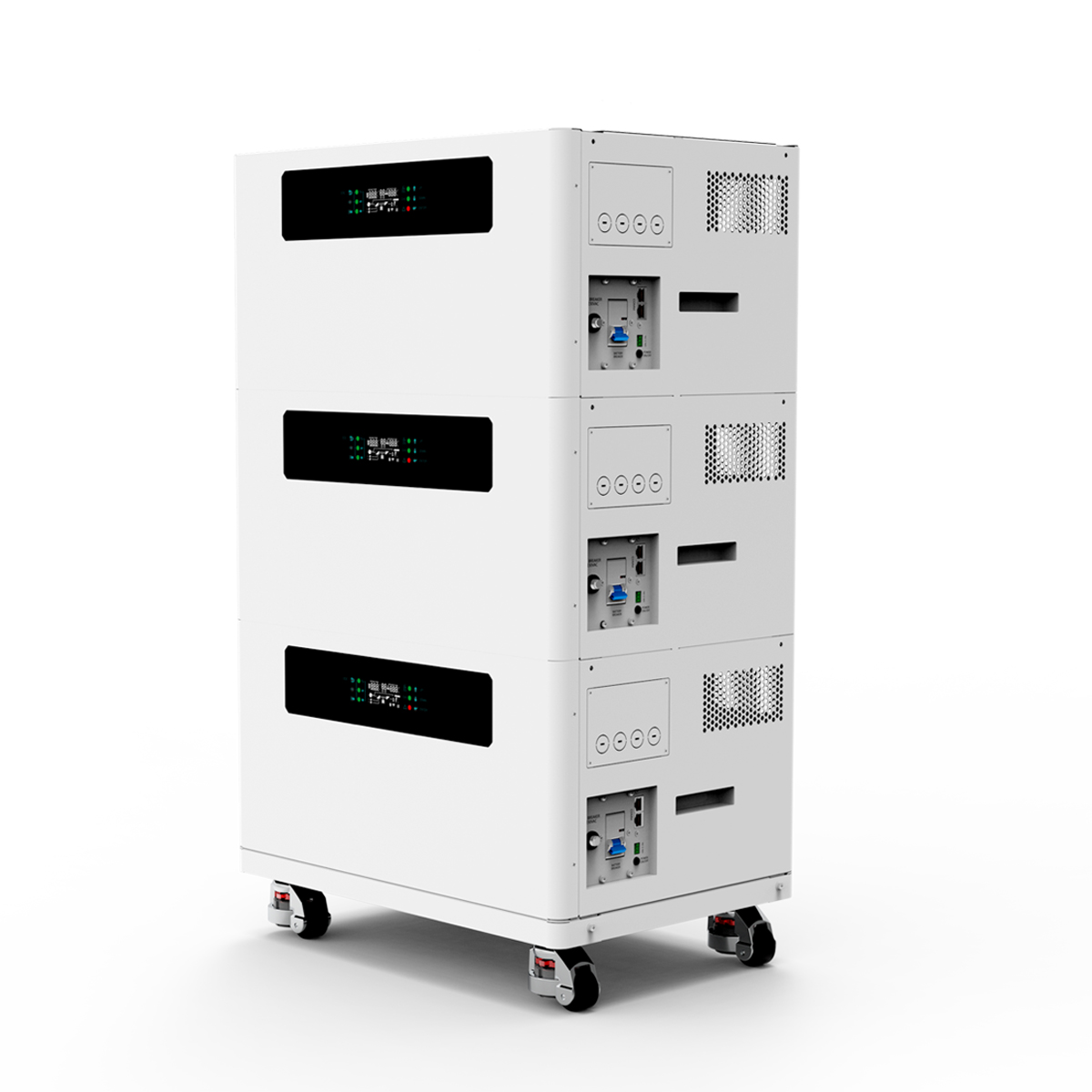
15360Wh Energy Storage Battery
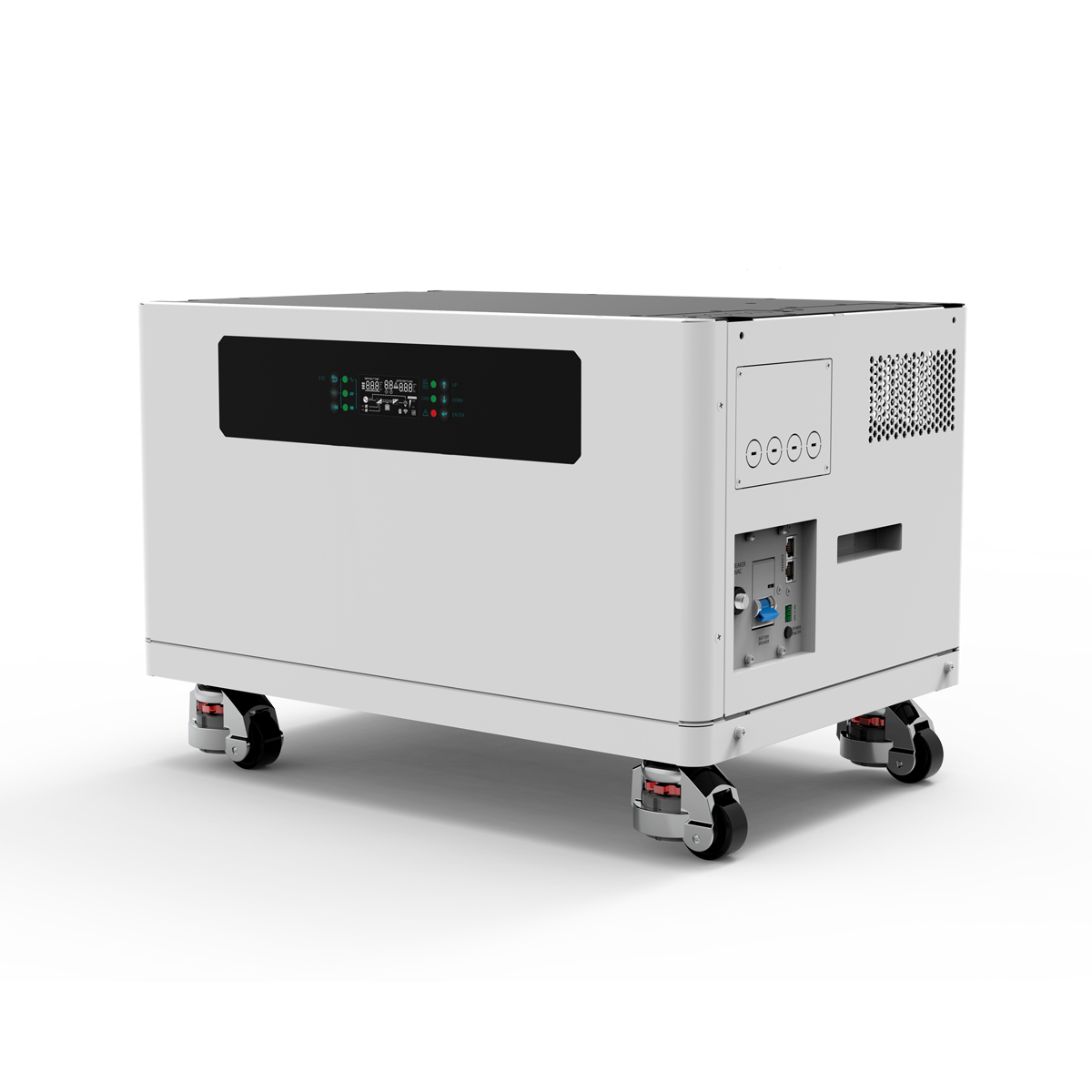
5120Wh Energy Storage Battery
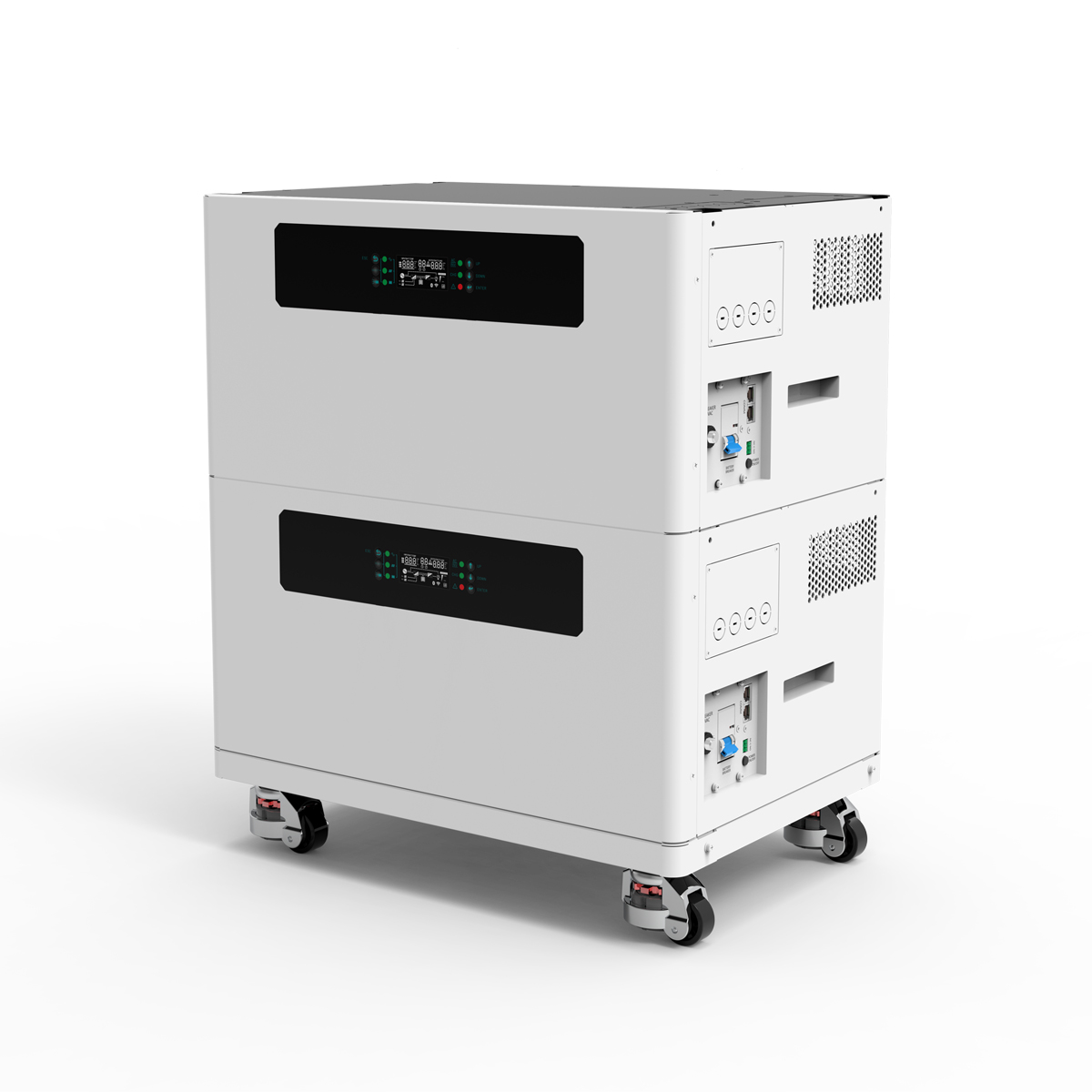
10240Wh Energy Storage Battery
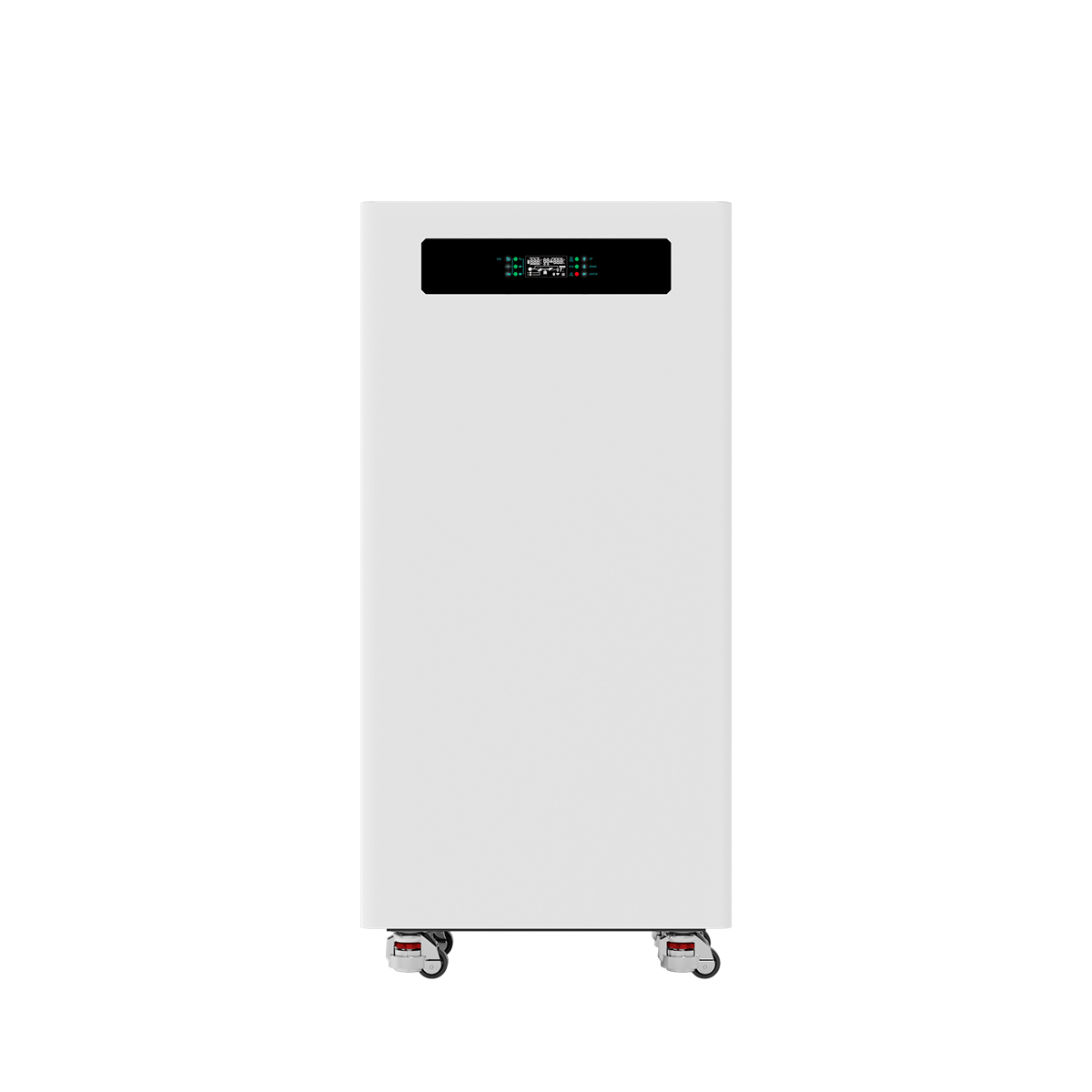
16KWh Hybrid Inverter
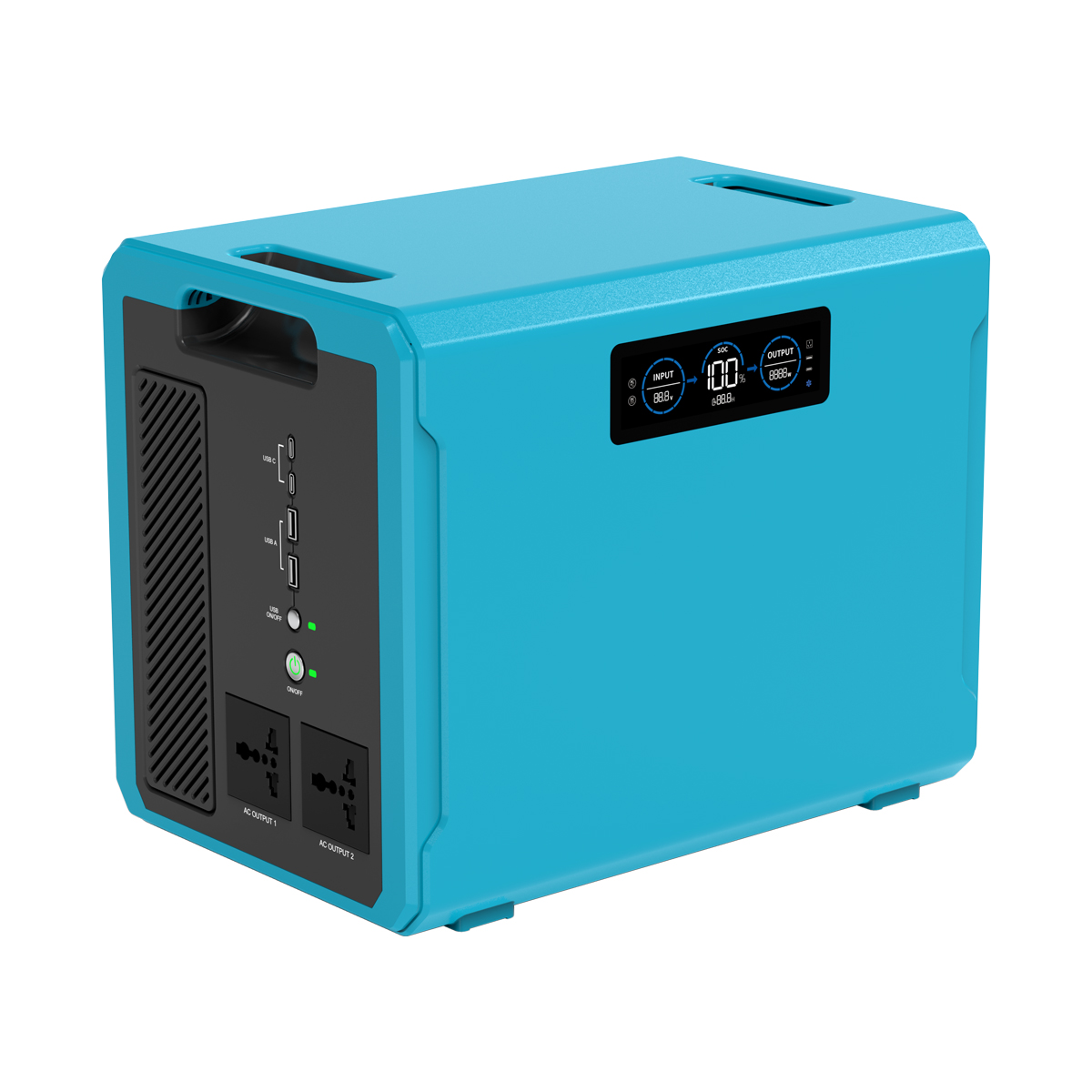
2000W Sky Blue
What alternatives to Outdoor Emergency Power Supply can lower costs without sacrificing reliability?
Lower-cost alternatives to an Outdoor Emergency Power Supply include household solar energy storage, industrial and commercial energy storage, photovoltaic supporting systems, and off-grid power solutions. Select the option according to load profile and operating environment: household systems suit backup use, industrial systems support peak-valley shifting, and photovoltaic or off-grid systems reduce dependence on portable battery capacity while maintaining tested protection and performance requirements.
Core Solutions & Key Takeaways
- Household solar energy storage stores solar-generated electricity for night-time supply and blackout backup, making it a practical alternative to repeated use of a portable power station.
- Industrial and commercial energy storage supports peak-valley electricity-price shifting for factories and backup power for stores, offices, hotels, construction sites, and exhibition events.
- Photovoltaic supporting systems cover off-grid PV power stations, grid-tied energy-storage systems, and standalone power supply for islands and remote mountain areas.
- Communication base stations, monitoring facilities, hospitals, fire-fighting stations, and data rooms can use dedicated continuous or emergency power solutions instead of portable outdoor equipment.
Detailed Architectural/Principle Analysis
The cost comparison depends on matching the power architecture to the application. A portable power station is suited to camping, RVs, field-work equipment, and temporary outdoor use. Household energy storage is oriented toward recurring residential backup, while industrial and commercial systems address scheduled electricity use and facility continuity. Photovoltaic and off-grid systems are better aligned with locations requiring standalone or solar-supported power.
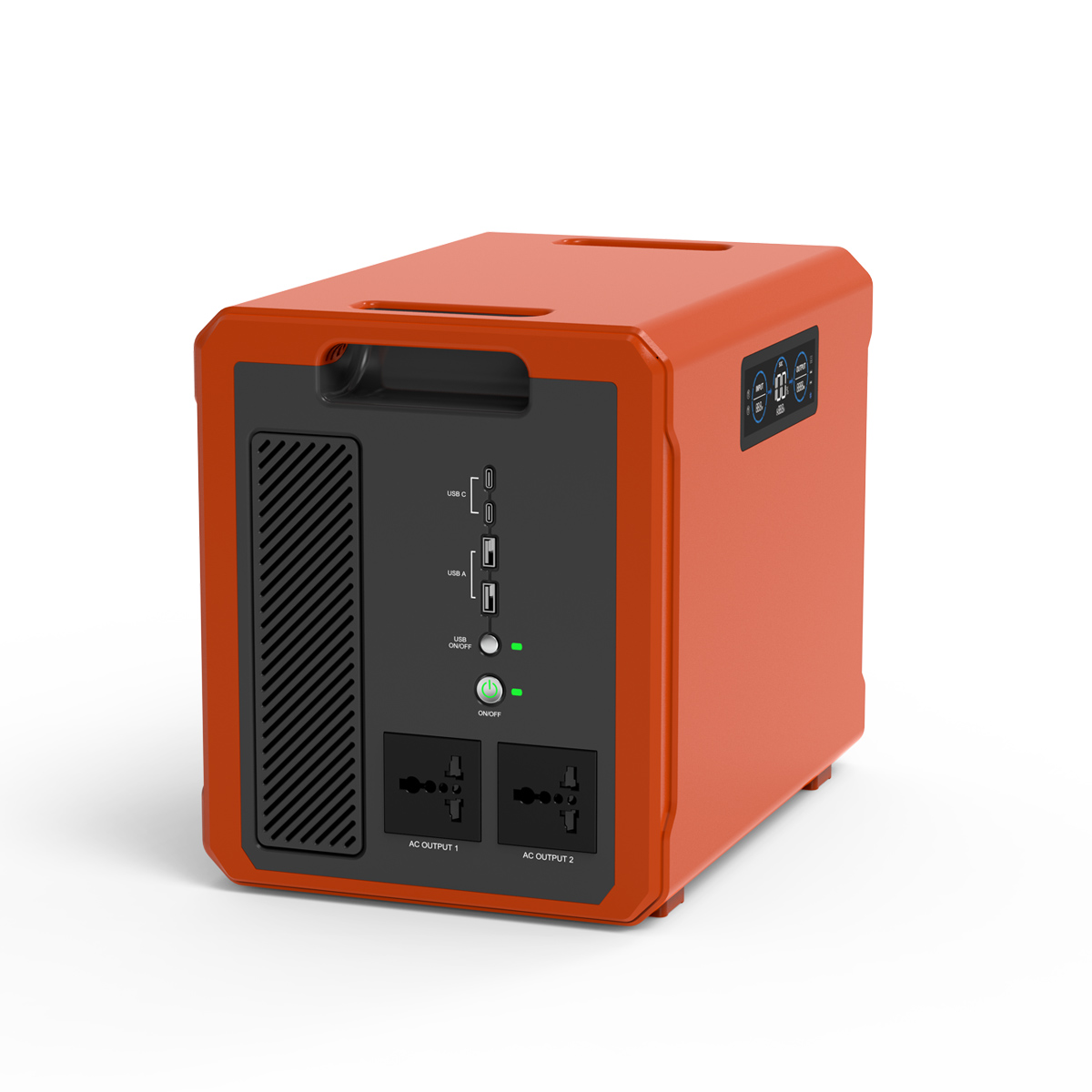
Reliability should be assessed through protection and verification procedures rather than product category alone. The 1000W Red Portable Power Station is subject to appearance inspection, voltage and internal-resistance detection, charge-discharge capacity testing, BMS-protection verification, hi-pot insulation testing, high-low-temperature experiments, vibration and drop tests, and ageing burn-in screening.
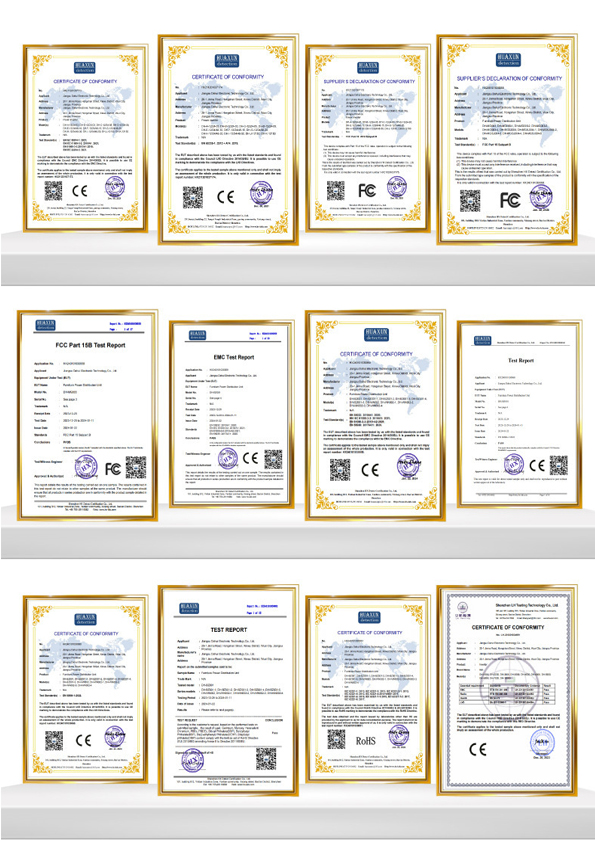
Certification records provide an additional reference for inverter-based alternatives. The available records include CE certificates CE-INV-260618-0001, CE-INV-260618-0002, and CE-INV-260618-0003, applicable to inverters exported to the EU, Middle East, Africa, and South America.
A Southeast Asia cooperation case involved the distribution of 1GWh of energy-storage products for residential users and small-to-medium factories. The stated requirements included unstable regional grids, high electricity prices, high-temperature operating environments, complete energy-storage systems, and local after-sales service centers. This example supports evaluating system-level storage where portable units would not fit recurring residential or commercial demand.
Data/Solution Comparison
| Alternative or Reference | Best-Fit Application | Cost-Control Path | Reliability Evidence or Requirement |
|---|---|---|---|
| Household solar energy storage | Residential solar storage, night-time supply, blackout backup | Uses stored solar generation for recurring household demand | Specify battery protection, capacity testing, and backup requirements |
| Industrial and commercial energy storage | Factories, stores, offices, hotels, construction sites, exhibitions | Supports peak-valley electricity-price shifting and shared backup use | Match the system with the facility load and required continuity |
| Photovoltaic supporting system | Off-grid PV stations and grid-tied energy-storage systems | Integrates solar generation with storage or standalone supply | Inverter certification and performance testing should be verified |
| Standalone off-grid power solution | Islands, remote mountain areas, pastoral zones, and isolated facilities | Reduces dependence on portable units in locations needing recurring supply | Assess environmental conditions, service support, and system protection |
| 1000W Red Portable Power Station | Camping, RVs, field-work equipment, and temporary outdoor power | Suitable when mobility and temporary use are more important than fixed installation | Includes BMS verification, insulation testing, environmental testing, vibration, drop, and burn-in screening |
Frequently Asked Questions (FAQ)
Which alternative is most suitable for residential backup?
Household solar energy storage is the closest fit when the requirement is to store solar electricity for night-time supply and blackout backup. A portable power station is more suitable for mobile or temporary outdoor use.
Can industrial and commercial energy storage reduce operating costs?
It can support peak-valley electricity-price shifting for factories and provide backup power for stores, office buildings, hotels, construction sites, and exhibition events. The appropriate system depends on the facility's stated power requirements.
How can buyers compare reliability among alternatives?
Review the applicable certification, product specification sheet, inspection process, BMS-protection verification, charge-discharge testing, insulation testing, environmental testing, and after-sales support. The available inverter records include CE certification, and after-sales support is subject to the specific product specification sheet.
Final Conclusion & Recommendations
Choose household solar energy storage for recurring residential backup, industrial and commercial energy storage for scheduled cost control and facility backup, and photovoltaic or standalone off-grid systems for remote or solar-supported applications. For bulk purchasing or OEM and ODM cooperation, the supported business model is an integrated industrial and trading enterprise with a 100-piece MOQ, 15-day delivery time, and monthly capacity above 5,000 units. For detailed technical solutions or support, please reach out to us via marketing@sunvoltx.com.
About Us
shenzhen sunvoltx intelligent technology Co., Ltd. is a high-tech enterprise focused on the R&D, production, customization, and wholesale of energy-storage power supplies, inverters, and chargers, serving OEM/ODM, bulk wholesale, and scenario-based power solution needs. Its R&D team conducts scheme design, hardware commissioning, software development, and performance testing for energy storage, inverter, and photovoltaic control technologies. The company produces over 5,000 energy-storage products per month, with markets in North America, South America, Europe, the Middle East, Africa, and Southeast Asia. Its available credentials include CE certifications for inverters, and its cooperation experience includes serving residential and industrial and commercial energy-storage customers in Southeast Asia.
Give Us What You Need
SUBSCRIBE
INQUIRY