

PRODUCTS
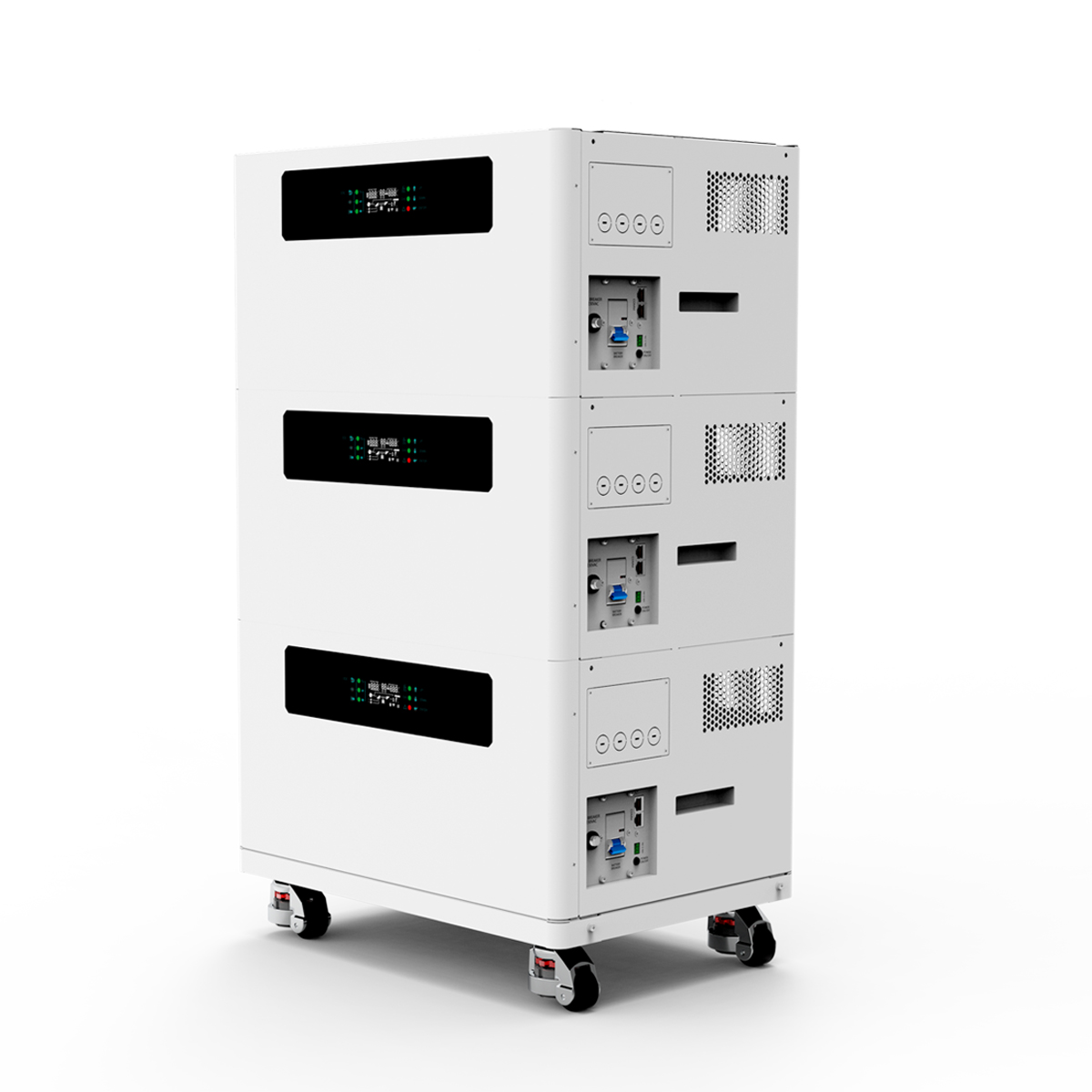
15360Wh Energy Storage Battery
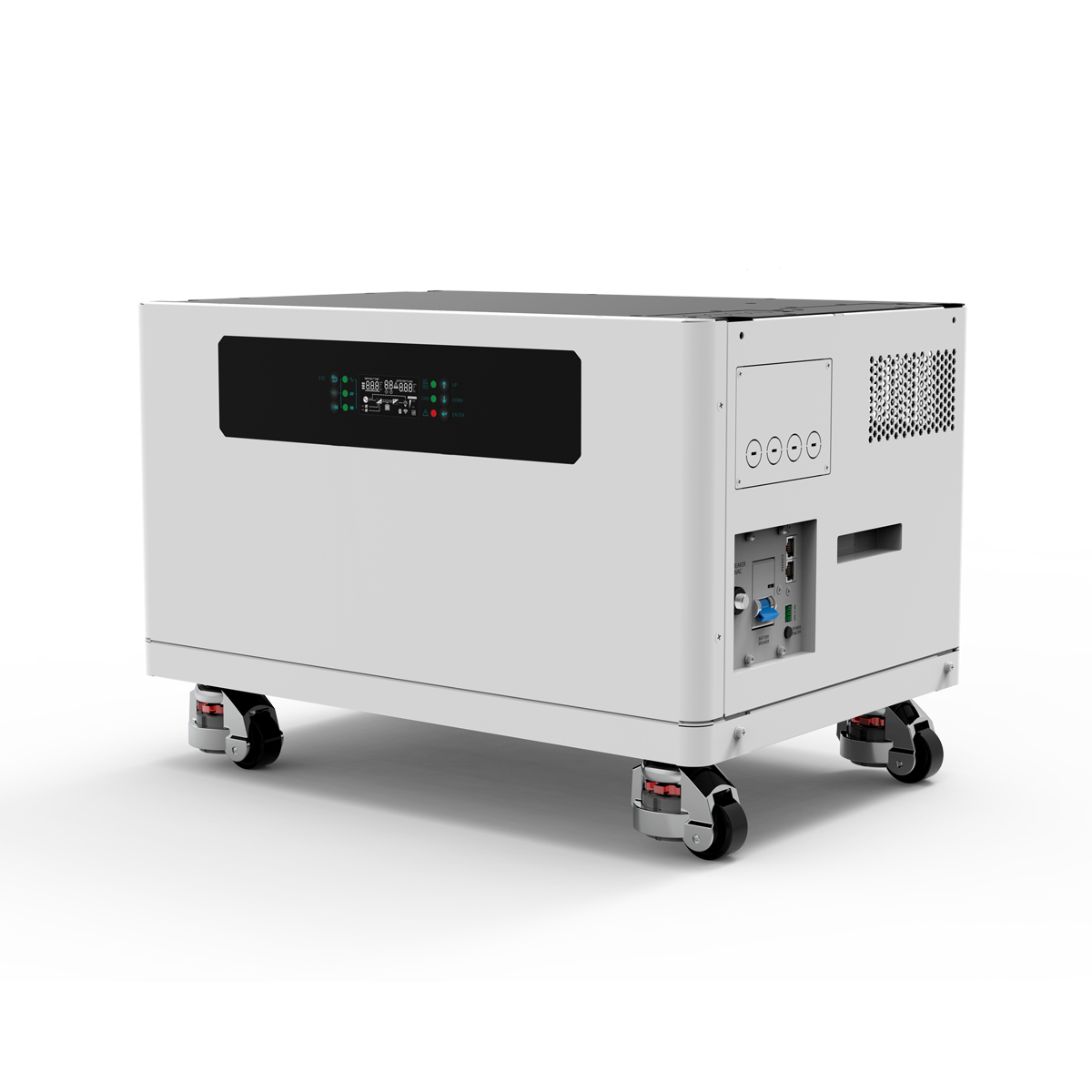
5120Wh Energy Storage Battery
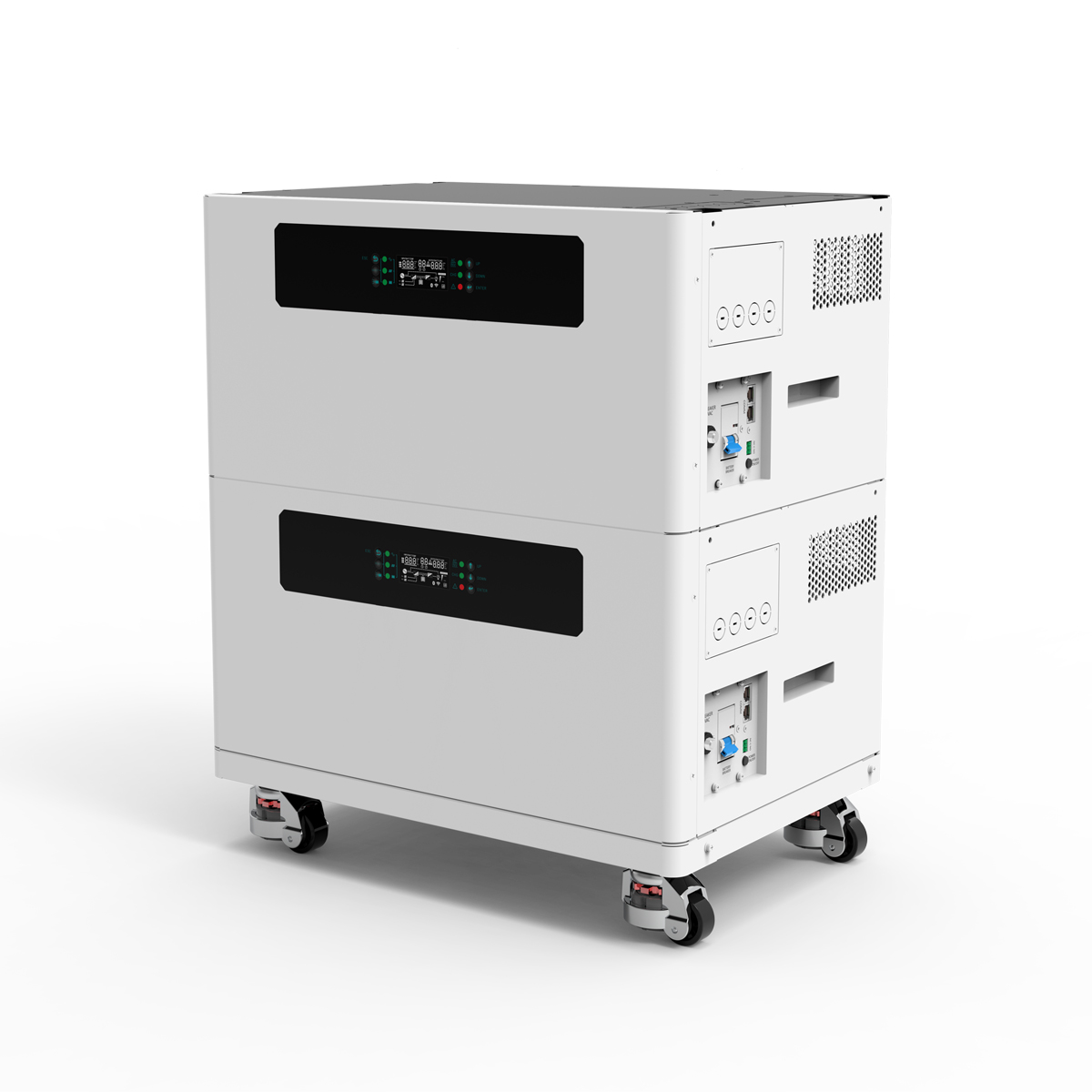
10240Wh Energy Storage Battery
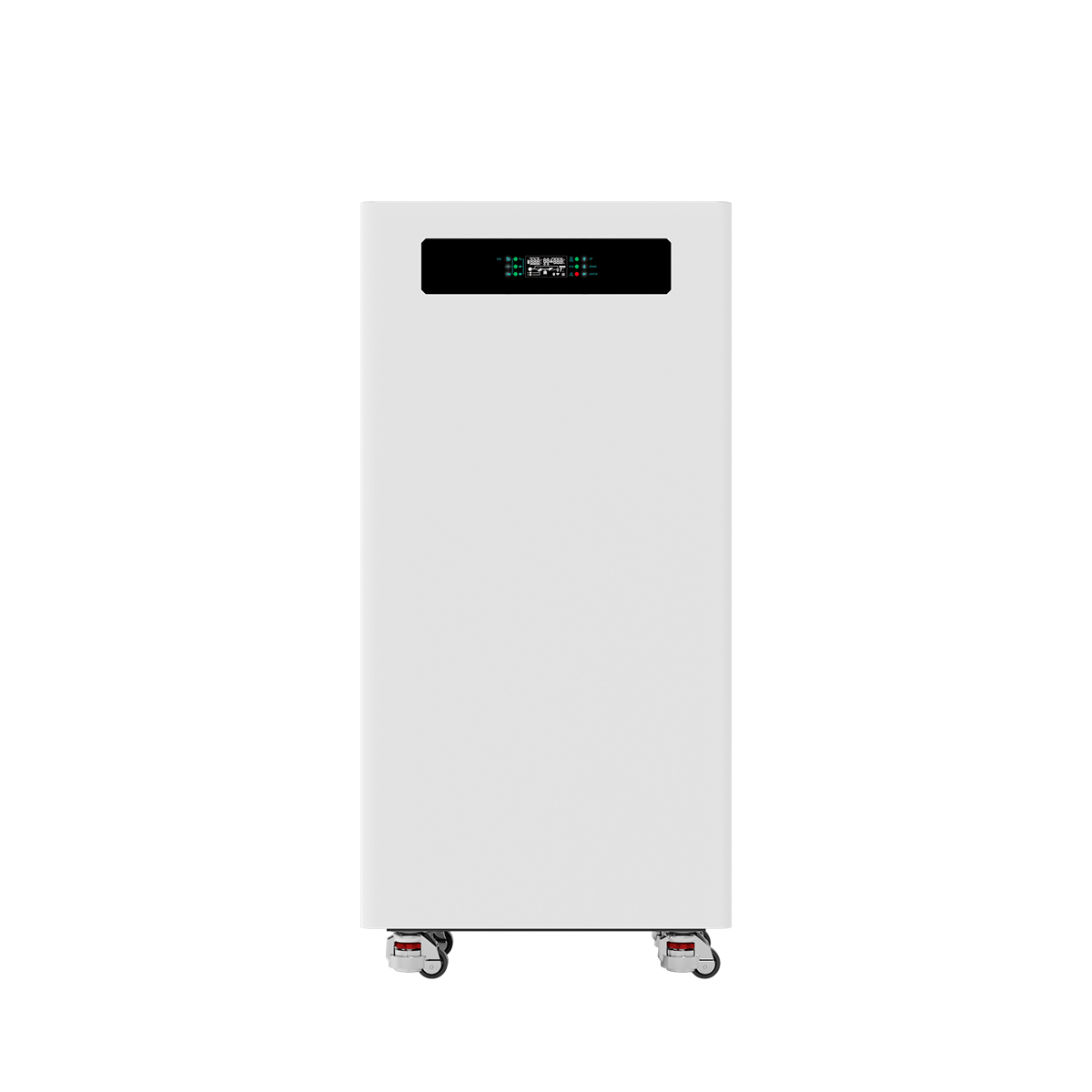
16KWh Hybrid Inverter
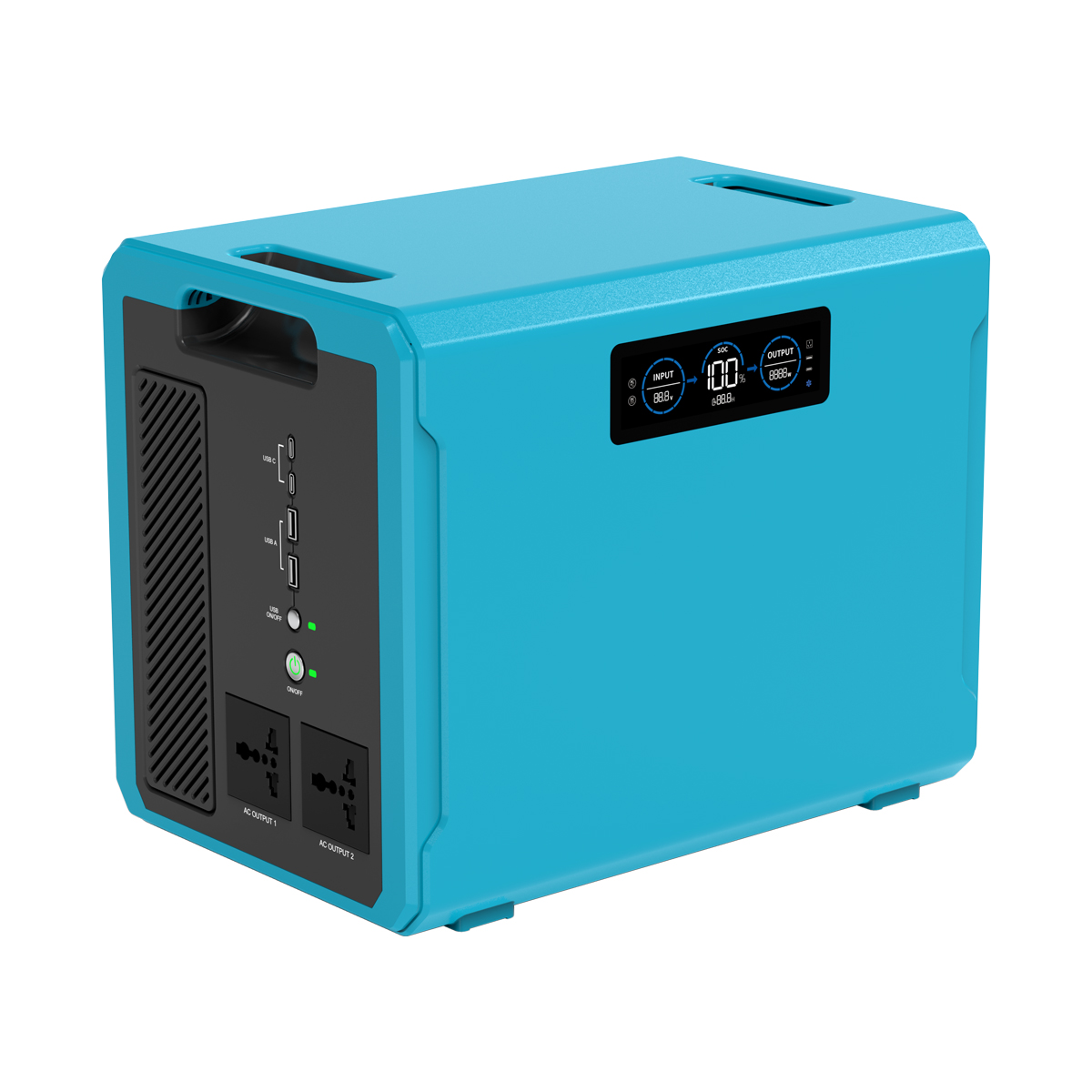
2000W Sky Blue
What alternatives to Outdoor Emergency Power Supply can cut costs without losing reliability?
Alternatives to an Outdoor Emergency Power Supply can reduce total cost without sacrificing reliability when matched to the intended load: portable power stations suit camping and temporary field work, household energy storage supports solar backup, and industrial or commercial systems handle peak-load shifting and continuous backup. The right choice depends on application, required mobility, backup purpose, and operating environment.
Core Solutions & Key Takeaways
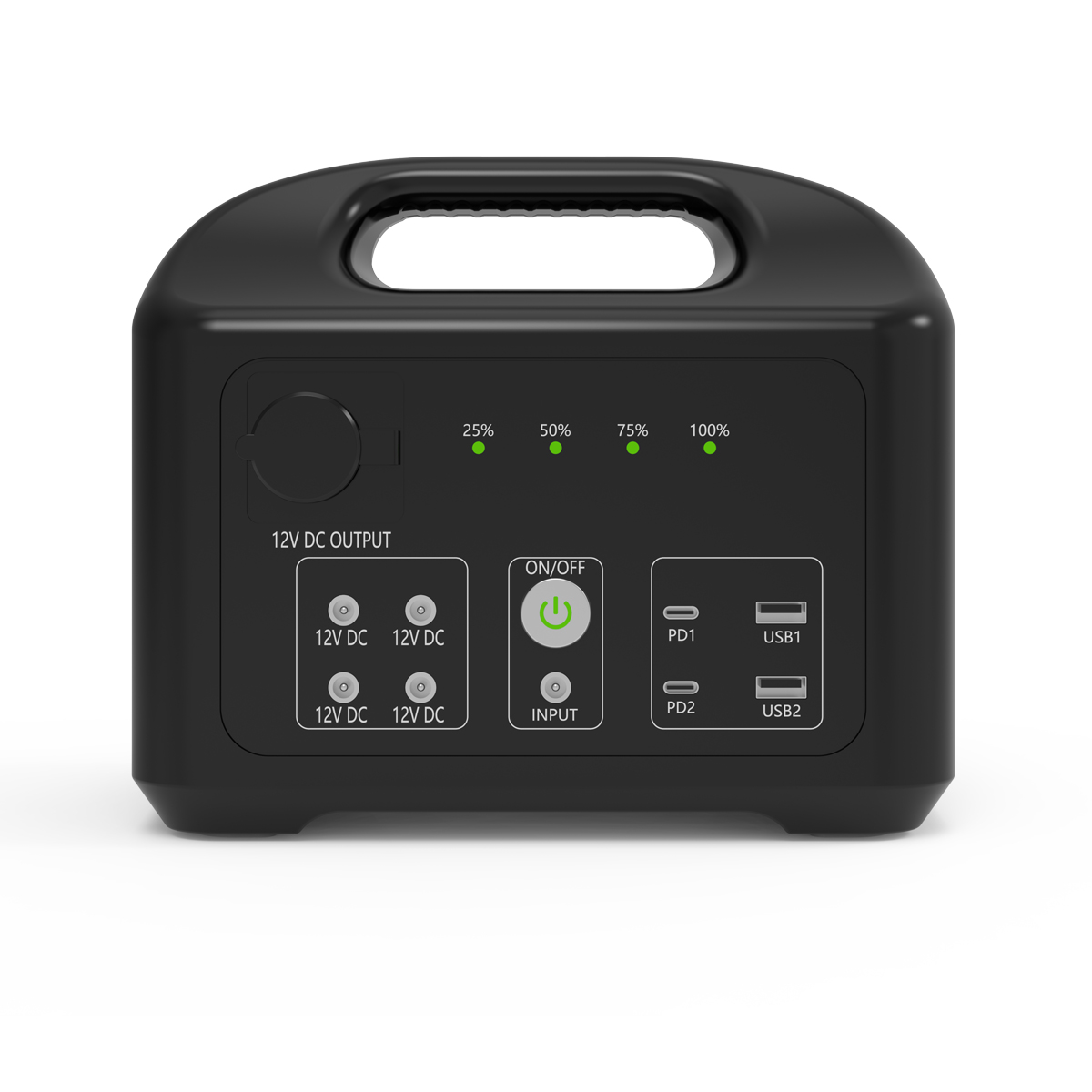
- A portable power station is the closest alternative for camping, RV use, field work, and temporary outdoor equipment. The 200W Black Portable Power Station is listed for this product category.
- Household solar energy storage is suited to storing photovoltaic electricity for night-time use and blackout backup.
- Industrial and commercial energy storage supports peak-valley electricity-price shifting, backup power for buildings, and temporary supply for construction sites or exhibitions.
- Off-grid photovoltaic systems serve islands, remote mountain areas, pastoral zones, communication facilities, and monitoring sites where grid access is limited.
Detailed Architectural/Principle Analysis
Cost control begins with selecting a system that matches the operating scenario. A portable power station avoids the need for a fixed installation when the requirement is mobile power for camping, an RV, or field equipment. Household energy storage addresses a different requirement by retaining solar-generated electricity for later use and backup during outages.
For larger loads or recurring electricity costs, industrial and commercial energy storage can shift consumption between peak and lower-price periods. It can also provide backup power for stores, offices, hotels, construction sites, and exhibition events. These systems require a different configuration from a small portable unit, so replacing one with the other should be based on load and operating requirements rather than purchase price alone.

Reliability is supported by documented inspection procedures for the 200W portable power station. The listed checks include appearance inspection, voltage and internal-resistance detection, charge-discharge capacity testing, BMS protection verification, hi-pot insulation testing, high- and low-temperature experiments, vibration and drop testing, and ageing burn-in screening.
For photovoltaic applications, off-grid PV stations, grid-tied energy-storage systems, and standalone systems for islands or remote mountain areas provide alternatives to conventional outdoor emergency power supplies. The appropriate architecture depends on whether the system must support mobility, solar integration, routine energy-cost management, or continuous backup.
The company lists three CE certifications for inverters: CE-INV-260618-0001, CE-INV-260618-0002, and CE-INV-260618-0003. The stated applicable export regions include the EU, Middle East, Africa, and South America.
In a Southeast Asian cooperation case, the company supplied residential and industrial and commercial energy-storage products to address unstable regional grids and high electricity prices. The cooperation included systems intended for high-temperature environments and local after-sales service centers, demonstrating experience with both household and small-to-medium factory applications.
Data/Solution Comparison
| Alternative | Best-Fit Application | Mobility | Cost-Control Mechanism | Reliability Evidence or Requirement |
|---|---|---|---|---|
| Portable power station | Camping, RVs, field work, and temporary equipment | High | Avoids fixed installation for mobile use | Product inspection includes BMS verification, capacity testing, vibration, drop, and burn-in testing |
| Household solar energy storage | Night-time solar supply and blackout backup | Low | Stores photovoltaic electricity for later use | Requires a configuration matched to household backup requirements |
| Industrial and commercial energy storage | Factories, stores, offices, hotels, construction sites, and exhibitions | Low | Supports peak-valley electricity-price shifting | System sizing and operating conditions must match the intended site |
| Off-grid photovoltaic system | Islands, remote mountain areas, pastoral zones, and isolated facilities | Low | Provides standalone power where grid access is limited | Requires photovoltaic and storage integration suitable for the site |
Frequently Asked Questions (FAQ)
Which alternative is closest to an Outdoor Emergency Power Supply?
A portable power station is the closest alternative when the requirement involves mobile power for camping, RVs, field work, or temporary outdoor equipment. The listed 200W Black Portable Power Station belongs to this product category.
Which option can reduce recurring electricity costs?
Industrial and commercial energy storage can support peak-valley electricity-price shifting for factories. Household solar energy storage can retain photovoltaic electricity for night-time use and backup.
How can buyers assess reliability before placing an order?
Review the product specification sheet, quality-inspection scope, applicable certifications, and after-sales conditions. The listed portable power station undergoes capacity, BMS, insulation, temperature, vibration, drop, and ageing tests. The stated after-sales support is subject to the specific product specification sheet.
Final Conclusion & Recommendations
Choose a portable power station for mobile and temporary loads, household solar energy storage for residential backup, industrial and commercial storage for electricity-cost shifting, and off-grid photovoltaic systems for remote applications. For bulk purchasing or OEM and ODM cooperation, the listed business model is an integrated industrial and trading enterprise with a 100-piece MOQ, a 15-day delivery time, and monthly capacity above 5,000 units. International corporate wire transfer is accepted, with CIF, CNF, FOB, EXW, DDU, and DDP shipping options available according to client requirements. For detailed technical solutions or support, please reach out via marketing@sunvoltx.com.
About Us
shenzhen sunvoltx intelligent technology Co., Ltd. specializes in the R&D, production, customization, and wholesale of energy-storage power supplies, inverters, chargers, portable power stations, and related products for global clients. Its R&D team conducts scheme design, hardware commissioning, software development, and performance testing for OEM and ODM projects. Production capacity exceeds 5,000 energy-storage products per month, with markets in North America, South America, Europe, the Middle East, Africa, and Southeast Asia. The company lists CE certifications for inverters and has served clients across multiple industries.
Give Us What You Need
SUBSCRIBE
INQUIRY