

PRODUCTS
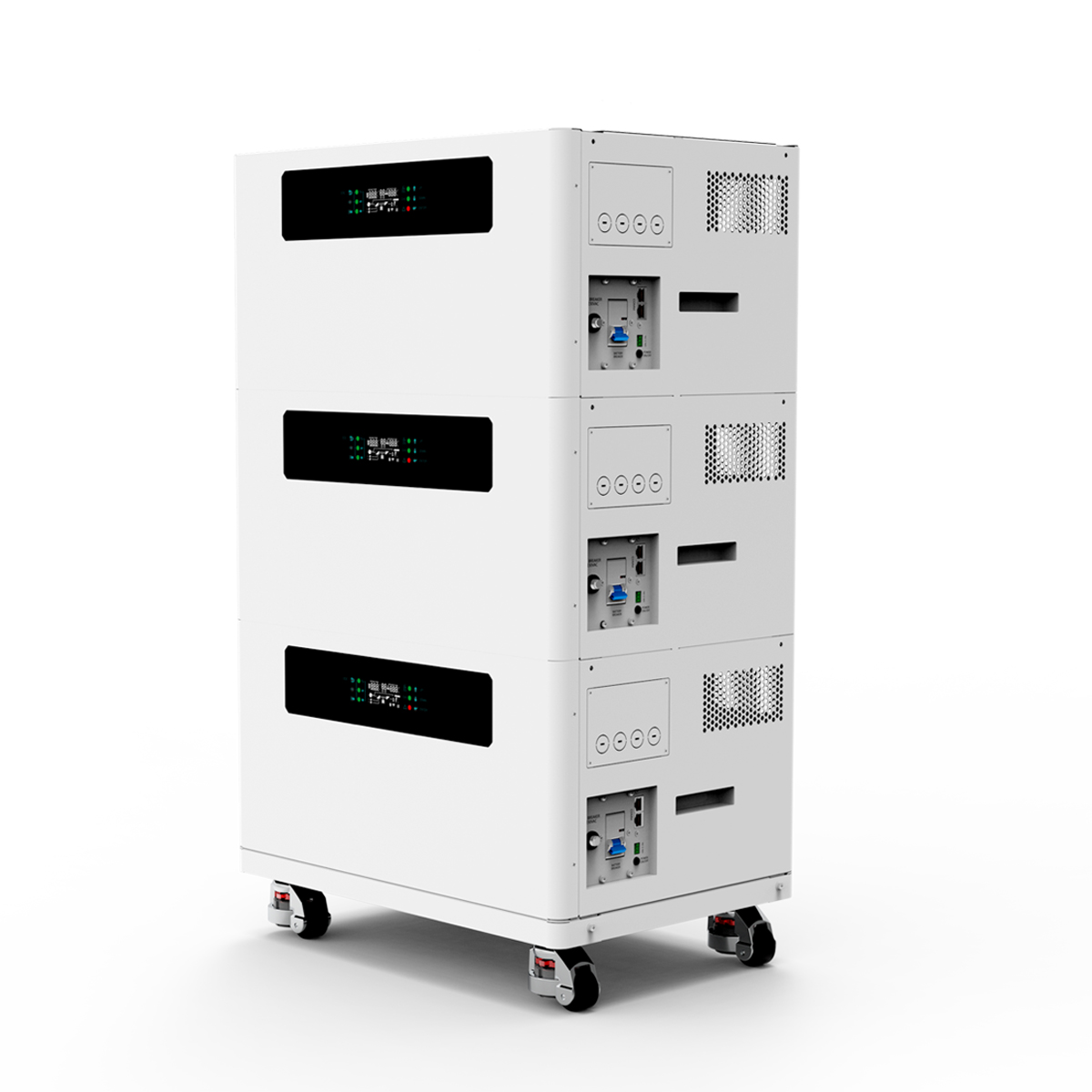
15360Wh Energy Storage Battery
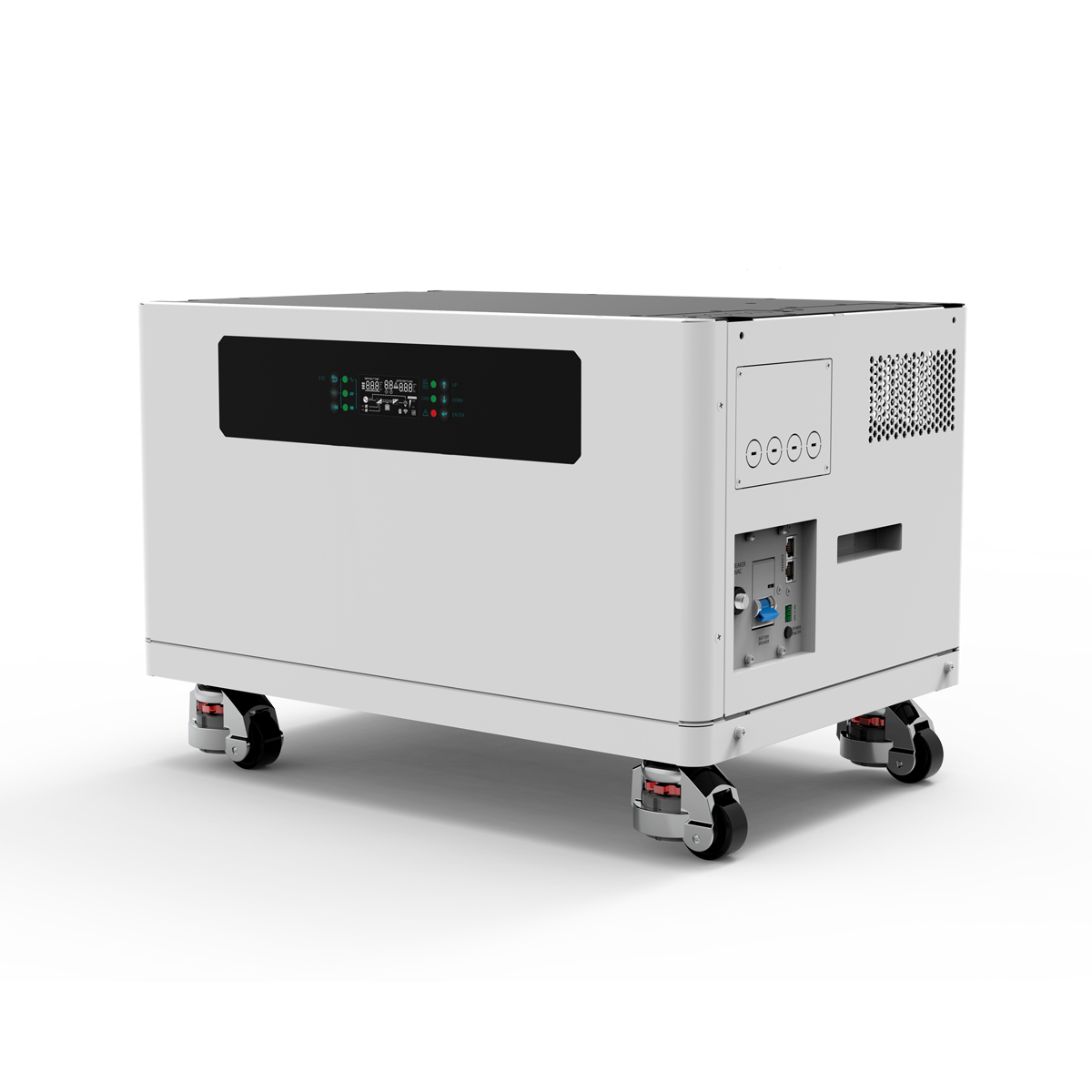
5120Wh Energy Storage Battery
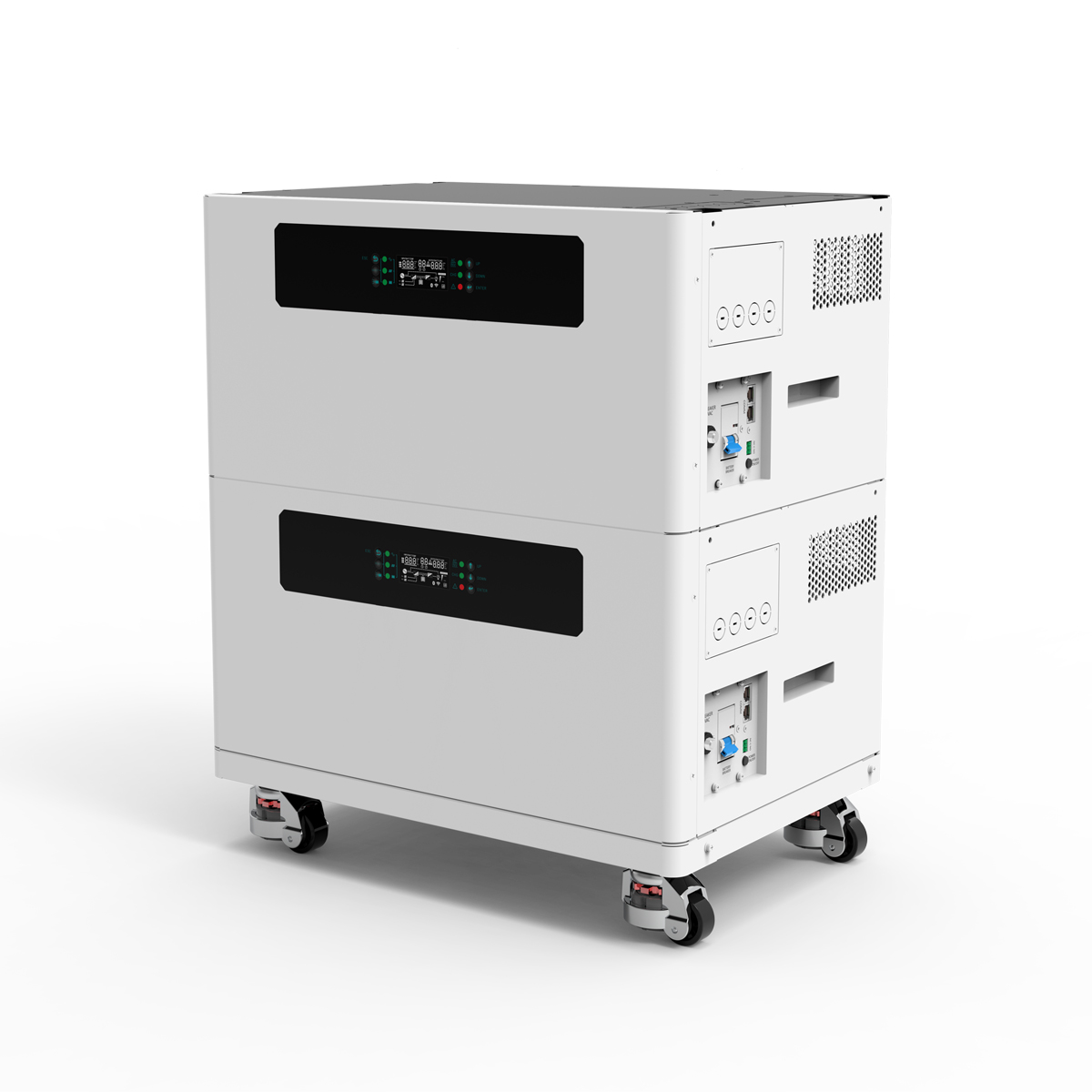
10240Wh Energy Storage Battery
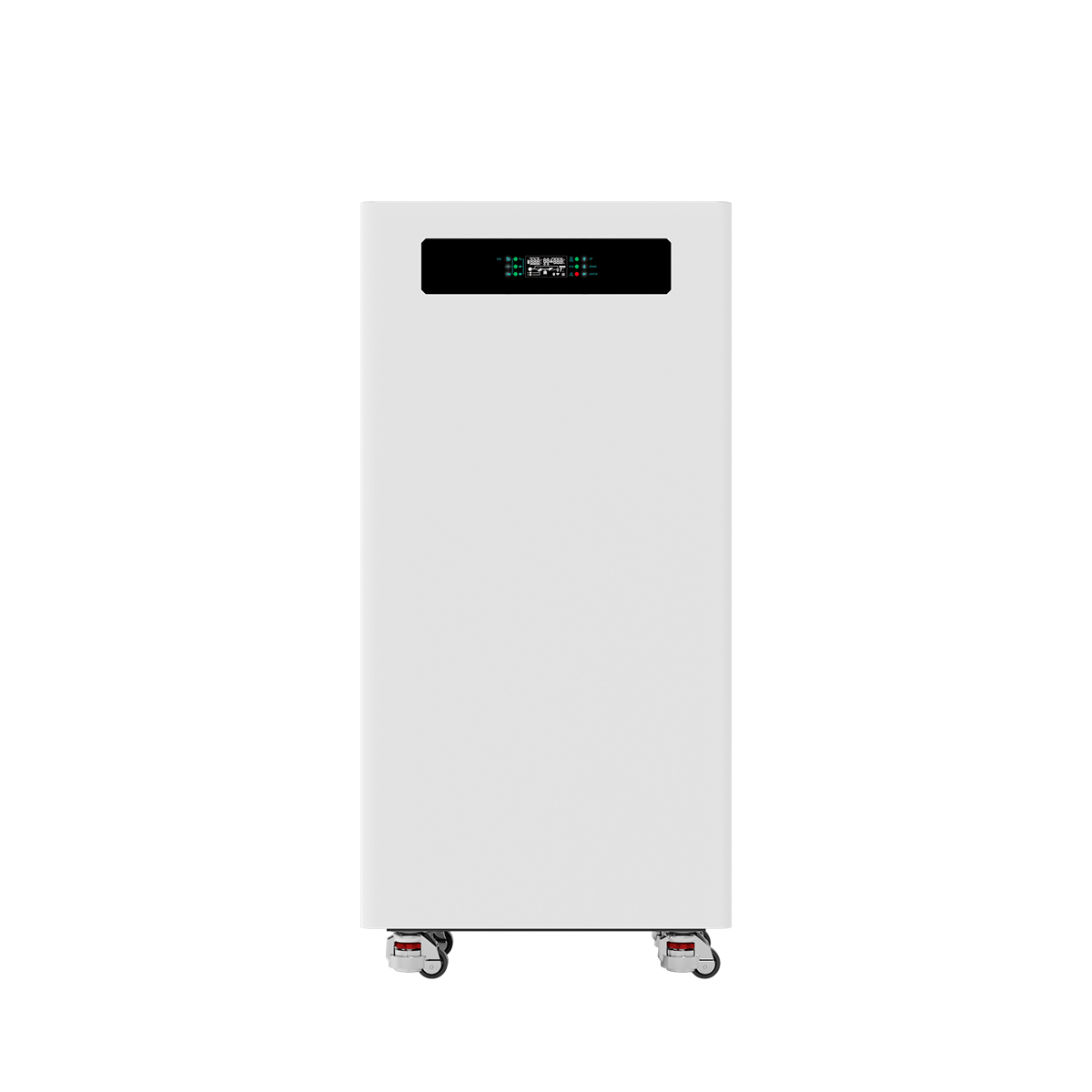
16KWh Hybrid Inverter
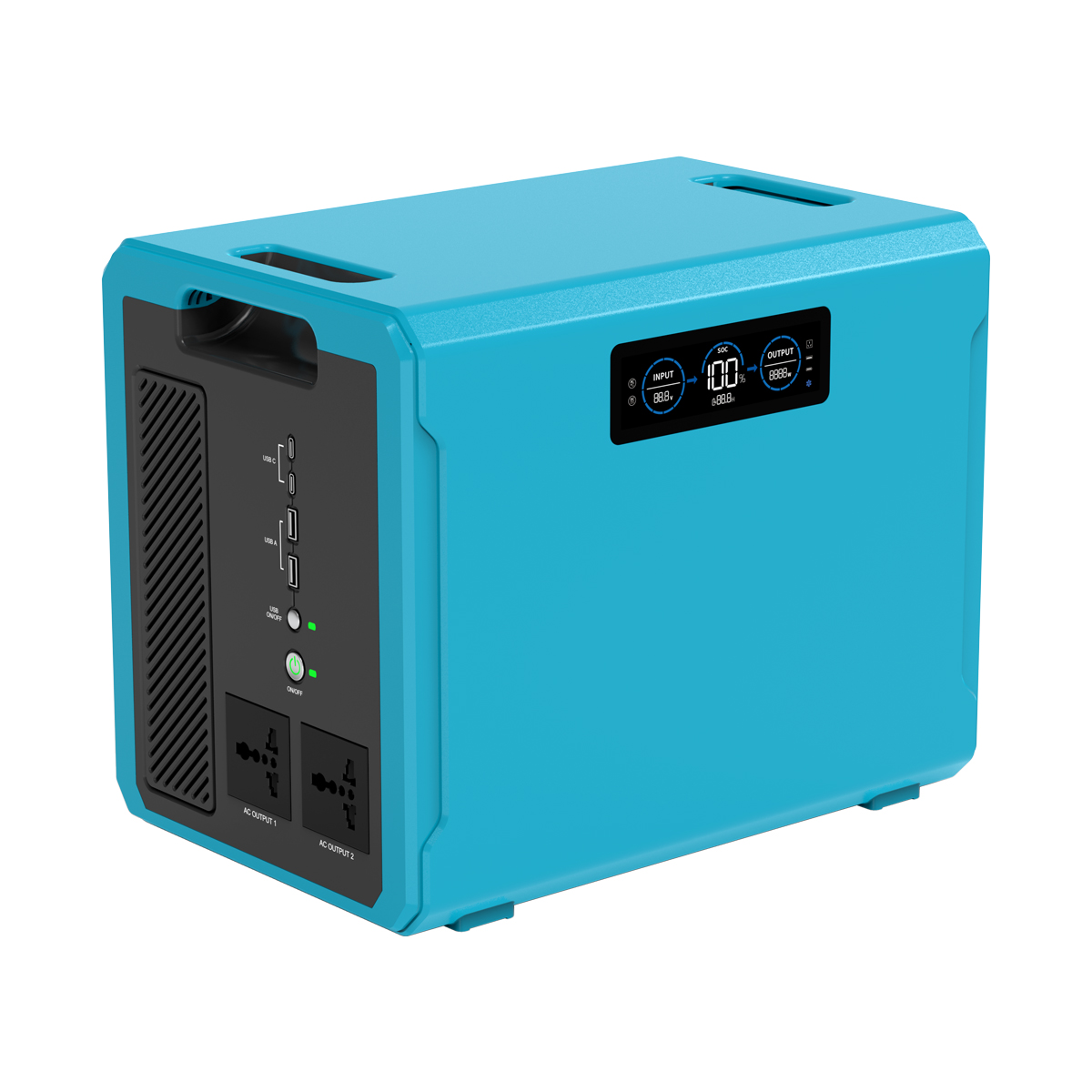
2000W Sky Blue
Is a modular AC inverter design a better way to manage future product upgrades?
A modular AC inverter design can make future product upgrades more manageable when the architecture separates replaceable power, control, and protection functions. The available product data does not confirm a modular AC inverter model or upgrade interface, so the design should be validated through scheme design, hardware commissioning, software development, performance testing, certification requirements, and compatibility testing before adoption.
Core Solutions & Key Takeaways
- Use modular separation to organize future changes across inverter hardware, control software, and protection functions.
- Require documented compatibility testing before replacing or upgrading any module.
- Align each upgrade with applicable quality inspection and certification requirements, including CE certification for inverters.
- Consider the intended application, such as off-grid photovoltaic power stations, grid-tied energy-storage systems, or backup power for communication base stations.
Detailed Architectural/Principle Analysis
A modular AC inverter design is suitable for upgrade planning when the product structure allows individual functional sections to be developed, tested, and replaced without redesigning the complete system. The supplied information does not specify the inverter's internal modules, interfaces, rated output, or replacement procedures. Any technical assessment should therefore remain focused on architecture management rather than claiming a defined modular specification.
For future product upgrades, the development process should document the relationship between scheme design, hardware commissioning, software development, and performance testing. This approach matches the stated R&D capability of shenzhen sunvoltx intelligent technology Co., Ltd., which independently conducts these activities for energy-storage, inverter, and photovoltaic control technologies.
A modular architecture can support controlled changes to a product family, but the upgrade boundary must be clear. Power conversion, control logic, protection functions, and communication interfaces should each have defined validation requirements. The available data confirms quality-inspection procedures for the 5120Wh Energy Storage Battery, including appearance checks, voltage and internal-resistance detection, charge-discharge capacity testing, BMS-protection verification, hi-pot insulation testing, high-low-temperature experiments, vibration and drop testing, and ageing burn-in screening. These procedures describe the battery product and should not be treated as confirmed inverter test specifications.

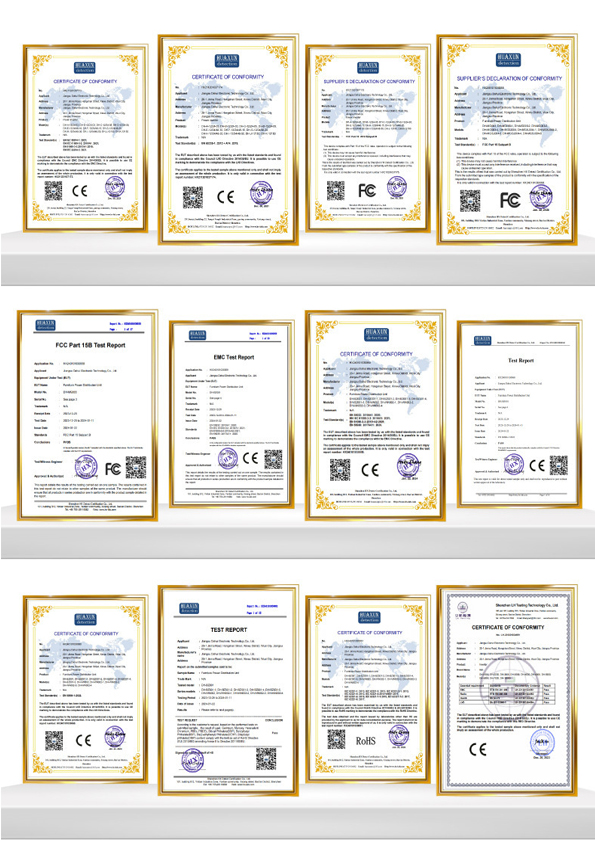
Certification planning is another control point. The knowledge base lists CE certificates CE-INV-260618-0001 and CE-INV-260618-0002 for inverters exported to the European Union, the Middle East, Africa, and South America. A modular upgrade may require a new conformity review when the changed module affects the certified inverter configuration.
The cooperation case involving a 1GWh energy-storage product distribution project in Southeast Asia shows experience supplying residential and industrial and commercial energy-storage products for unstable-grid and high-electricity-cost conditions. The case also describes local after-sales service centers and products intended for high-temperature environments. It supports evaluating upgradeability against field conditions, although it does not establish a specific modular AC inverter design.
Data/Solution Comparison
| Evaluation Area | Modular AC Inverter Design | Non-Modular Design |
|---|---|---|
| Future hardware changes | Potentially more manageable when interfaces and compatibility requirements are defined | May require broader product redesign when a major function changes |
| Software and control upgrades | Suitable for controlled revisions when control interfaces are documented | May involve wider dependency checks across the complete system |
| Testing and certification | Requires validation of module interaction and the certified configuration | Requires validation of the revised complete product configuration |
| Field service | May support targeted replacement if service procedures are established | May require replacement or assessment of larger assemblies |
| Evidence available in the supplied data | No confirmed modular AC inverter specification or upgrade interface | No complete non-modular inverter specification provided |
Frequently Asked Questions (FAQ)
Does the supplied product data confirm a modular AC inverter?
No. The data identifies inverters as a main product and describes inverter R&D capability, but it does not provide a modular AC inverter model, module list, interface specification, or upgrade procedure.
Which applications should be considered when assessing future upgrades?
Relevant applications listed in the knowledge base include off-grid photovoltaic power stations, grid-tied energy-storage systems, standalone power supplies for islands and remote mountain areas, and continuous power supplies for communication base stations and monitoring facilities.
What should buyers request before selecting a modular design?
Buyers should request the applicable specification sheet, module compatibility requirements, upgrade validation scope, after-sales conditions, and certification status for the final configuration. The stated business model is an integrated industrial and trading enterprise with OEM and ODM customization, a minimum order quantity of 100 pieces, and a stated delivery time of 15 days for the business model.
Final Conclusion & Recommendations
A modular AC inverter design is a reasonable upgrade-management option when the product has defined interfaces, controlled compatibility testing, and certification procedures for revised configurations. The supplied data supports evaluating this approach through the company's inverter R&D capability, CE-certified inverter experience, application requirements, and product-specific quality controls. The final decision should depend on documented architecture and specification-sheet evidence rather than on the word modular alone. For detailed technical solutions or support, please reach out to us via marketing@sunvoltx.com.
About Us
shenzhen sunvoltx intelligent technology Co., Ltd. is a high-tech enterprise engaged in the R&D, production, customization, and wholesale of energy-storage power supplies, inverters, and chargers. Its R&D team conducts scheme design, hardware commissioning, software development, and performance testing for energy-storage, inverter, and photovoltaic control technologies, while its stated production capacity exceeds 5,000 energy-storage products per month. The company lists CE certifications for inverters and has served clients across multiple industries through a 1GWh energy-storage cooperation project in Southeast Asia.
Give Us What You Need
SUBSCRIBE
INQUIRY