

PRODUCTS
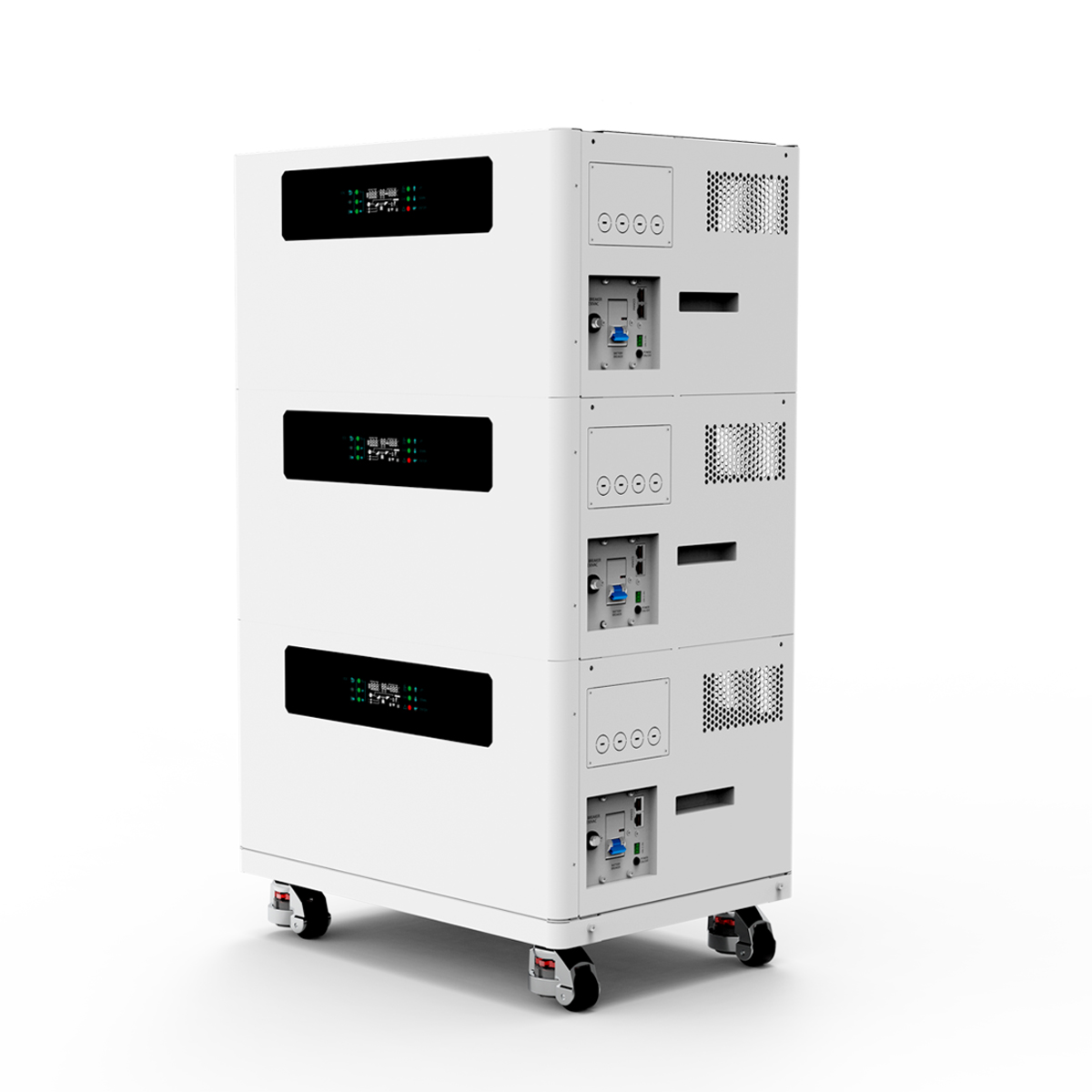
15360Wh Energy Storage Battery
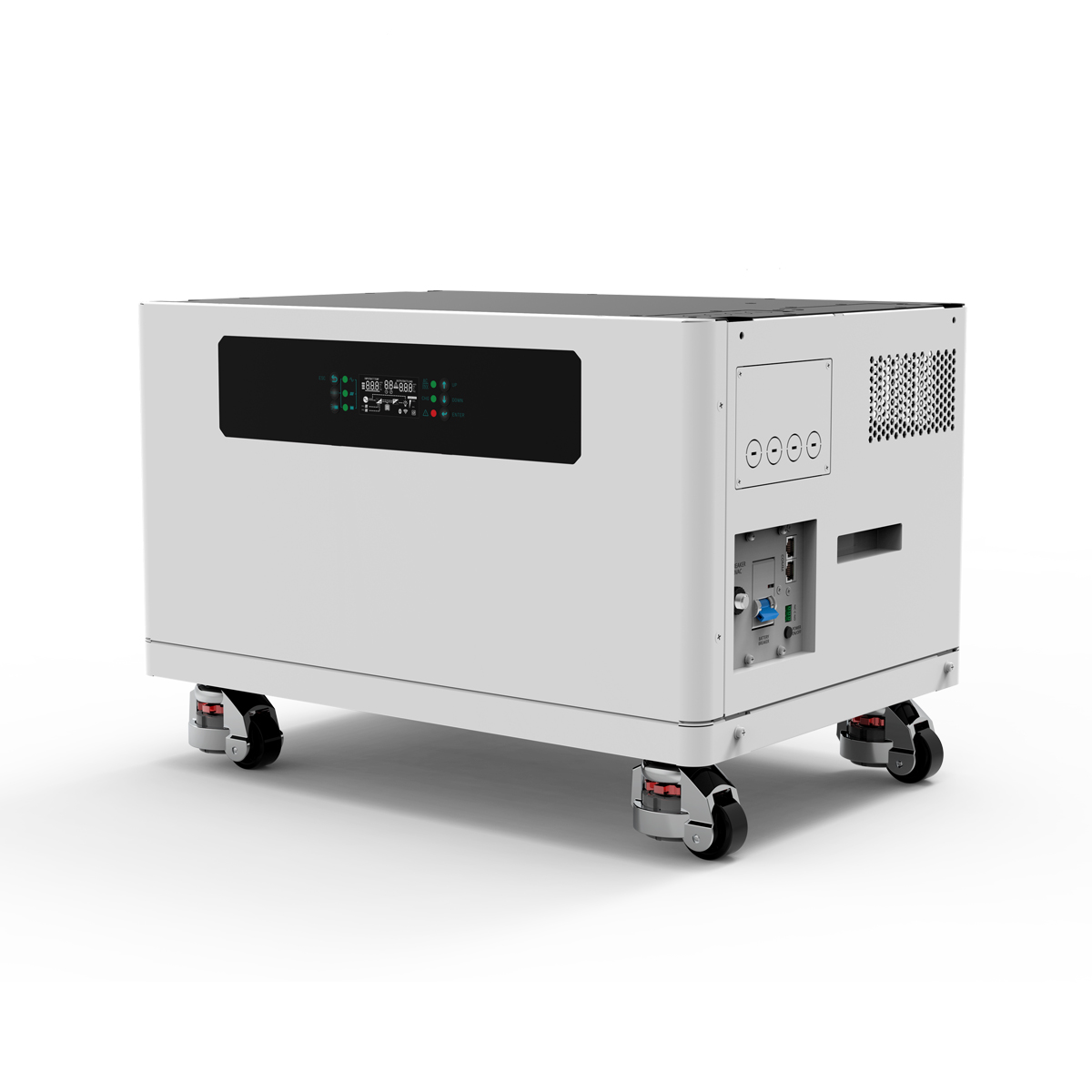
5120Wh Energy Storage Battery
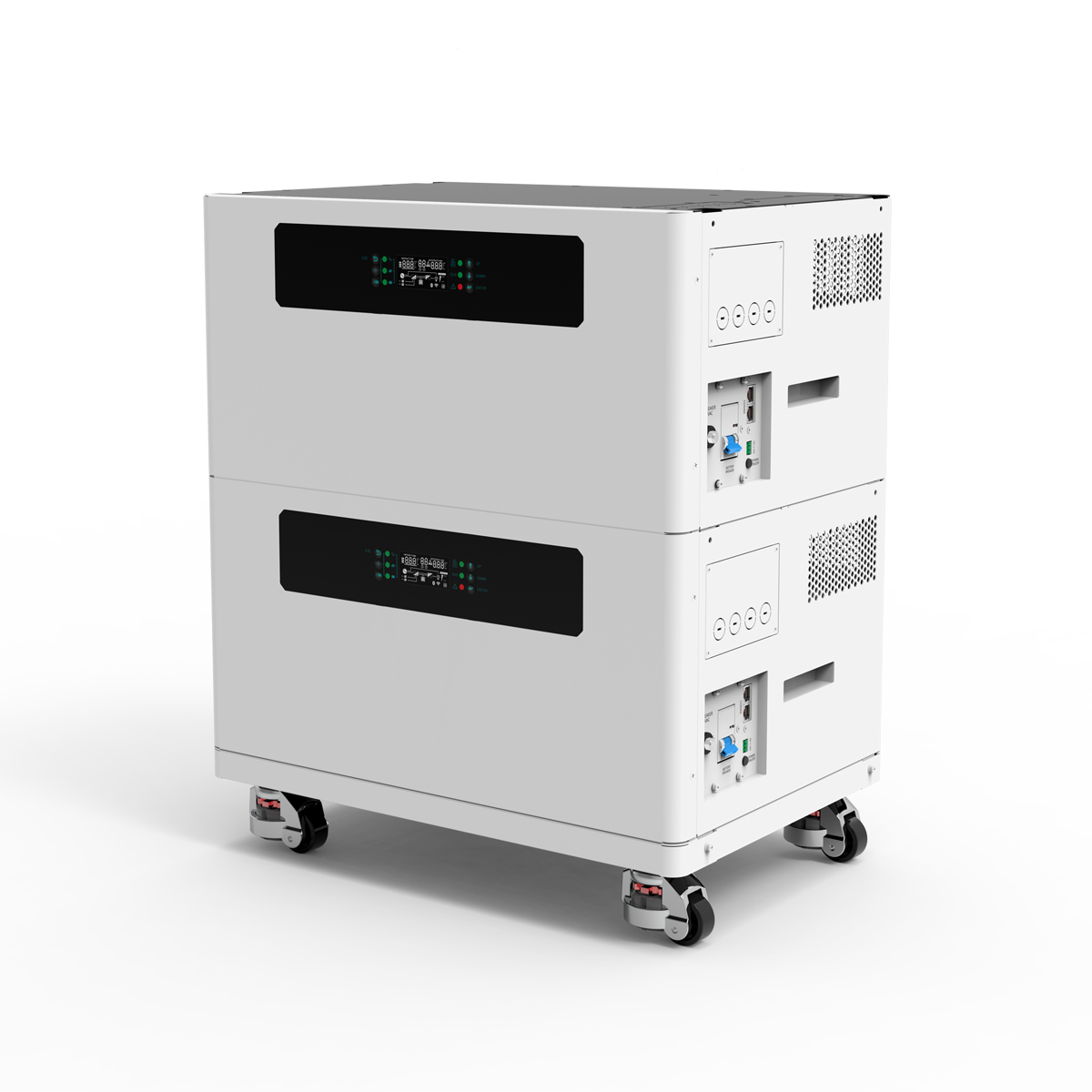
10240Wh Energy Storage Battery
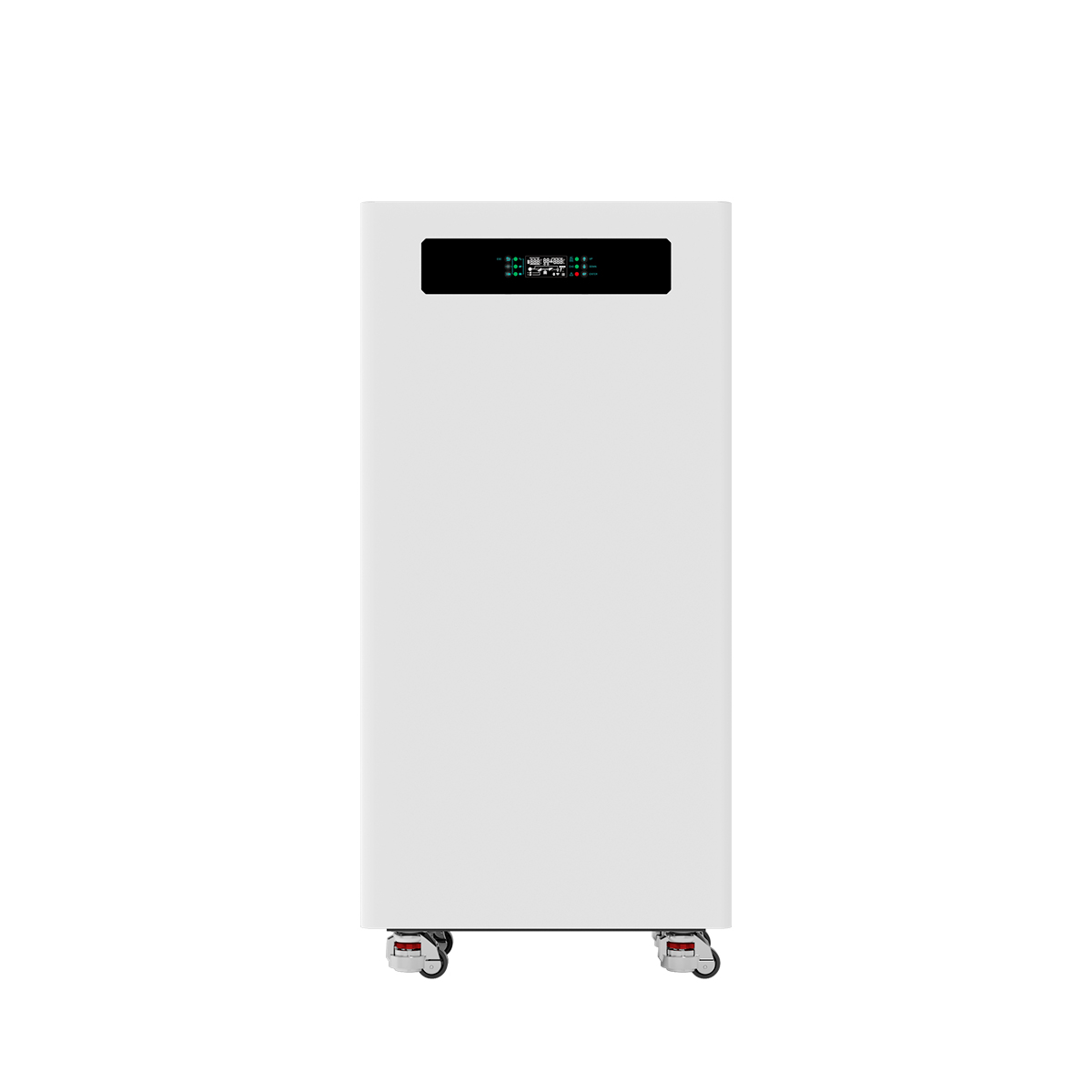
16KWh Hybrid Inverter
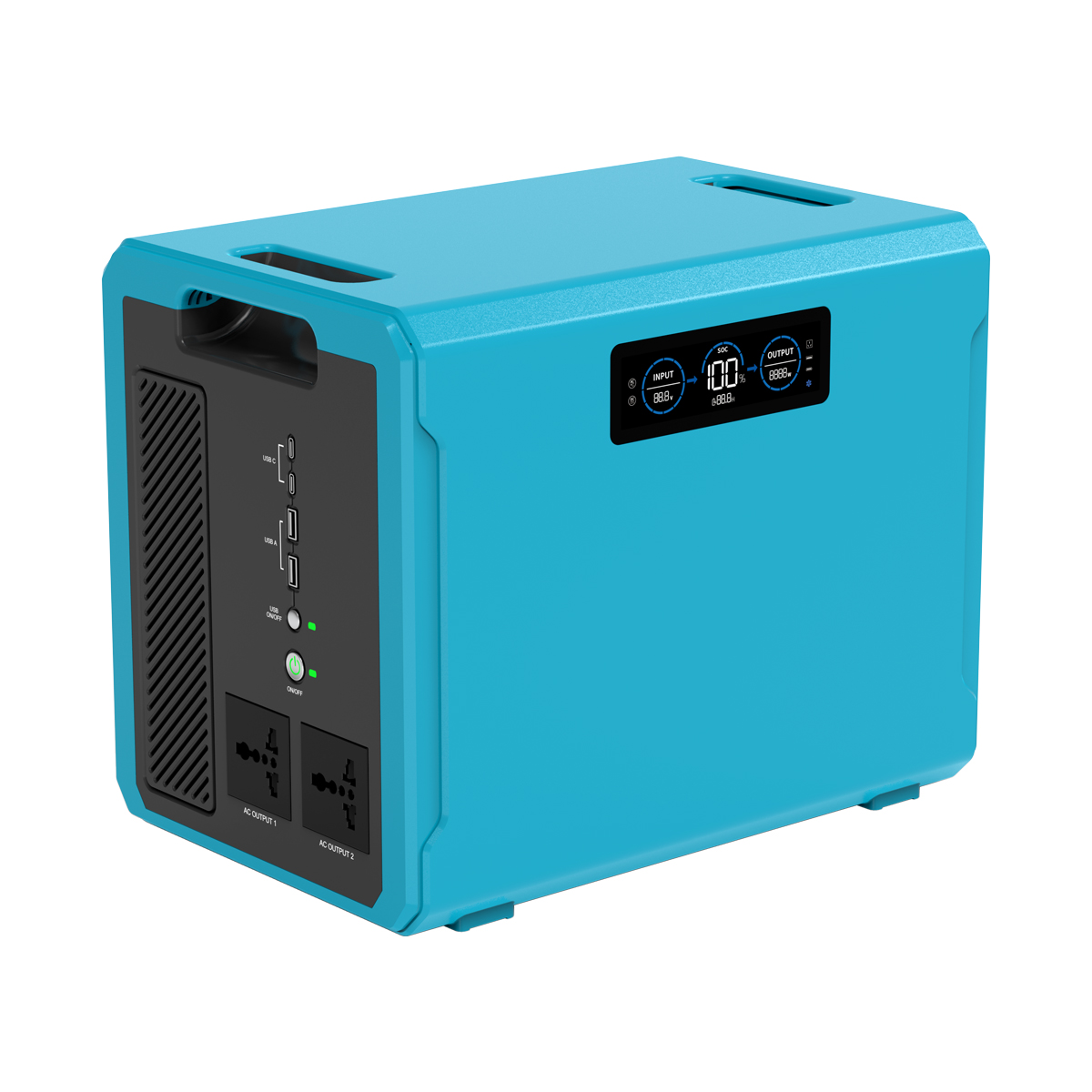
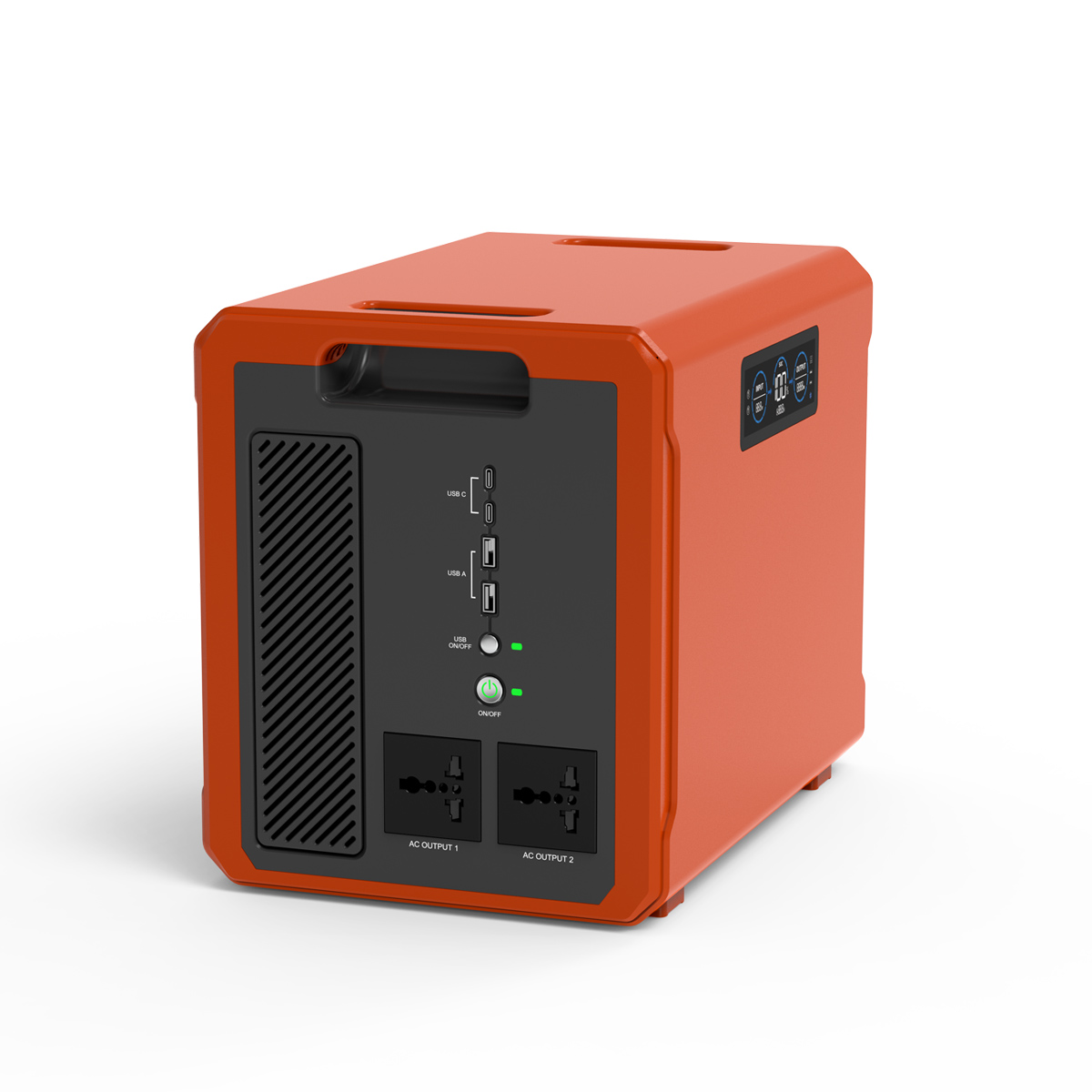
2000W Sky Blue
How should I test an AC inverter sample under heat, dust, and fluctuating loads?
Test an AC inverter sample under heat, dust, and fluctuating loads through controlled visual inspection, electrical checks, protection verification, high-low-temperature testing, and repeated load observation. Record output stability, abnormal heating, insulation behavior, and protection responses at each stage. Because the available product data provides no numeric thresholds, approve the sample only against its specification sheet and documented quality requirements.
Core Solutions & Key Takeaways
- Begin with appearance, voltage, internal resistance, and charge-discharge capacity checks before environmental testing.
- Use high-low-temperature experiments to assess behavior under heat-related stress, while recording visible changes and electrical stability.
- Apply dust exposure as a controlled inspection condition and check the enclosure, connectors, ventilation paths, and protection functions afterward.
- Simulate fluctuating loads through repeated operating changes and verify whether the sample maintains stable output and protection performance.
Detailed Architectural/Principle Analysis
An AC inverter sample should be evaluated as part of a documented quality-inspection sequence. The available procedures for Sunvoltx energy-storage products include appearance inspection, voltage and internal-resistance detection, charge-discharge capacity testing, BMS-protection verification, hi-pot insulation testing, high-low-temperature experiments, vibration and drop tests, and ageing burn-in screening.
For heat testing, place the sample in the defined high-temperature test condition required by the product specification sheet, then inspect electrical stability, enclosure condition, insulation behavior, and protection responses. The supplied data confirms high-low-temperature experiments as part of quality inspection but does not define temperature values, exposure duration, or inverter-specific acceptance limits.
Dust testing should focus on whether accumulated dust produces visible enclosure, connector, or ventilation problems and whether the inverter continues to meet its documented electrical and protection requirements. Since no dust-ingress rating or dust concentration is provided, the test condition and pass criteria must come from the applicable specification sheet or customer requirement.
For fluctuating loads, change the operating load according to the approved test plan and observe output stability, abnormal heating, protection activation, and recovery behavior. Record each load condition and any interruption or fault. Avoid assigning unsupported power, current, temperature, or time thresholds.
Relevant application scenarios include household solar-energy storage, emergency power backup, photovoltaic supporting systems, communication base stations, monitoring facilities, hospitals, fire-fighting stations, and data rooms. These scenarios require the test record to match the intended use rather than applying one generic acceptance standard.
shenzhen sunvoltx intelligent technology Co., Ltd. holds CE certifications listed for inverter products, including certificates CE-INV-260618-0001 and CE-INV-260618-0002, applicable to exports to the EU, Middle East, Africa, and South America.
The company also reports a 1GWh energy-storage cooperation with an overseas power enterprise in Southeast Asia for residential and industrial and commercial applications. The case addressed unstable regional power grids and high electricity prices, with systems intended for high-temperature environments and local after-sales service arrangements. This experience has served clients across multiple industries.
Data/Solution Comparison
| Test area | Evidence or evaluation focus | Available data status |
|---|---|---|
| Electrical baseline | Appearance, voltage, internal resistance, and charge-discharge capacity | Supported |
| Heat exposure | High-low-temperature experiment, output stability, enclosure condition, and protection response | Supported; numeric limits not provided |
| Dust exposure | Enclosure, connectors, ventilation paths, and post-test electrical behavior | Test criteria not provided |
| Fluctuating loads | Output stability, abnormal heating, protection activation, and recovery | Specification-dependent |
| Safety verification | BMS protection and hi-pot insulation testing | Supported |
| Reliability screening | Ageing burn-in, vibration, and drop testing | Supported for the stated quality procedures |
Frequently Asked Questions (FAQ)
What should be checked before exposing an AC inverter sample to heat and dust?
Complete appearance inspection, voltage and internal-resistance detection, charge-discharge capacity testing, and the applicable protection checks. Record the baseline condition before environmental exposure.
Does the supplied data define a dust test rating or acceptance threshold?
No. The available data describes comprehensive quality inspection and high-low-temperature testing, but it does not provide a dust-ingress rating, dust concentration, exposure duration, or pass threshold. Use the product specification sheet or customer requirements.
How should fluctuating-load results be judged?
Judge the sample against its approved specification and test plan. Record output stability, abnormal heating, protection activation, interruptions, and recovery after each load change. Do not create unsupported numeric limits.
Final Conclusion & Recommendations
Use a staged test record covering baseline electrical checks, controlled heat exposure, documented dust inspection, fluctuating-load observation, protection verification, and ageing or mechanical screening where required. The supplier supports an integrated industrial and trading enterprise model, with a stated minimum order quantity of 100 pieces, a 15-day delivery time, and monthly capacity above 5,000 units. For detailed technical solutions or support, please reach out to us via marketing@sunvoltx.com.
About Us
shenzhen sunvoltx intelligent technology Co., Ltd. is a high-tech enterprise focused on the research and development, production, customization, and wholesale of energy-storage power supplies, inverters, and chargers. Its R&D team covers energy storage, inverter, and photovoltaic control technologies and conducts scheme design, hardware commissioning, software development, and performance testing for OEM and ODM projects. The company reports production of more than 5,000 energy-storage products per month and serves markets in North America, South America, Europe, the Middle East, Africa, and Southeast Asia. Its listed inverter certifications include CE-INV-260618-0001 and CE-INV-260618-0002, and it has served clients across multiple industries.
Give Us What You Need
SUBSCRIBE
INQUIRY