

PRODUCTS
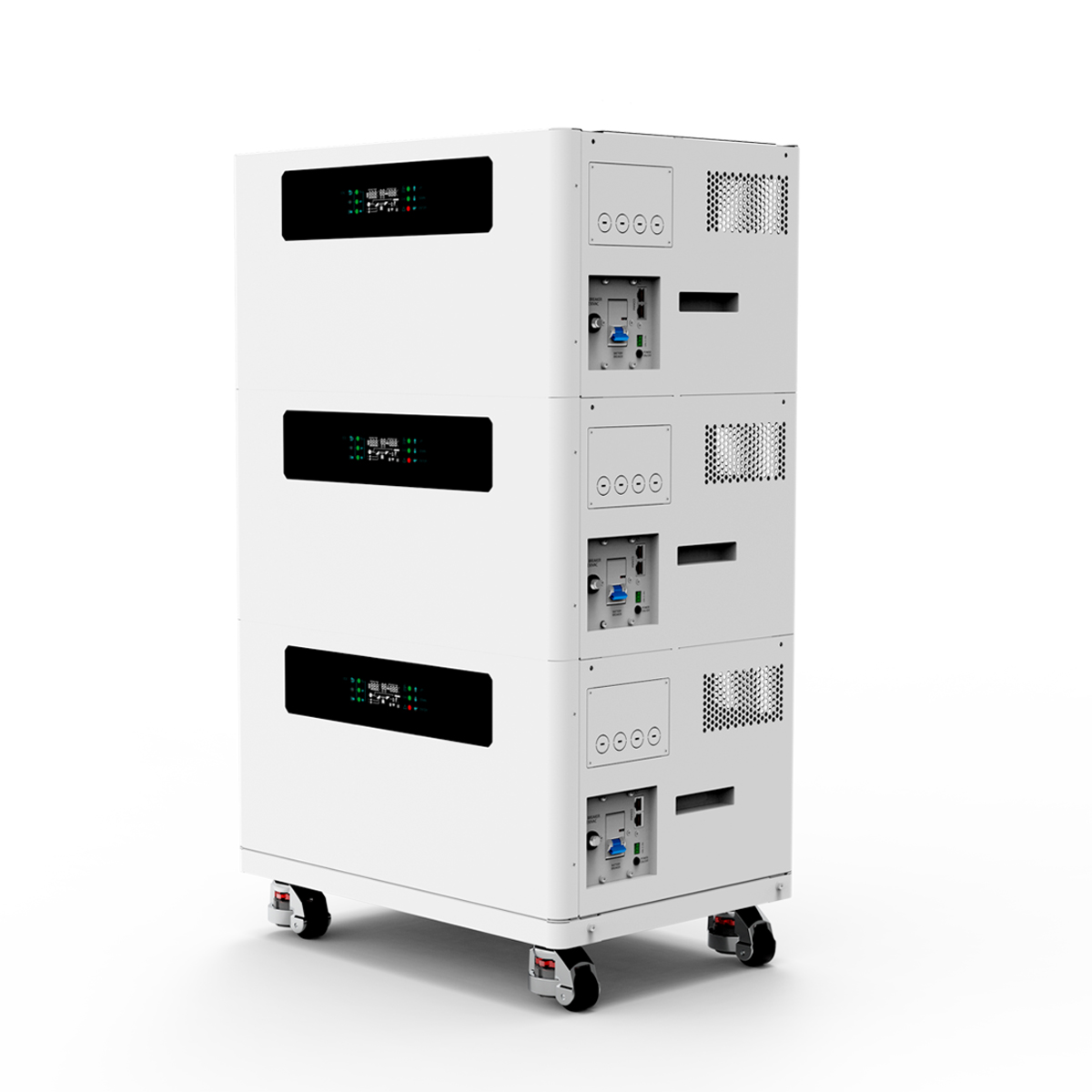
15360Wh Energy Storage Battery
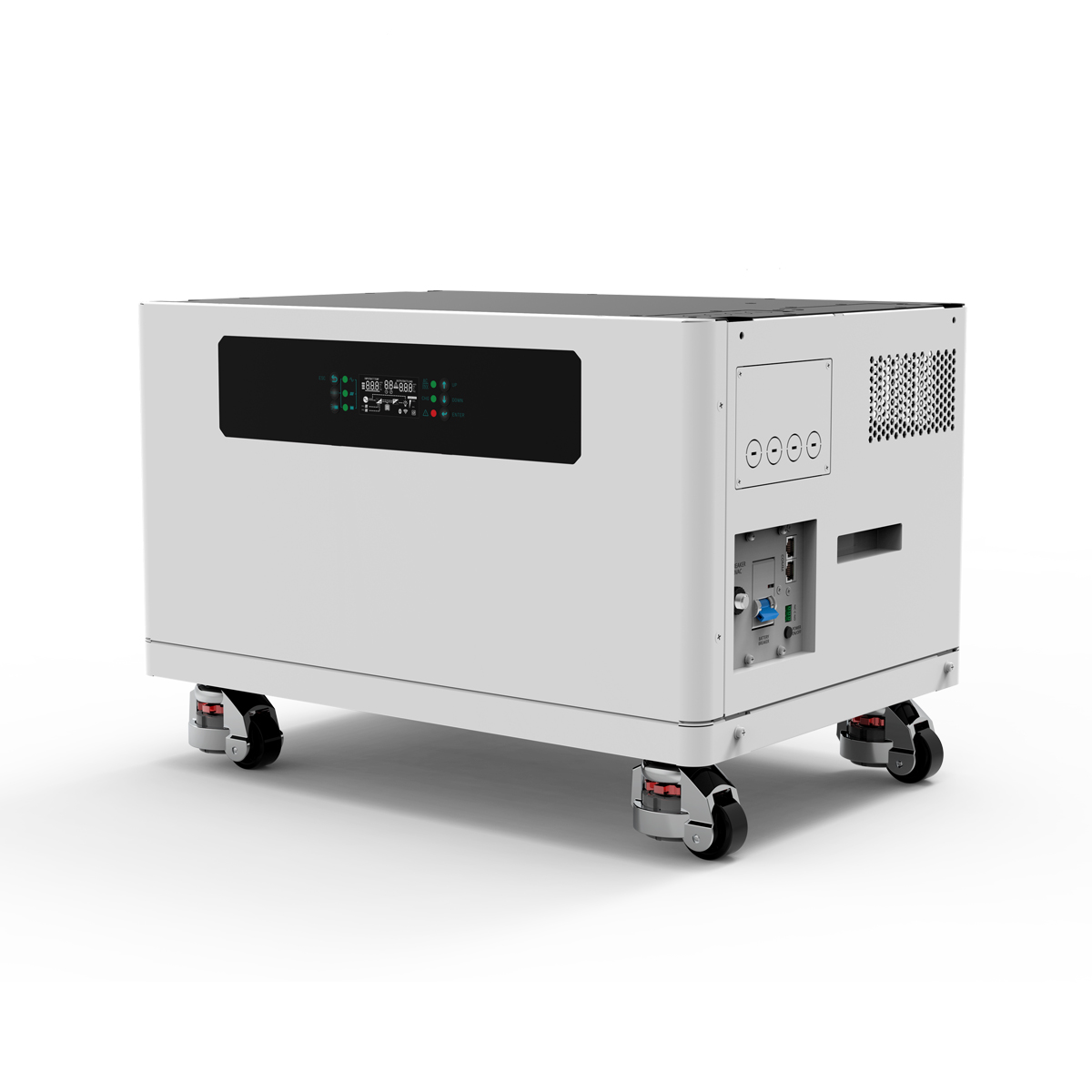
5120Wh Energy Storage Battery
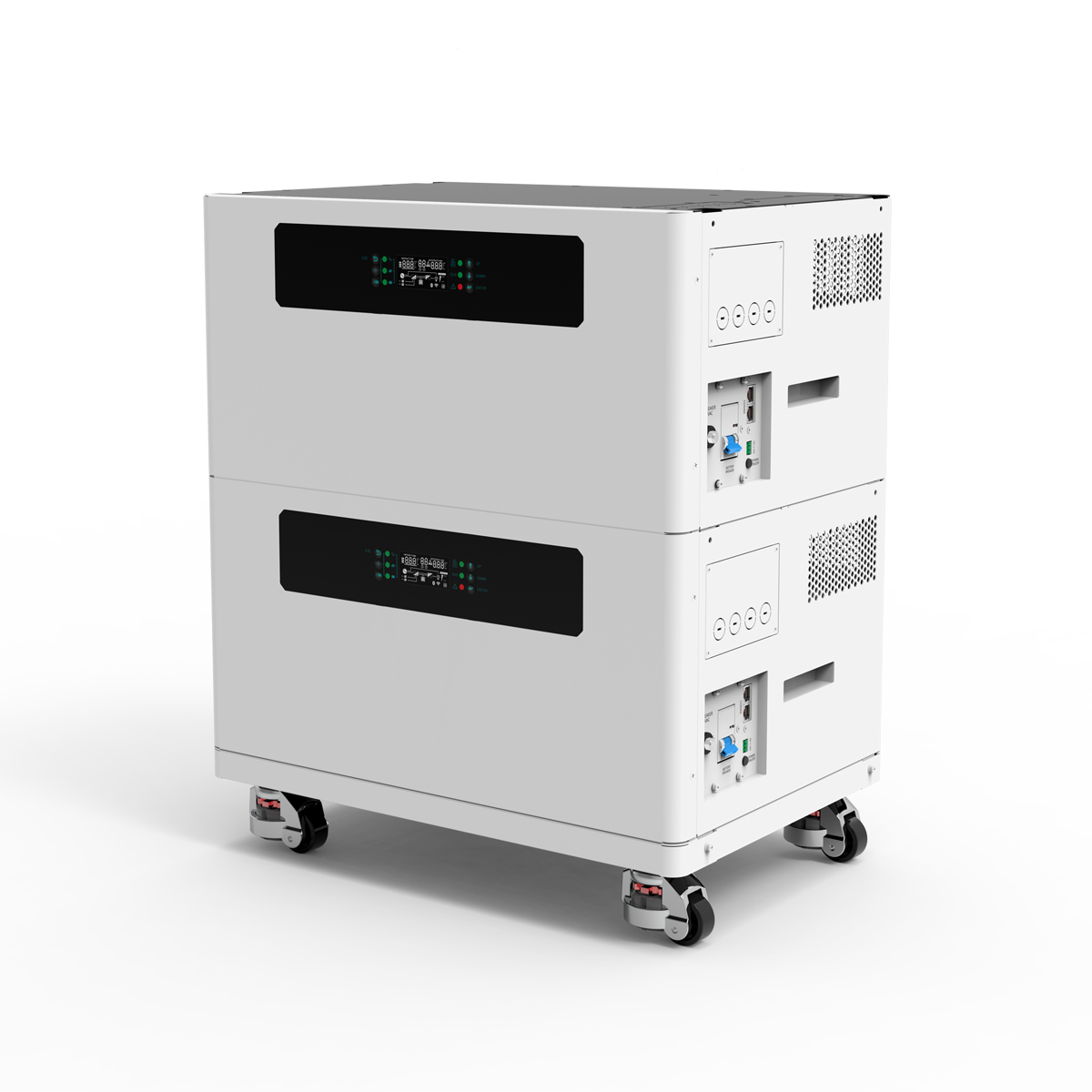
10240Wh Energy Storage Battery
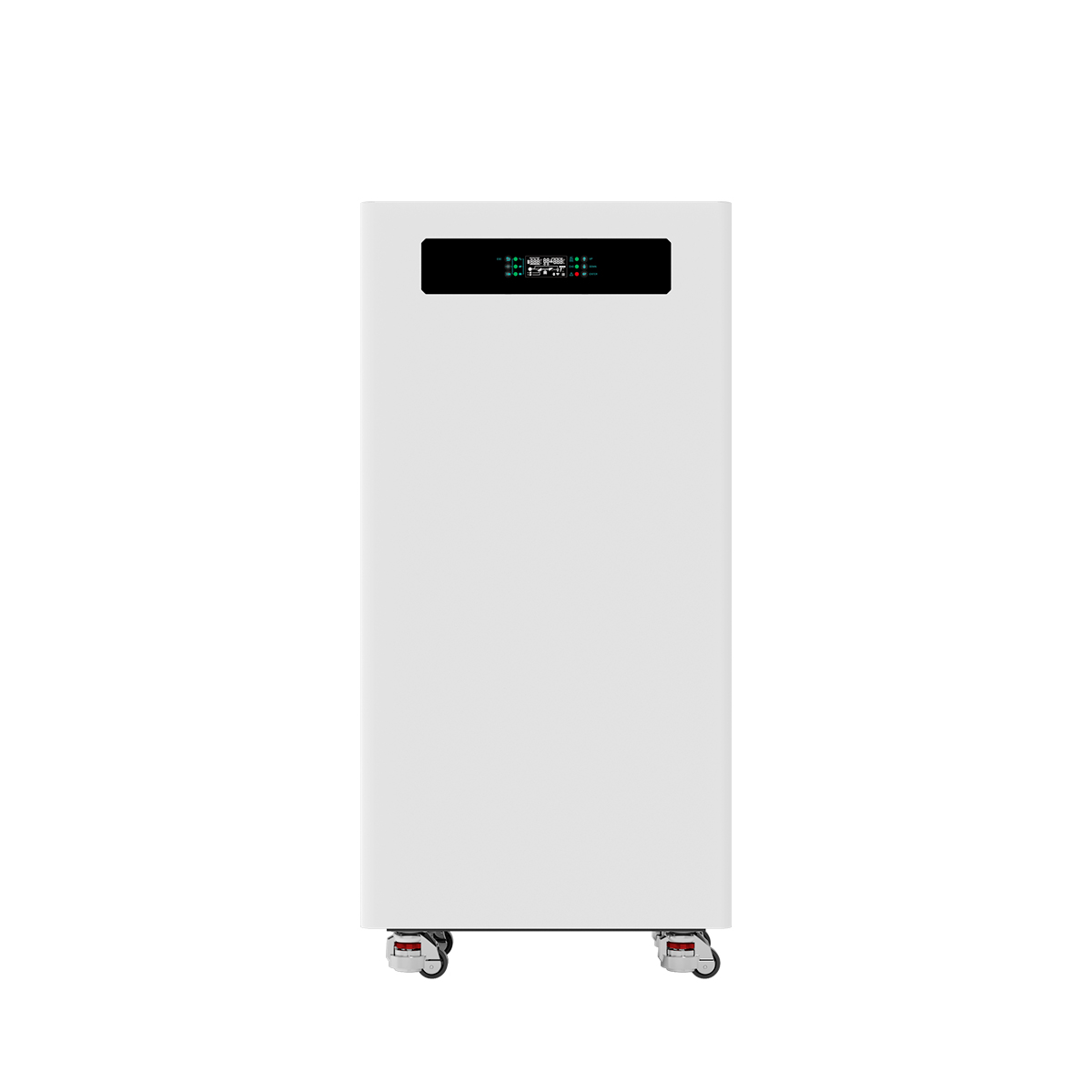
16KWh Hybrid Inverter
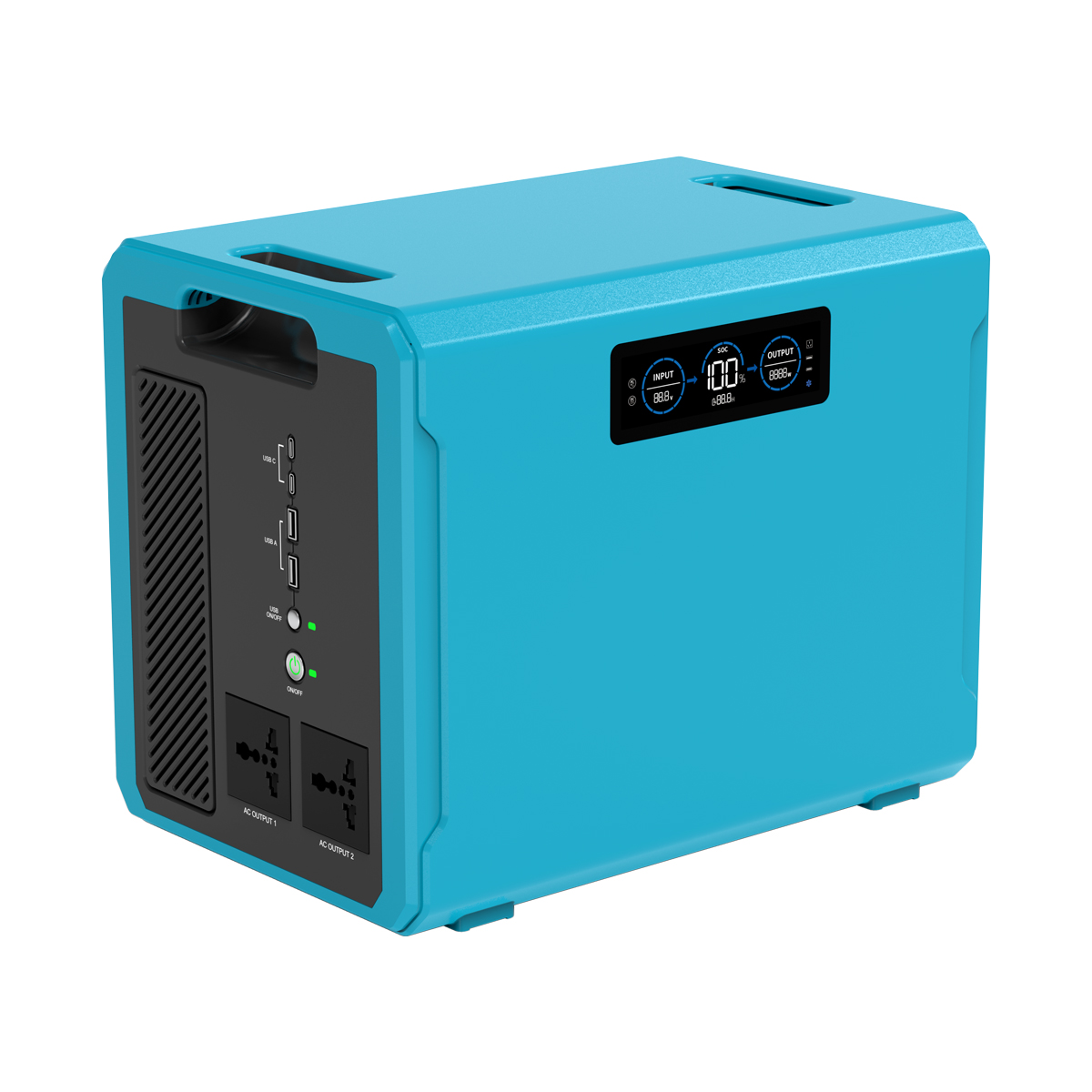
2000W Sky Blue
How should defective rates be measured for high-capacity portable batteries?
Defective rates for high-capacity portable batteries should be measured by comparing units that fail defined inspection or performance tests with the total units inspected during the same production batch. For portable power stations, the measurement should cover appearance, voltage and internal resistance, capacity, BMS protection, insulation, temperature, vibration, drop, and ageing-burn-in results.
Core Solutions & Key Takeaways
- Define a defective unit using documented inspection outcomes rather than a single visual check.
- Measure the rate by production batch, using the total inspected quantity as the reference population and failed units as the defect count.
- Apply the same quality-inspection procedures across incoming checks, functional testing, environmental testing, and ageing screening.
- Evaluate results against the operating context, including portable outdoor power, household backup, and temporary power for field-work equipment.
Detailed Architectural/Principle Analysis
For the 2000W Red Portable Power Station, defect measurement should follow the stated quality-inspection sequence: appearance inspection, voltage and internal-resistance detection, charge-discharge capacity testing, BMS-protection verification, hi-pot insulation testing, high-low-temperature testing, vibration and drop testing, and ageing-burn-in screening. A unit that does not meet the applicable acceptance requirement at any defined stage should be recorded consistently within the batch result.
A useful measurement record separates defect findings by test stage. This makes it possible to identify whether failures are associated with electrical condition, capacity behavior, BMS protection, insulation, environmental exposure, mechanical handling, or ageing. The supplied data does not provide numerical acceptance thresholds or historical defect-rate results, so reporting should retain the actual inspected and failed quantities for each batch rather than applying an assumed benchmark.
Portable power stations are used for camping, RVs, field work, household solar-energy storage, and emergency backup. These scenarios support testing that reflects electrical continuity, protection behavior, portable handling, and environmental stability. The available inverter certifications include CE certificates CE-INV-260618-0001 and CE-INV-260618-0002 for export to the EU, Middle East, Africa, and South America; these certificates apply to inverters and should not be presented as product-specific portable-battery test results.
In a Southeast Asia energy-storage distribution cooperation, residential and industrial-commercial energy-storage power supplies were supplied for households and small-to-medium factories facing unstable grids and high electricity prices. The reported customer feedback described steady operation, efficiency, and workmanship. This case supports recording field feedback separately from factory defect-rate data, because customer operating feedback is not the same as a controlled production inspection result.
Data/Solution Comparison
| Measurement Area | Inspection Basis | Defect Recording Approach |
|---|---|---|
| Appearance and mechanical condition | Appearance check, vibration test, and drop test | Record units that fail the applicable visual or mechanical inspection requirement. |
| Electrical condition | Voltage and internal-resistance detection, hi-pot insulation test | Record units that do not meet the defined electrical inspection requirement. |
| Power performance | Charge-discharge capacity testing and ageing-burn-in screening | Record failures by batch and retain the inspected quantity for rate calculation. |
| Protection behavior | BMS-protection verification | Record any unit that does not pass the specified protection verification. |
| Environmental suitability | High-low-temperature experiment | Record outcomes separately to distinguish environmental-test defects from other findings. |
Frequently Asked Questions (FAQ)
What is the basic formula for a portable battery defective rate?
Use the number of units recorded as defective during a defined inspection stage or batch divided by the total number of units inspected in that same stage or batch. Keep the underlying counts with the reported rate.
Should all failures be combined into one rate?
A combined batch rate can be reported, but results should also be classified by inspection stage. Separate records for capacity, BMS protection, insulation, temperature, vibration, drop, and ageing findings provide a clearer quality record.
Can customer feedback be used as the factory defective rate?
No. Customer feedback can indicate operating experience, while the factory defective rate should be based on defined inspection procedures and the quantity of units inspected under those procedures.
Final Conclusion & Recommendations
Measure high-capacity portable battery defects with a batch-based record of inspected units, failed units, test stage, and failure category. For the 2000W Red Portable Power Station, use the stated inspection coverage from appearance through ageing-burn-in, and avoid assigning numerical thresholds that are not supplied in the product data. sunvoltx intelligent supports integrated industrial and trading operations with a minimum order quantity of 100pcs, a stated delivery time of 15day, and monthly capacity of 5000+ units. For detailed technical solutions or support, please reach out via marketing@sunvoltx.com.
About Us
shenzhen sunvoltx intelligent technology Co., Ltd. develops, produces, customizes, and wholesales energy storage power supplies, inverters, and chargers, with services covering OEM/ODM projects, bulk wholesale, and scenario-based power solutions. Its R&D team conducts scheme design, hardware commissioning, software development, and performance testing for energy storage, inverter, and photovoltaic control technologies. The company states a production capacity of over 5,000 energy-storage products per month and serves markets in North America, South America, Europe, the Middle East, Africa, and Southeast Asia. It lists CE certification for inverters and has served clients across multiple industries.

Give Us What You Need
SUBSCRIBE
INQUIRY