

PRODUCTS
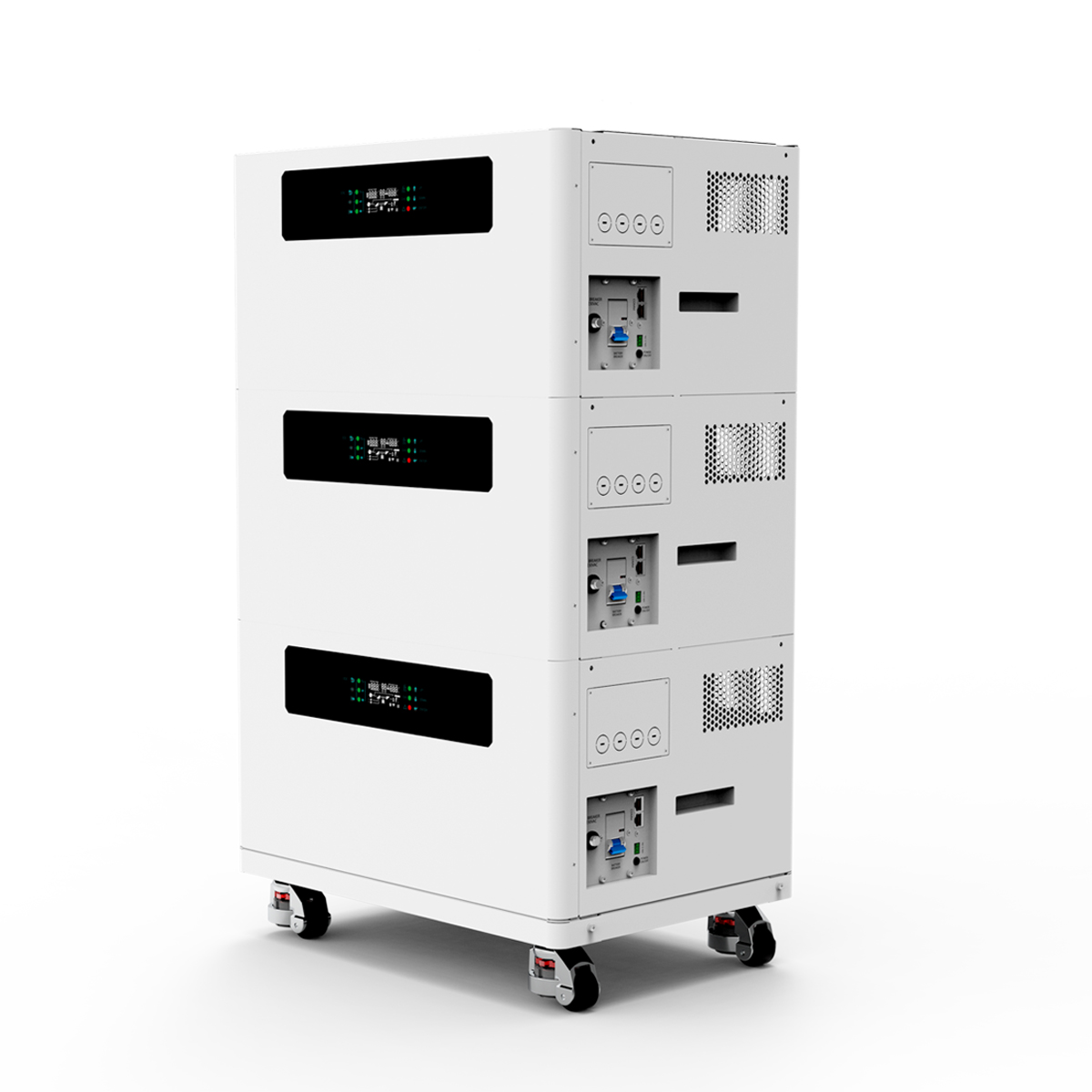
15360Wh Energy Storage Battery
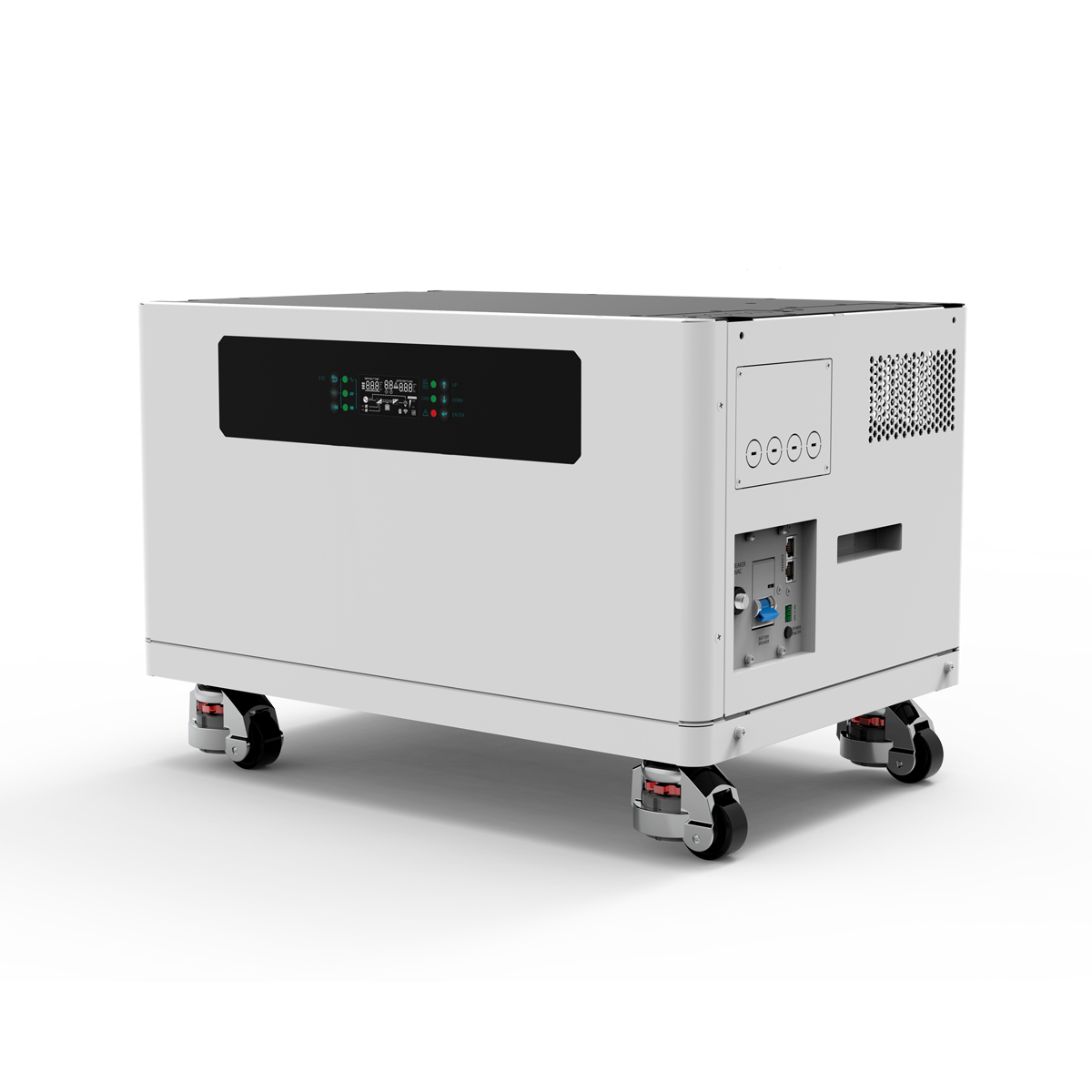
5120Wh Energy Storage Battery
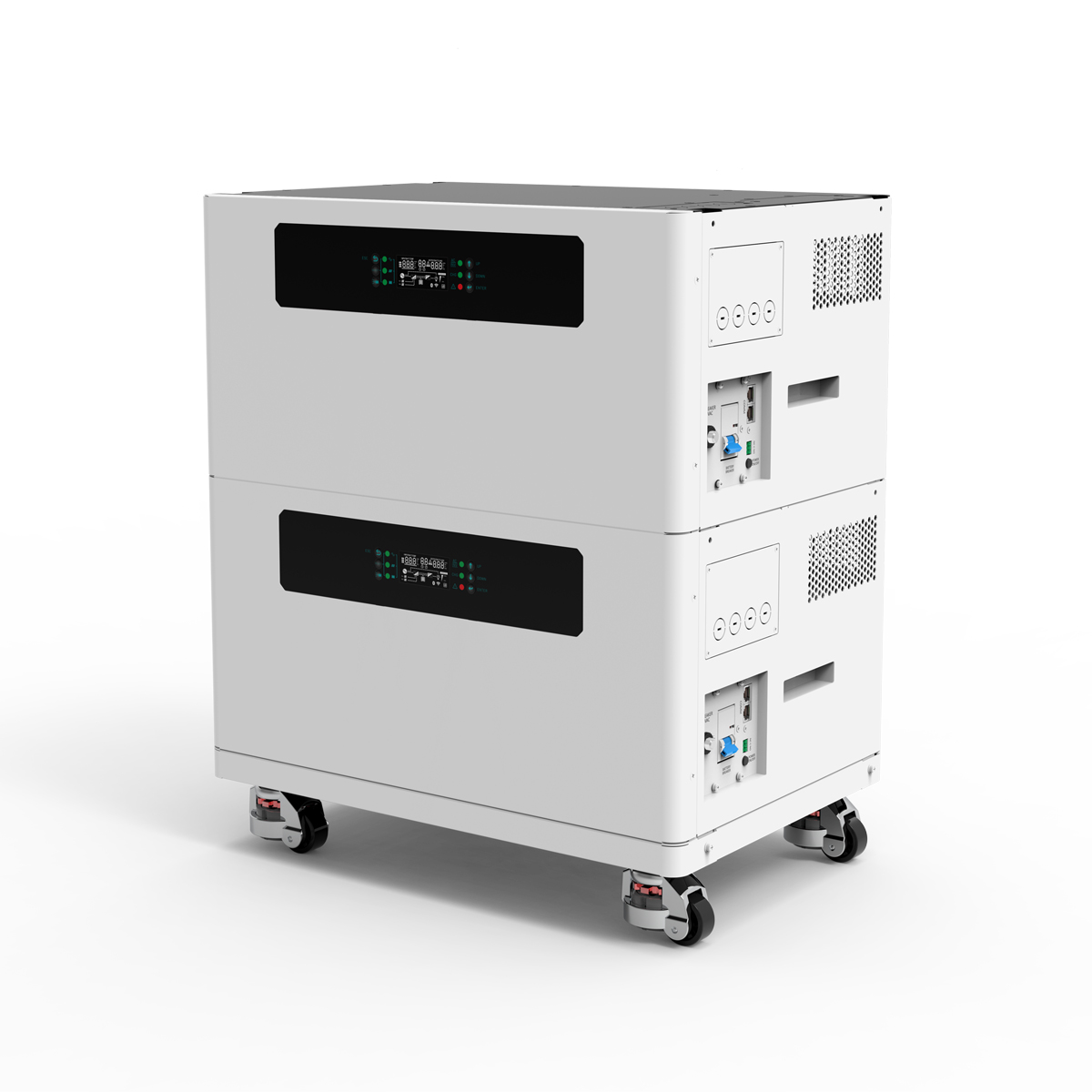
10240Wh Energy Storage Battery
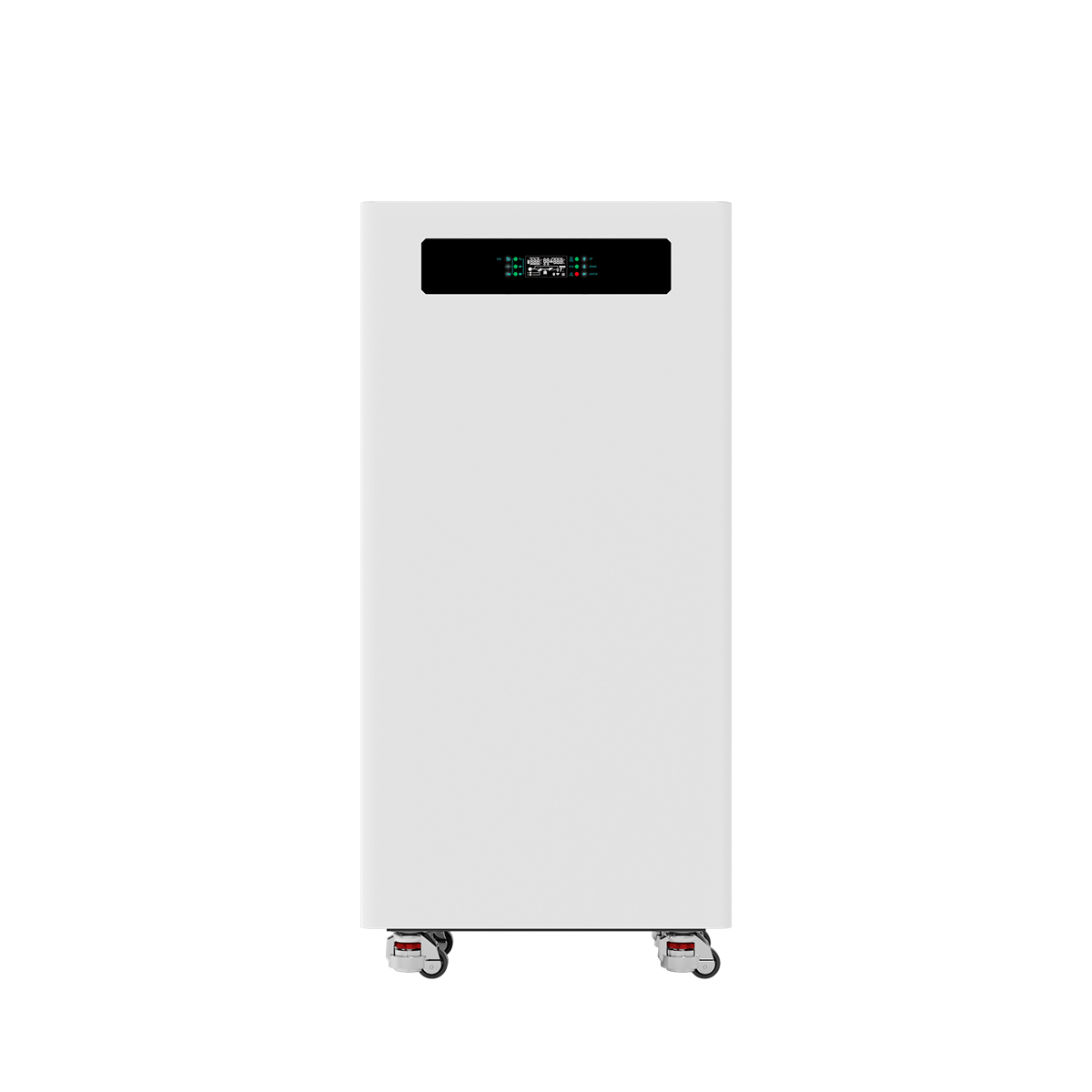
16KWh Hybrid Inverter
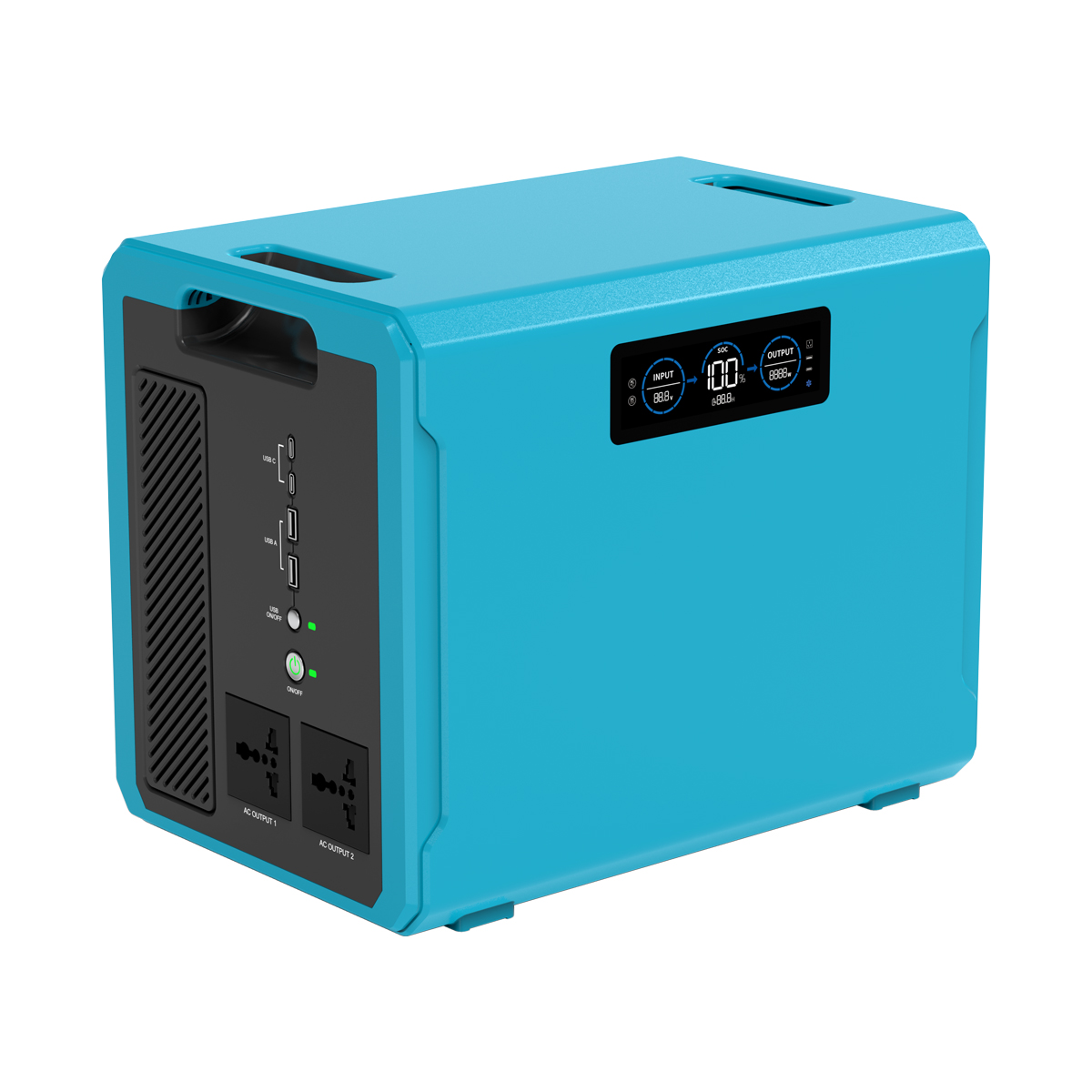
2000W Sky Blue
How do I verify the actual automation level of an MPPT controller plant?
Verify the actual automation level of an MPPT controller plant by reviewing its documented workflow for scheme design, hardware commissioning, software development, performance testing, quality inspection, and production capacity. For a 12 24V Solar Charge Controller supplier, compare these records with sampling, inspection, delivery, and traceability evidence before treating automation claims as verified.
Core Solutions & Key Takeaways
- Request evidence for each operating stage: product scheme design, hardware commissioning, software development, performance testing, sampling, production, and final inspection.
- Separate R&D capability from plant automation. A professional testing setup and independent development capability support technical control, but they do not by themselves quantify automated production equipment.
- Check whether inspection records cover appearance, voltage and internal-resistance detection, charge-discharge capacity testing, protection verification, insulation testing, temperature testing, vibration and drop testing, and ageing screening.
- Assess whether the plant can support the intended use case, such as household solar energy storage, portable outdoor power, or photovoltaic supporting systems.
Detailed Architectural/Principle Analysis
An MPPT solar charge controller plant should be evaluated as a sequence of controlled activities rather than through a general automation statement. For the 12 24V Solar Charge Controller, verification should begin with records showing how a design moves from engineering work into testing, sampling, production, inspection, and delivery.
Shenzhen sunvoltx intelligent technology Co., Ltd. states that its new-energy R&D team conducts scheme design, hardware commissioning, software development, and performance testing using professional testing instruments. These activities provide review points for determining whether technical processes are documented and repeatable.

The supplied product quality-inspection description lists appearance checks, electrical detection, protection verification, insulation testing, temperature experiments, vibration and drop tests, and ageing screening. Request batch-level inspection evidence and identify which steps are instrument-assisted, machine-executed, or manually recorded. The provided information does not state an automation percentage, equipment count, or automated line configuration.

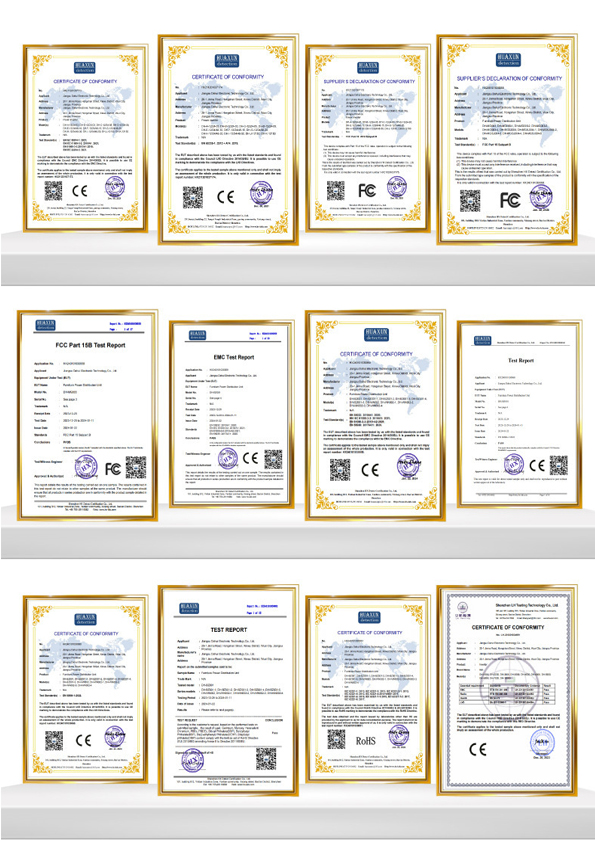
Listed CE certificates apply to inverters for export to the EU, Middle East, Africa, and South America. These CE records support verification of documented certification activity for the applicable inverter products, but they should not be used as proof of the automation level of an MPPT controller plant.
A Southeast Asia cooperation case describes a 1GWh energy-storage distribution project serving local households and small-to-medium factories, with systems intended for high-temperature environments and local after-sales service centers. This case demonstrates experience with energy-storage delivery and service coordination; it does not provide a measured automation level for MPPT controller manufacturing.
Data/Solution Comparison
| Verification Area | Available Evidence | What to Confirm with the Plant |
|---|---|---|
| R&D process | Scheme design, hardware commissioning, software development, and performance testing are stated. | Whether records link each MPPT controller version to test results and approval stages. |
| Quality inspection | The product information lists electrical, protection, insulation, environmental, mechanical, and ageing checks. | Whether each batch has traceable inspection records and defined pass or fail criteria. |
| Production capacity | More than 5,000 energy-storage products per month and more than 60,000 units annually are stated. | Which production stages are automated and what share remains operator-controlled. |
| Manufacturing scale | The stated factory area is 1000 square meters. | Whether production, testing, and warehousing areas are physically separated and documented. |
| Order support | The integrated industrial and trading enterprise model lists a 100-piece MOQ and 15-day delivery time. | Whether sampling and production schedules are supported by documented capacity planning. |
Frequently Asked Questions (FAQ)
What records should I request to verify MPPT controller plant automation?
Request process-flow documents, sampling records, test reports, batch inspection records, production records, and traceability documents. Ask the plant to identify which operations use automated equipment and which require manual handling.
Does production capacity prove that a plant is automated?
No. The stated monthly capacity shows output capability, but it does not identify the extent of automated assembly, testing, or material handling. Automation must be verified through workflow and equipment evidence.
Do CE certificates verify MPPT controller production automation?
No. The listed CE certificates apply to inverters. They can support review of certification documentation for the relevant products, while plant automation requires separate manufacturing and inspection evidence.
Final Conclusion & Recommendations
Use documented R&D, testing, inspection, capacity, and traceability evidence to assess an MPPT controller plant rather than relying on an unmeasured automation claim. The available information supports review of an integrated industrial and trading enterprise with a 100-piece MOQ, 15-day delivery time, stated monthly capacity above 5,000 energy-storage products, and CE documentation for applicable inverter products. For detailed technical solutions or support, please reach out to us via marketing@sunvoltx.com.
About Us
shenzhen sunvoltx intelligent technology Co., Ltd. develops, manufactures, customizes, and wholesales energy-storage power supplies, inverters, chargers, and related power solutions. The company states that it operates a 1000 square meter factory and has production capacity of more than 5,000 energy-storage products per month. Its R&D capability includes independent scheme design, hardware commissioning, software development, and performance testing for energy storage, inverter, and photovoltaic control technologies. The company lists CE certificates for inverter products and has served clients across multiple industries.

Give Us What You Need
SUBSCRIBE
INQUIRY