

PRODUCTS
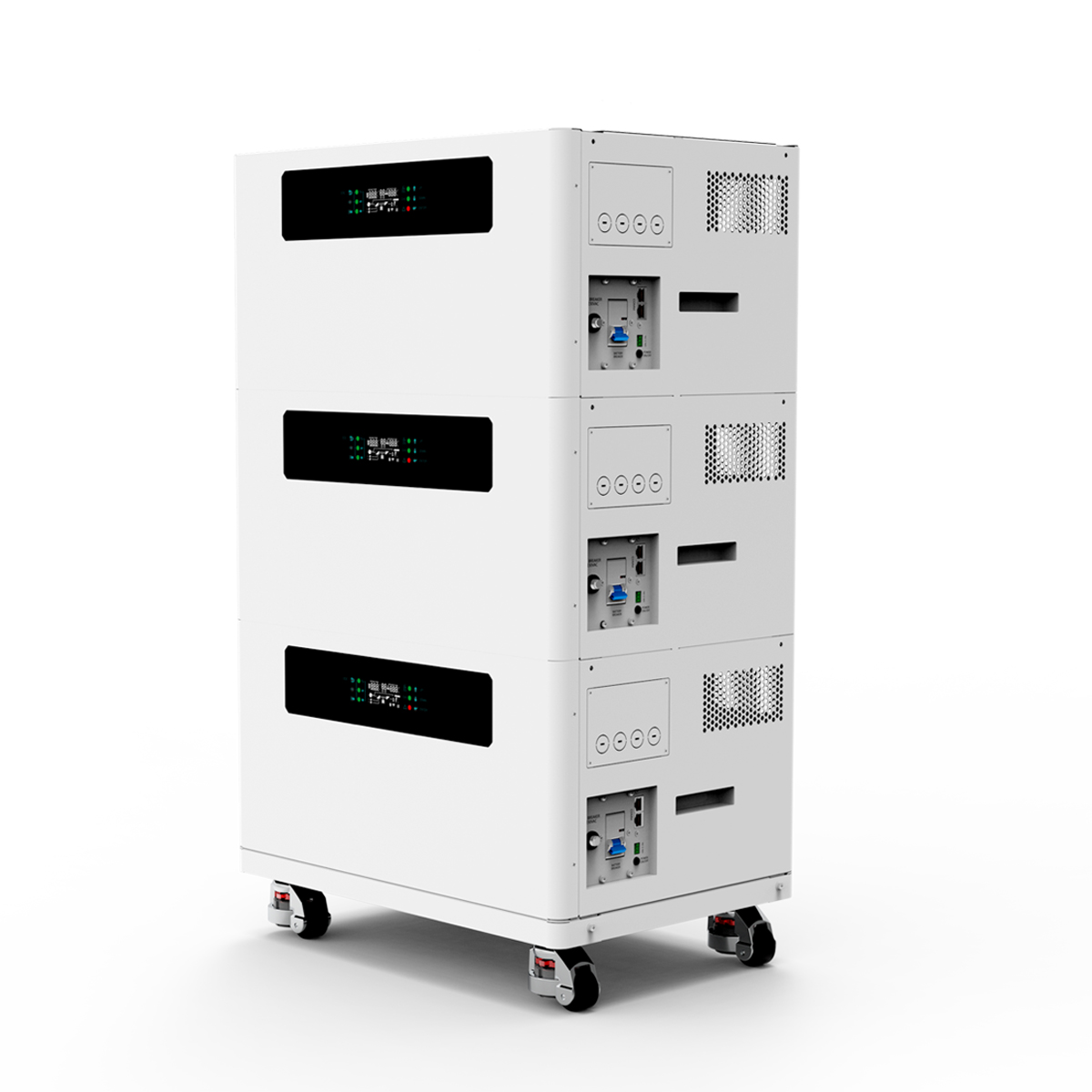
15360Wh Energy Storage Battery
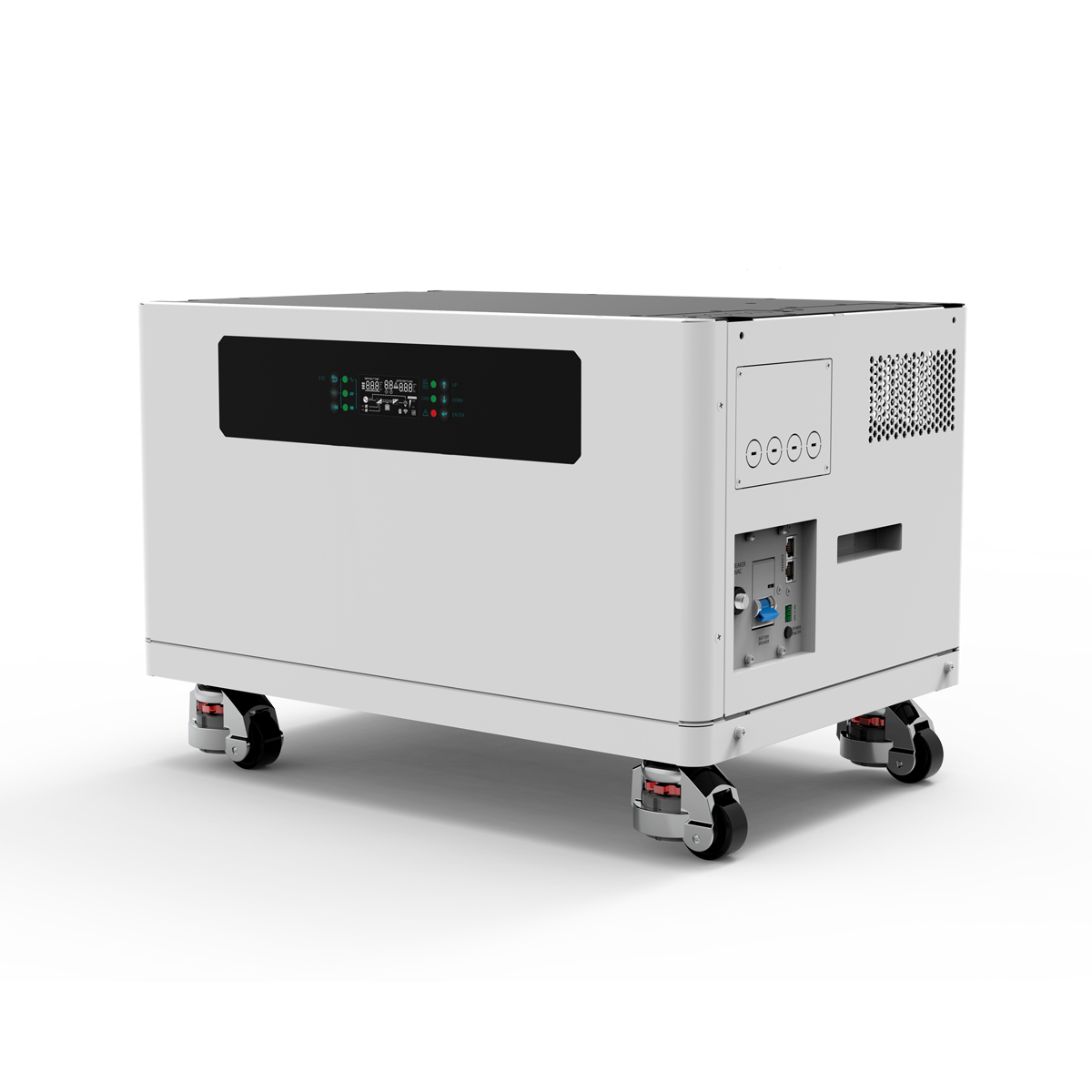
5120Wh Energy Storage Battery
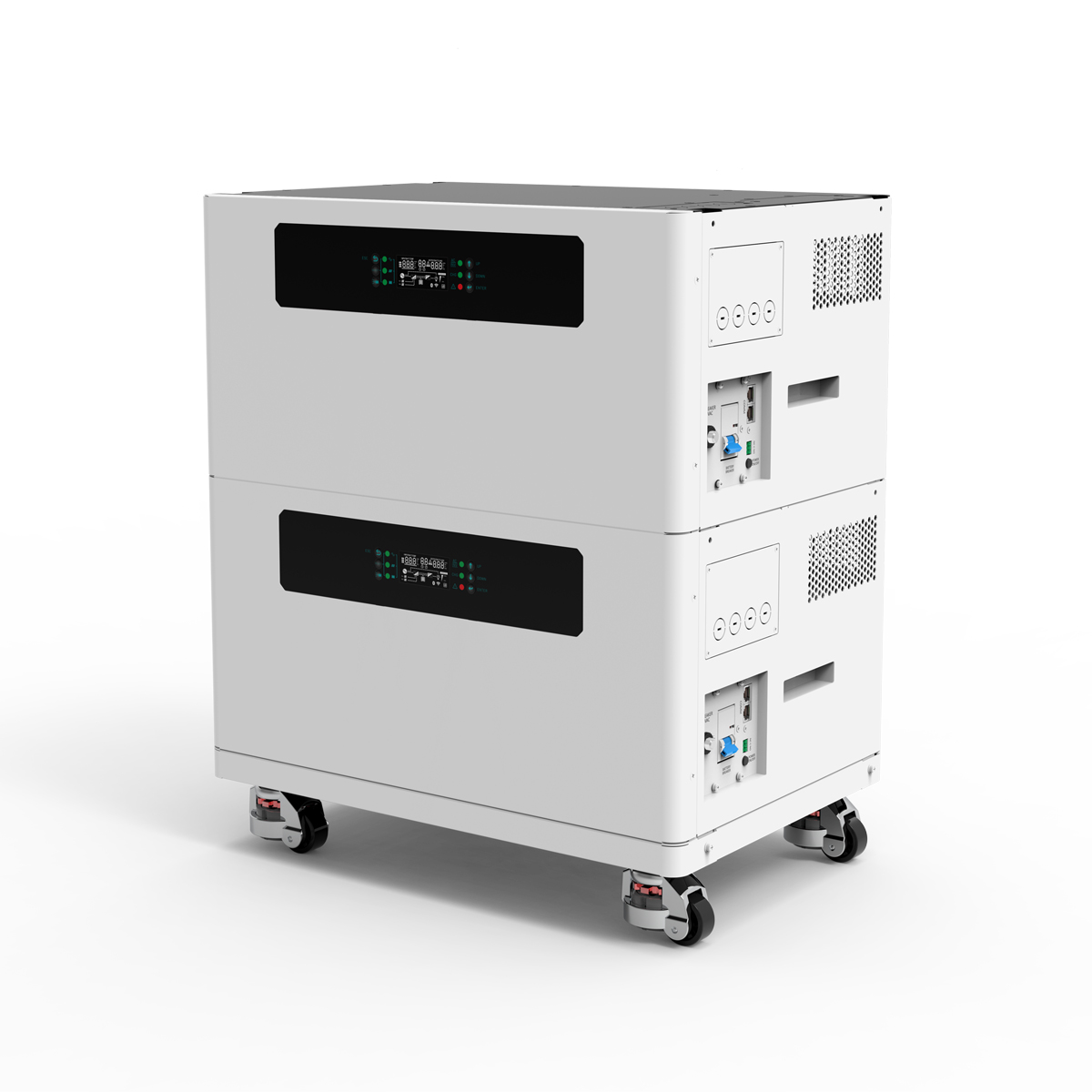
10240Wh Energy Storage Battery
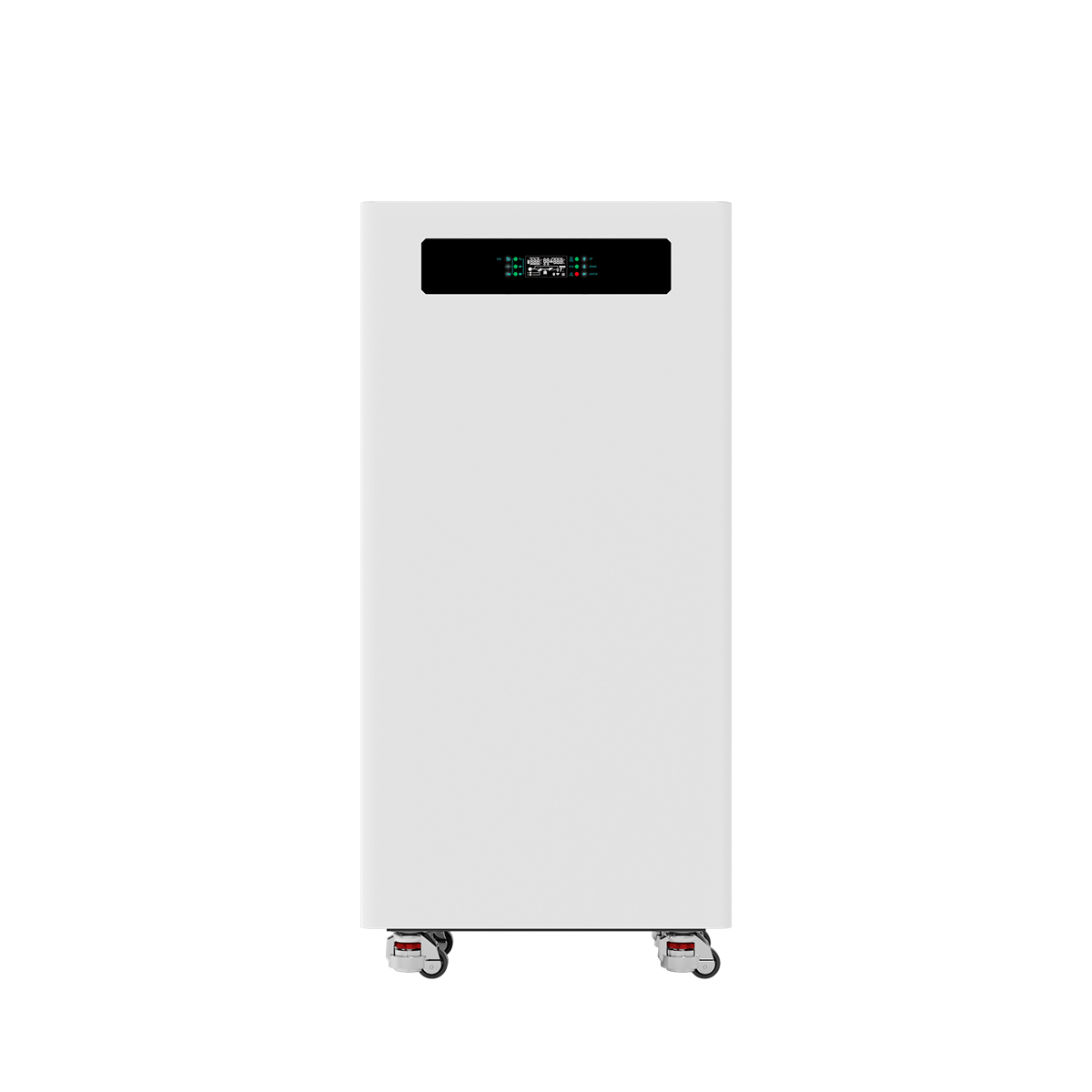
16KWh Hybrid Inverter
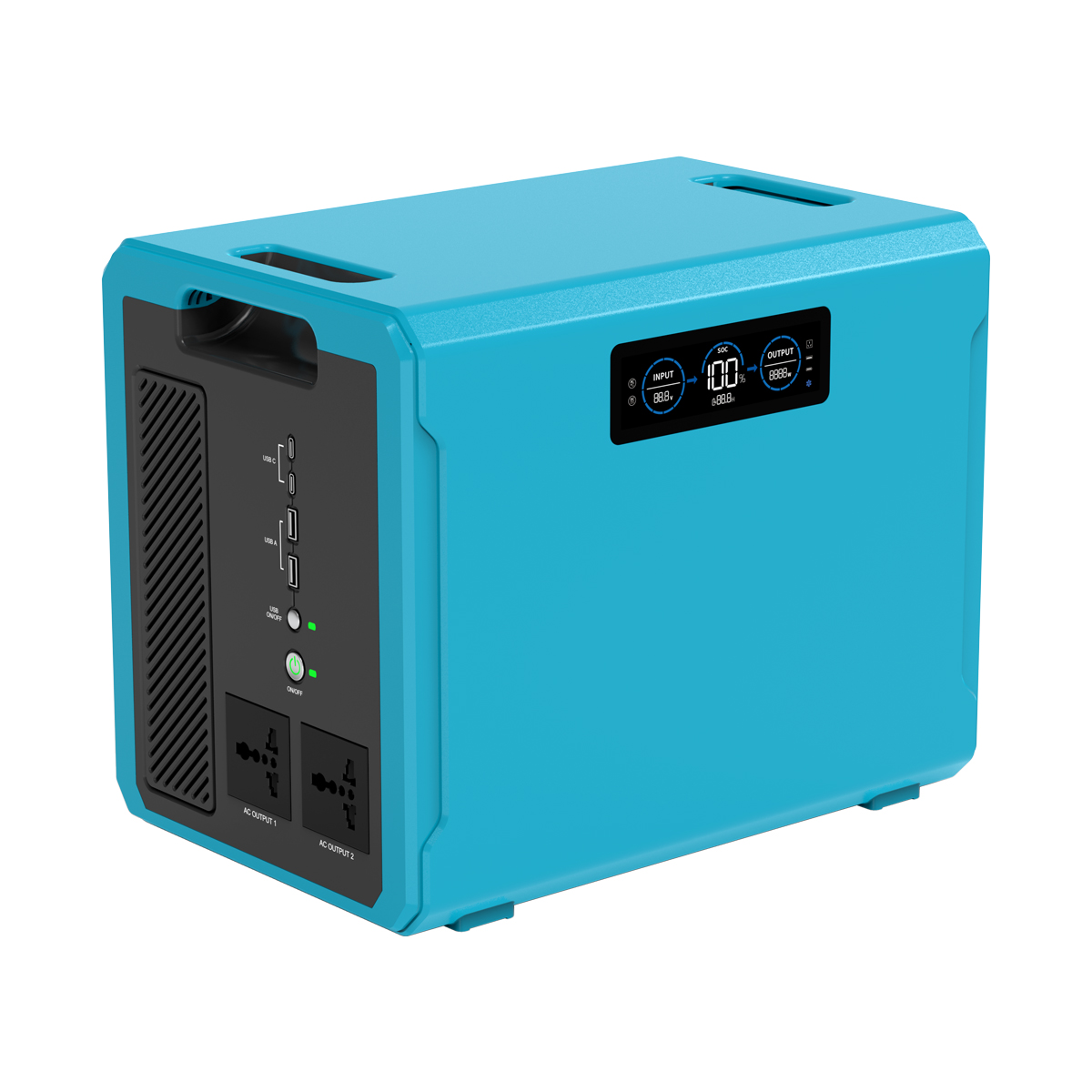
2000W Sky Blue
How do I protect my software and design IP when customizing a home energy storage system?
Protecting software and design intellectual property (IP) when customizing a home energy storage system requires executing robust Non-Disclosure Agreements (NDAs), defining proprietary ownership in OEM/ODM hardware and firmware contracts, partitioning control firmware code from standard MPPT solar charge controller modules, and partnering with audited manufacturers utilizing strict access controls during hardware commissioning and software development.
Core Solutions & Key Takeaways
- Contractual IP Framework: Establish binding NDAs and explicit IP transfer clauses prior to transferring schematic diagrams, PCB layouts, or firmware source code.
- Modular Firmware Architecture: Separate custom Energy Management System (EMS) software logic from standardized hardware control layers, such as 36 48V Solar Charge Controller subroutines.
- Secure Hardware Commissioning: Utilize encrypted bootloaders and disable debugging interfaces (JTAG/SWD) before mass assembly to prevent reverse engineering of battery management system (BMS) software.
- Targeted Application Deployment: Tailor IP safeguards specifically for high-demand residential-use scenarios, including household solar-energy storage, portable outdoor power stations, and villa emergency power backup units.
Detailed Architectural/Principle Analysis
Safeguarding proprietary technology during home energy storage customization demands a structured defense across software engineering and factory manufacturing phases. Custom energy storage hardware integrates multiple subsystem components, including inverter modules, LiFePO4 battery management systems, and solar charge management interfaces. Isolating proprietary software algorithms from underlying power electronics ensures third-party manufacturers handle power conversion assembly without accessing sensitive core IP.
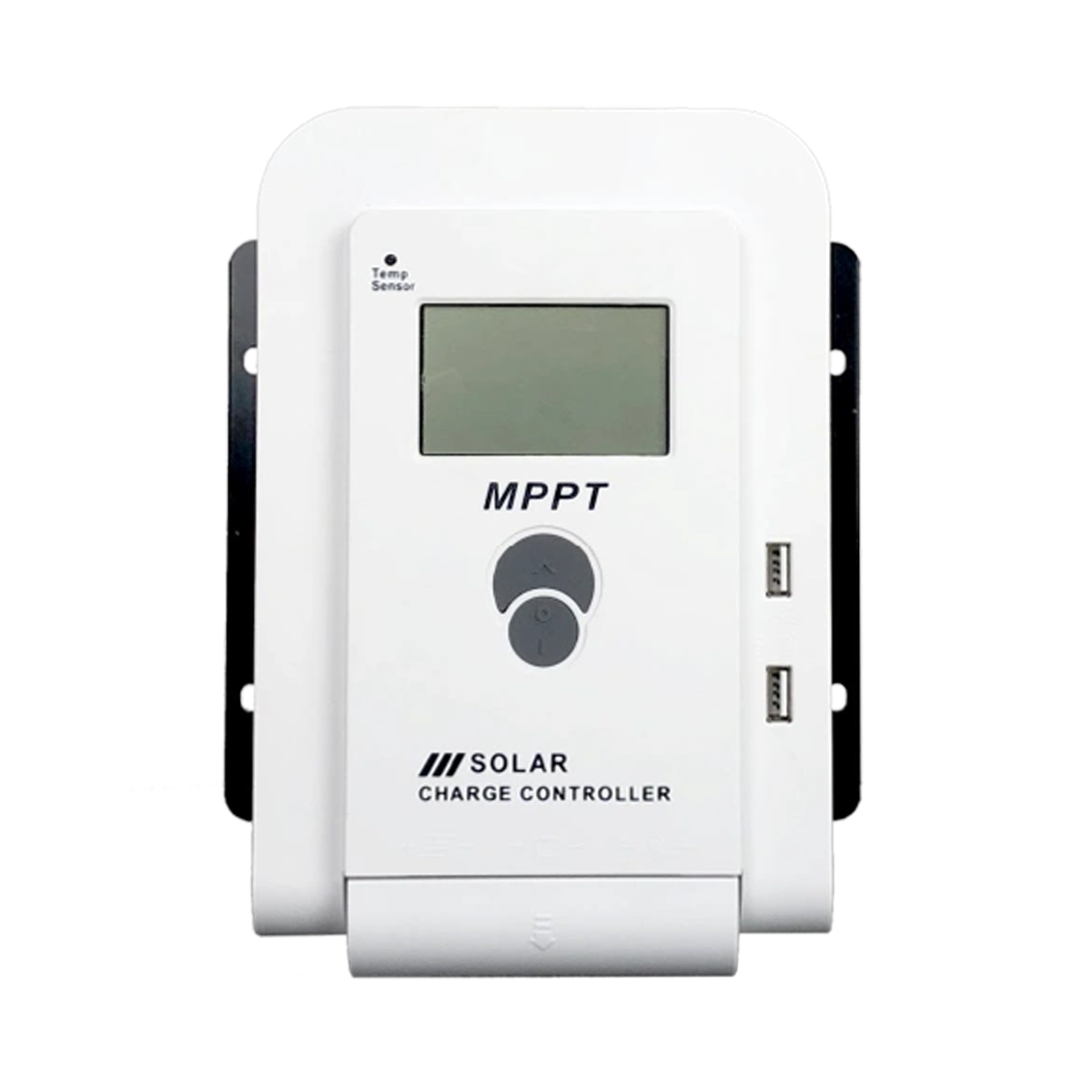
Hardware commissioning and scheme design should enforce code obfuscation and secure programming routines. During software development, application code is compiled into encrypted binary files before deployment onto microcontrollers. Comprehensive quality-inspection procedures—including appearance checks, voltage-internal resistance detection, charge-discharge capacity testing, BMS-protection verification, hi-pot insulation tests, high-low-temperature experiments, vibration and drop tests, and ageing-burn-in screening—allow validation of customized hardware while keeping master encryption keys restricted to authorized hardware engineers.
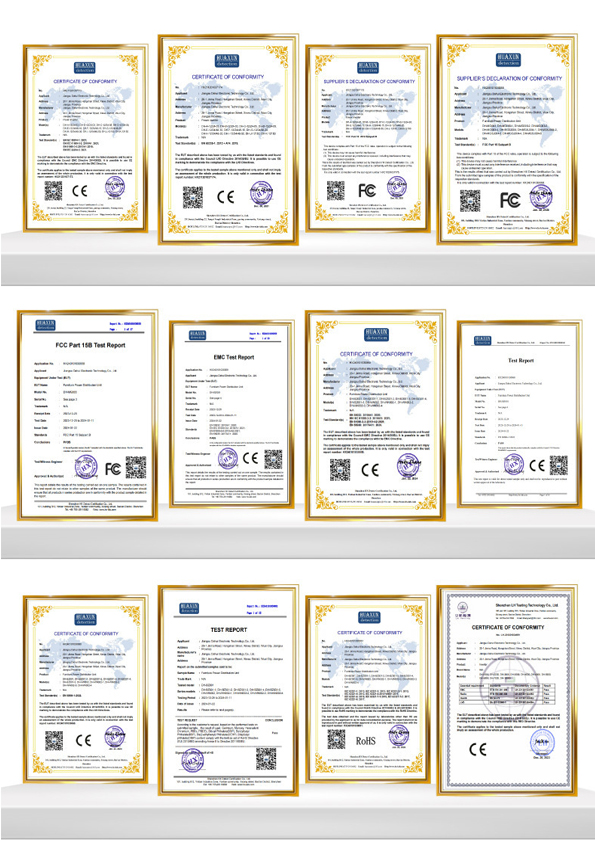
Regulatory compliance verified by international safety standards, such as CE certification (including certificate reference CE-INV-260618-0001), confirms system hardware meets global safety specifications without requiring exposure of custom source code. This technical isolation strategy has been proven in large-scale deployments, such as a 1GWh Energy Storage Project Cooperation in Southeast Asia, where residential and commercial energy storage units were localized for high-temperature operating environments while preserving core system design ownership.
Data/Solution Comparison
| Customization Model | IP Protection Level | Software Control Scope | Typical Delivery Time | Inspection & Testing Protocol |
|---|---|---|---|---|
| Standard OEM Integration | Basic (NDA Standard) | Standard factory firmware; default MPPT charge parameters | 15 days | Appearance, capacity testing, basic BMS verification |
| Custom ODM Hardware & Firmware | High (Encrypted binaries, custom PCB ownership) | Proprietary EMS algorithms, locked microcontrollers | Subject to specification sheet | Hi-pot test, high-low temp screening, burn-in aging |
| Co-Developed Energy Storage Systems | Maximum (Joint IP contracts, source code partitioning) | Custom communication protocols and app integration | Project-based schedule | Full screening including vibration, drop, and safety audits |
Frequently Asked Questions (FAQ)
Q: How do I protect source code when working with an offshore energy storage manufacturer?
A: Compile all proprietary algorithms into encrypted binary files prior to flashing microcontrollers. Provide manufacturing facilities with pre-programmed chips or encrypted flashing tools to prevent factory personnel from viewing or copying uncompiled source code.
Q: What contractual mechanisms protect customized industrial design for energy storage units?
A: Sign a binding OEM/ODM agreement specifying that all CAD drawings, tooling molds, industrial design files, and PCB layouts remain the exclusive property of the client, backed by defined financial liquidations for breach of confidentiality.
Q: Can third-party testing for safety certifications compromise software IP?
A: Regulatory certification bodies (such as CE marking evaluators) require verification of operational safety and electromagnetic compatibility. Certification testing evaluates hardware performance, electrical insulation, and protective functions without requiring public disclosure of proprietary software code.
Final Conclusion & Recommendations
Securing intellectual property during home energy storage system customization relies on combining explicit legal contracts with technical safeguards, including binary encryption, firmware partitioning, and secure manufacturing workflows. Partnering with an integrated industrial and trading enterprise operating standardized production lines ensures smooth execution from scheme design to final delivery. Standard minimum order quantities (MOQ) start at 100pcs with typical production delivery times of 15 days. International corporate wire-transfers support official custom financial bookkeeping, while flexible shipping solutions include CIF, CNF, FOB, EXW, DDU, and DDP terms. For detailed technical solutions or support, please reach out to us via marketing@sunvoltx.com.
About Us
shenzhen sunvoltx intelligent technology Co., Ltd. is a high-tech enterprise specializing in the R&D, production, customization, and wholesale of energy storage power supplies, inverters, and chargers. Established in 2026 with a team of 20-50 employees and a factory area of 1000 square meters, the company achieves a monthly production capacity exceeding 5,000 units. Supported by certified quality management systems including CE certifications (CE-INV-260618-0001, CE-INV-260618-0002, CE-INV-260618-0003), the enterprise delivers custom hardware commissioning and power solutions for global clients across multiple industries.
Give Us What You Need
SUBSCRIBE
INQUIRY