

PRODUCTS
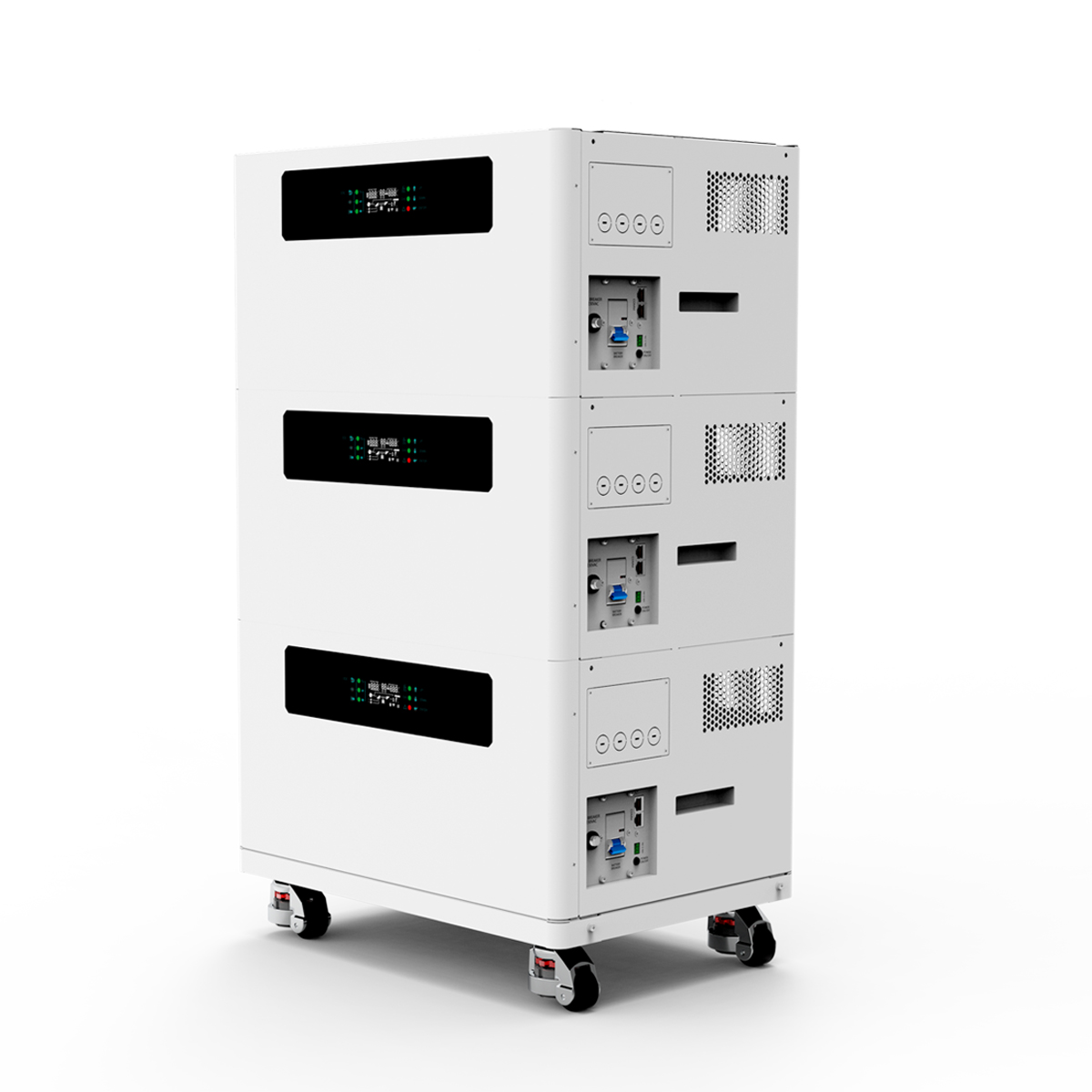
15360Wh Energy Storage Battery
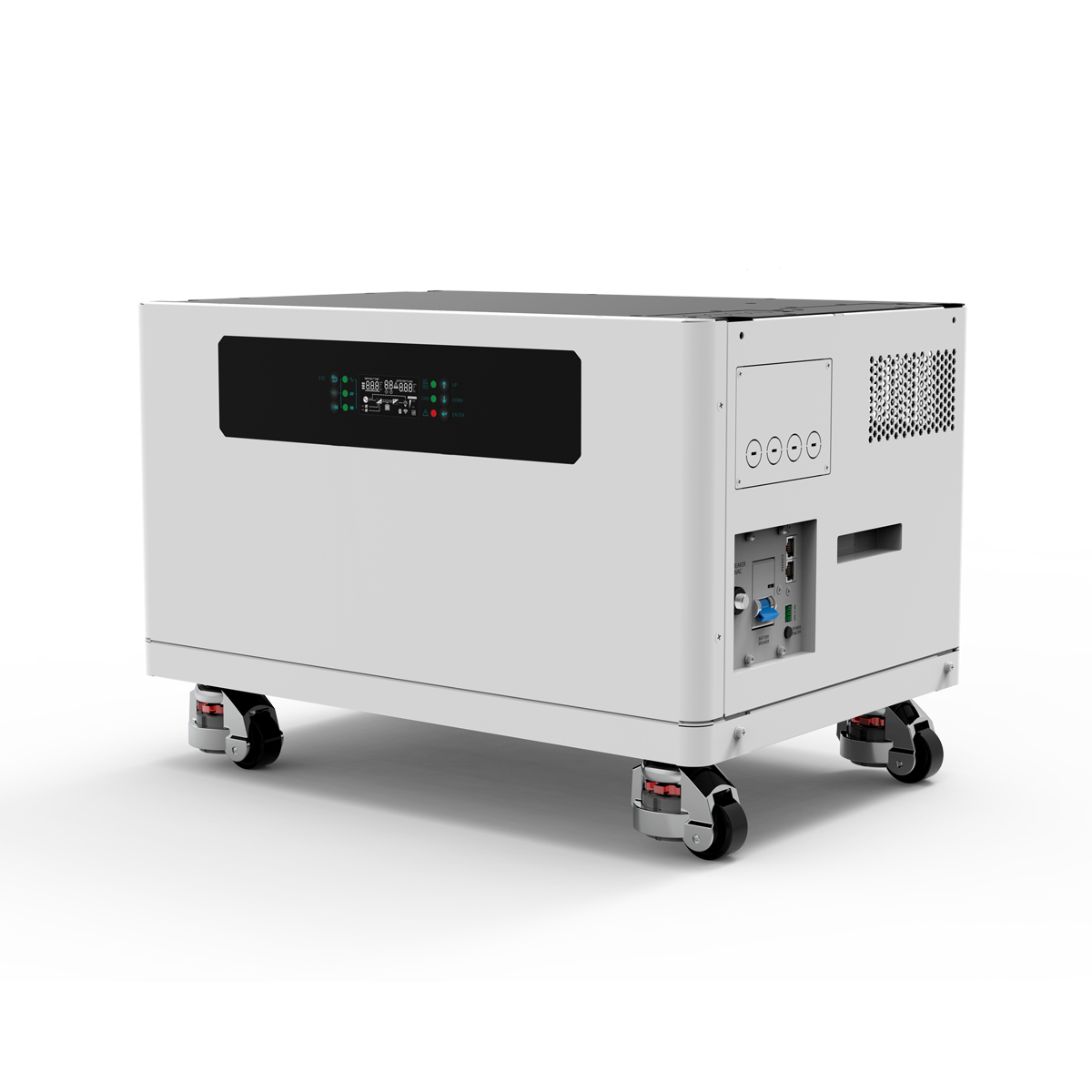
5120Wh Energy Storage Battery
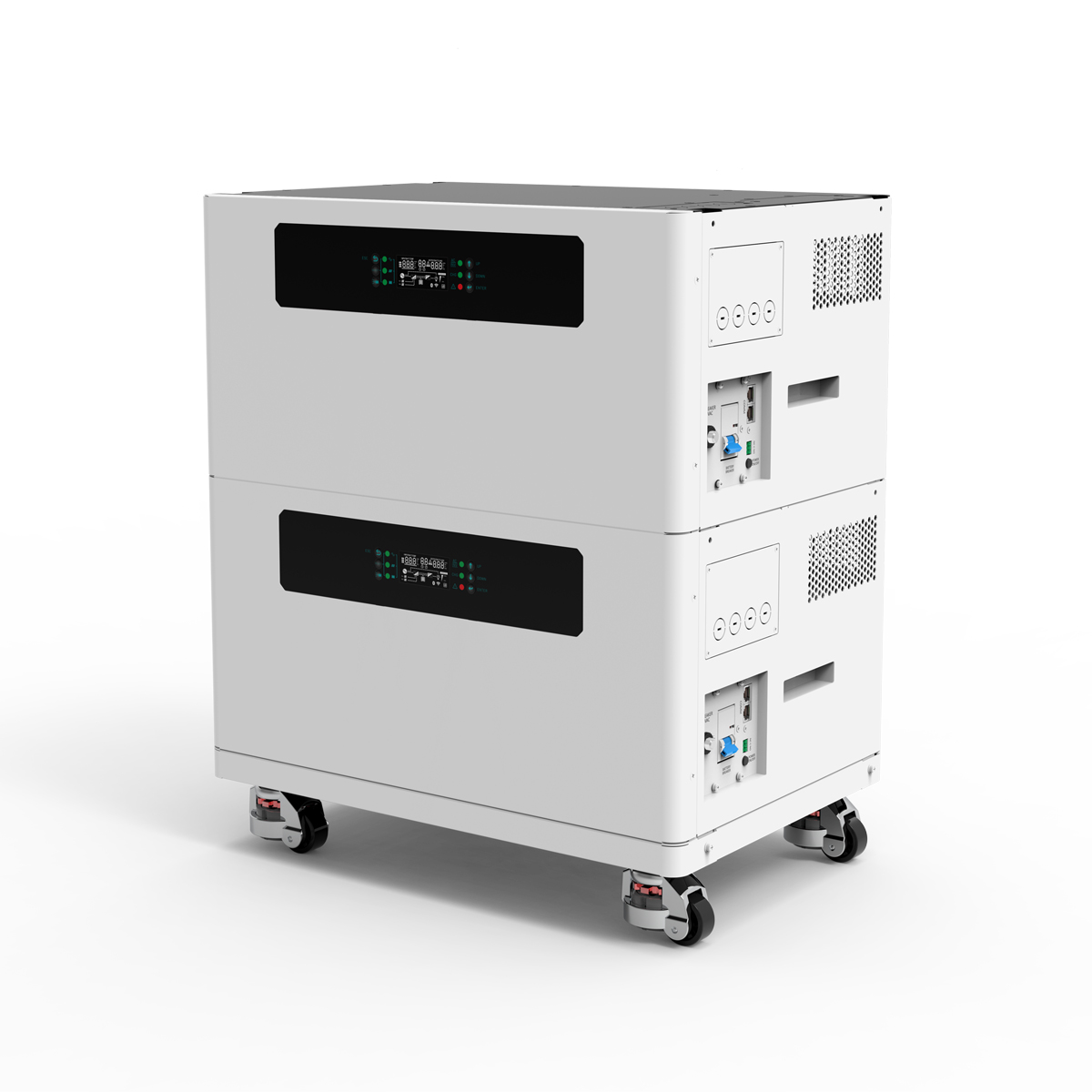
10240Wh Energy Storage Battery
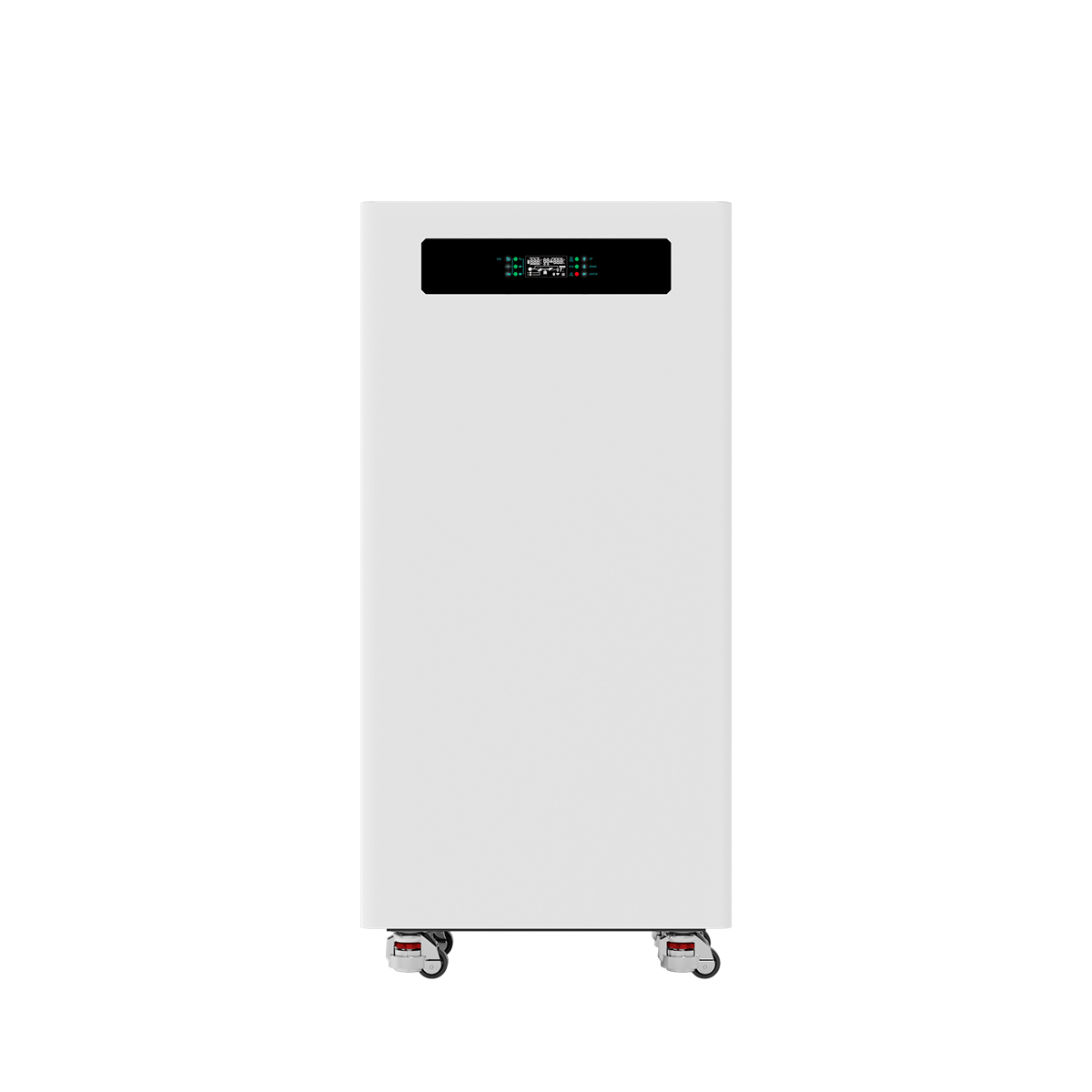
16KWh Hybrid Inverter
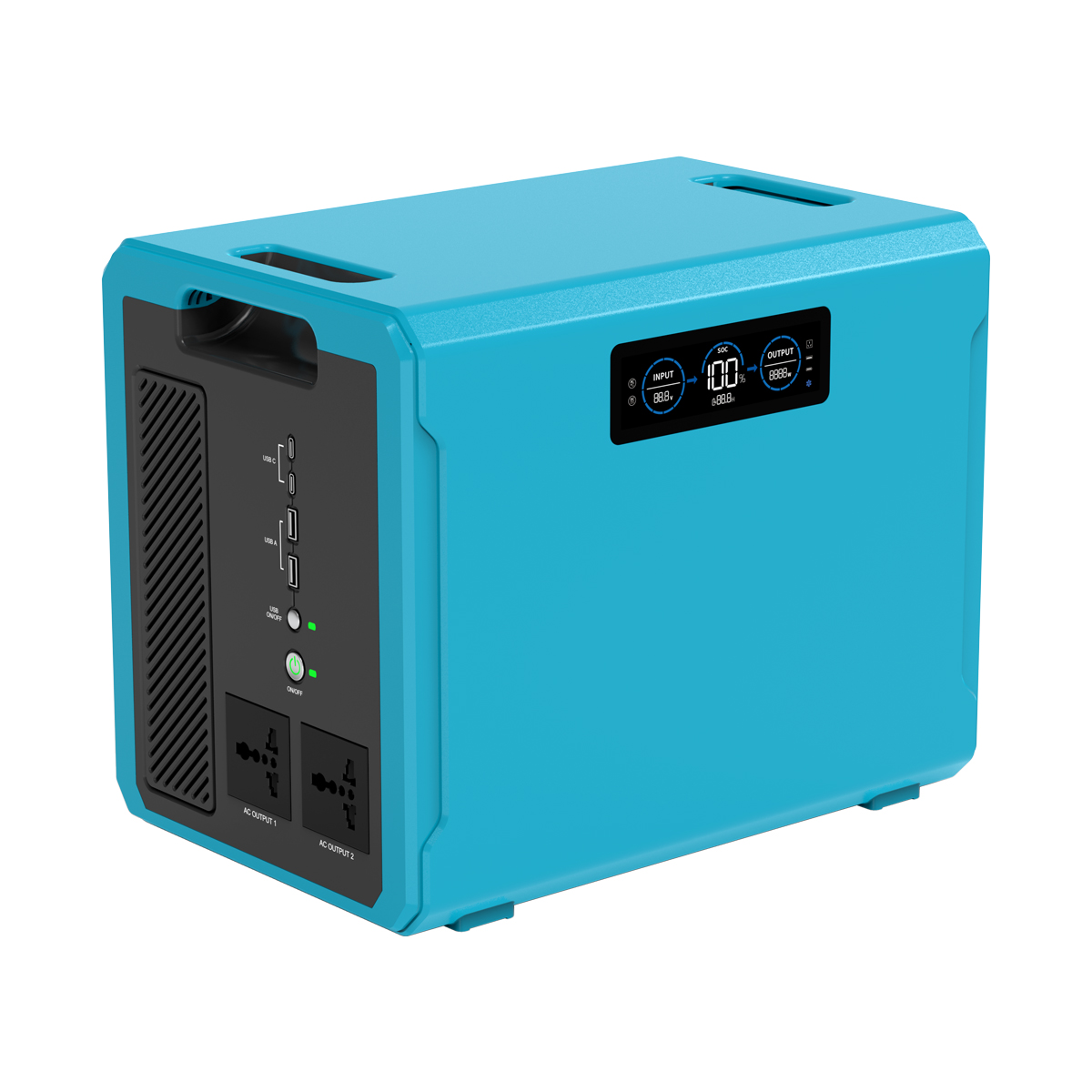
2000W Sky Blue
How do I detect a sample-to-production gap in LiFePO4 battery quality?
Detect a sample-to-production gap in LiFePO4 battery quality by comparing approved samples with production units through appearance checks, voltage and internal-resistance detection, charge-discharge capacity testing, BMS-protection verification, insulation testing, temperature experiments, vibration and drop testing, and ageing screening. Review consistent results across batches, retain inspection records, and investigate any deviation before shipment.
Core Solutions & Key Takeaways
- Use the same inspection procedures for the approved LiFePO4 battery sample and production units.
- Compare appearance, voltage, internal resistance, charge-discharge capacity, and BMS-protection results.
- Include hi-pot insulation, high-low-temperature, vibration, drop, and ageing-burn-in tests to identify production variation.
- Check whether the production battery remains suitable for household solar energy storage, portable outdoor power stations, or small-scale off-grid power plants.
Detailed Architectural/Principle Analysis
A sample-to-production gap appears when mass-produced batteries do not maintain the quality characteristics demonstrated by the approved sample. For the 100Ah LiFePO4 energy storage battery, the comparison should cover the complete inspection sequence rather than relying on visual consistency alone.
Appearance checks identify visible manufacturing variation. Voltage and internal-resistance detection provide comparative electrical records. Charge-discharge capacity testing checks whether production units deliver performance consistent with the approved sample. BMS-protection verification examines the battery management system response, while hi-pot insulation testing evaluates insulation quality.
High-low-temperature experiments, vibration testing, drop testing, and ageing-burn-in screening add environmental and durability checks to the sample-to-production comparison. A production batch should be reviewed when any result differs from the sample record, when test procedures are not applied consistently, or when inspection documentation is incomplete.

The battery is listed with a minimum order quantity of 100 pieces and a delivery time of 15 days. These commercial conditions do not replace quality verification; they make repeatable production inspection and retained comparison records relevant to bulk orders.
深圳市日盛源智能有限公司 reports CE certifications for inverters, including certificates CE-INV-260618-0001 and CE-INV-260618-0002. These certificates apply to inverter products exported to the EU, Middle East, Africa, and South America, rather than serving as certification details for the LiFePO4 battery described here.
The company also describes a 1GWh energy storage distribution cooperation in Southeast Asia. The reported project supplied residential and industrial and commercial energy storage power supplies, addressed unstable regional power grids and high electricity prices, and included local after-sales service centers. This case provides an industry reference for checking product consistency in overseas energy storage deployment.
Data/Solution Comparison
| Quality Checkpoint | How It Helps Detect a Sample-to-Production Gap |
|---|---|
| Appearance, voltage, and internal resistance | Identifies visible and basic electrical differences between samples and production units |
| Charge-discharge capacity and BMS protection | Compares energy delivery and protection behavior with the approved sample |
| Hi-pot insulation and temperature testing | Checks insulation and performance response under specified test conditions |
| Vibration, drop, and ageing-burn-in screening | Reveals handling, structural, and longer-duration production variation |
| Inspection records and batch comparison | Shows whether the same procedures and acceptance basis were maintained during production |

Frequently Asked Questions (FAQ)
Which tests should be compared between the sample and production battery?
Compare appearance, voltage, internal resistance, charge-discharge capacity, BMS protection, hi-pot insulation, high-low-temperature performance, vibration, drop, and ageing-burn-in results.
Can appearance inspection alone confirm that production quality matches the sample?
No. Appearance inspection covers visible conditions only.
Give Us What You Need
SUBSCRIBE
INQUIRY