

PRODUCTS
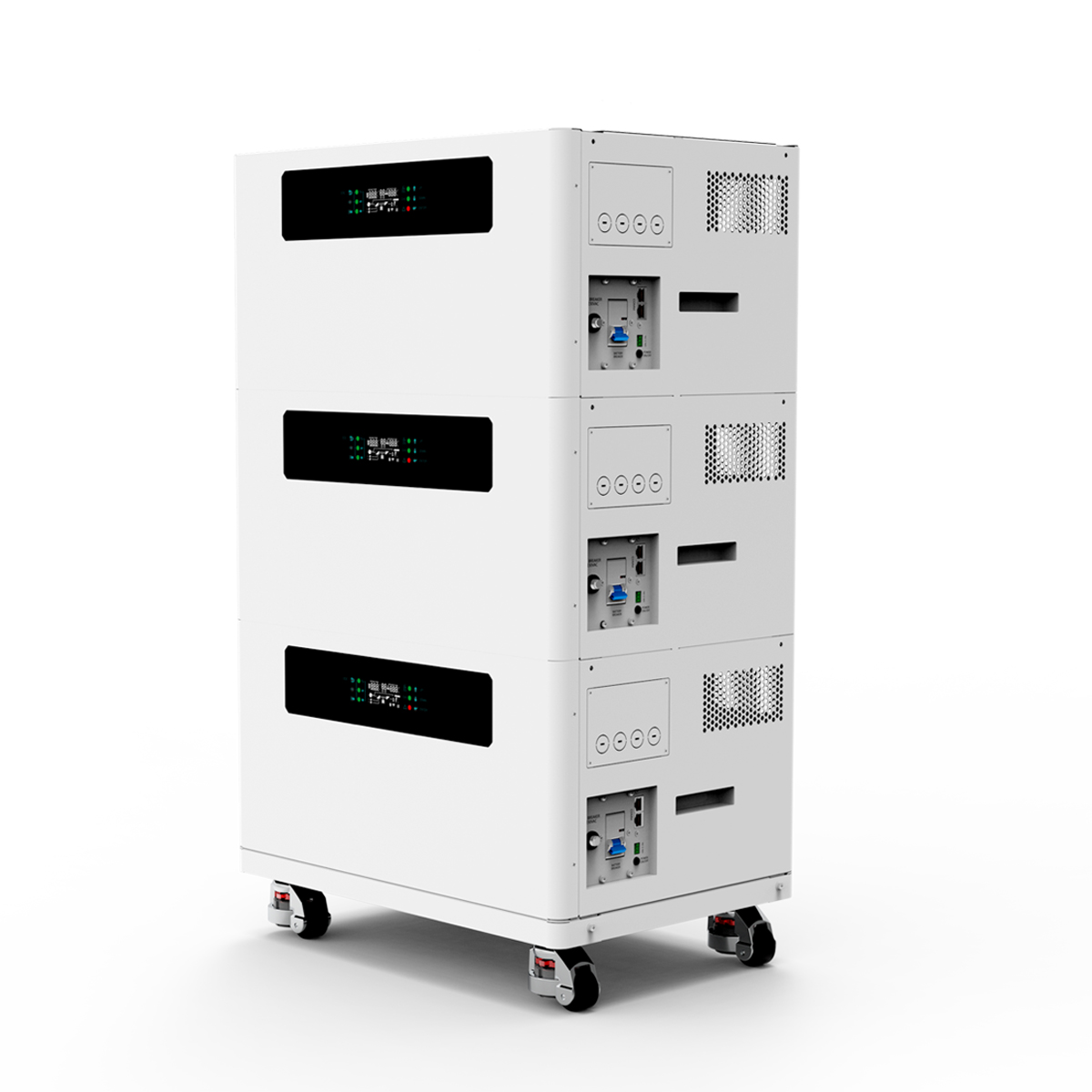
15360Wh Energy Storage Battery
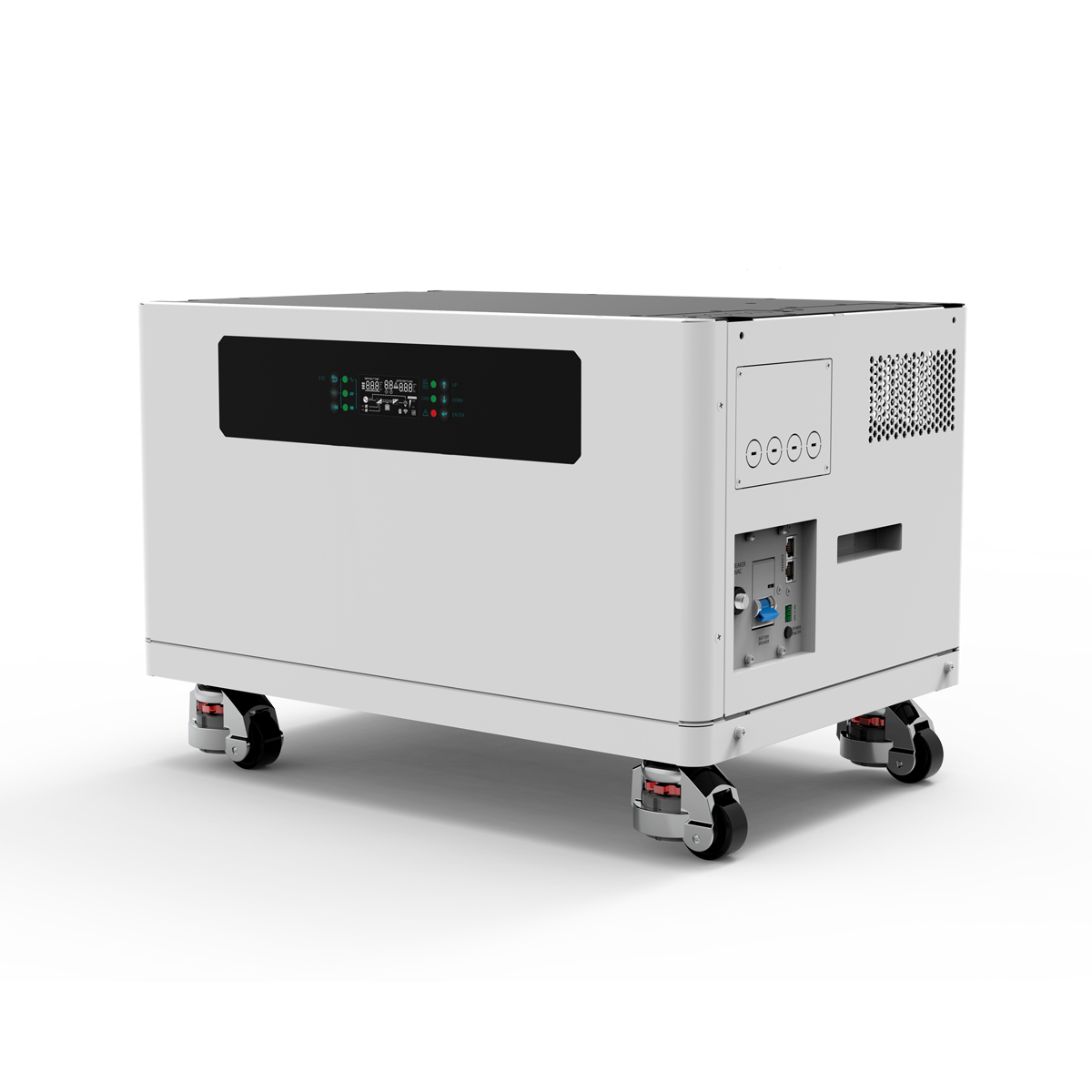
5120Wh Energy Storage Battery
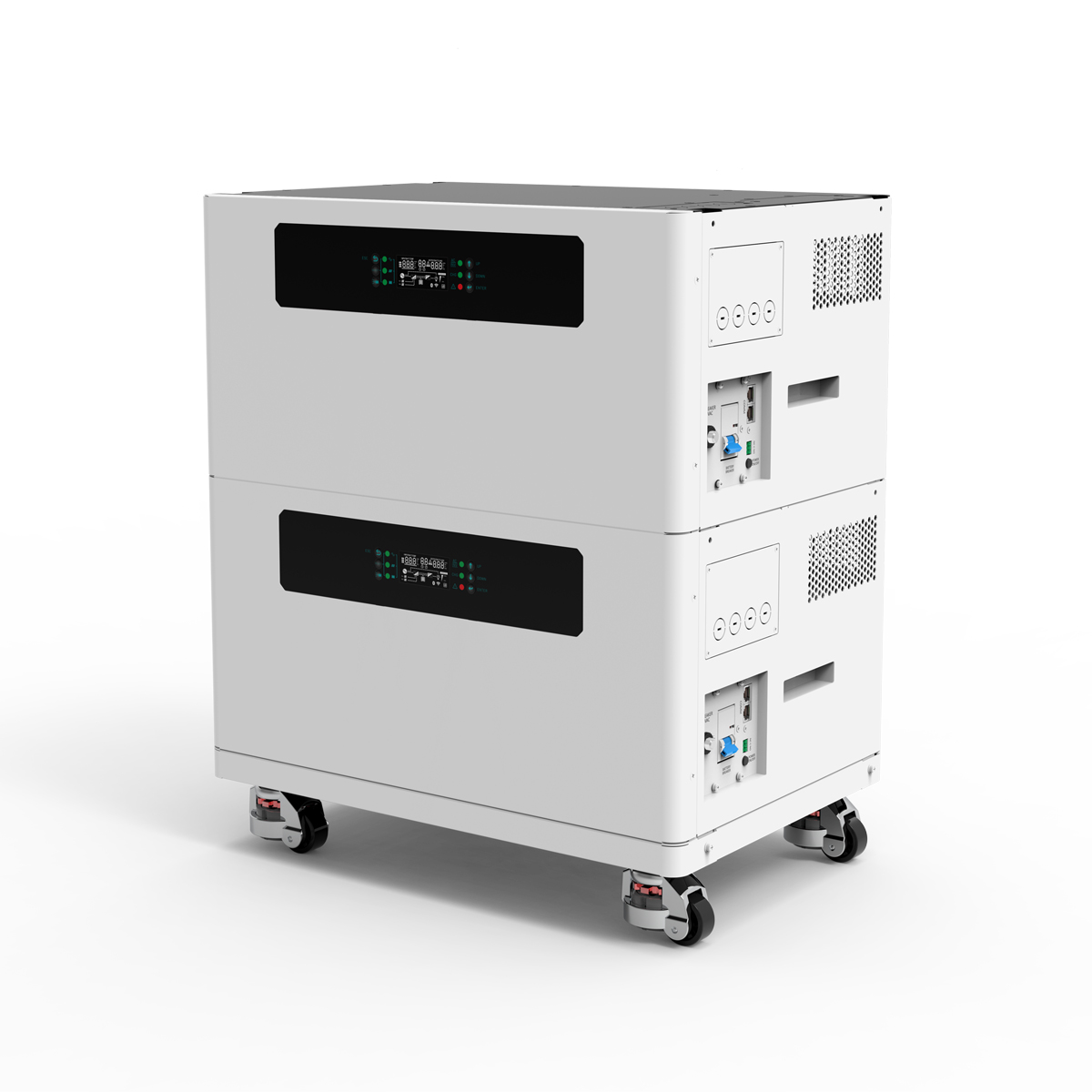
10240Wh Energy Storage Battery
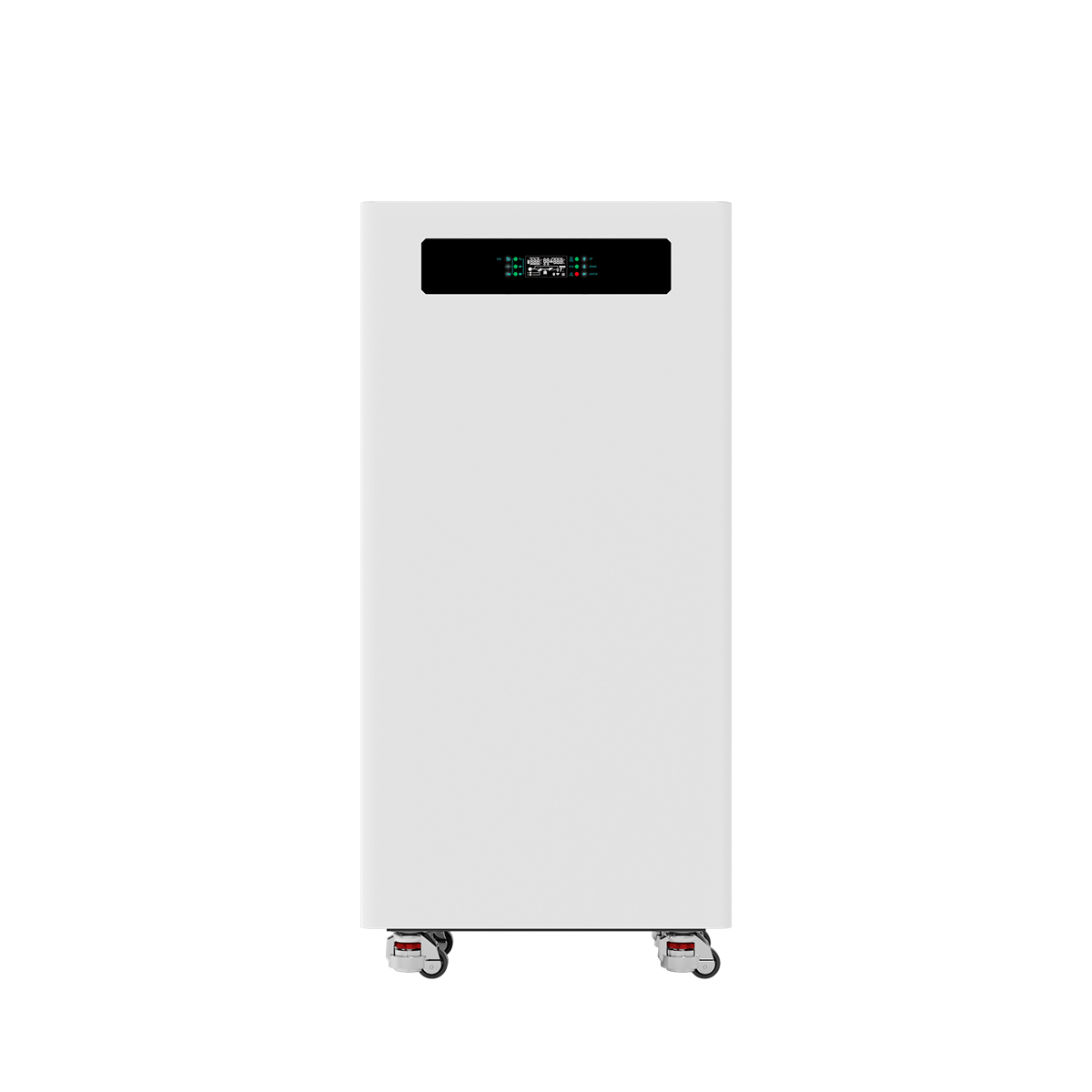
16KWh Hybrid Inverter
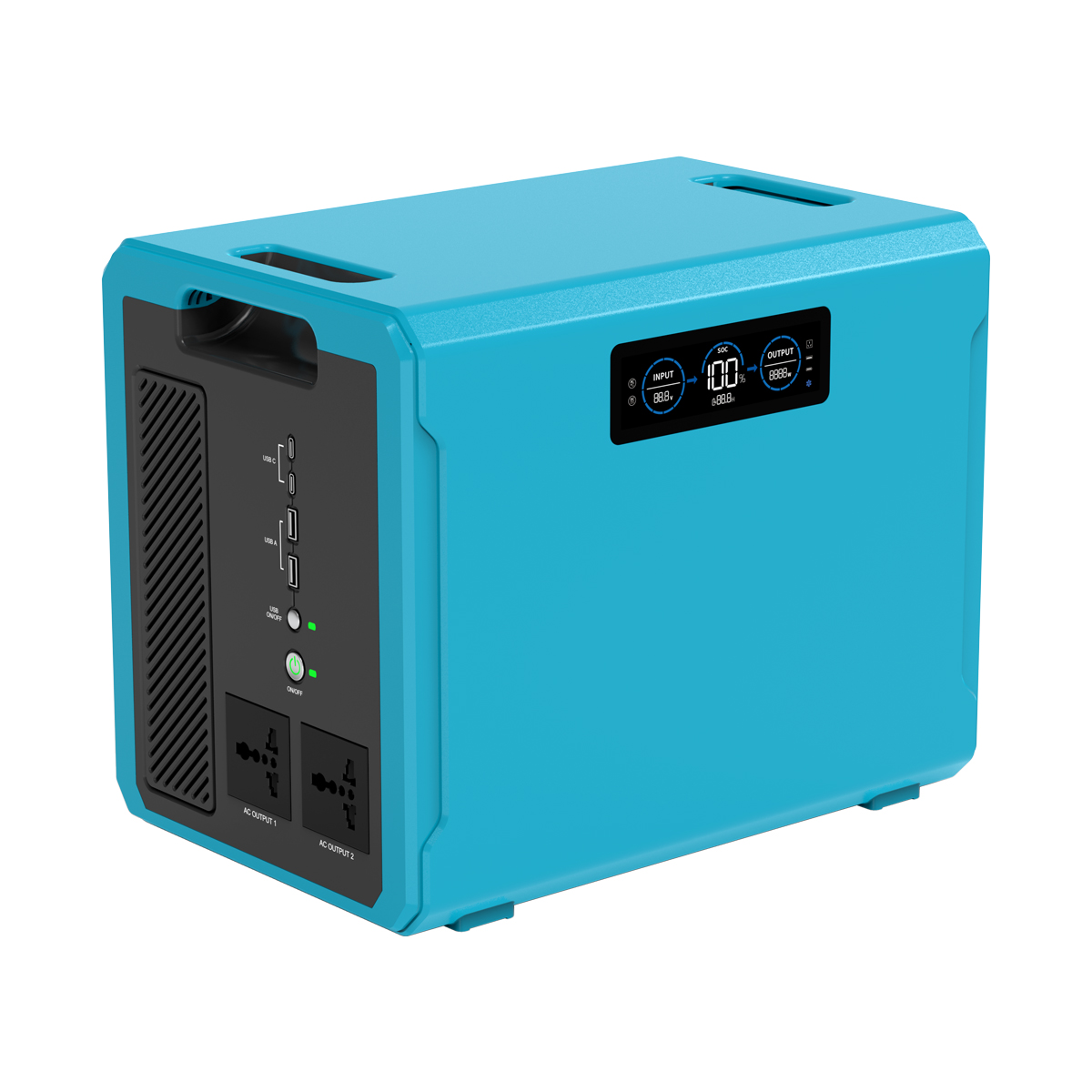
2000W Sky Blue
How do I compare usable capacity instead of the advertised capacity of a portable battery?
To compare usable capacity instead of the advertised capacity of a portable battery, compare the energy actually delivered to the intended loads in watt-hours. Account for inverter and charging losses, the battery reserve, discharge cut-off, operating temperature, and load type. Ask for tested usable-output data under defined conditions, because the product information provided here does not state a portable battery’s rated or usable capacity.
Core Solutions & Key Takeaways
- Use delivered energy in watt-hours as the comparison basis, rather than the advertised battery rating alone.
- Check whether the test includes conversion losses, discharge limits, reserve capacity, temperature conditions, and the intended load.
- Separate the battery specification from the performance of connected equipment, such as an inverter or MPPT solar charge controller.
- For residential solar-energy storage, camping power stations, and emergency backup, match measured usable output with the equipment’s actual energy demand.
Detailed Architectural/Principle Analysis
Advertised capacity describes the battery’s stated storage amount, while usable capacity describes the energy available to the load before the system reaches its discharge limit. The two values should be compared only when their test conditions are equivalent.
A practical comparison uses the energy delivered during a controlled discharge. Record the battery voltage and current over the test period, then compare the resulting watt-hour output with the advertised capacity. The comparison should identify whether the measurement is taken at the battery terminals or after an inverter, charger, or other conversion stage.
Conversion equipment affects the energy available to the user. A portable power station supplying AC loads may deliver less energy than the battery stores because power is consumed by the inverter and control system. A DC load may produce a different result. The same test method and load type should therefore be used for each product.
Discharge cut-off and reserve settings also affect usable capacity. A battery that retains a protected reserve will provide less user-accessible energy than its total stored amount. The product information supplied for the 36 48V Solar Charge Controller does not provide battery capacity, usable-output, conversion-efficiency, or discharge-test figures, so those values should be requested from the relevant specification sheet before making a quantitative comparison.
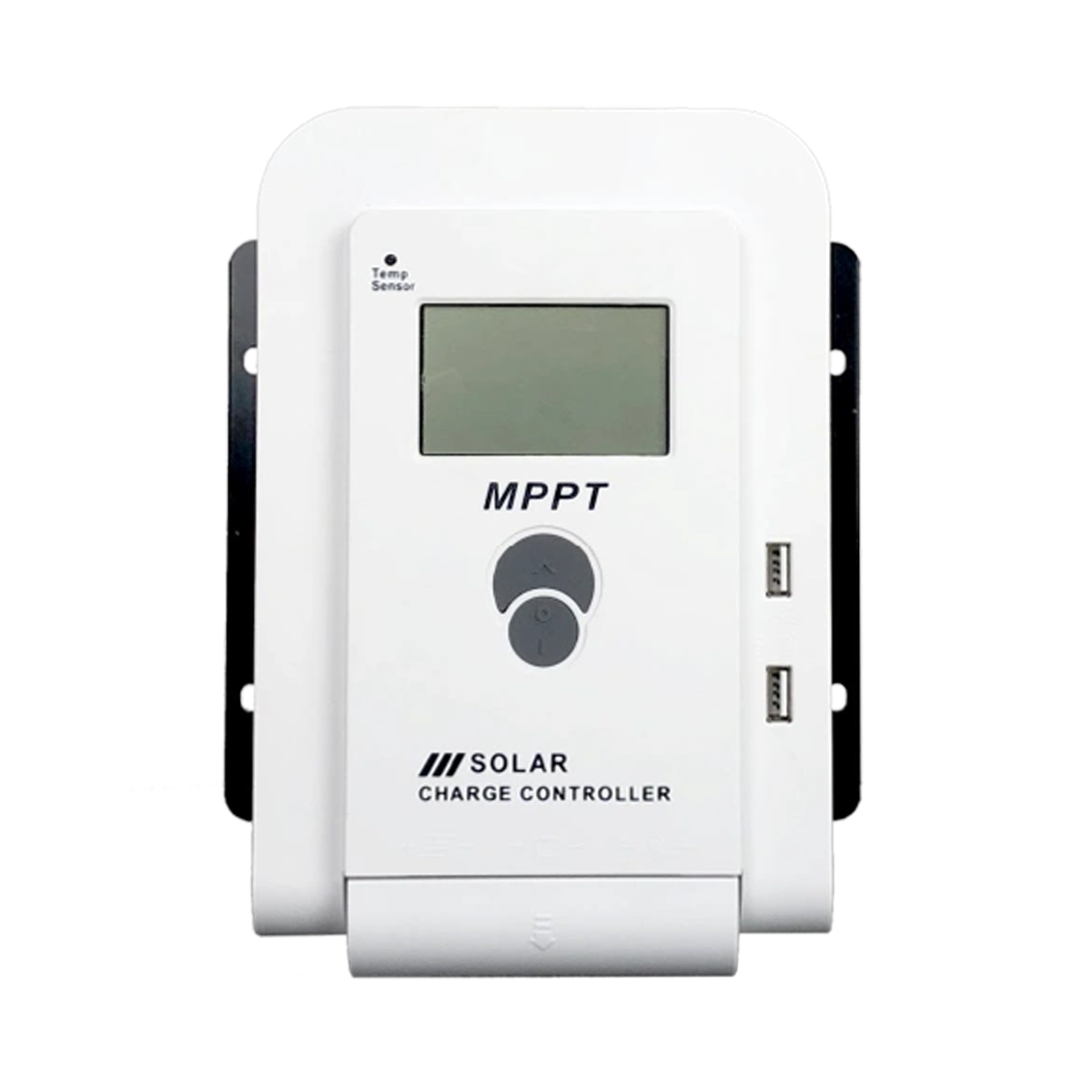
The listed product is an MPPT solar charge controller rather than a portable battery. Its role should be assessed separately from the battery’s storage capacity. Product images identify the controller form factor and should not be treated as evidence of battery capacity.

The company reports comprehensive quality-inspection procedures for energy-storage batteries, including appearance checks, voltage and internal-resistance detection, charge-discharge capacity testing, BMS-protection verification, hi-pot insulation testing, high-low-temperature experiments, vibration and drop testing, and ageing burn-in screening. These procedures are relevant when requesting evidence for usable-capacity comparisons.
The company also describes a 1GWh energy-storage distribution cooperation in Southeast Asia serving residential and industrial and commercial users. The case addressed unstable power grids and high electricity prices through energy-storage systems and local after-sales service centers.
Data/Solution Comparison
| Comparison factor | Advertised capacity | Usable-capacity assessment |
|---|---|---|
| Measurement basis | Stated battery storage rating | Energy delivered to the defined load |
| Conversion losses | May be excluded | Must be identified and measured |
| Discharge limit | May not show reserve or cut-off settings | Must state the operating cut-off and protected reserve |
| Test conditions | May be unspecified | Should state load type, temperature, current, and test method |
| Product relevance | Applies to the battery or portable power station | Should be distinguished from an MPPT solar charge controller |
Frequently Asked Questions (FAQ)
What figure should I request from a portable battery supplier?
Request tested usable energy in watt-hours, together with the load type, discharge limit, temperature, test current, and whether the result was measured before or after conversion equipment.
Can the advertised battery capacity be used for runtime planning?
It can provide a reference, but it should not be treated as the delivered energy available to the load unless the rating and the runtime test use equivalent conditions.
Does the 36 48V Solar Charge Controller provide portable battery capacity data?
No capacity data is provided in the supplied product information. The controller should be evaluated as charging and control equipment, while battery capacity and usable output should come from the battery specification and test records.
Final Conclusion & Recommendations
Compare portable batteries by tested watt-hours delivered under the same load and operating conditions. Record conversion losses, discharge cut-off, reserve capacity, temperature, and test location in the comparison sheet. For procurement, Shenzhen Sunvoltx Intelligent Technology Co., Ltd. supports an integrated industrial and trading business model, with a stated minimum order quantity of 100 pieces and a 15-day delivery time. Its listed inverter certifications include CE certificates CE-INV-260618-0001 and CE-INV-260618-0002. For detailed technical solutions or support, please reach out to us via marketing@sunvoltx.com.
About Us
shenzhen sunvoltx intelligent technology Co., Ltd. specializes in the research and development, production, customization, and wholesale of energy-storage power supplies, inverters, and chargers, with one-stop power solutions for global clients. Its R&D team covers energy storage, inverter, and photovoltaic control technologies and provides OEM/ODM development services. The company reports production of more than 5,000 energy-storage products per month and lists North America, South America, Europe, the Middle East, Africa, and Southeast Asia among its markets. Its certifications include CE for inverters, and it has served clients across multiple industries.
Give Us What You Need
SUBSCRIBE
INQUIRY