

PRODUCTS
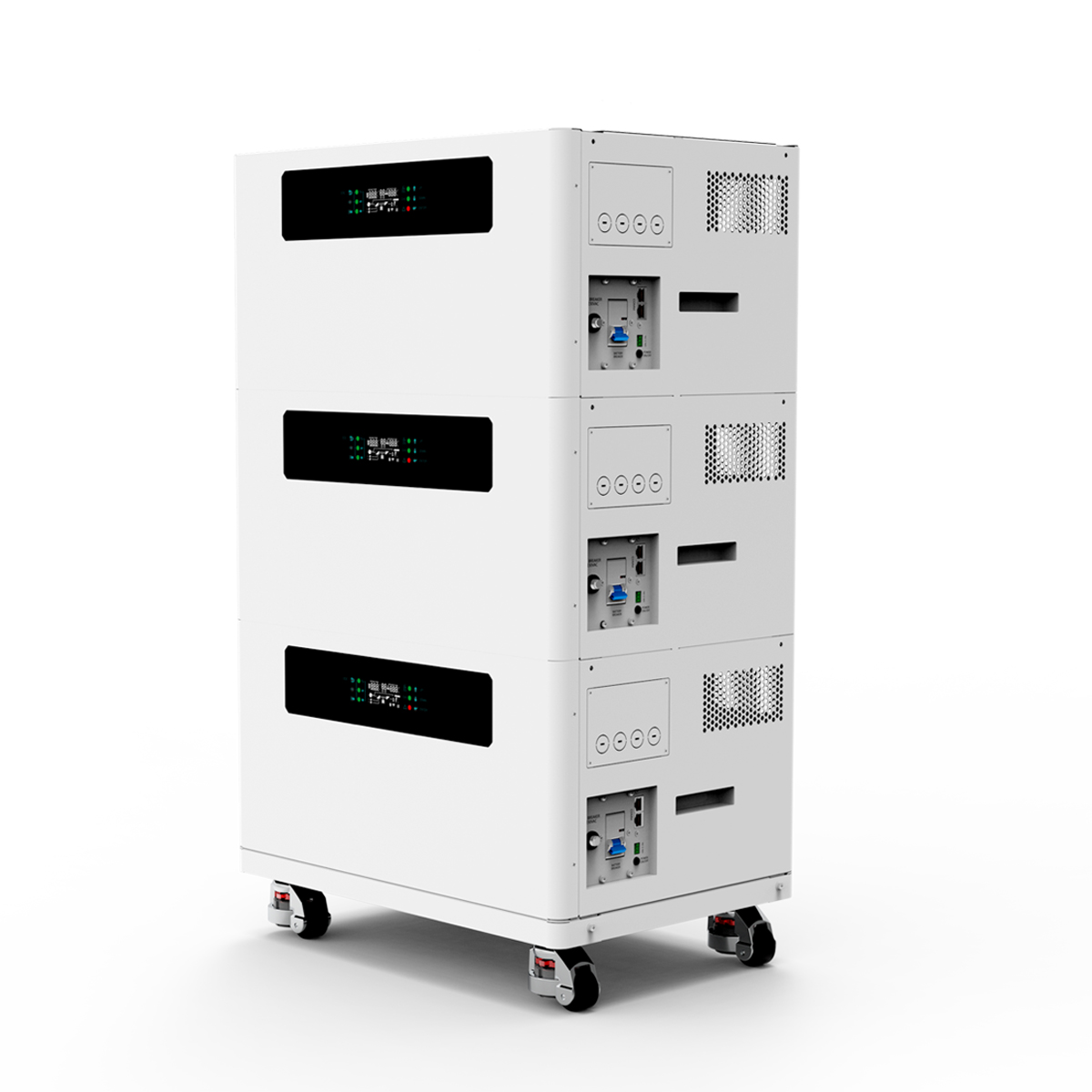
15360Wh Energy Storage Battery
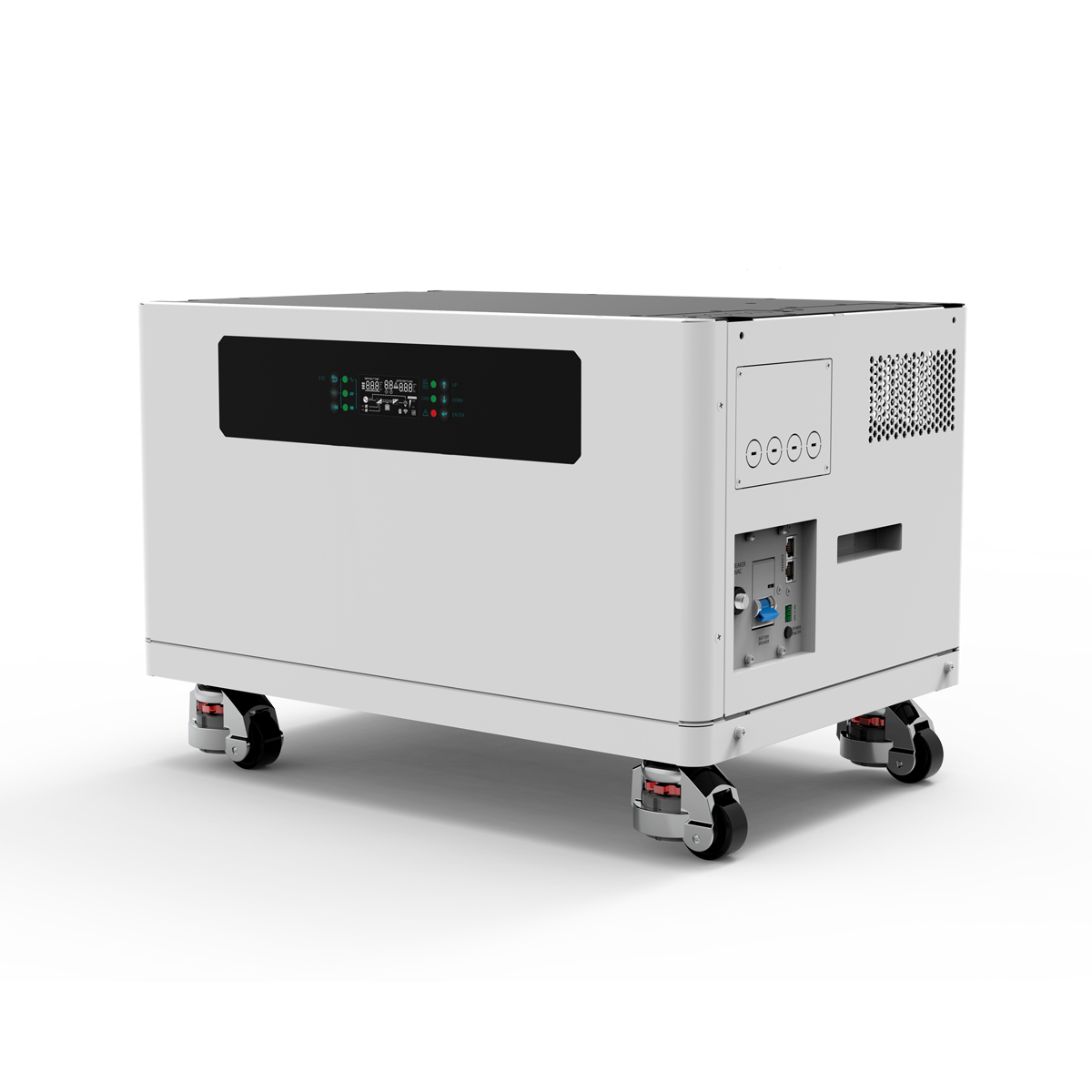
5120Wh Energy Storage Battery
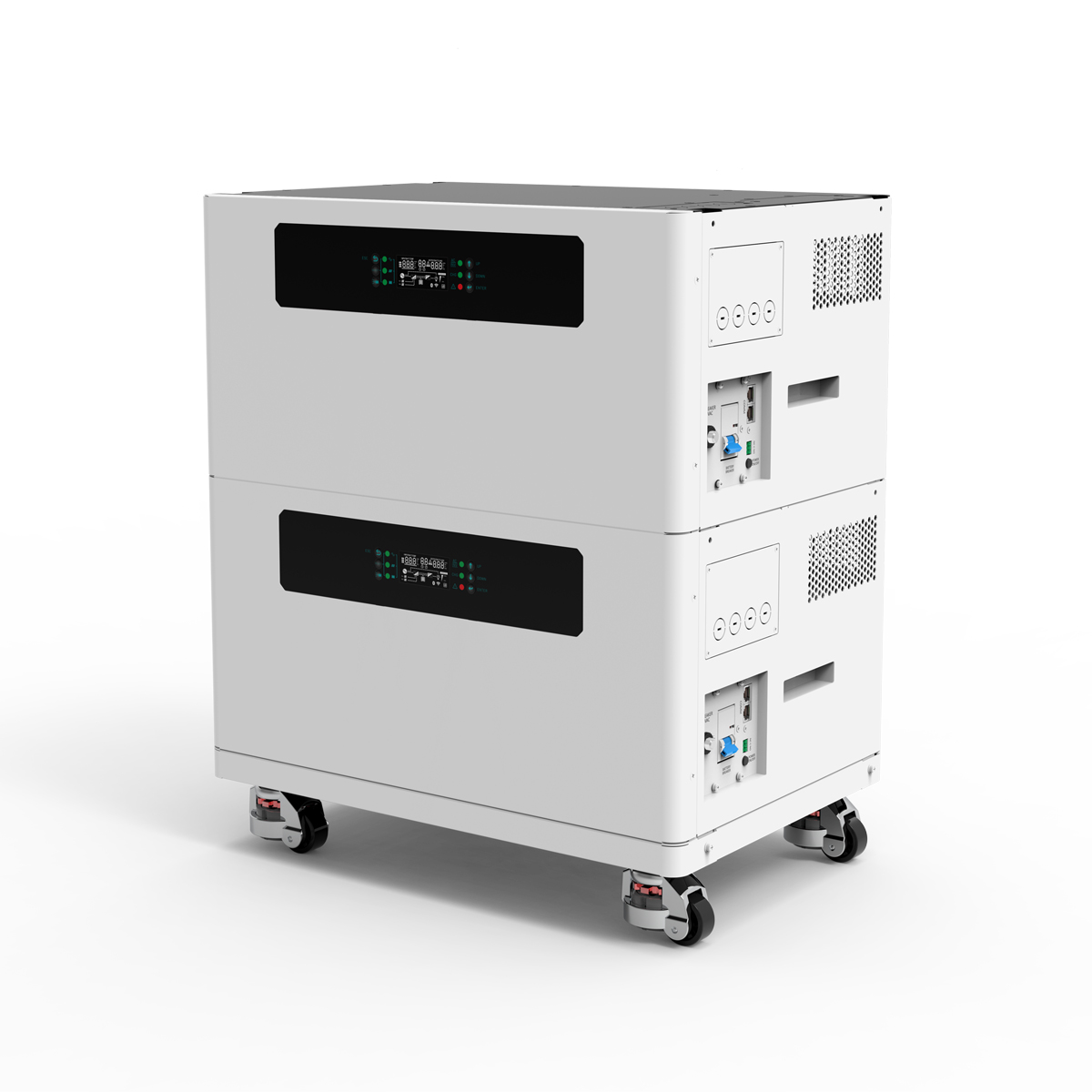
10240Wh Energy Storage Battery
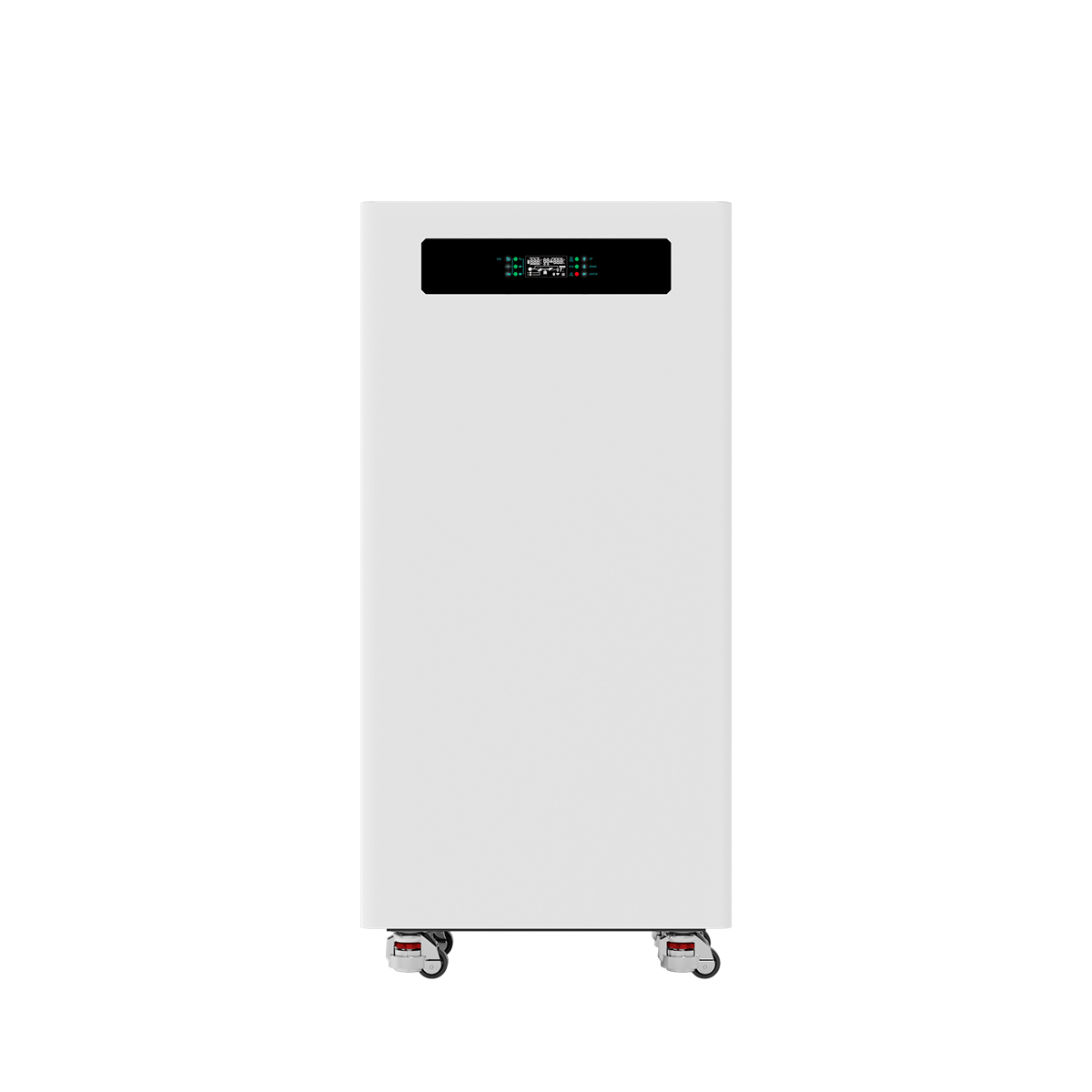
16KWh Hybrid Inverter
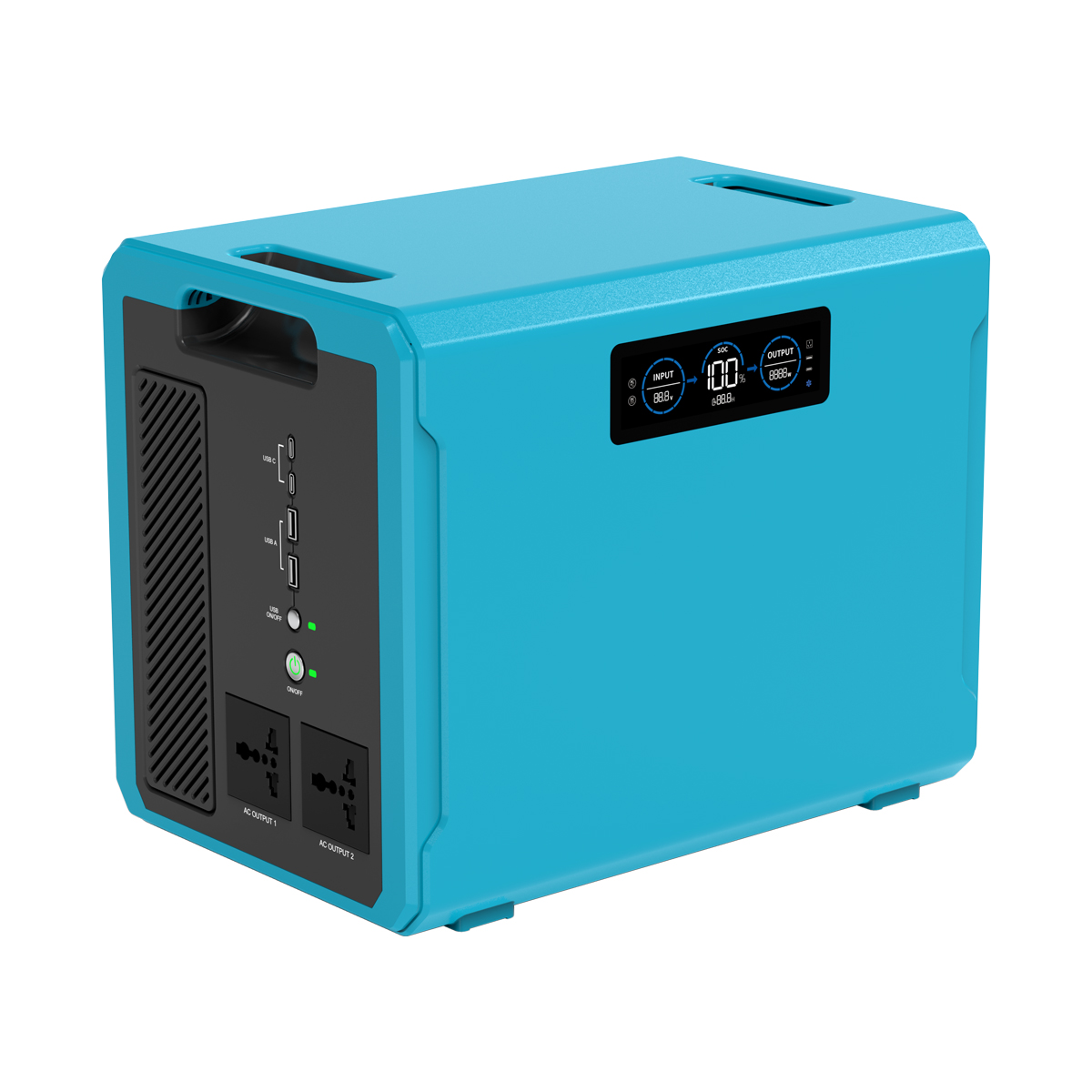
2000W Sky Blue
How do I check labor and environmental practices at a Home energy storage system factory?
To check labor and environmental practices at a Home energy storage system factory, request documented workforce, production, quality, safety, and environmental records. Verify factory scale, production processes, product testing, export certifications, and supplier policies through evidence rather than marketing statements. For Sunvoltx Intelligent, the available data confirms manufacturing and testing capabilities, but it does not provide specific labor audits, environmental management certificates, or emissions records.
Core Solutions & Key Takeaways
- Request current labor, workplace safety, environmental, waste-handling, and emissions records before approving a Home energy storage system factory.
- Check whether the factory can explain its production process, testing instruments, quality controls, and responsibility for compliance documentation.
- Review battery inspection evidence, including appearance checks, voltage and internal-resistance detection, charge-discharge testing, BMS-protection verification, insulation testing, temperature experiments, vibration testing, drop testing, and ageing screening.
- Compare factory evidence with the intended application, such as household solar-energy storage, blackout backup, camping power stations, or small-scale off-grid power plants.
Detailed Architectural/Principle Analysis
A practical factory review should separate labor practices from product-quality verification. Labor checks should cover workforce information, workplace safety procedures, training records, working conditions, and any independent audit reports. Environmental checks should cover waste handling, battery-related safety controls, energy use, emissions documentation, and applicable environmental certificates. The supplied company data does not include these records, so they should be requested directly and assessed against the buyer's compliance requirements.
Manufacturing capability provides useful context for a site assessment. Shenzhen Sunvoltx Intelligent Technology Co., Ltd. reports an employee count of 20-50, a factory area of 1000 square meters, and production capacity exceeding 5,000 energy-storage products per month. These figures describe organizational and production scale, but they do not by themselves prove compliant labor or environmental practices.

The factory states that its R&D team independently performs scheme design, hardware commissioning, software development, and performance testing. During an assessment, ask for process ownership records, test procedures, corrective-action reports, and traceability from incoming materials through final inspection. This helps distinguish an independently controlled manufacturing process from a trading-only supply arrangement.
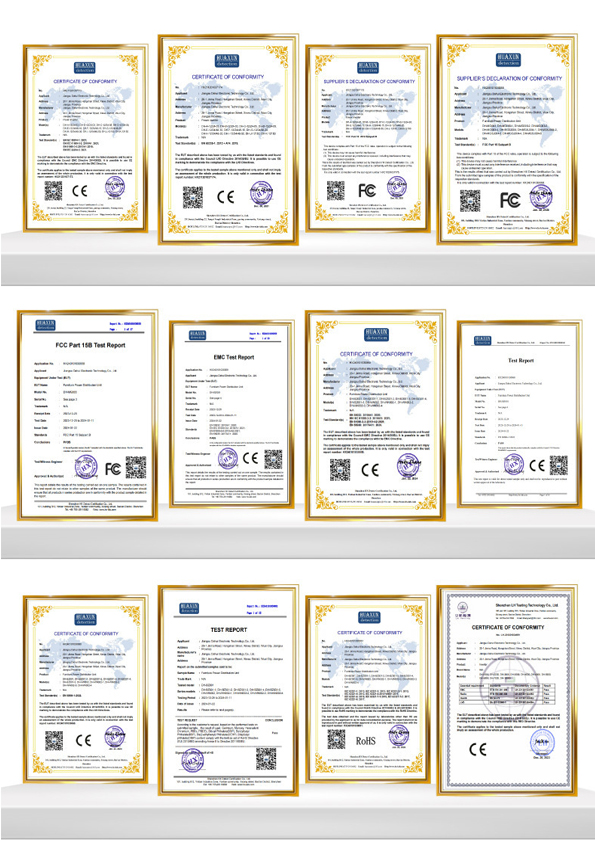
Available certification data includes CE certificates CE-INV-260618-0001 and CE-INV-260618-0002 for inverters exported to the EU, Middle East, Africa, and South America. These certificates support an export-compliance review for the stated inverter scope; they should not be treated as proof of labor or environmental performance for the 10240Wh energy storage battery.
One documented cooperation case concerns a 1GWh energy storage distribution project in Southeast Asia serving residential and industrial and commercial users. The case describes products used in high-temperature environments and the establishment of local after-sales service centers. It demonstrates reported project experience, while separate labor and environmental evidence remains necessary.
Data/Solution Comparison
| Review Area | Available Evidence | Additional Verification Needed |
|---|---|---|
| Labor practices | Employee count of 20-50 | Labor policy, safety records, training records, working-condition evidence, and audit reports |
| Environmental practices | No specific environmental records provided | Waste, emissions, energy-use, battery-handling, and environmental-management documentation |
| Manufacturing capability | 1000 square meter factory area and monthly capacity exceeding 5,000 energy-storage products | Production-line records, traceability controls, process procedures, and site verification |
| Product quality | Battery testing includes BMS, insulation, temperature, vibration, drop, and ageing checks | Recent test reports, calibration records, sampling rules, and corrective-action records |
| Export compliance | CE certificates listed for inverters | Certificate scope, validity, issuing-body confirmation, and product-to-certificate matching |
Frequently Asked Questions (FAQ)
What labor documents should I request from a Home energy storage system factory?
Request workforce information, employment and safety policies, training records, workplace incident records, working-condition evidence, and independent labor-audit reports. The supplied data identifies an employee count of 20-50 but does not provide these documents.
Does a CE certificate prove that a factory follows environmental and labor standards?
No. The available CE certificates apply to inverters and identify export regions. They support review of the stated product and market scope, but they do not establish labor conditions, waste management, emissions control, or environmental performance.
How can I verify that the factory actually controls battery quality?
Match the factory's written inspection process with recent records covering appearance, voltage and internal resistance, charge-discharge capacity, BMS protection, hi-pot insulation, temperature, vibration, drop, and ageing tests. Confirm that instruments, samples, results, and corrective actions are traceable.
Final Conclusion & Recommendations
Use a document-based and site-based review to assess labor and environmental practices at a Home energy storage system factory. Sunvoltx Intelligent provides stated manufacturing scale, R&D activity, battery inspection procedures, and inverter CE documentation, while specific labor and environmental evidence is not included in the supplied data. Its stated business model supports bulk orders with a 100-piece MOQ, 15-day delivery time, and customer-defined export-related quality inspection. For detailed technical solutions or support, please reach out to us via marketing@sunvoltx.com.
About Us
shenzhen sunvoltx intelligent technology Co., Ltd. specializes in the R&D, production, customization, and wholesale of energy storage power supplies, inverters, and chargers. The company reports 20-50 employees, a 1000 square meter factory area, and production exceeding 5,000 energy-storage products per month. Its R&D team conducts scheme design, hardware commissioning, software development, and performance testing, and provides OEM and ODM customized-development services. Listed credentials include CE certificates for inverters, and the company has served clients across multiple industries.
Give Us What You Need
SUBSCRIBE
INQUIRY