

PRODUCTS
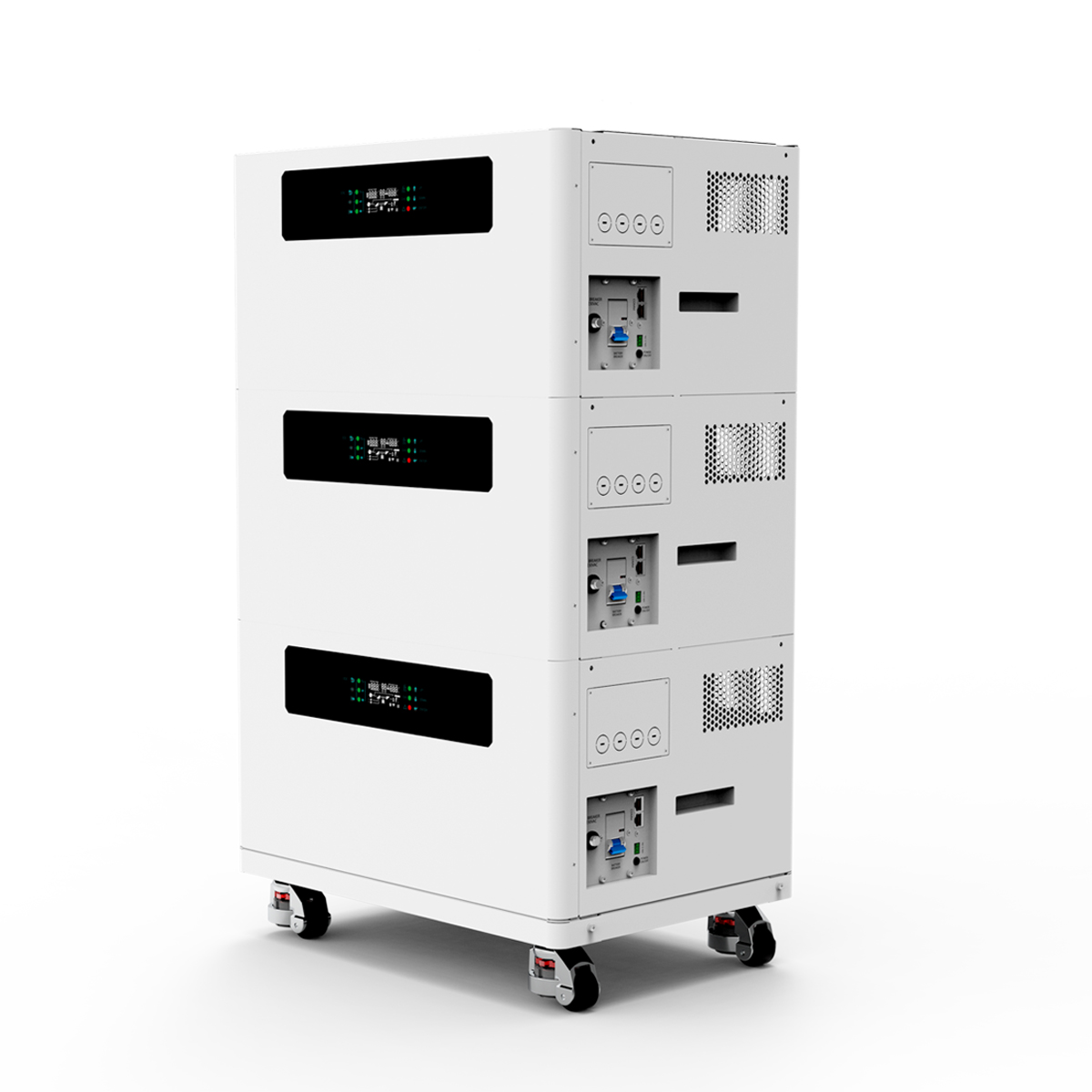
15360Wh Energy Storage Battery
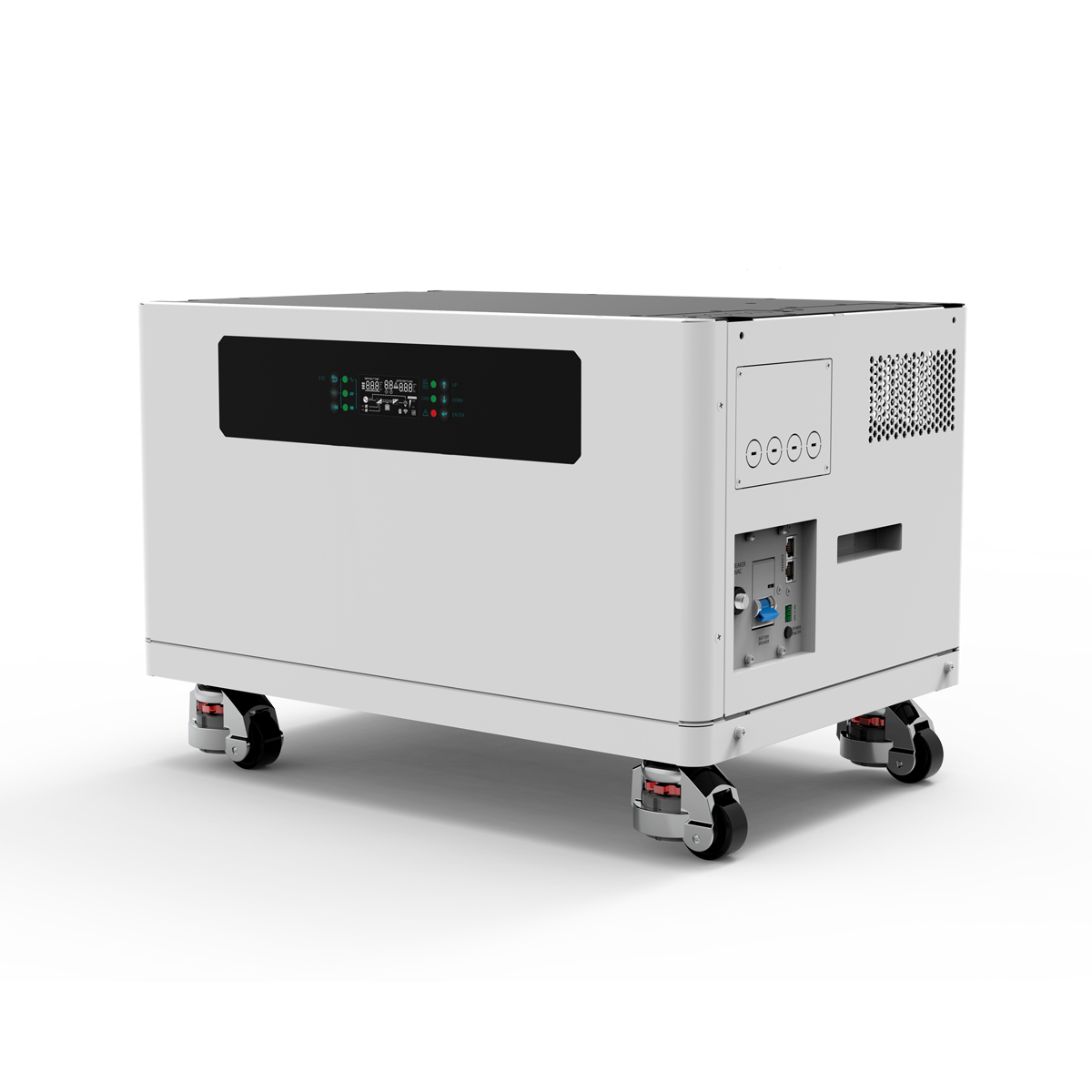
5120Wh Energy Storage Battery
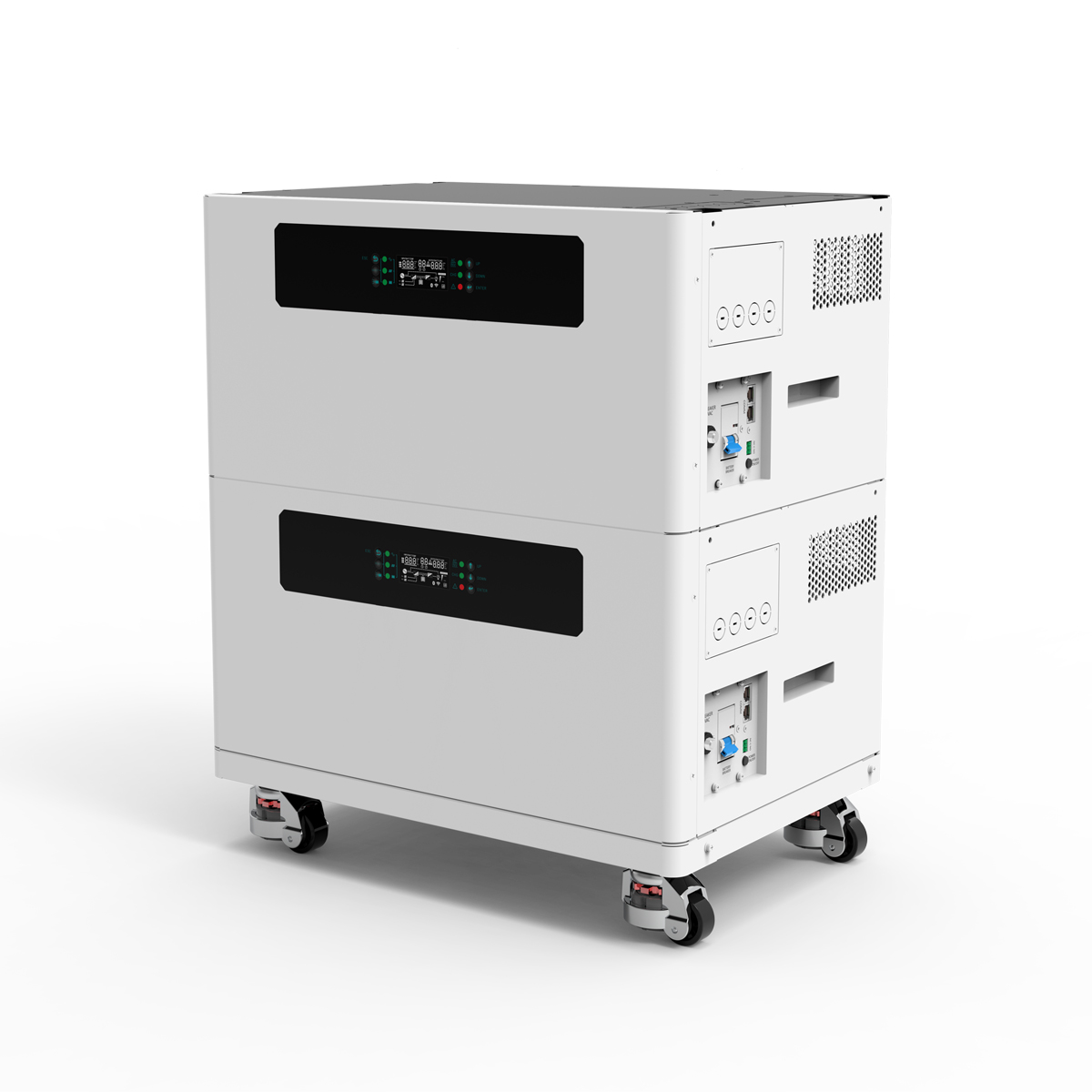
10240Wh Energy Storage Battery
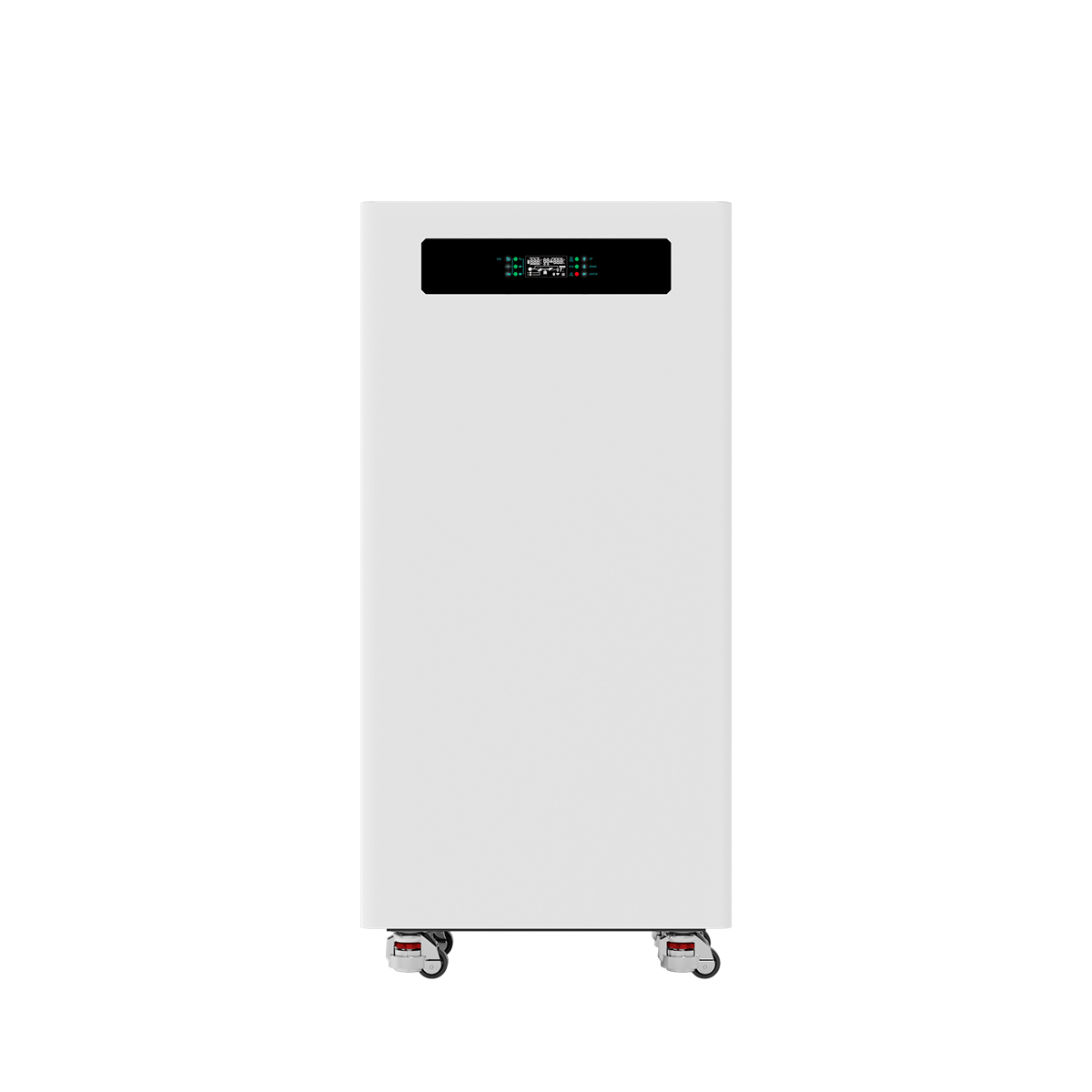
16KWh Hybrid Inverter
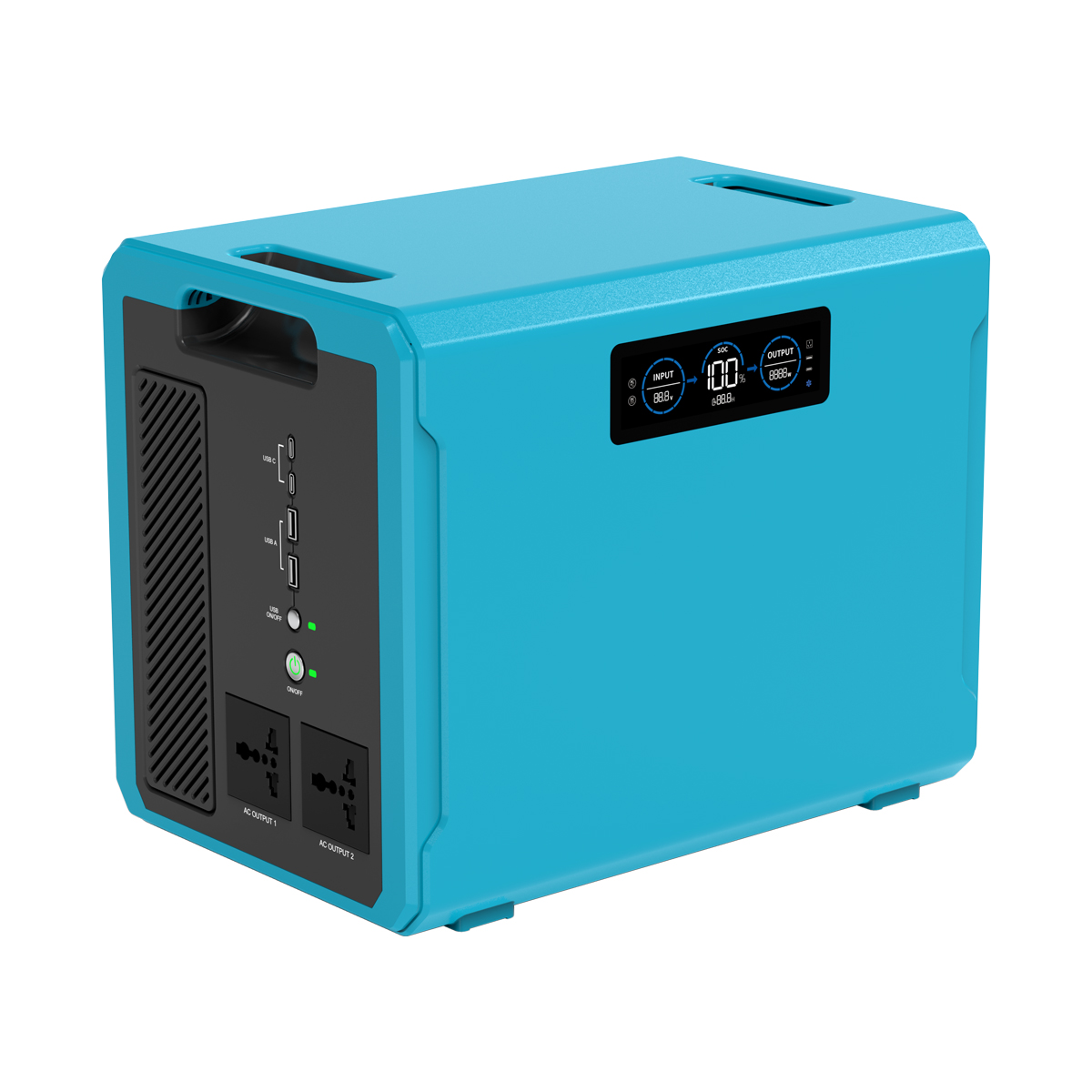
2000W Sky Blue
How do I audit quality controls for solar panel connecting wire production?
An audit of solar panel connecting wire production should verify incoming materials, conductor and insulation dimensions, electrical performance, insulation safety, environmental testing, traceability, and final release records. The supplied product data documents quality controls for portable energy-storage batteries rather than connecting wires, so the audit should separate verified battery procedures from wire-specific requirements that require additional production records.
Core Solutions & Key Takeaways
- Define the audit scope around solar panel connecting wire materials, production steps, electrical tests, mechanical checks, and release documentation.
- Use documented inspection evidence rather than relying on product descriptions. The available data confirms appearance checks, voltage and internal-resistance detection, charge-discharge capacity testing, BMS-protection verification, hi-pot insulation testing, temperature experiments, vibration testing, drop testing, and ageing burn-in for energy-storage batteries.
- Check whether the manufacturer has separate records for wire conductor material, insulation, dimensions, termination quality, continuity, insulation resistance, and withstand voltage.
- Compare quality controls with the intended application, including photovoltaic supporting systems, residential solar energy storage, and off-grid power solutions.
Detailed Architectural/Principle Analysis
A quality audit should follow the complete production chain: incoming inspection, process control, electrical and mechanical testing, final inspection, traceability, and corrective action. Each stage should have an assigned inspection record, acceptance criteria, test result, operator or inspector identification, and disposition for nonconforming products.
For solar panel connecting wire production, incoming inspection should confirm the identity and condition of conductors, insulation materials, connectors, terminals, and other specified components. The supplied data does not provide material grades, conductor cross-sections, insulation thicknesses, connector ratings, or wire-specific acceptance limits. These items therefore require verification through the manufacturer's controlled specifications and inspection records.
Process auditing should cover conductor preparation, insulation application, connector assembly, crimping or termination, marking, and packaging where applicable. The auditor should verify that production instructions match the approved design, that tools are controlled, and that operators record deviations. The provided information does not establish that these wire-production controls are in place.
Electrical verification should include continuity, polarity where applicable, insulation resistance, and dielectric withstand testing against the approved product specification. Mechanical verification should address terminal retention, conductor pull strength, connector engagement, bend resistance, and visual defects when these tests are part of the approved design. No numerical acceptance limits for solar panel connecting wires are supplied, so an audit report should record the actual limits from controlled technical documents rather than create substitute values.
The available product information describes a comprehensive inspection process for energy-storage batteries. It includes appearance checks, voltage and internal-resistance detection, charge-discharge capacity testing, BMS-protection verification, hi-pot insulation testing, high- and low-temperature experiments, vibration and drop testing, and ageing burn-in screening. These controls demonstrate an established battery quality framework, but they do not by themselves verify solar panel connecting wire production.

Traceability should link each finished wire lot to incoming material records, production dates, inspection results, equipment status, and shipment documentation. For an audit covering photovoltaic supporting systems, the records should also identify the intended product configuration and application. The stated application scenarios include off-grid photovoltaic power stations, grid-tied energy-storage systems, and standalone power supplies for islands and remote mountain areas.
Certification evidence should be checked for scope, product category, certificate number, and applicable market. The supplied records include CE certificates CE-INV-260618-0001, CE-INV-260618-0002, and CE-INV-260618-0003, all identified for inverters exported to the EU, Middle East, Africa, and South America. These certificates support the stated inverter scope; they should not be treated as certification evidence for solar panel connecting wires without matching documentation.
The company also reports a 1GWh energy-storage distribution cooperation with an overseas power enterprise in Southeast Asia for residential and industrial and commercial applications. The case describes systems intended for unstable power grids and high electricity prices, together with local after-sales service centers. This demonstrates reported experience in energy-storage deployment, while the supplied case does not establish wire-production audit results.
Data/Solution Comparison
| Audit area | Evidence available in the supplied data | Evidence still required for solar panel connecting wires |
|---|---|---|
| Incoming materials | Quality-inspection procedures are documented for energy-storage batteries. | Wire conductor, insulation, connector, terminal, and material-verification records. |
| Electrical testing | Voltage, internal resistance, charge-discharge capacity, BMS protection, and hi-pot testing are stated for batteries. | Wire continuity, insulation resistance, dielectric withstand, polarity, and approved acceptance limits. |
| Mechanical and environmental testing | High-low-temperature, vibration, drop, and ageing burn-in tests are stated for batteries. | Wire-specific pull, bend, terminal-retention, connector-engagement, and environmental test records. |
| Certification review | Three CE certificates are listed for inverters. | Certification or conformity evidence covering the specific connecting-wire product and destination market. |
| Production traceability | Quality inspection is described, but wire-lot traceability fields are not provided. | Batch records linking materials, operators, equipment, tests, nonconformities, and shipment lots. |
Frequently Asked Questions (FAQ)
Can the supplied quality data prove that solar panel connecting wires are controlled?
No. The supplied quality data specifically describes energy-storage battery inspection procedures. It does not provide wire-production specifications, process records, or wire-specific test results.
Which records should an auditor request before approving a connecting-wire supplier?
Request controlled product specifications, incoming material records, process instructions, equipment calibration records, electrical and mechanical test reports, final inspection records, nonconformance reports, corrective-action records, and lot traceability documents.
Can the listed CE certificates be used as evidence for solar panel connecting wires?
The listed certificates are identified for inverters and apply to exports to the EU, Middle East, Africa, and South America. They should not be assigned to connecting wires unless separate documentation confirms the same product scope.
Final Conclusion & Recommendations
Audit solar panel connecting wire production against controlled material, process, electrical, mechanical, environmental, traceability, and release requirements. Use the supplied battery inspection procedures as evidence of the company's documented energy-storage quality activities, not as proof of wire conformity. The company operates an integrated industrial and trading model with a stated minimum order quantity of 100 pieces, a 15-day delivery time, and monthly capacity above 5,000 units; these commercial details do not replace product-specific quality evidence. The listed CE certificates apply to inverters, and the wire audit should require separate scope-matched records. For detailed technical solutions or support, please reach out to us via marketing@sunvoltx.com.
About Us
shenzhen sunvoltx intelligent technology Co., Ltd. specializes in the research and development, production, customization, and wholesale of energy-storage power supplies, inverters, and chargers, with services covering OEM/ODM development, bulk wholesale, and scenario-based power solutions. Its R&D team works on energy storage, inverter, and photovoltaic control technologies and conducts scheme design, hardware commissioning, software development, and performance testing. The company reports production capacity of more than 5,000 energy-storage products per month and has served clients across multiple industries. Listed credentials include CE certificates CE-INV-260618-0001 and CE-INV-260618-0002 for inverters.
Give Us What You Need
SUBSCRIBE
INQUIRY