

PRODUCTS
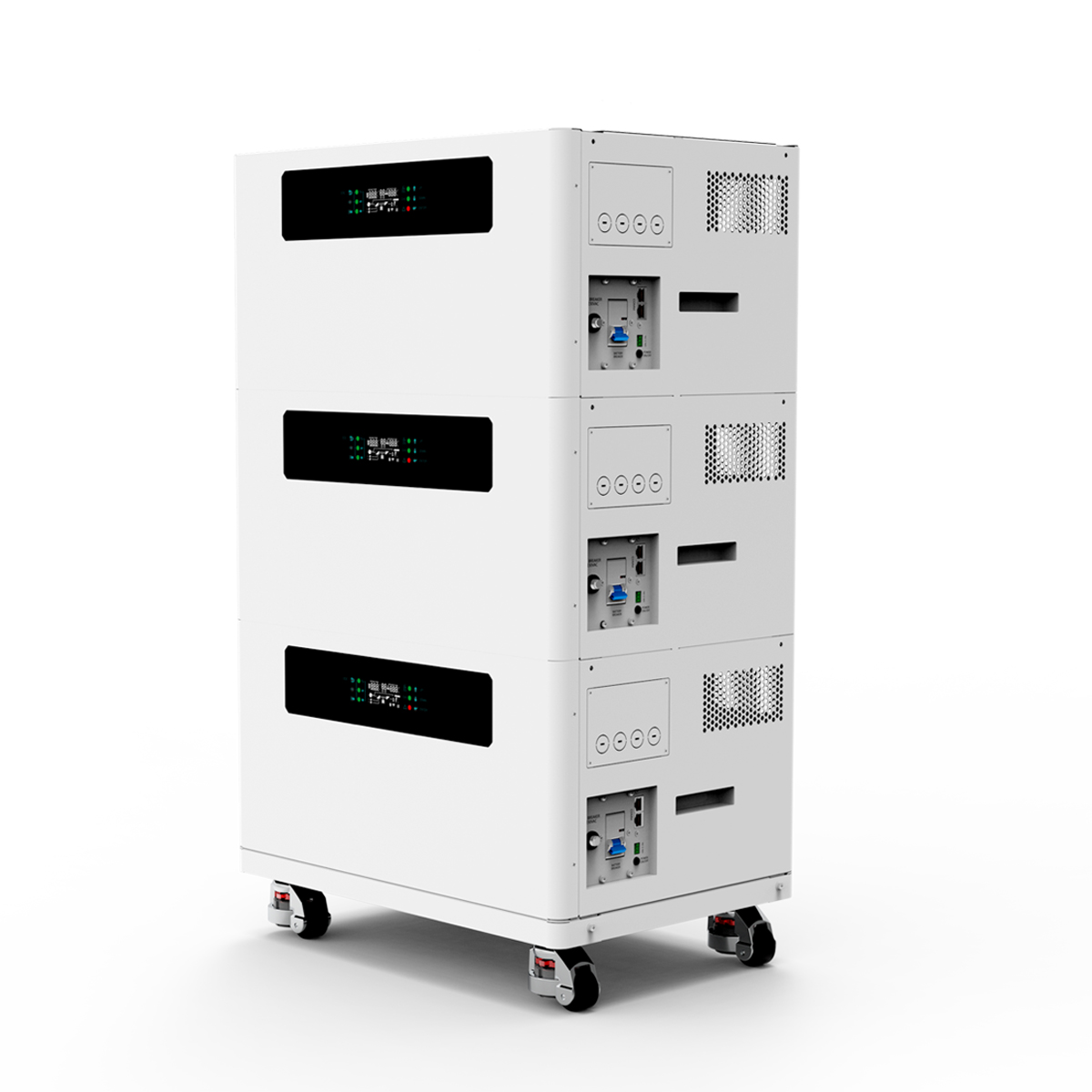
15360Wh Energy Storage Battery
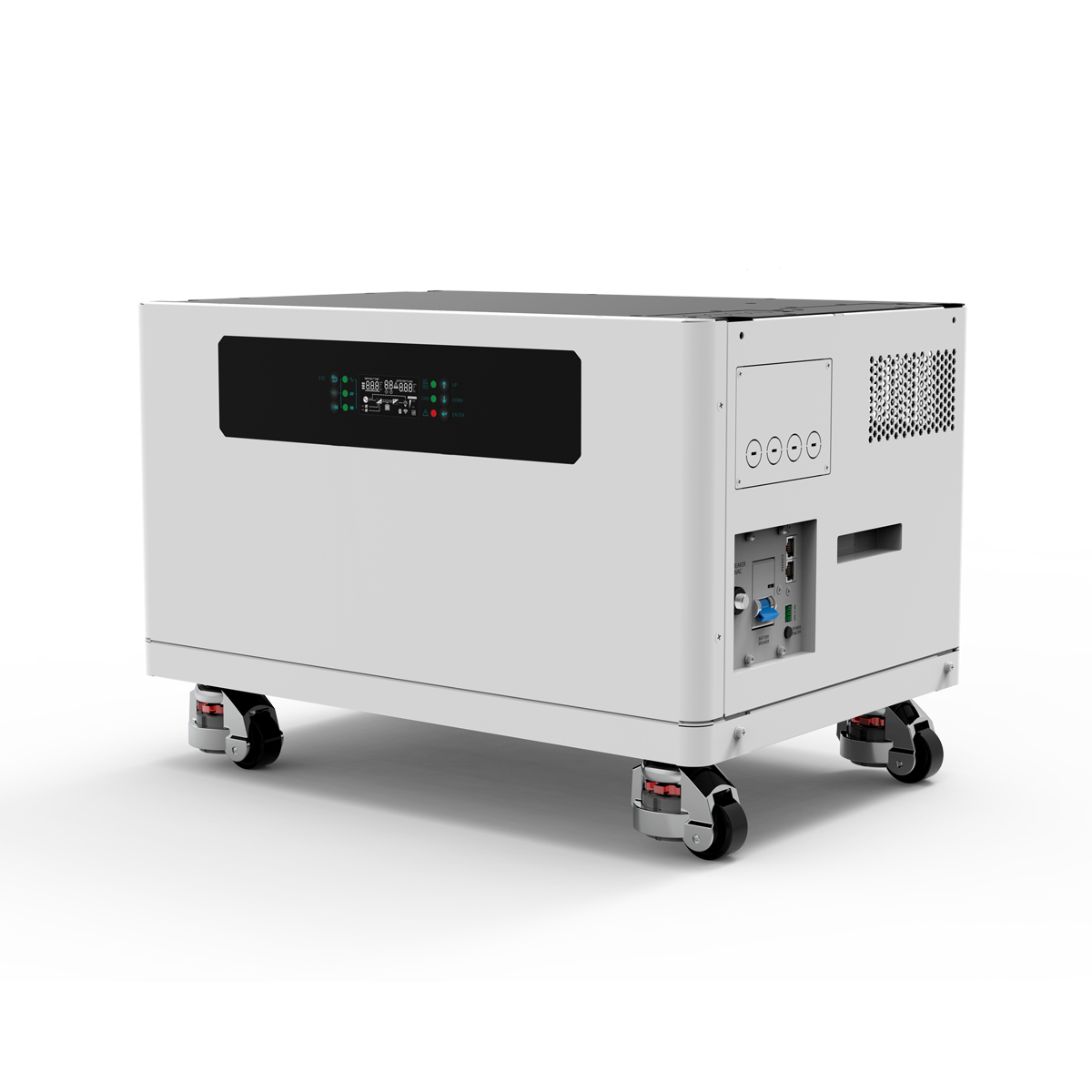
5120Wh Energy Storage Battery
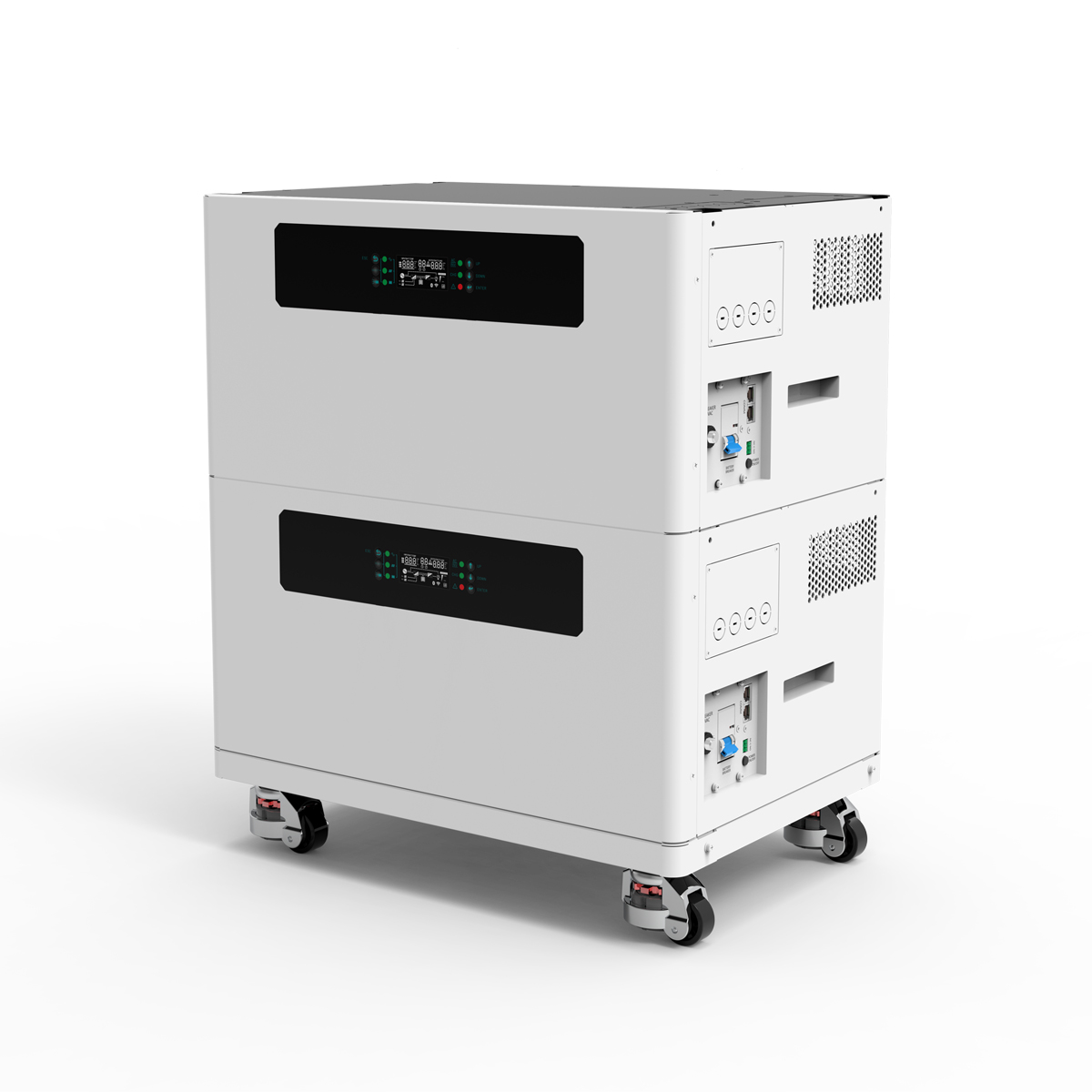
10240Wh Energy Storage Battery
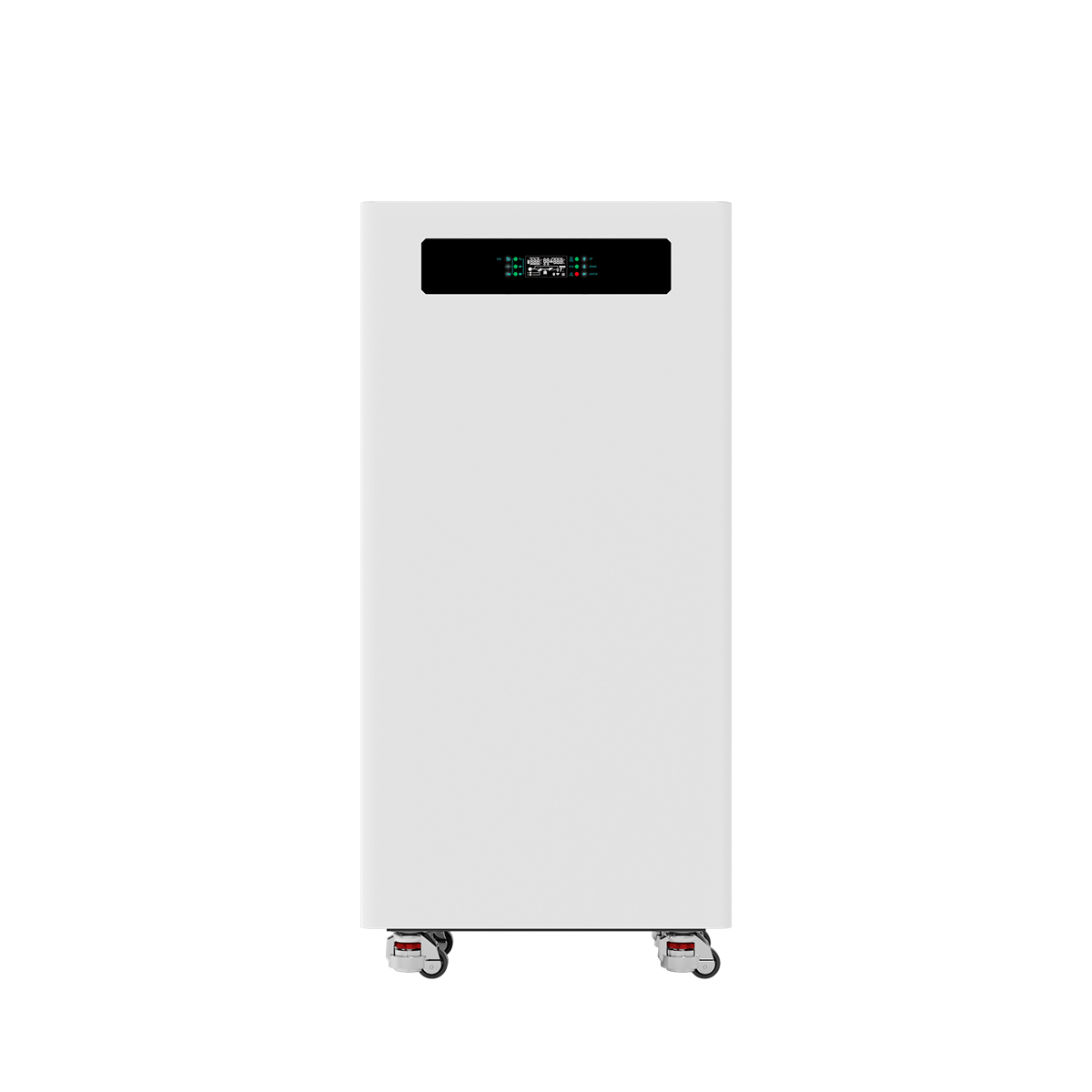
16KWh Hybrid Inverter
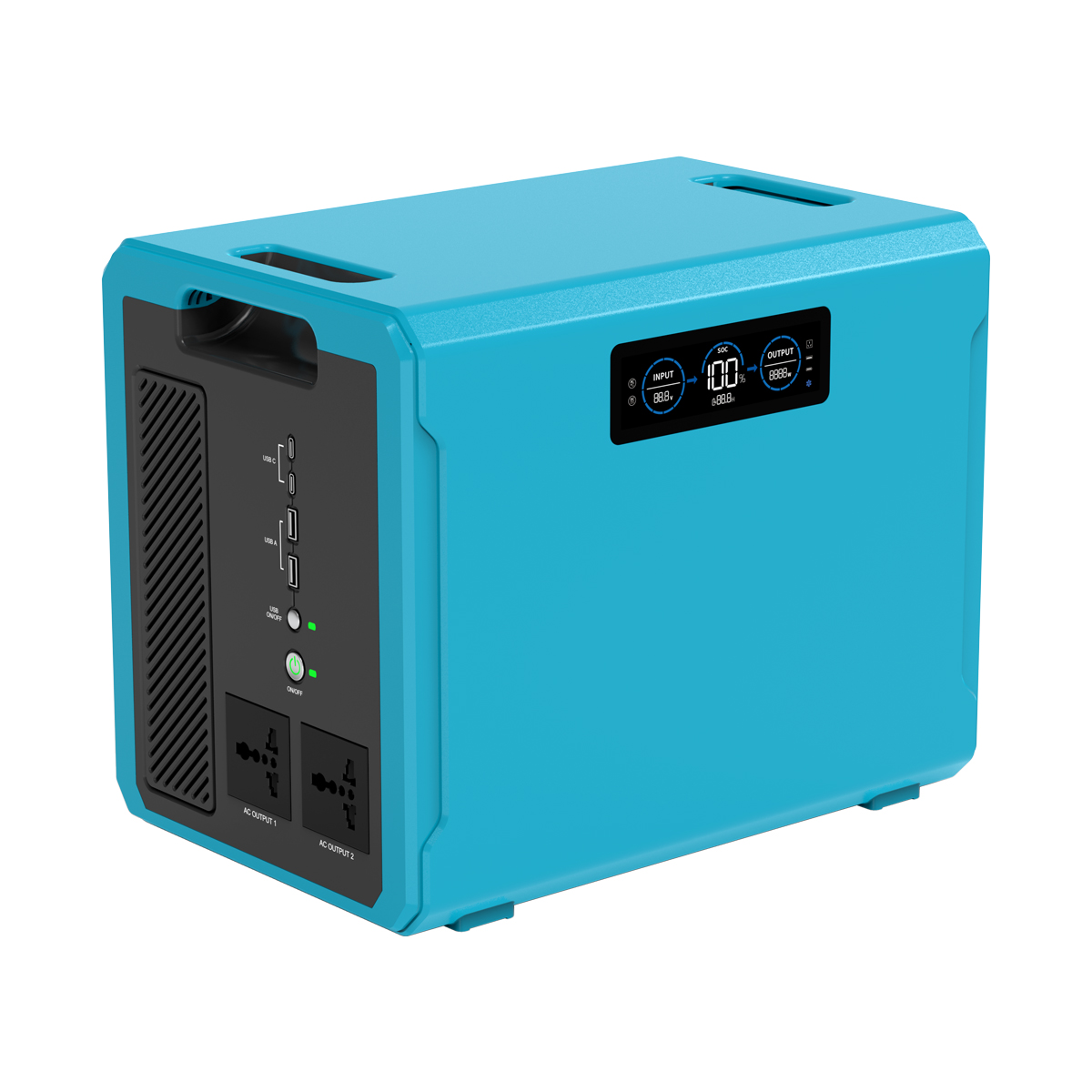
2000W Sky Blue
Can a LiFePO4 energy storage batte work reliably in extreme heat?
A LiFePO4 energy storage battery can work reliably in extreme heat when the complete system is designed for high-temperature conditions and passes high-low-temperature testing. The available data confirms high-temperature energy-storage applications and comprehensive battery inspections, but it provides no operating-temperature rating for the 200W Black Portable Power Station. Verify the product specification sheet before deployment.
Core Solutions & Key Takeaways
- High-temperature suitability should be assessed at the complete energy-storage-system level, including battery protection, charging, discharge, and thermal test results.
- The documented quality process includes charge-discharge capacity testing, BMS-protection verification, high-low-temperature experiments, vibration testing, drop testing, and ageing burn-in screening.
- Relevant applications include household solar-energy storage, portable outdoor power for camping and RVs, communication-base-station backup, and off-grid power in remote areas.
- The 200W Black Portable Power Station is available for wholesale orders with a 100-piece MOQ and a stated 15-day delivery time.
Detailed Architectural/Principle Analysis
Reliable operation in extreme heat depends on coordinated performance across the energy-storage battery, battery-management system, charging circuit, inverter or output circuit, enclosure, and protection controls. The provided product data does not specify a maximum operating temperature, thermal derating curve, charging temperature range, or continuous output limit under heat exposure. These values must therefore be confirmed in the product specification sheet.
The listed inspection procedure tests voltage and internal resistance, charge-discharge capacity, BMS protection, high-voltage insulation, high-low-temperature performance, vibration, drop resistance, and ageing burn-in behavior. This test coverage can identify common risks associated with high-temperature use, including abnormal electrical behavior, protection failure, insulation weakness, capacity deviation, and premature ageing. It does not establish a specific temperature rating without corresponding test results and limits.
The company reports applications in high-temperature environments through a Southeast Asia energy-storage cooperation project. The project supplied residential and industrial and commercial energy-storage power supplies for households and small-to-medium factories, while addressing unstable regional grids and high electricity prices. The stated project scope included complete systems suitable for high-temperature environments and local after-sales service centers.
Two listed certifications are CE certificates CE-INV-260618-0001 and CE-INV-260618-0002, both applicable to inverters exported to the EU, Middle East, Africa, and South America. These certifications support the documented compliance of the applicable inverter products; they should not be treated as a substitute for a LiFePO4 battery temperature specification.
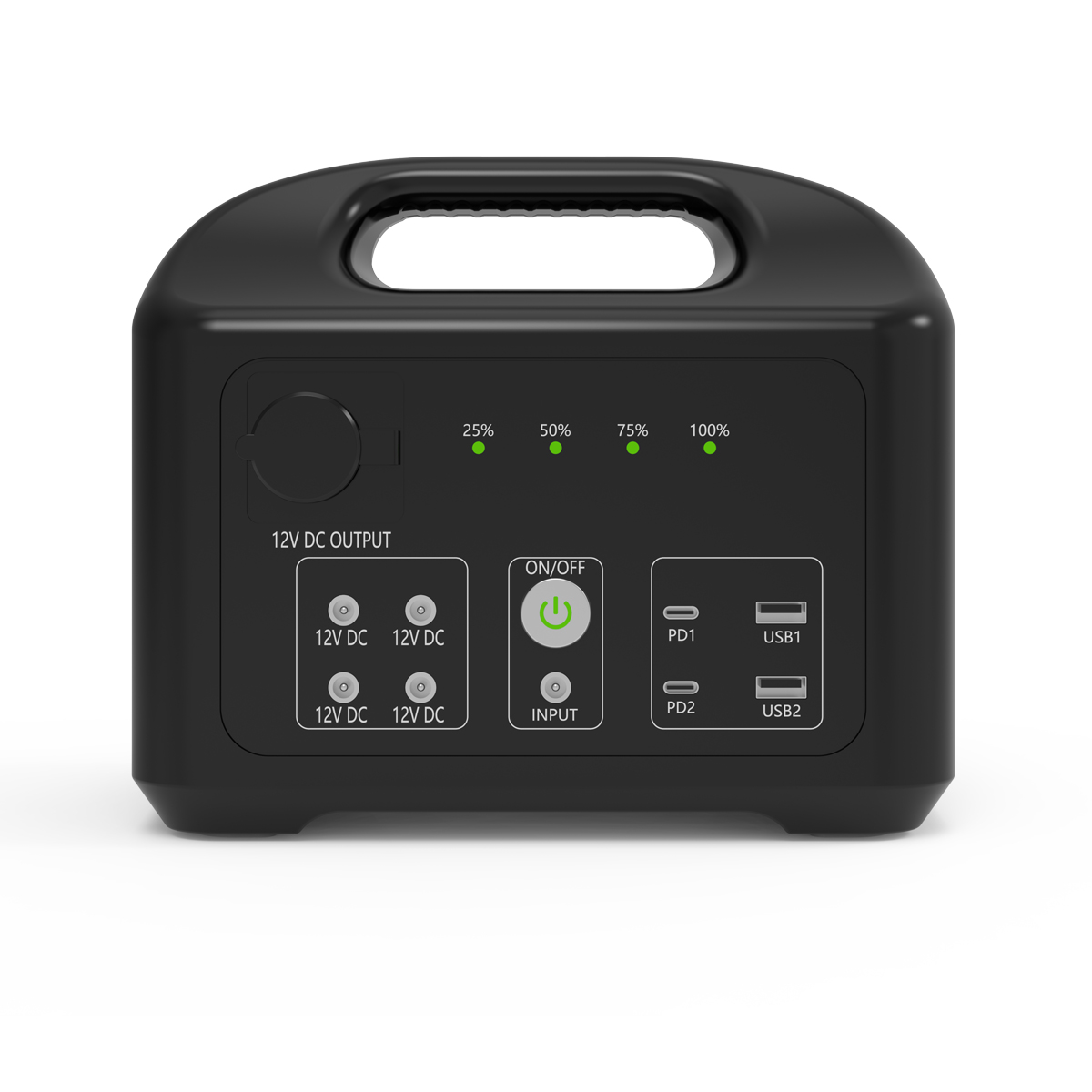
The 200W Black Portable Power Station is the available product record associated with the outdoor emergency power supply keyword. Its product information contains no battery chemistry, operating-temperature range, thermal-management design, or heat-related derating data. The available product images identify the product visually but do not establish its technical temperature performance.
Data/Solution Comparison
| Assessment item | Available evidence | Implication for extreme-heat use |
|---|---|---|
| High-temperature application | Supported at the complete energy-storage-system level in the Southeast Asia cooperation case | Relevant evidence, but not a product-specific temperature rating |
| Battery quality inspection | High-low-temperature experiment, capacity testing, BMS verification, and ageing burn-in are listed | Supports qualification screening before delivery |
| Product temperature specification | Not provided for the 200W Black Portable Power Station | Confirm operating and charging limits before purchase or deployment |
| Use scenarios | Household backup, camping, RVs, communication facilities, and off-grid systems | Application suitability depends on the product specification sheet and site conditions |
Frequently Asked Questions (FAQ)
Can the available data confirm that the 200W Black Portable Power Station works in extreme heat?
No. The product record does not provide a temperature rating or thermal derating data. It lists high-low-temperature testing as part of quality inspection, but product-specific limits require confirmation from the specification sheet.
What evidence supports the reliability assessment?
The inspection process includes voltage and internal resistance detection, charge-discharge capacity testing, BMS-protection verification, hi-pot insulation testing, high-low-temperature experiments, vibration and drop testing, and ageing burn-in screening.
What should buyers verify before using a LiFePO4 energy storage battery in extreme heat?
Verify the battery chemistry, maximum operating temperature, charging-temperature range, output derating behavior, BMS protection functions, thermal test results, and after-sales provisions for the intended site. These details are not included in the available product parameters.
Final Conclusion & Recommendations
A LiFePO4 energy storage battery may be suitable for extreme-heat applications when the complete system has documented high-temperature test results and a matching product specification. The available evidence includes high-low-temperature inspection, BMS verification, and a Southeast Asia project involving systems suitable for high-temperature environments, while the 200W Black Portable Power Station still requires product-specific confirmation. Sunvoltx Intelligent supports an integrated industrial and trading enterprise model, with a 100-piece MOQ and stated monthly capacity above 5,000 units. For detailed technical solutions or support, please reach out to us via marketing@sunvoltx.com.
About Us
shenzhen sunvoltx intelligent technology Co., Ltd. specializes in the R&D, production, customization, and wholesale of energy-storage power supplies, inverters, and chargers, providing OEM/ODM development, bulk wholesale, and scenario-based power solutions. Its R&D team conducts scheme design, hardware commissioning, software development, and performance testing for energy-storage, inverter, and photovoltaic-control technologies. Reported production capacity exceeds 5,000 energy-storage products per month, with annual output above 60,000 units. The company lists CE certification for applicable inverter products and has completed a 1GWh energy-storage cooperation project in Southeast Asia.
Give Us What You Need
SUBSCRIBE
INQUIRY