

PRODUCTS
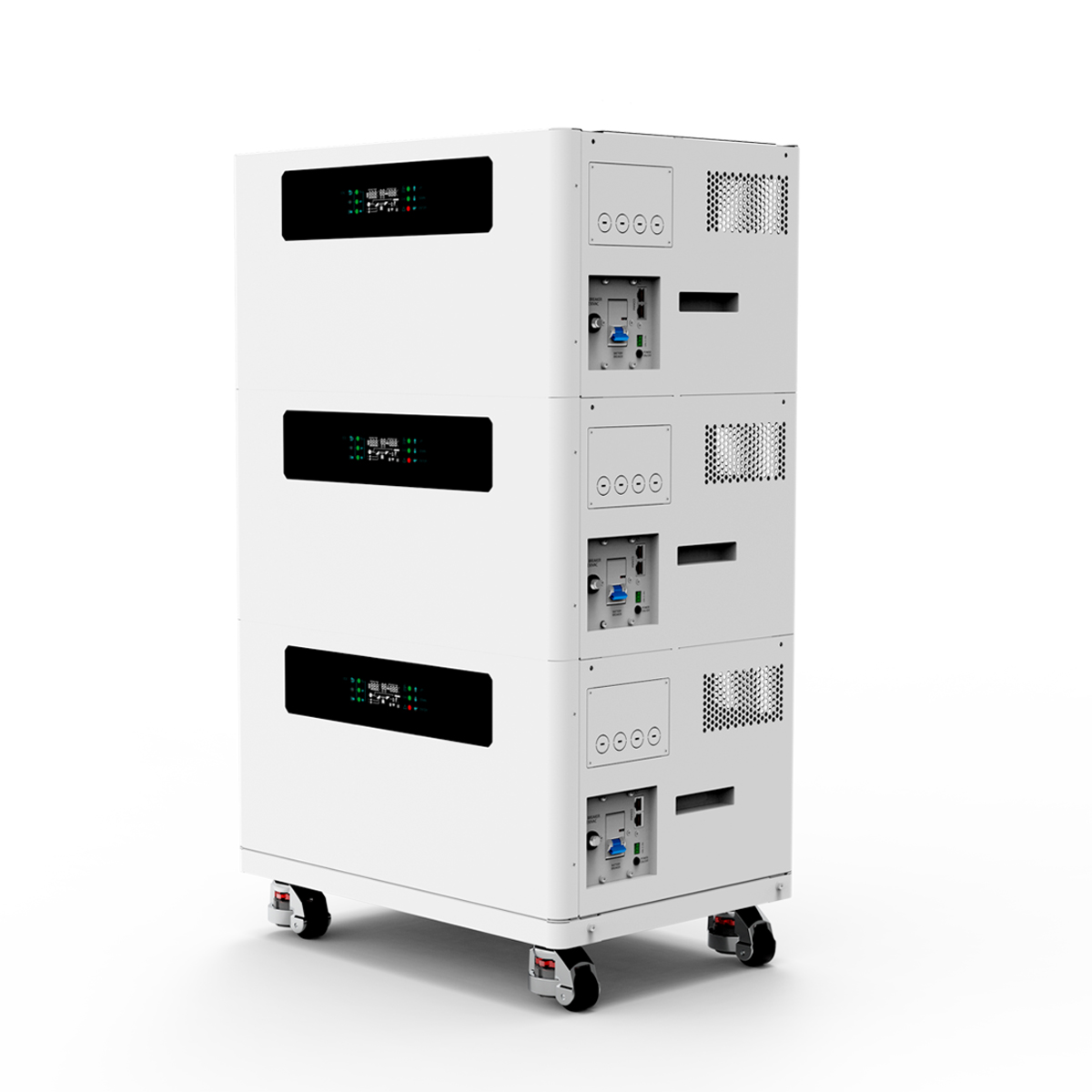
15360Wh Energy Storage Battery
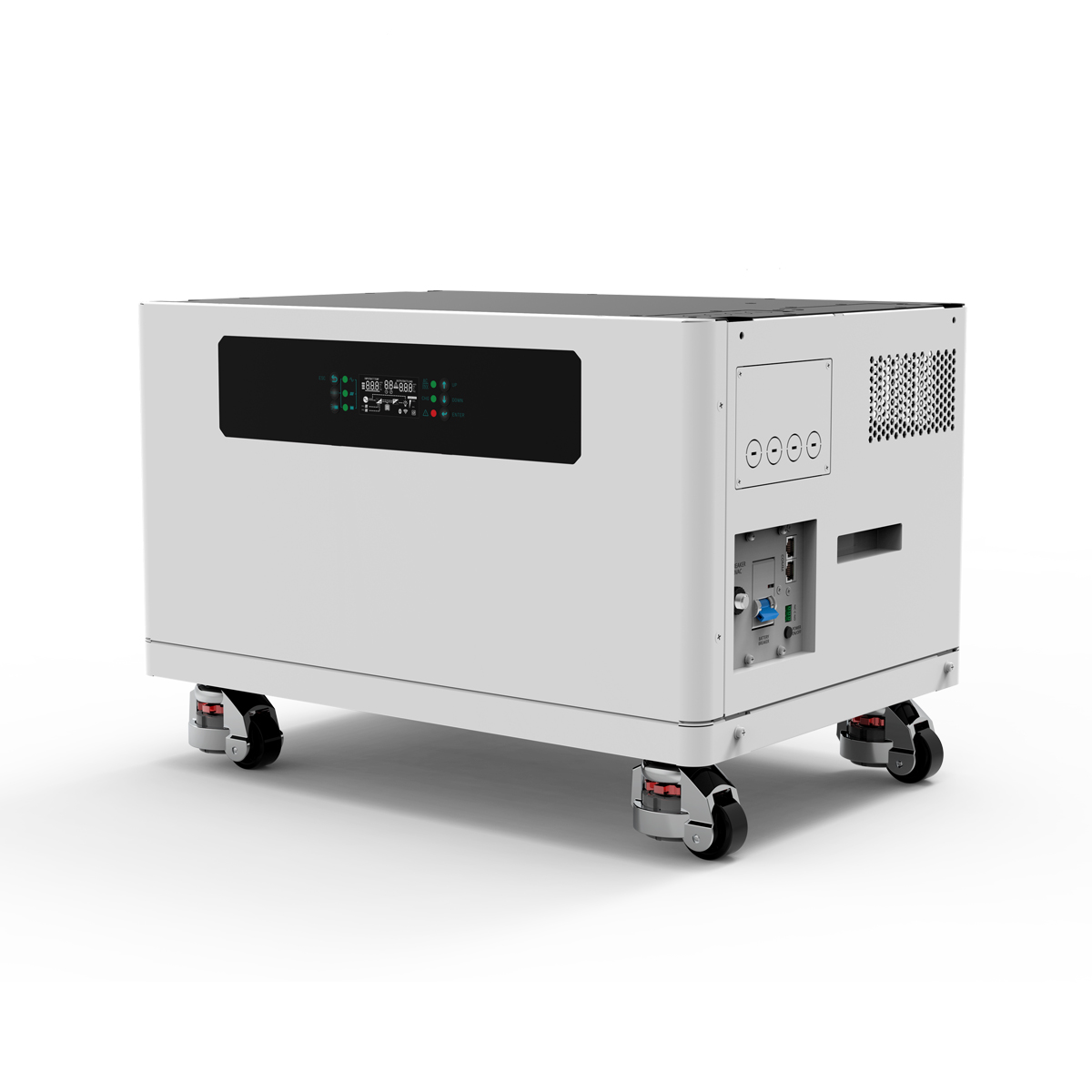
5120Wh Energy Storage Battery
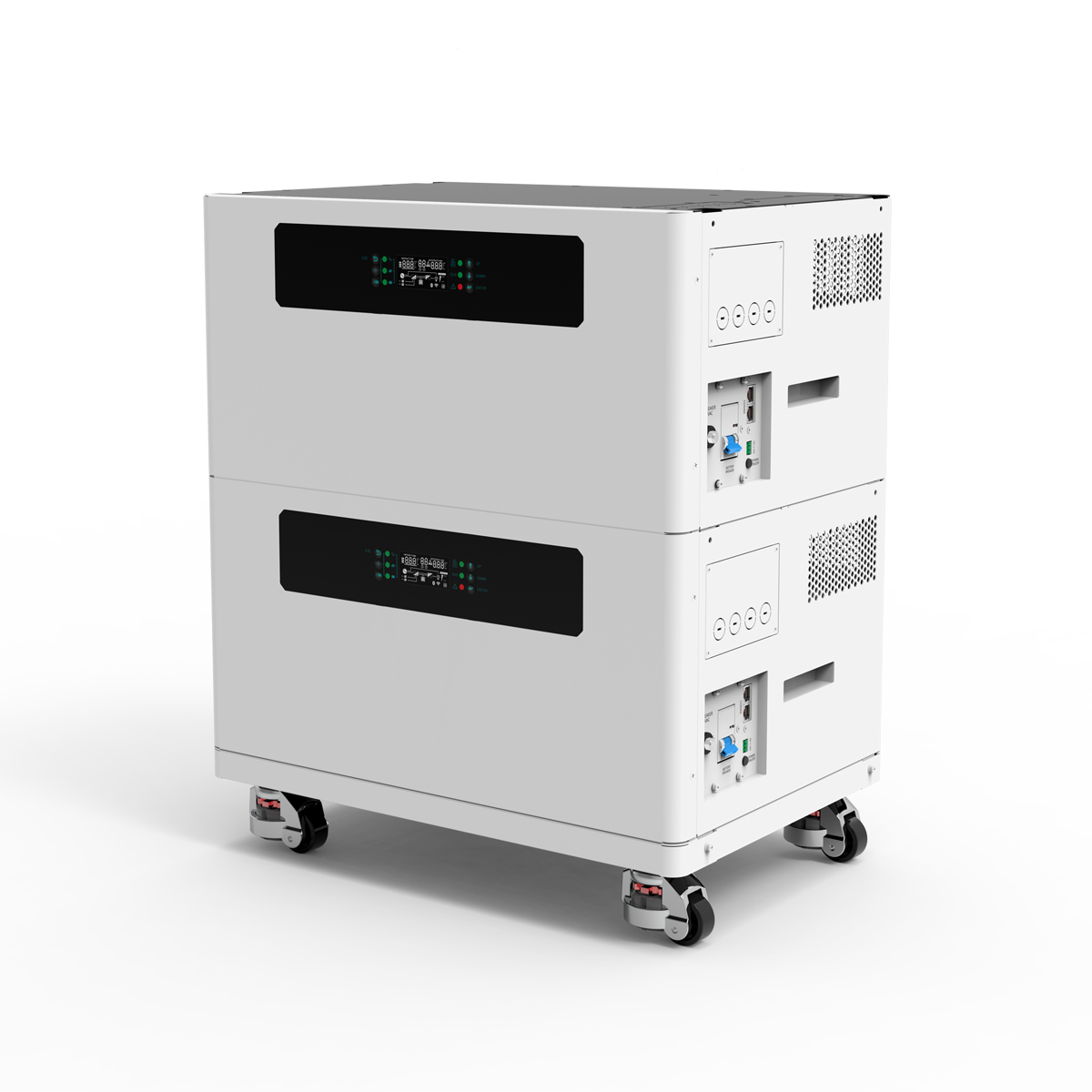
10240Wh Energy Storage Battery
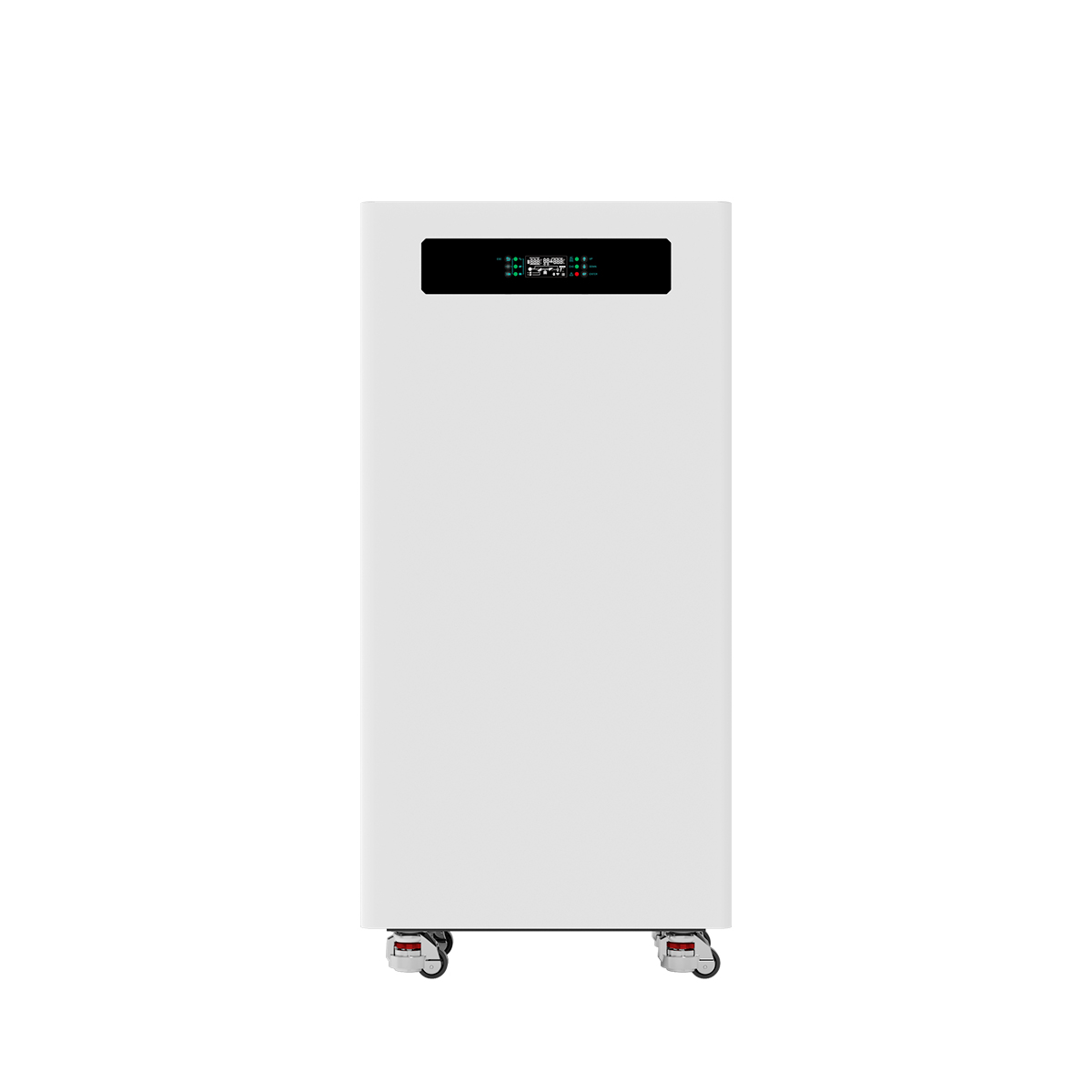
16KWh Hybrid Inverter
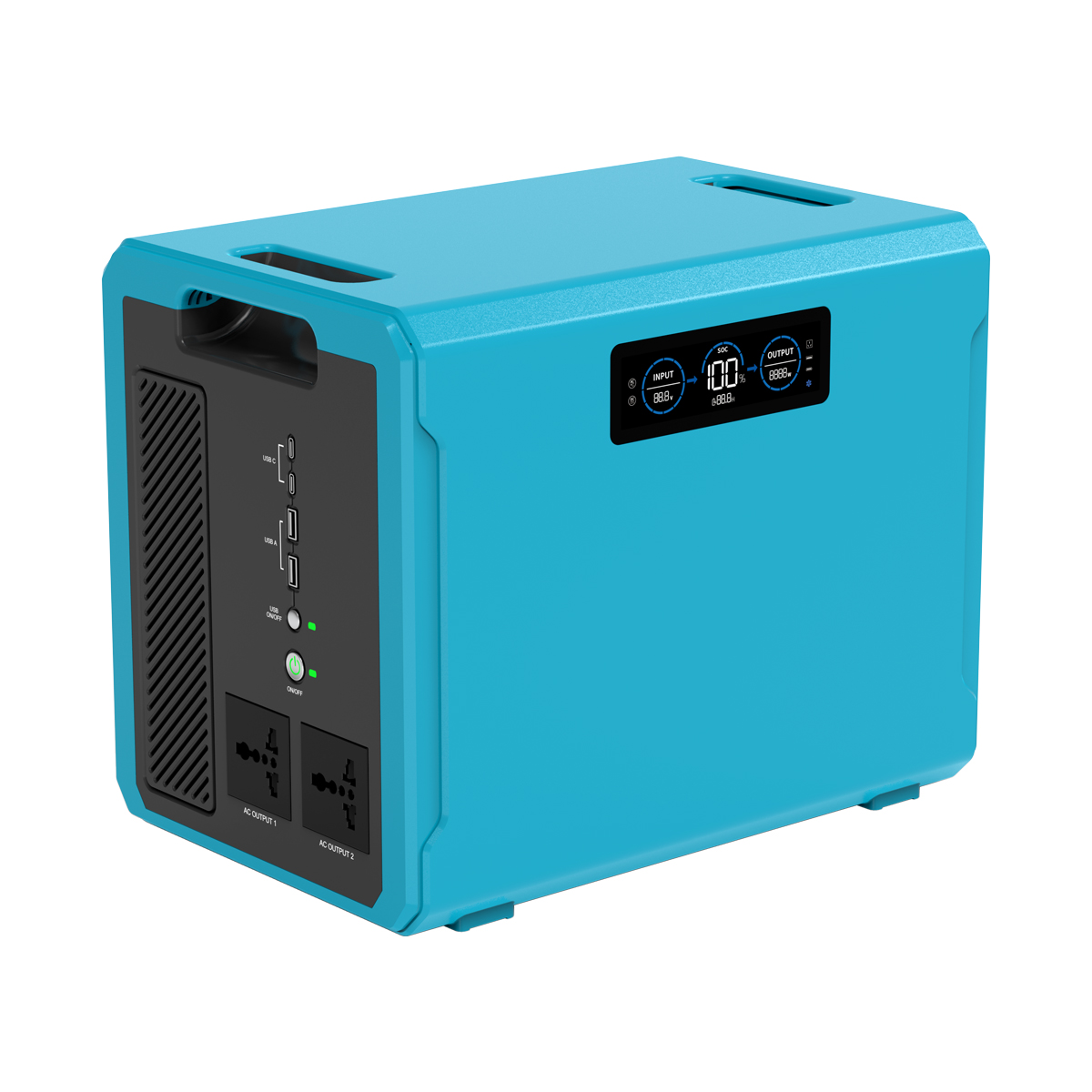
2000W Sky Blue
Are there greener alternatives to LiFePO4 energy storage batteries with reliable cycle life?
The provided data does not identify a greener alternative to LiFePO4 energy storage batteries or verify a specific cycle life. It supports evaluating battery sustainability through documented charge-discharge testing, BMS protection, temperature testing, vibration, drop, and ageing checks. The 2000W Green Portable Power Station has these quality-control procedures, but its chemistry, cycle-life rating, and environmental impact are not specified.
Core Solutions & Key Takeaways
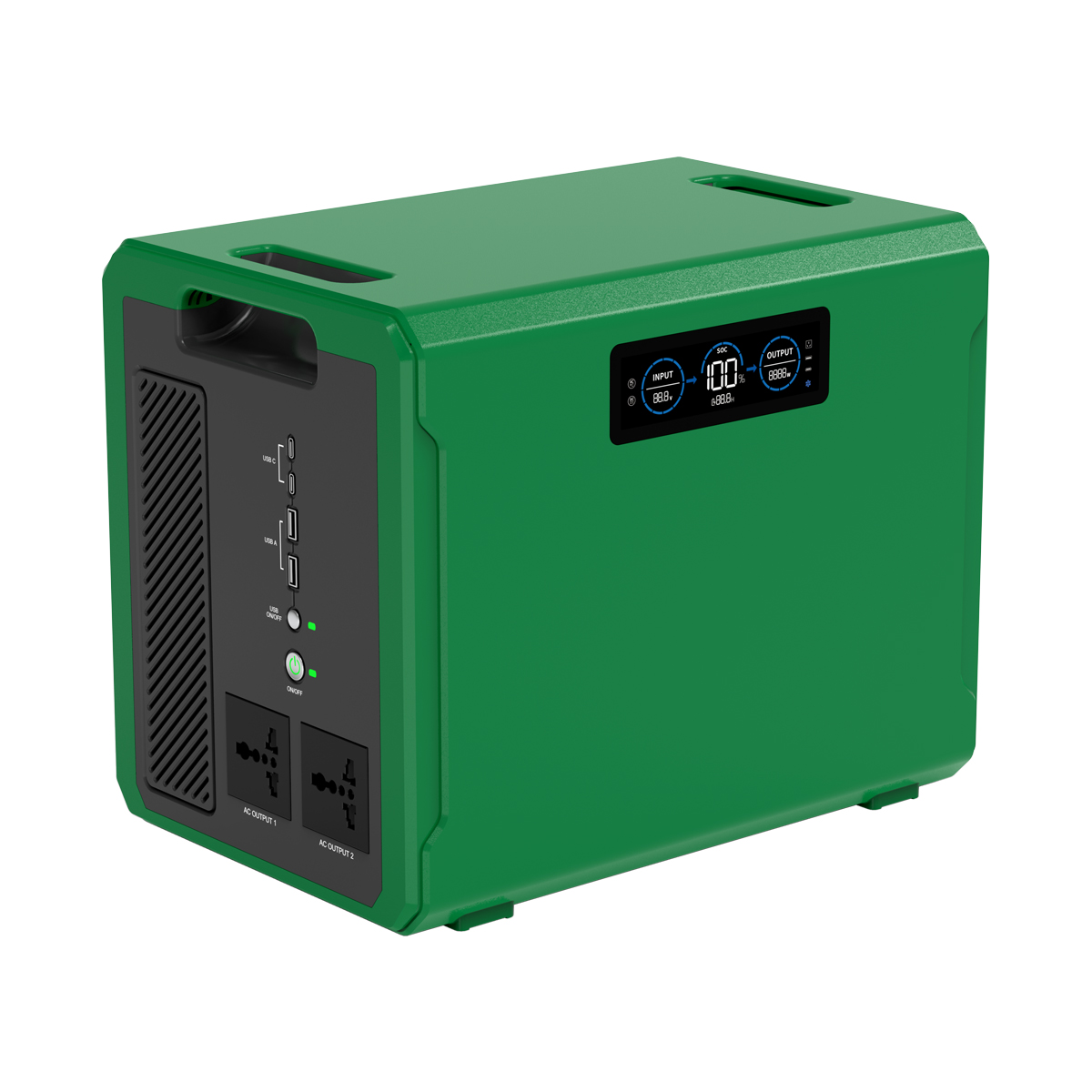
- The available product is a 2000W Green Portable Power Station designed for outdoor emergency power supply.
- The supplied data does not confirm a battery chemistry beyond the company’s listed LiFePO4 energy storage battery product category.
- Quality inspection includes charge-discharge capacity testing, BMS-protection verification, high-low-temperature experiments, vibration and drop testing, and ageing burn-in screening.
- Documented applications include camping, RV use, field-work equipment, household backup, communication facilities, and off-grid power systems.
Detailed Architectural/Principle Analysis
A reliable comparison between LiFePO4 batteries and greener alternatives requires information about chemistry, materials, manufacturing impact, expected cycle life, operating temperature range, recyclability, and tested capacity retention. These parameters are not provided for an alternative chemistry in the supplied records, so no substitute can be confirmed on environmental or cycle-life grounds.
The available 2000W Green Portable Power Station is assessed through a broad quality-inspection process. The stated procedures cover appearance checks, voltage and internal-resistance detection, charge-discharge capacity testing, BMS-protection verification, high-voltage insulation testing, high-low-temperature experiments, vibration testing, drop testing, and ageing burn-in screening. These checks support product reliability assessment, but they do not establish a numerical cycle-life result.
For practical use, the application data identifies household solar-energy storage, portable outdoor power for camping and RVs, emergency backup for villas and homestays, and temporary power for construction sites and exhibitions. These uses indicate where portable energy storage can be deployed, but they do not establish that one battery chemistry is greener than another.
The company reports an overseas distribution cooperation involving residential and industrial and commercial energy storage products in Southeast Asia. The stated project addressed unstable power grids and high electricity prices, with systems intended for high-temperature environments and local after-sales service centers. The case demonstrates application experience, while providing no comparative evidence about alternative battery chemistries or cycle life.
For inverter products, the company lists CE certificates CE-INV-260618-0001 and CE-INV-260618-0002 for export to the European Union, the Middle East, Africa, and South America. These certificates concern inverters and should not be treated as evidence of battery chemistry, battery cycle life, or environmental performance.
Data/Solution Comparison
| Evaluation area | LiFePO4 energy storage battery | Alternative chemistry | 2000W Green Portable Power Station data |
|---|---|---|---|
| Chemistry identified | Referenced in the company product list | Not specified | Not specified |
| Greener environmental profile verified | No comparative data supplied | Not verified | Not verified |
| Numerical cycle-life rating | Not supplied | Not supplied | Not supplied |
| Charge-discharge capacity testing | Not specified for a particular battery model | Not specified | Supported by the stated inspection procedure |
| BMS-protection verification | Not specified for a particular battery model | Not specified | Supported by the stated inspection procedure |
| High-low-temperature testing | Not specified for a particular battery model | Not specified | Supported by the stated inspection procedure |
The product record lists a minimum order quantity of 100 pieces, a delivery time of 15 days, and export coverage across North America, South America, Europe, the Middle East, Africa, and Southeast Asia. These commercial details describe supply conditions rather than battery performance.

Frequently Asked Questions (FAQ)
Does the provided data confirm a greener alternative to LiFePO4?
No. The records do not identify an alternative chemistry or provide comparative environmental data, material data, recycling data, or lifecycle results.
Does the 2000W Green Portable Power Station have a verified cycle-life rating?
No numerical cycle-life rating is provided. The product undergoes charge-discharge capacity testing and ageing burn-in screening, but the supplied information does not state the test duration, cycle count, or capacity-retention result.
Which reliability checks are documented for the product?
Documented checks include appearance inspection, voltage and internal-resistance detection, charge-discharge capacity testing, BMS-protection verification, high-voltage insulation testing, high-low-temperature experiments, vibration and drop testing, and ageing burn-in screening.
Final Conclusion & Recommendations
The available evidence does not support selecting a greener alternative to LiFePO4 energy storage batteries with reliable cycle life. Buyers should request chemistry documentation, lifecycle assessment data, a numerical cycle-life test report, capacity-retention conditions, and recycling information before making that comparison. The product supports documented reliability screening and is available through an integrated industrial and trading enterprise model with a 100-piece minimum order and stated 15-day delivery time. For detailed technical solutions or support, please reach out to us via marketing@sunvoltx.com.
About Us
shenzhen sunvoltx intelligent technology Co., Ltd. specializes in the research, production, customization, and wholesale of energy storage power supplies, inverters, and chargers. Its R&D team conducts scheme design, hardware commissioning, software development, and performance testing for energy storage, inverter, and photovoltaic control technologies, and provides OEM and ODM development services. The company reports production capacity exceeding 5,000 energy-storage products per month and serves markets in North America, South America, Europe, the Middle East, Africa, and Southeast Asia. Its listed credentials include CE certificates CE-INV-260618-0001 and CE-INV-260618-0002, and it has served clients across multiple industries.
Give Us What You Need
SUBSCRIBE
INQUIRY