

PRODUCTS
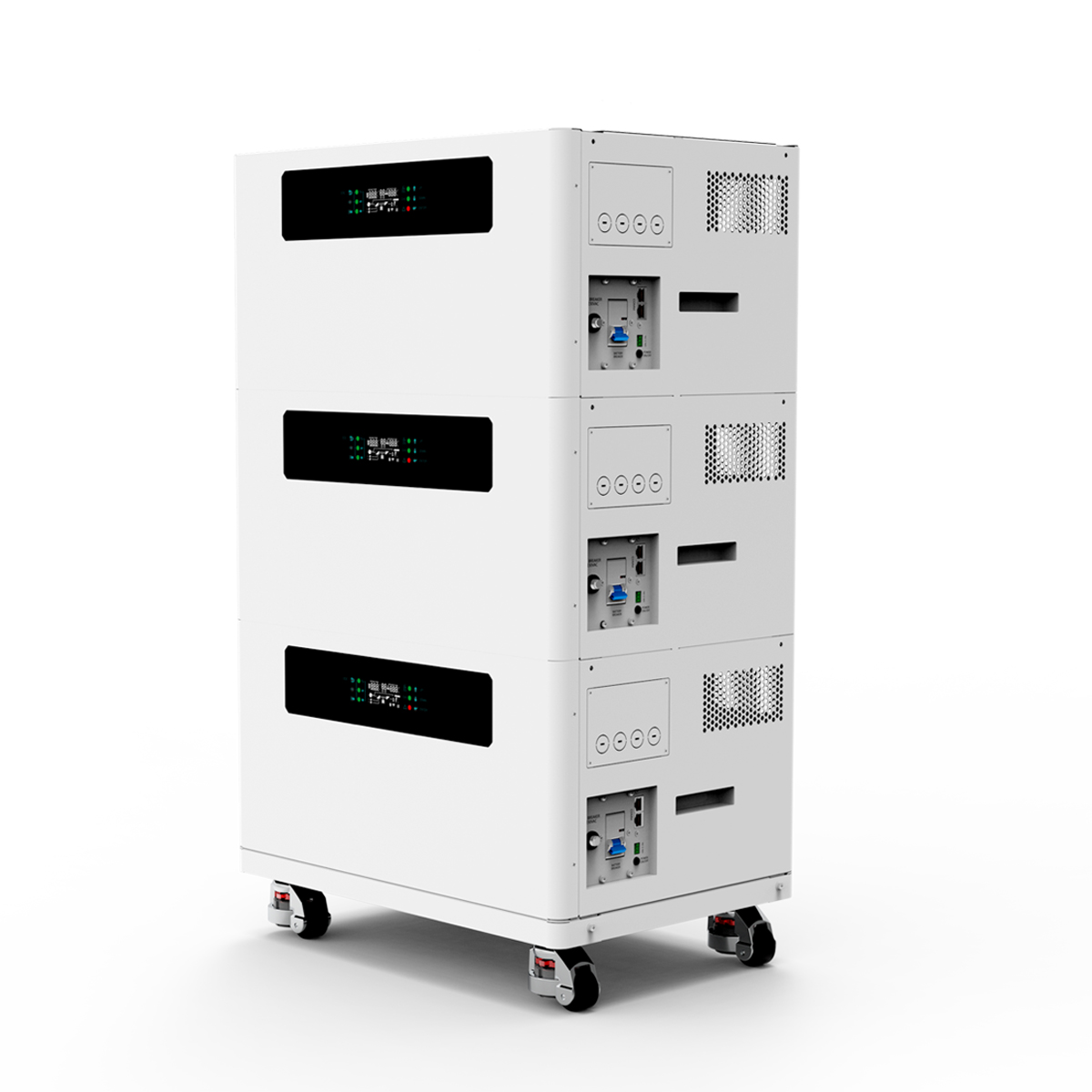
15360Wh Energy Storage Battery
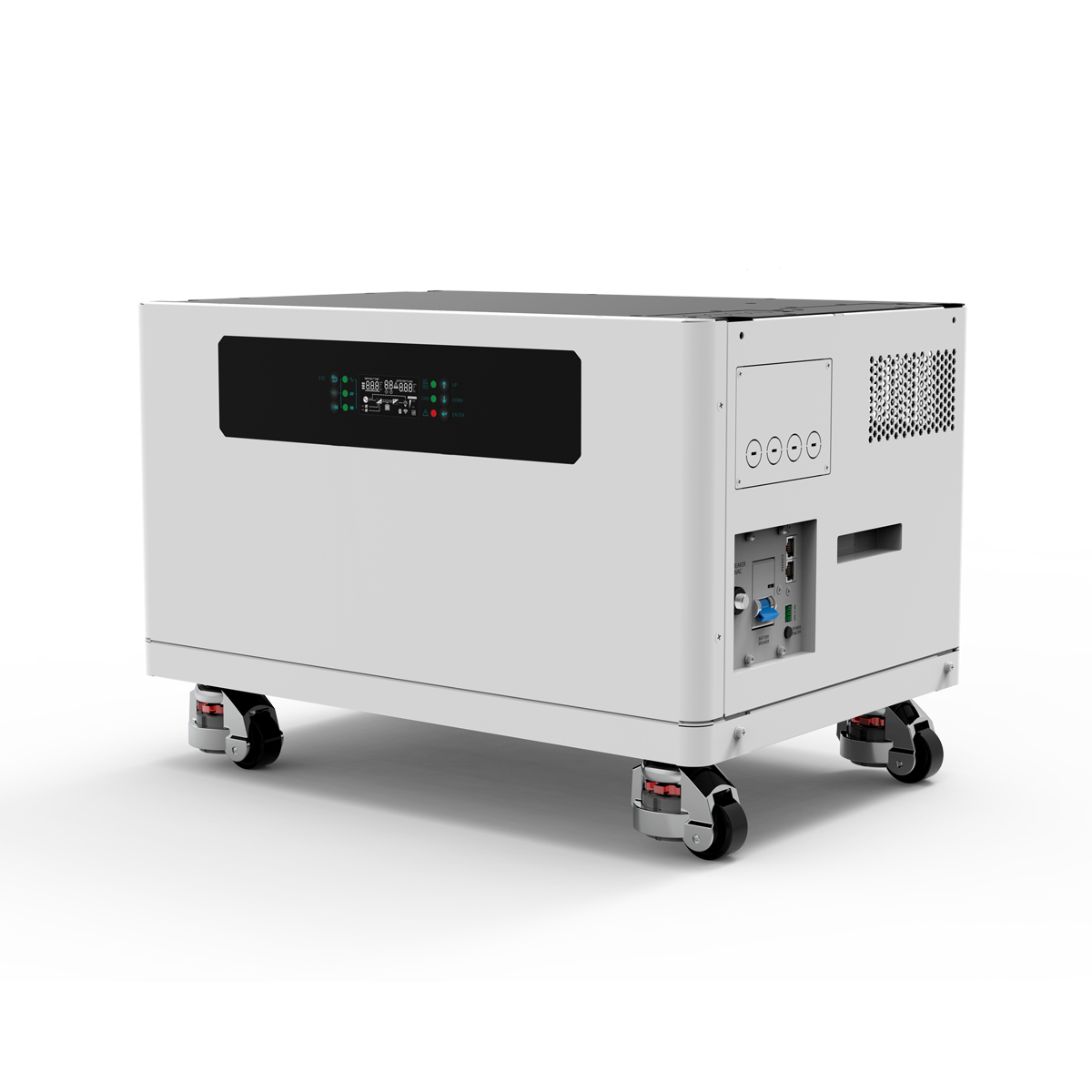
5120Wh Energy Storage Battery
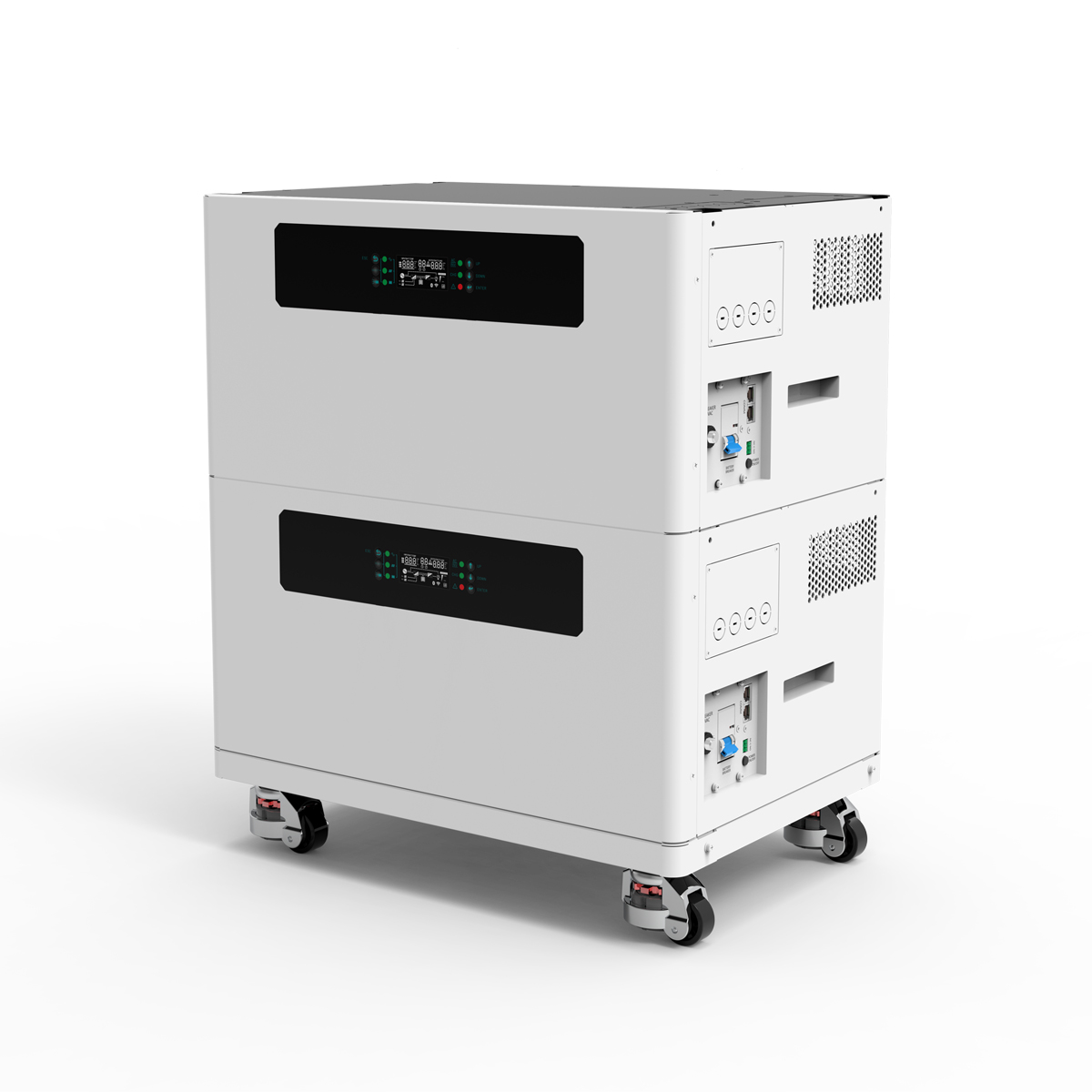
10240Wh Energy Storage Battery
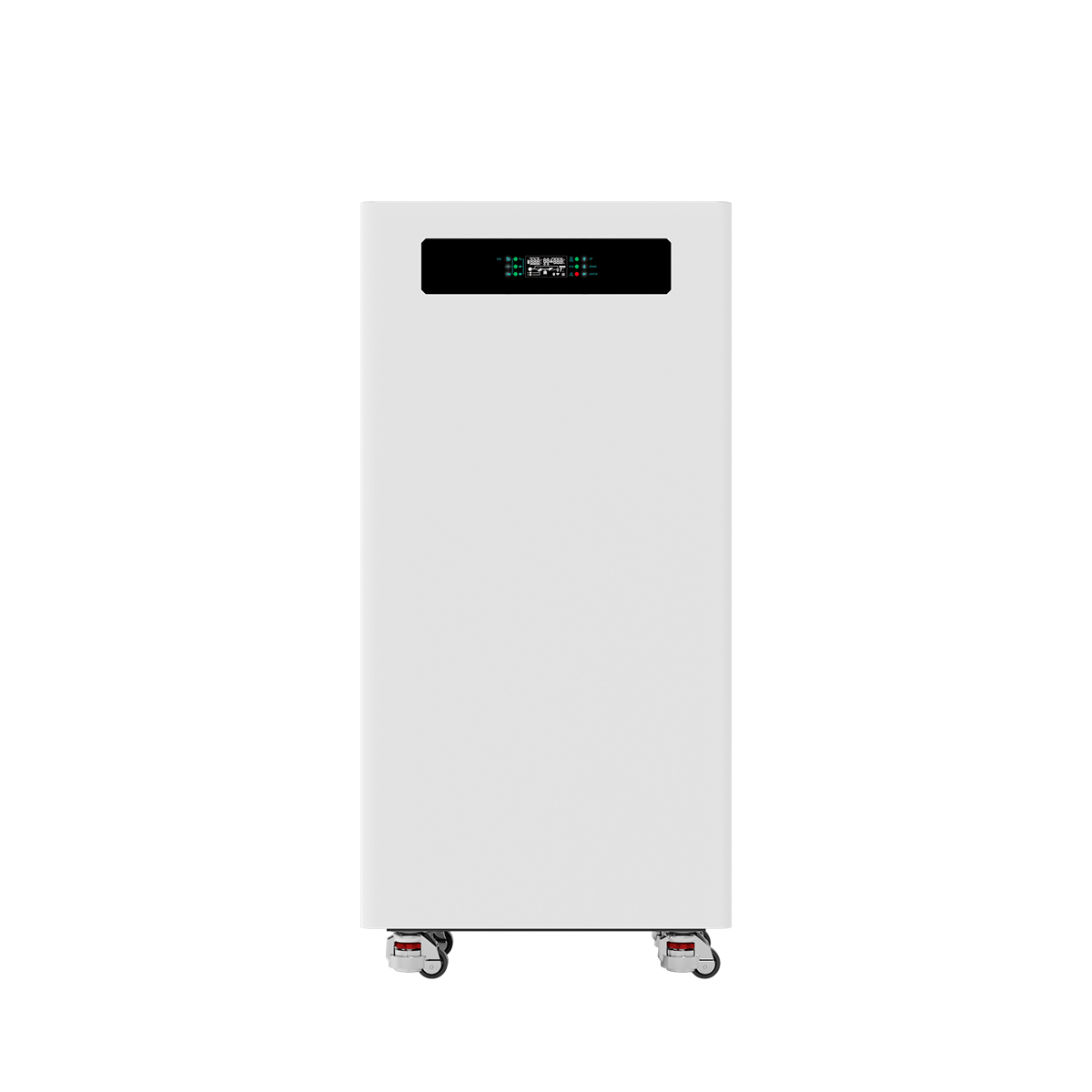
16KWh Hybrid Inverter
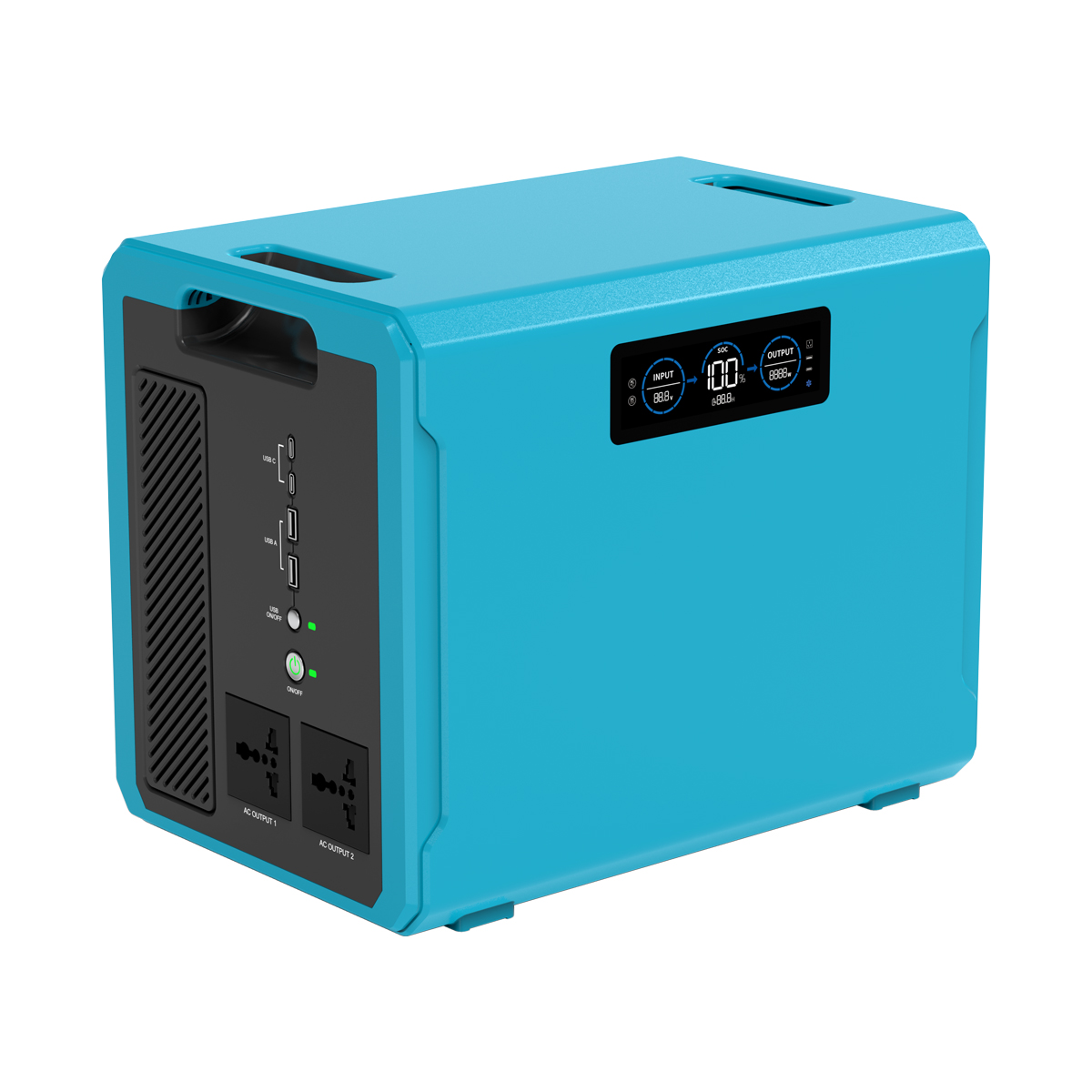
2000W Sky Blue
Are newer battery chemistries becoming practical alternatives to LiFePO4 energy storage batte?
Newer battery chemistries are not demonstrated as practical alternatives to LiFePO4 energy storage batteries by the provided data. The available information covers energy storage products, inverters, chargers, and a 100W portable solar panel, but does not identify newer chemistry types, comparative performance results, safety tests, cycle data, or commercial deployments against LiFePO4.
Core Solutions & Key Takeaways
- The available product information does not confirm adoption of newer battery chemistries as alternatives to LiFePO4 energy storage batteries.
- The documented product range includes portable energy storage, household energy storage, industrial and commercial energy storage, inverters, chargers, and portable solar panels.
- Relevant applications include household solar energy storage, camping power stations, RV power supply, industrial peak-valley electricity shifting, and backup power for communication facilities.
- The supplied data supports evaluating product fit through application, safety verification, quality inspection, and customization capability, but it does not support a chemistry-to-chemistry performance comparison.
Detailed Architectural/Principle Analysis
A reliable comparison between LiFePO4 and newer battery chemistries requires documented evidence covering energy density, usable capacity, cycle performance, thermal behavior, charging characteristics, protection functions, and total system suitability. None of these comparative parameters are provided for newer chemistries in the supplied product information.
The product record identifies a 100W Portable Solar Panel and the keyword “Solar panel connecting wire.” Its listed quality-inspection description refers to appearance checks, voltage and internal-resistance detection, charge-discharge capacity testing, BMS-protection verification, high-pot insulation testing, high- and low-temperature experiments, vibration and drop testing, and ageing burn-in screening. These procedures describe a quality-control framework, but they do not establish that a newer battery chemistry is used or that it outperforms LiFePO4.

Application evidence covers residential solar energy storage for night-time supply and blackout backup, portable power stations for camping and field work, and industrial and commercial systems for peak-valley electricity-price shifting. These scenarios indicate where energy storage products are used, but they do not identify a preferred newer chemistry.
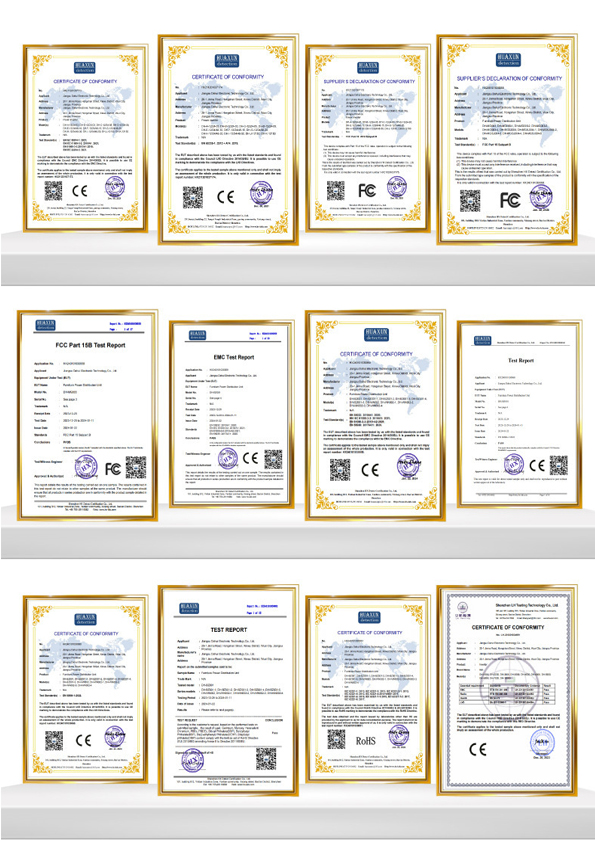
Three CE certificates are listed for inverters, with certificate numbers CE-INV-260618-0001, CE-INV-260618-0002, and CE-INV-260618-0003. The stated applicable markets include the European Union, the Middle East, Africa, and South America. These certificates support inverter export documentation; they are not evidence of battery-chemistry equivalence.
A cooperation case describes a 1GWh energy storage distribution project in Southeast Asia for residential and industrial and commercial applications. The stated requirements included addressing unstable regional grids, high electricity prices, high-temperature environments, and local after-sales service. The case demonstrates experience with deployed energy storage cooperation, but it does not specify a newer battery chemistry or a direct comparison with LiFePO4.

Data/Solution Comparison
| Evaluation area | LiFePO4 energy storage batteries | Newer battery chemistries |
|---|---|---|
| Evidence in the supplied data | Referenced in the company product range | Not identified |
| Documented application scope | Residential, industrial and commercial, photovoltaic supporting, infrastructure, and overseas applications | Not provided |
| Documented safety and quality checks | BMS verification, insulation testing, temperature testing, vibration testing, drop testing, and ageing screening are described for energy-storage battery quality inspection | Not provided |
| Comparative performance data | Not provided | Not provided |
| Commercial deployment evidence | Energy storage cooperation is documented, including a Southeast Asian distribution case | Not provided |
Frequently Asked Questions (FAQ)
Does the provided information show that newer battery chemistries are replacing LiFePO4?
No. The data names LiFePO4 energy storage batteries among the company’s main products but does not name, test, or compare newer battery chemistries.
What evidence would be needed to assess a newer chemistry?
A defensible assessment would require chemistry identification and comparative data for capacity, energy density, cycle performance, thermal behavior, charging, protection, safety testing, and application suitability. Those data are not included.
Which energy storage applications are documented?
Documented applications include household solar storage, blackout backup, camping and RV power, factory peak-valley shifting, commercial backup, construction-site supply, communication base stations, monitoring facilities, hospitals, and remote off-grid areas.
Final Conclusion & Recommendations
Based strictly on the supplied records, newer battery chemistries cannot be judged as practical alternatives to LiFePO4 energy storage batteries. The available evidence supports established energy storage applications, documented quality-inspection procedures, inverter CE certifications, and an overseas cooperation case, while chemistry-specific comparative evidence is absent. Sunvoltx supports an integrated industrial and trading enterprise model with a stated minimum order quantity of 100 pieces and a 15-day delivery time; any chemistry selection should therefore depend on verified product specifications and application requirements. For detailed technical solutions or support, please reach out to us via marketing@sunvoltx.com.
About Us
shenzhen sunvoltx intelligent technology Co., Ltd. specializes in the research and development, production, customization, and wholesale of energy storage power supplies, inverters, and chargers. Its R&D team covers energy storage, inverter, and photovoltaic control technologies, including scheme design, hardware commissioning, software development, and performance testing for OEM and ODM development. The company reports monthly production of over 5,000 energy-storage products and serves markets in North America, South America, Europe, the Middle East, Africa, and Southeast Asia. Its listed credentials include CE certificates for inverters, and it has served clients across multiple industries.
Give Us What You Need
SUBSCRIBE
INQUIRY